

Product Introduction
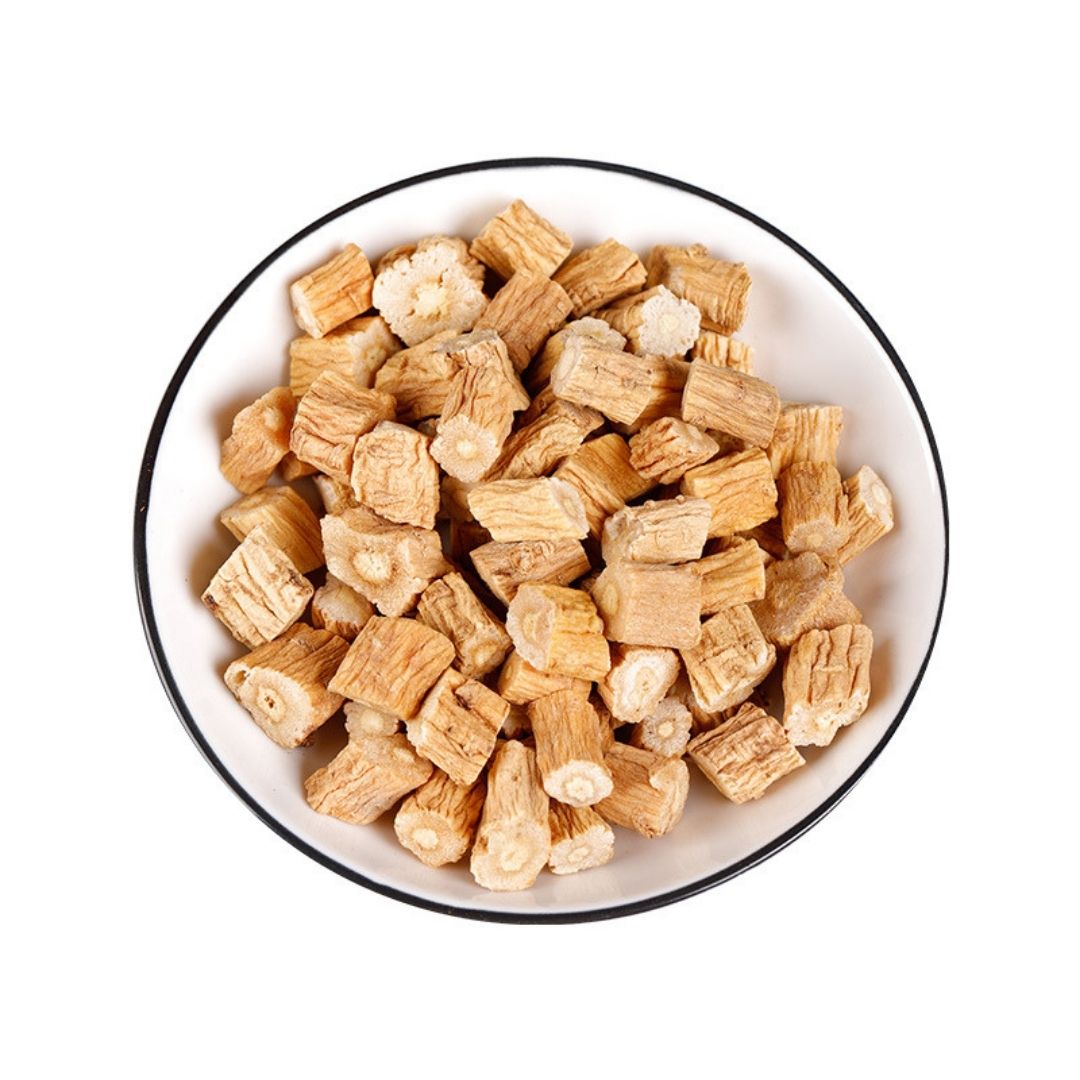
Codonopsis Pilosula, a well-regarded herb in Traditional Chinese Medicine (TCM), serves as a valuable tonic, particularly for the spleen and lungs. It is often used as a substitute for ginseng, though it has a milder effect. It helps to boost energy, improve digestion, and strengthen the immune system. This herb is frequently prescribed for individuals experiencing fatigue, weakness, or those recovering from illness.
Main Active Ingredients
The therapeutic effects of Codonopsis Pilosula stem from its complex chemical composition. Polysaccharides are believed to contribute to its immune-modulating and energy-boosting properties. Saponins, another key group of compounds, may support adrenal function and help the body manage stress. Alkaloids present in the herb also play a role in its overall medicinal actions. These active ingredients work synergistically to produce the herb's beneficial effects.
Product Application Scenarios, Usage, and Dosage
Codonopsis Pilosula finds application in various health conditions and is often included in herbal formulas. It is commonly used to address spleen qi deficiency, which manifests as fatigue, poor appetite, and loose stools. It can also benefit those with lung qi deficiency, characterized by shortness of breath and a weak voice. The herb is used to support individuals undergoing chemotherapy, helping to alleviate side effects like fatigue and nausea [1]. The typical dosage of Codonopsis Pilosula is 9-30g, usually decocted in water. It can also be consumed in the form of powders and extracts.
Introduction to the Source Plant, Distribution, and Growth Environment
The Codonopsis pilosula plant is a perennial climbing herb belonging to the Campanulaceae family. It grows to a height of 1.5-3 meters. The plant is characterized by its bell-shaped flowers and elongated roots, which are the medicinally valuable part. It is native to China, primarily found in the northern and northeastern regions, including provinces like Shanxi, Sichuan, and Heilongjiang. It thrives in moist, well-drained soils in mountainous areas and forest edges. The plant prefers a cool, humid climate and is often cultivated for medicinal purposes.
Harvesting, Processing, and Storage
The roots of Codonopsis Pilosula are typically harvested in the autumn. After harvesting, the roots are washed to remove any dirt or debris. They are then sun-dried or dried using a low-heat drying method to preserve their medicinal properties. During processing, larger roots may be cut into smaller pieces for easier drying and use. Properly dried Codonopsis Pilosula should be stored in airtight containers in a cool, dry, and dark place to prevent moisture absorption and maintain its quality.
Citations:
- Zhao, Z. Q., et al. "Effects of Codonopsis pilosula Polysaccharide on Chemotherapy-Induced Nausea and Vomiting in Gastric Cancer Patients: A Randomized Controlled Trial." Integrative Cancer Therapies 18 (2019): 1534735419884635.
Mia Wu

Hi, I’m Mia Wu! I love helping customers discover the best natural ingredients for their products. With a passion for herbs, spices, and fungi, I work to make sure you get only the finest raw materials. Let's grow together! 🌱✨