

Product Introduction
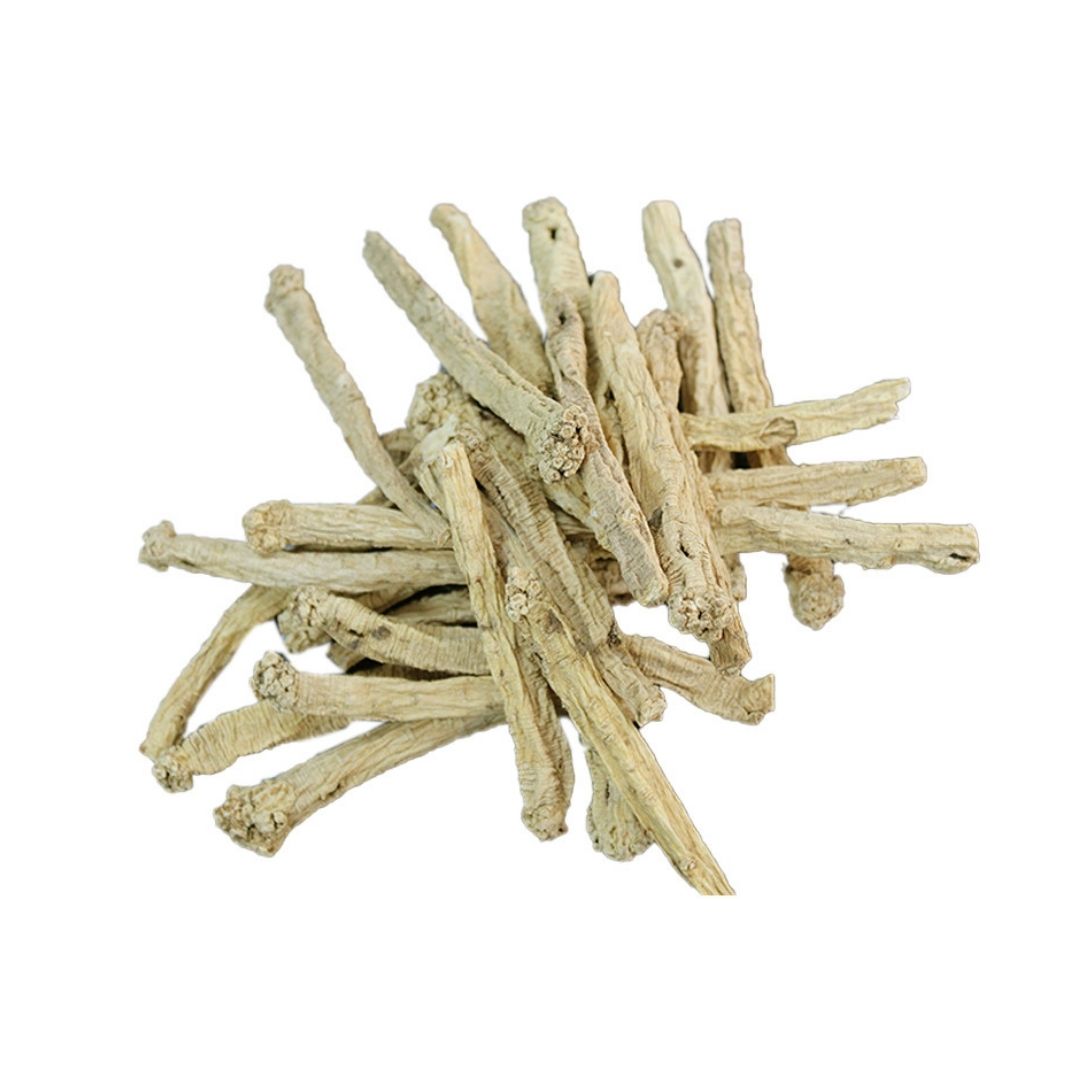
Codonopsis Pilosula, especially the plain flower variety, is a widely used herb in Traditional Chinese Medicine (TCM). It is valued for its ability to invigorate Qi, particularly in the Spleen and Lung. This herb is often used as a substitute for ginseng due to its milder properties, making it suitable for long-term use and for individuals who cannot tolerate the strong effects of ginseng.
Main Active Ingredients
The major active components of Codonopsis Pilosula include polysaccharides, saponins, and alkaloids. Polysaccharides are known for their immune-modulating and antioxidant properties. The saponins contribute to its adaptogenic effects, helping the body to cope with stress. Other trace elements present in the herb also contribute to its therapeutic effects.
Product Application Scenarios, Usage, and Dosage
Codonopsis Pilosula is frequently used in TCM formulas to address conditions such as fatigue, poor appetite, and weakened immune function. It is often prescribed for individuals recovering from illness or those with chronic fatigue syndrome. The herb is commonly used in decoctions, where it is boiled with other herbs, and can also be taken in powder or capsule form. The typical dosage of Codonopsis Pilosula is between 9 to 30 grams per day, depending on the specific condition and the individual's constitution.
Introduction to the Source Plant, Distribution, and Growth Environment
Codonopsis pilosula is a perennial climbing plant that belongs to the Campanulaceae family. The plain flower variety is characterized by its simple, unadorned flowers. The plant is native to China and is primarily distributed in the northern and northeastern regions. It thrives in moist, well-drained soils and is often found in mountainous areas and forest edges.
Harvesting, Processing, and Storage
The roots of Codonopsis pilosula are typically harvested in the autumn, after the plant has completed its growing cycle. The roots are then washed, dried, and cut into slices for medicinal use. Proper drying is crucial to prevent mold growth and preserve the herb's active constituents. It should be stored in airtight containers in a cool, dry, and dark place to maintain its quality and potency. Regular inspection for signs of pests or deterioration is recommended to ensure its efficacy over time.
Mia Wu

Hi, I’m Mia Wu! I love helping customers discover the best natural ingredients for their products. With a passion for herbs, spices, and fungi, I work to make sure you get only the finest raw materials. Let's grow together! 🌱✨