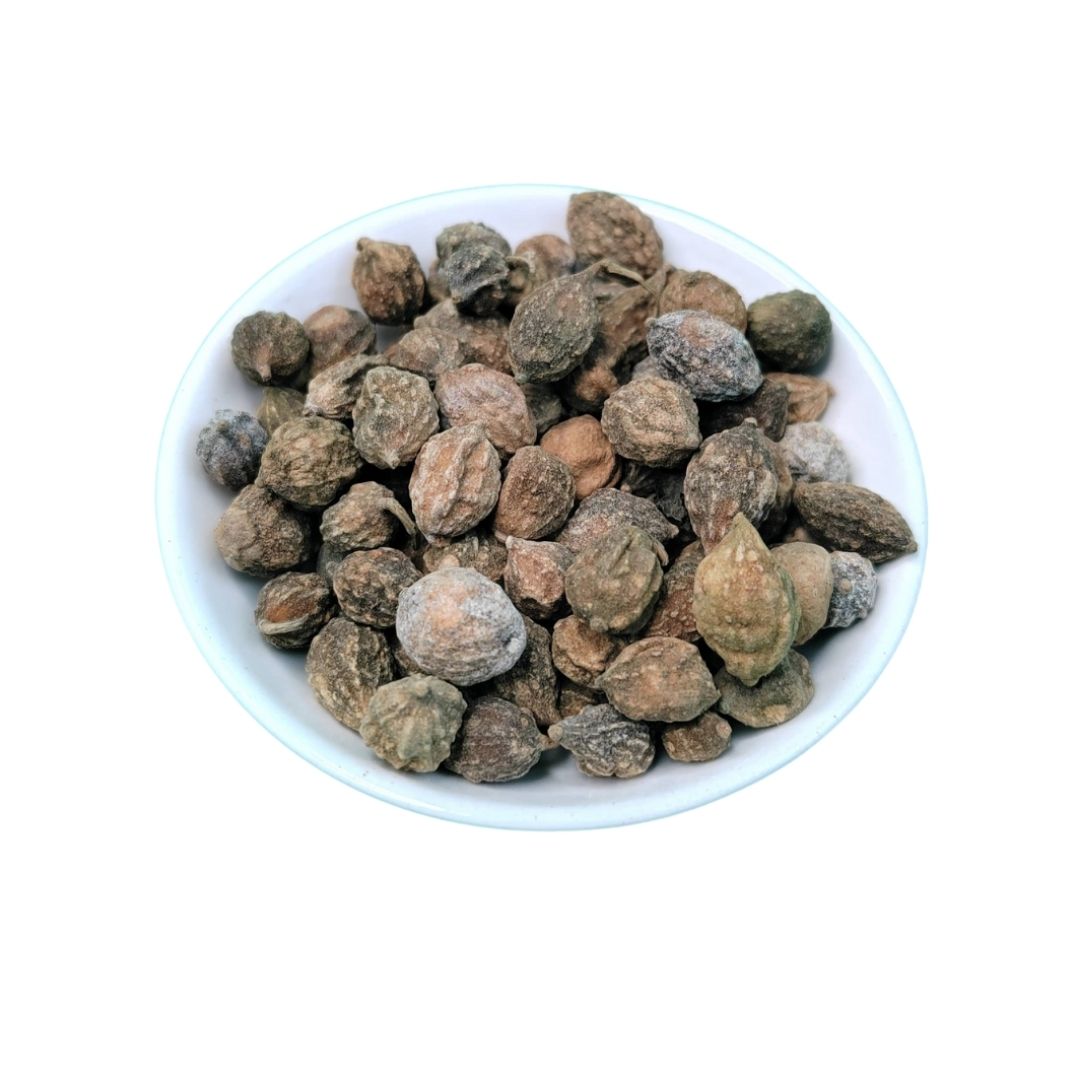
Product Introduction
Clove, derived from the flower buds of the Syzygium aromaticum tree, is a potent and highly aromatic spice, commonly used in both sweet and savory dishes. Originating from the Maluku Islands of Indonesia, cloves have been traded for centuries, becoming a valued commodity in global spice routes. The primary flavor component of clove is eugenol, which contributes to its warm, pungent, and slightly sweet taste.
Cloves are harvested by hand when the flower buds turn a vibrant red, indicating their maturity and optimal oil content. After harvesting, the buds are dried, typically under the sun, until they turn a dark reddish-brown color. This drying process intensifies the flavor and aroma of the spice.
In addition to culinary applications, cloves have a long history of use in traditional medicine. Eugenol possesses antiseptic and analgesic properties, making clove oil useful for relieving toothaches and other dental issues. The spice is also used in aromatherapy for its stimulating and comforting effects.
Clove is available in several forms, including whole cloves, ground cloves, and clove oil. Whole cloves are often used to infuse flavor into liquids, such as mulled wine or broths, and can be easily removed after use. Ground cloves are more commonly used in baking and spice blends, where a consistent and evenly distributed flavor is desired. Clove oil, extracted from the buds, leaves, and stems of the clove tree, finds applications in both medicinal and flavor industries.
Aromatic Chemical Composition
The distinctive aroma of clove is primarily attributed to its rich composition of volatile organic compounds. Eugenol is the most abundant, typically constituting 70-85% of the essential oil. This compound provides the characteristic warm, spicy, and slightly sweet scent.
Eugenol acetate, a derivative of eugenol, contributes to the overall aroma profile with a slightly sweeter and less intense note. Beta-caryophyllene, another significant component, adds a woody and peppery nuance to the spice's aroma.
Other volatile compounds present in smaller concentrations include alpha-humulene, methyl eugenol, and various esters and terpenes, which collectively contribute to the complex and nuanced aroma of clove. These compounds synergistically interact, creating a multifaceted sensory experience that defines the spice.
What Types of Products Are Available?
Cloves are available in several forms:
- Whole Cloves: Dried, unopened flower buds that are used to infuse flavor into liquids and dishes, and are easily removable.
- Ground Cloves: Cloves that have been ground into a fine powder, providing a consistent flavor.
- Clove Oil: Extracted from clove buds, leaves, or stems, used in medicinal and flavoring applications.
- Clove Oleoresin: A concentrated extract of clove spice that contains both volatile and non-volatile components.
- Clove Extract: A water- or alcohol-based solution containing clove flavor compounds.
Application Scenarios and Usage Dosage
In the culinary field, clove is a versatile spice used across various cultures and cuisines. Its intense flavor allows for a wide range of applications in both sweet and savory dishes.
In baking, ground cloves are commonly incorporated into spice cakes, gingerbread, and other baked goods, where they contribute a warm, comforting flavor. Whole cloves can be inserted into fruits like apples or oranges before baking to infuse them with a rich, aromatic essence. The typical dosage for ground cloves in baked goods ranges from 0.5% to 1% of the total dry ingredients, depending on the desired intensity of flavor.
For meat dishes, whole or ground cloves are often used in spice rubs and marinades. In Middle Eastern and North African cuisines, cloves are used in tagines and stews, where they complement the flavors of lamb, chicken, and vegetables. In some preparations, a few whole cloves are added to the cooking liquid, imparting a subtle warmth. The concentration of ground cloves in meat rubs typically ranges from 0.25% to 0.5% of the meat's weight.
Cloves are also indispensable in beverage preparation. Whole cloves are a key ingredient in mulled wine and cider, where they are combined with other spices like cinnamon and star anise to create a festive drink. In Indian cuisine, cloves are added to chai tea, enhancing its flavor profile with a spicy note, similarly, cloves can be used in small amounts for flavoring coffee or other hot beverages, with typically one or two whole cloves being sufficient for a pot of coffee.
When using whole cloves, it's important to remember that they release flavor slowly, and prolonged cooking times increase the risk of overpowering the dish. Ground cloves, on the other hand, release flavor quickly, so they are typically added toward the end of the cooking process.
In spice blends, cloves are often combined with other spices to create complex and balanced flavor profiles. They are a common component of garam masala, pumpkin pie spice, and speculoos spice blends. The ratio of cloves to other spices varies depending on the specific blend, but it is generally used in smaller quantities to avoid overwhelming other spices.
The optimal dosage of clove depends on the specific application and desired intensity. As a general guideline, start with a small amount and adjust to taste. For most dishes, a few whole cloves or a small pinch of ground cloves is sufficient to impart a noticeable flavor without overpowering.
Introduction to the Source Plant, Distribution, and Growing Environment
The clove tree, Syzygium aromaticum, is an evergreen tree belonging to the Myrtaceae family. Native to the Maluku Islands (also known as the Spice Islands) in Indonesia, the tree can grow up to 12-15 meters in height. It has smooth, gray bark, large, lance-shaped leaves, and clusters of small, fragrant flowers. The unopened flower buds are the source of the clove spice.
Cloves thrive in tropical climates with high humidity and consistent rainfall, requiring well-drained soil rich in organic matter and a slightly acidic pH. The tree prefers full sun but can tolerate partial shade. Ideal growing conditions include temperatures between 20-30°C (68-86°F) and annual rainfall of 1500-2500 mm.
In addition to its native Indonesia, clove trees are cultivated in other tropical regions, including Madagascar, Zanzibar (Tanzania), Sri Lanka, India, and Malaysia. These regions offer similar climatic conditions that support the growth and productivity of the clove tree. The tree typically begins to produce flower buds after about six to seven years, with optimal yields achieved after about 15 to 20 years.
Harvesting, Processing, and Storage Preservation
Harvesting cloves is a labor-intensive process that is typically done by hand. The flower buds are ready for harvest when they turn a bright red color, indicating that they have reached their peak oil content and flavor. Harvesting usually occurs twice a year, with the main harvest taking place during the dry season.
Workers climb the clove trees and carefully pick the flower buds by hand, avoiding damage to the tree. The harvested buds are then separated from the stems and leaves and spread out on mats or platforms to dry. The drying process usually takes several days, and the buds are turned regularly to ensure uniform drying.
During drying, the cloves change color from red to a dark reddish-brown, and their flavor becomes more concentrated. Once the cloves are thoroughly dried, they are sorted, graded, and cleaned to remove any remaining debris. The dried cloves are then packaged and stored in airtight containers to prevent moisture absorption and loss of volatile oils.
Proper storage is essential for preserving the quality and flavor of cloves. Cloves should be stored in a cool, dry, and dark place, away from direct sunlight and heat, as exposure to light and heat can degrade their volatile oils, leading to a loss of flavor and aroma. Under optimal conditions, whole cloves can maintain their quality for several years, while ground cloves typically have a shorter shelf life of about six months to a year. Regularly checking the stored cloves for signs of moisture or mold growth is advisable to ensure their continued quality.
Citations:
- Parry, J. W. (1969). Spices: Their Morphology, Histology and Chemistry. Chemical Publishing Company.
- Raghavan, S. (2007). Handbook of Spices, Seasonings, and Flavorings., Second Edition. CRC Press.
- Peter, K. V. (2012). Handbook of Herbs and Spices, Second Edition. Woodhead Publishing.
- Purseglove, J. W., Brown, E. G., Green, C. L., & Robbins, S. R. J. (1981). Spices, Volume 1. Longman.
- Tainter, D. R., & Grenis, A. T. (2001). Spices and Seasonings: A Food Technology Handbook., Second Edition. Wiley-VCH.
Mia Wu

Hi, I’m Mia Wu! I love helping customers discover the best natural ingredients for their products. With a passion for herbs, spices, and fungi, I work to make sure you get only the finest raw materials. Let's grow together! 🌱✨