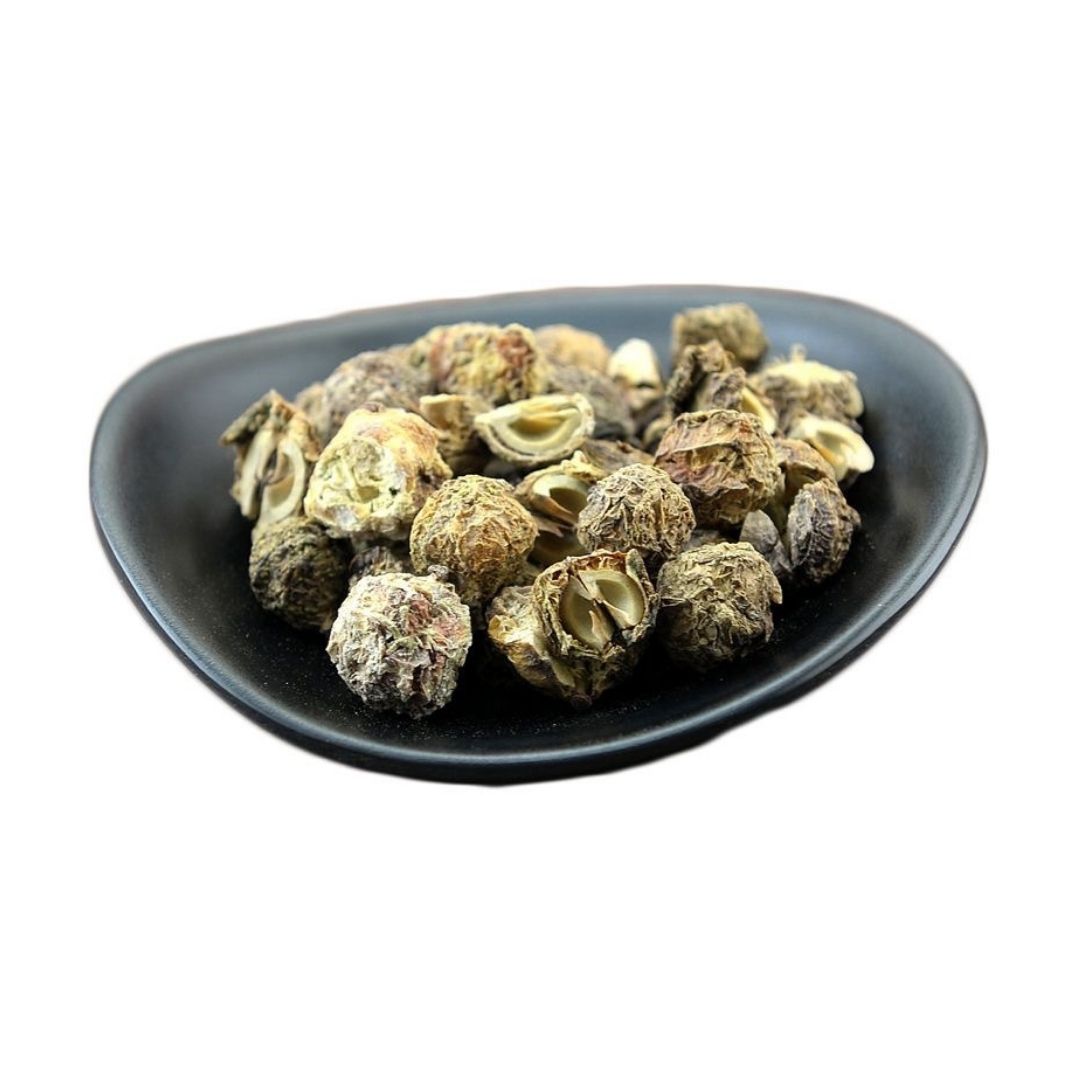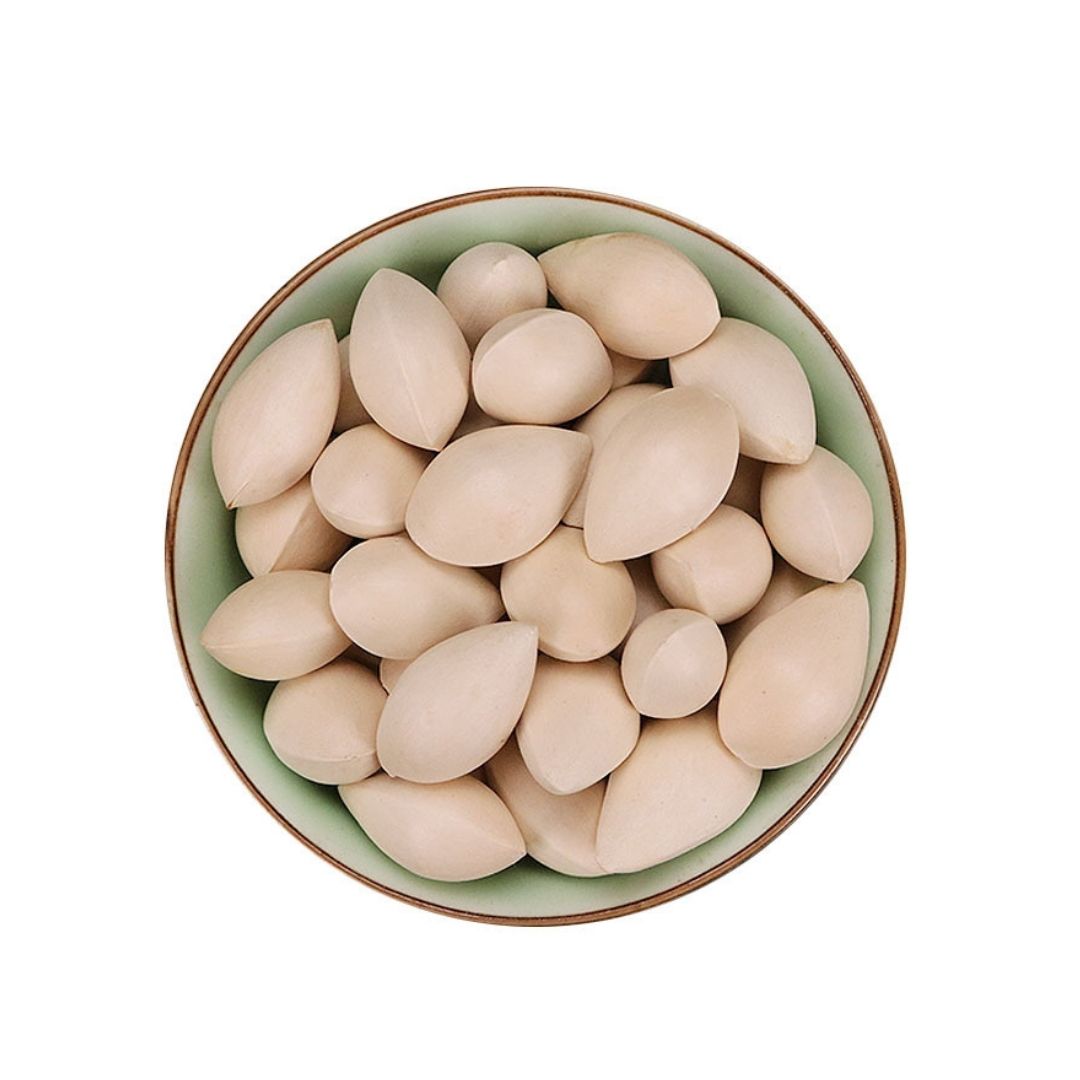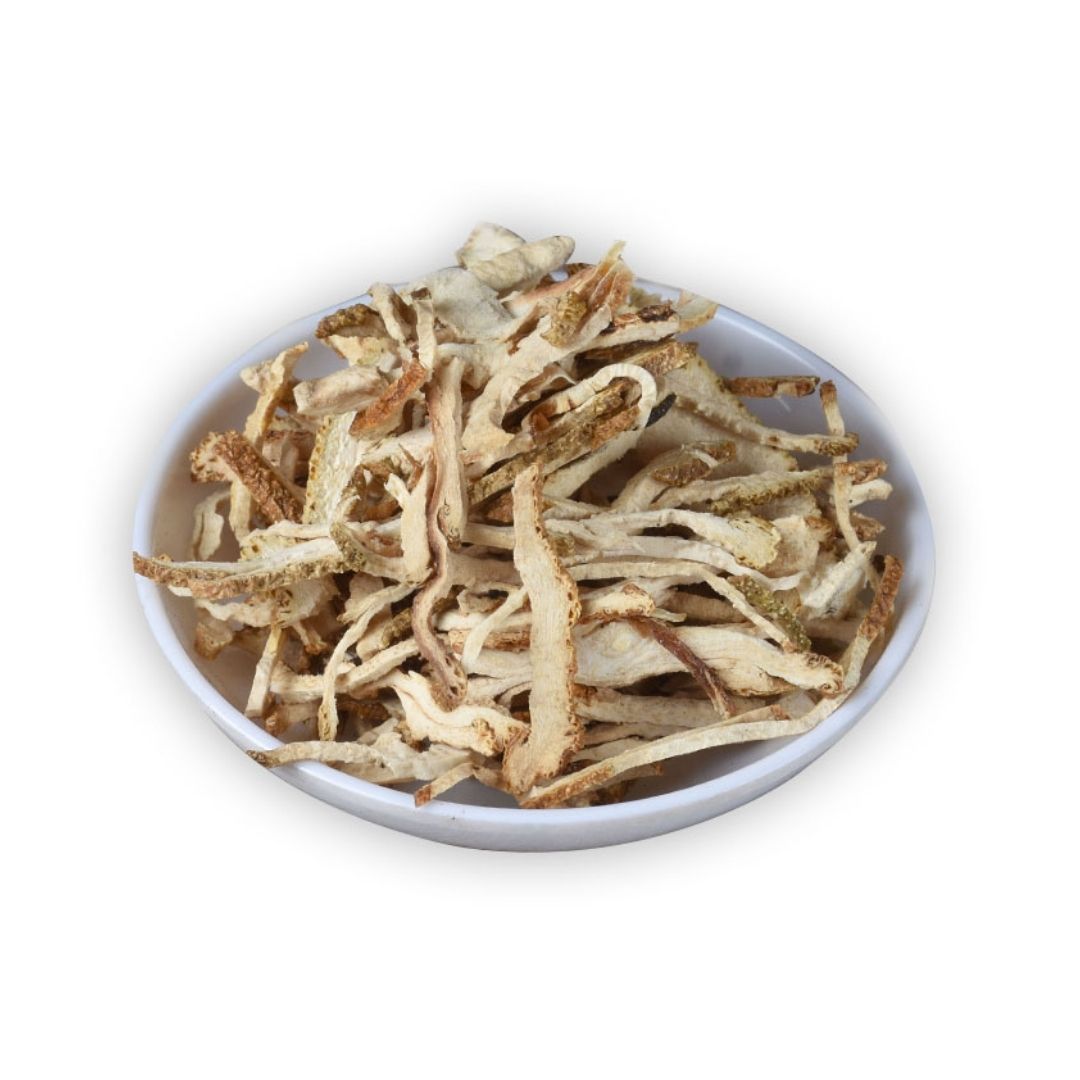


Product Introduction
Citron fruit, also known as Xiang Yuan in traditional Chinese medicine (TCM), refers to the mature fruit of Citrus medica L., a member of the Rutaceae family. In TCM, it is valued for its aromatic properties and therapeutic effects. It is commonly used to address digestive issues, coughs, and pain.
Main Active Ingredients
The primary active components found in citron fruit include volatile oils, such as limonene and other terpenes, flavonoids like hesperidin and naringin, and various organic acids, including citric acid. [^1] These compounds contribute to its medicinal properties, such as anti-inflammatory, antioxidant, and digestive benefits.
Product Application Scenarios, Usage, and Dosage
Citron fruit is commonly used in several application scenarios: for regulating qi and alleviating chest and abdominal distension, the typical dosage is between 3 to 6 grams, usually in decoction form. [^2] It can also relieve coughs when combined with other lung-soothing herbs. Additionally, it’s employed to alleviate pain associated with liver qi stagnation.
Introduction to the Source Plant, Distribution, and Growth Environment
Citrus medica L., the source plant of citron fruit, is a small evergreen tree or shrub. It is native to Southeast Asia, and now cultivated in various regions. [^3] The plant thrives in warm, humid climates with well-drained soil and plenty of sunlight. It typically grows in orchards and home gardens.
Harvesting, Processing, and Storage
The fruits are typically harvested when they are mature and have turned yellow, usually in the fall. After harvesting, the fruits are often sliced or dried for preservation. [^4] Slices of citron fruit are dried in the sun or using a low-heat oven. The dried fruit should be stored in airtight containers in a cool, dry, and dark place to maintain its quality and potency.
[^1]: Duke, J. A. (2002). Handbook of medicinal herbs. CRC press.
[^2]: Bensky, D., Gamble, A., & Kaptchuk, T. J. (1993). Chinese herbal medicine: Materia Medica. Eastland Press.
[^3]: Mabberley, D. J. (2008). Mabberley's plant-book: A portable dictionary of plants, their classification and uses. Cambridge University Press.
[^4]: Chevallier, A. (2016). Encyclopedia of herbal medicine. DK.
Mia Wu

Hi, I’m Mia Wu! I love helping customers discover the best natural ingredients for their products. With a passion for herbs, spices, and fungi, I work to make sure you get only the finest raw materials. Let's grow together! 🌱✨