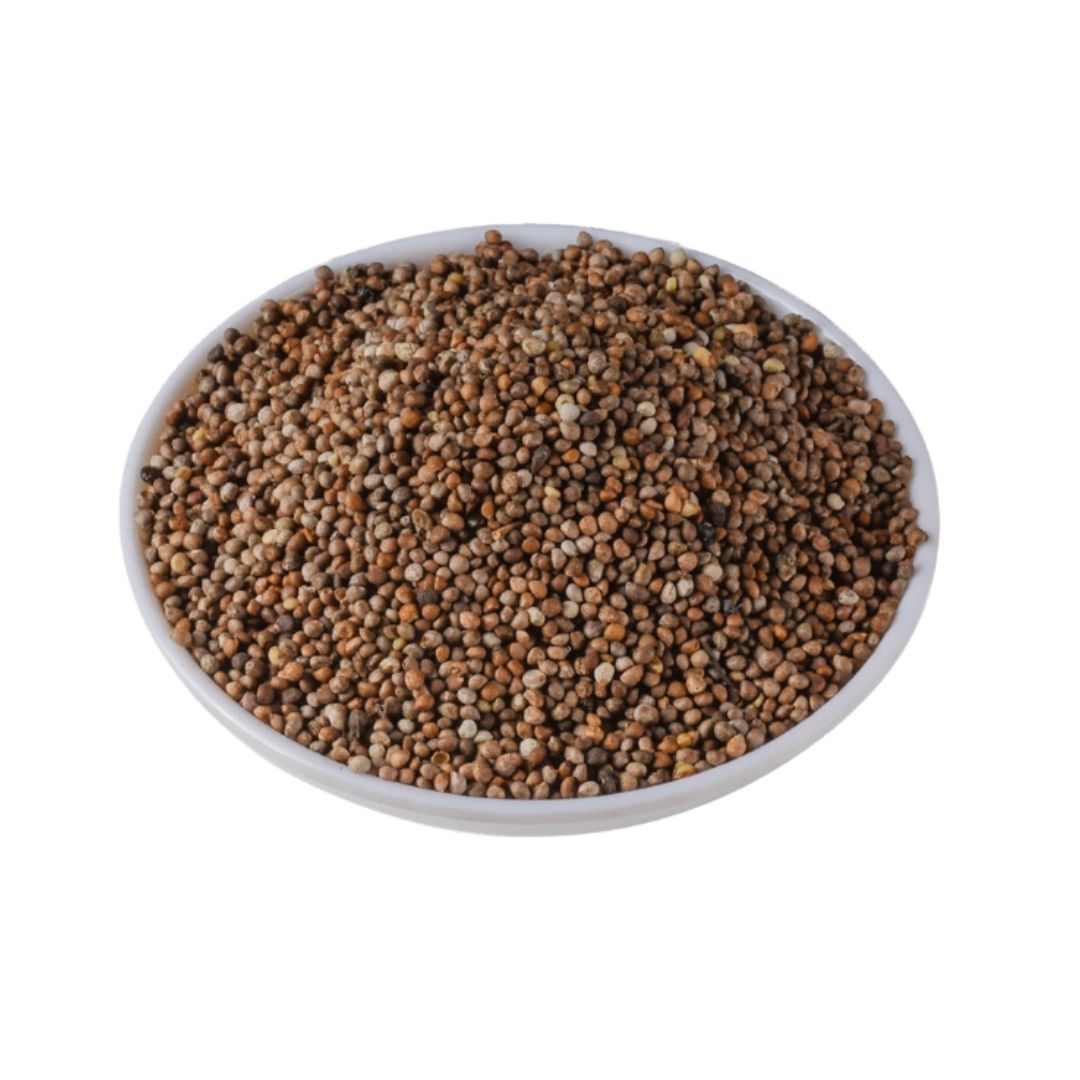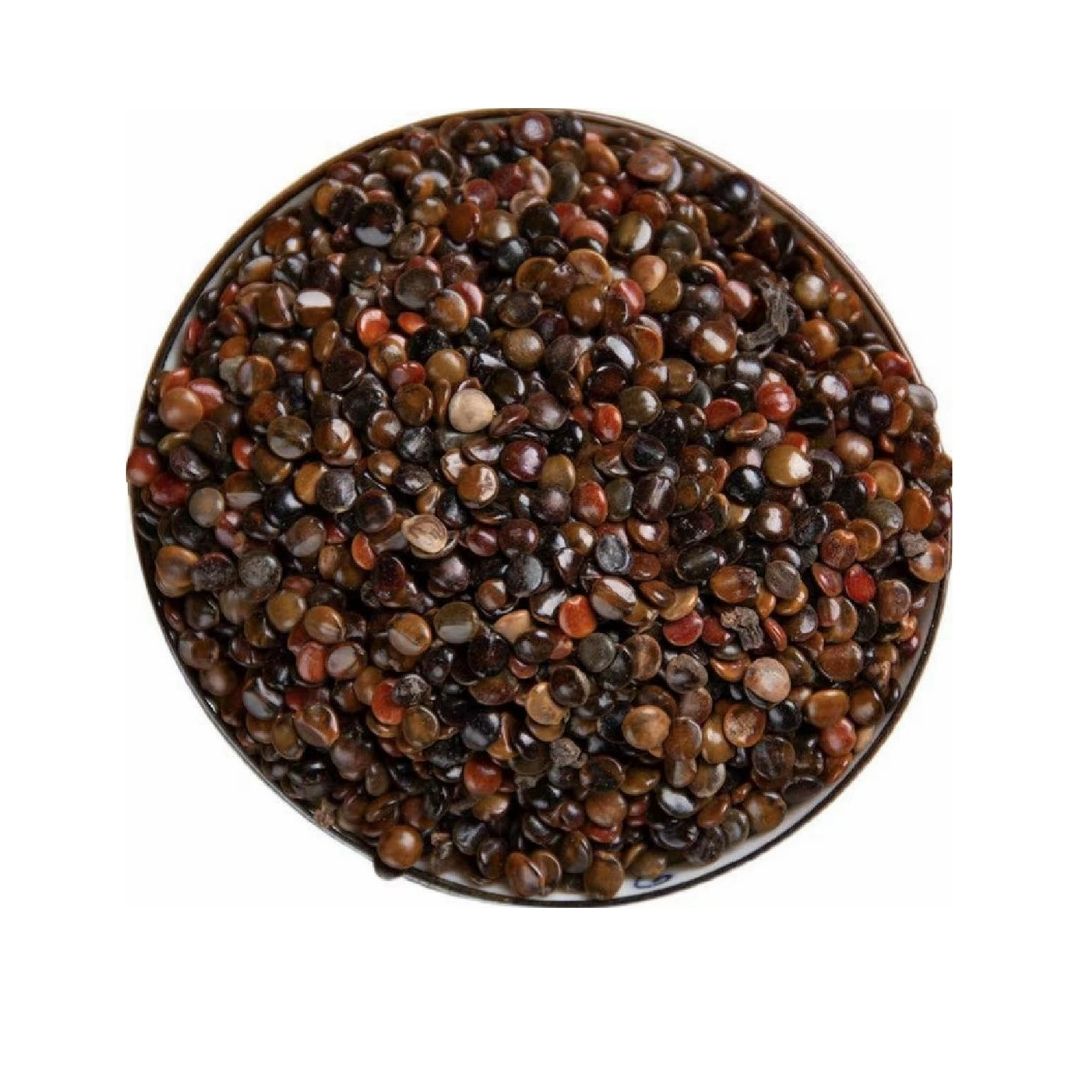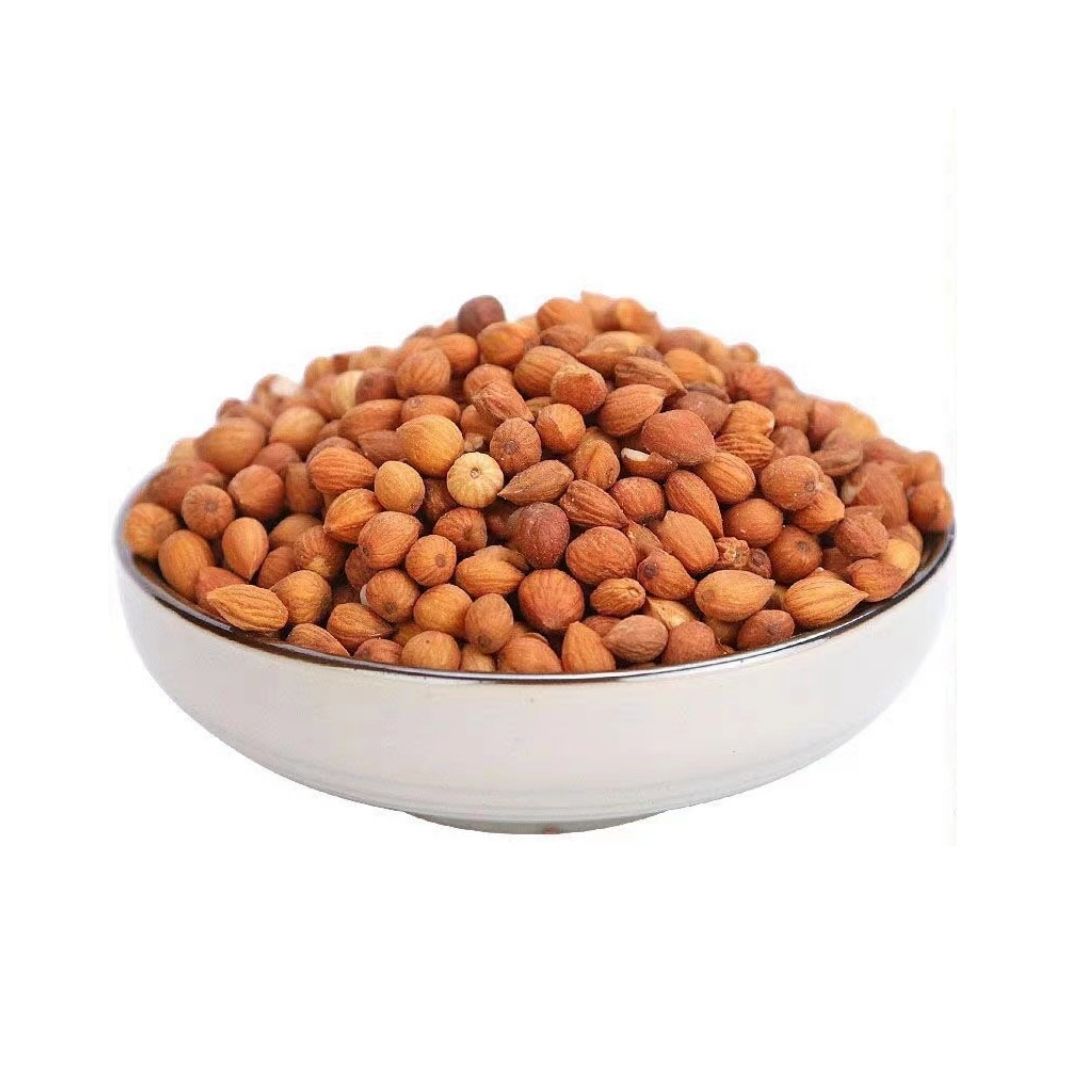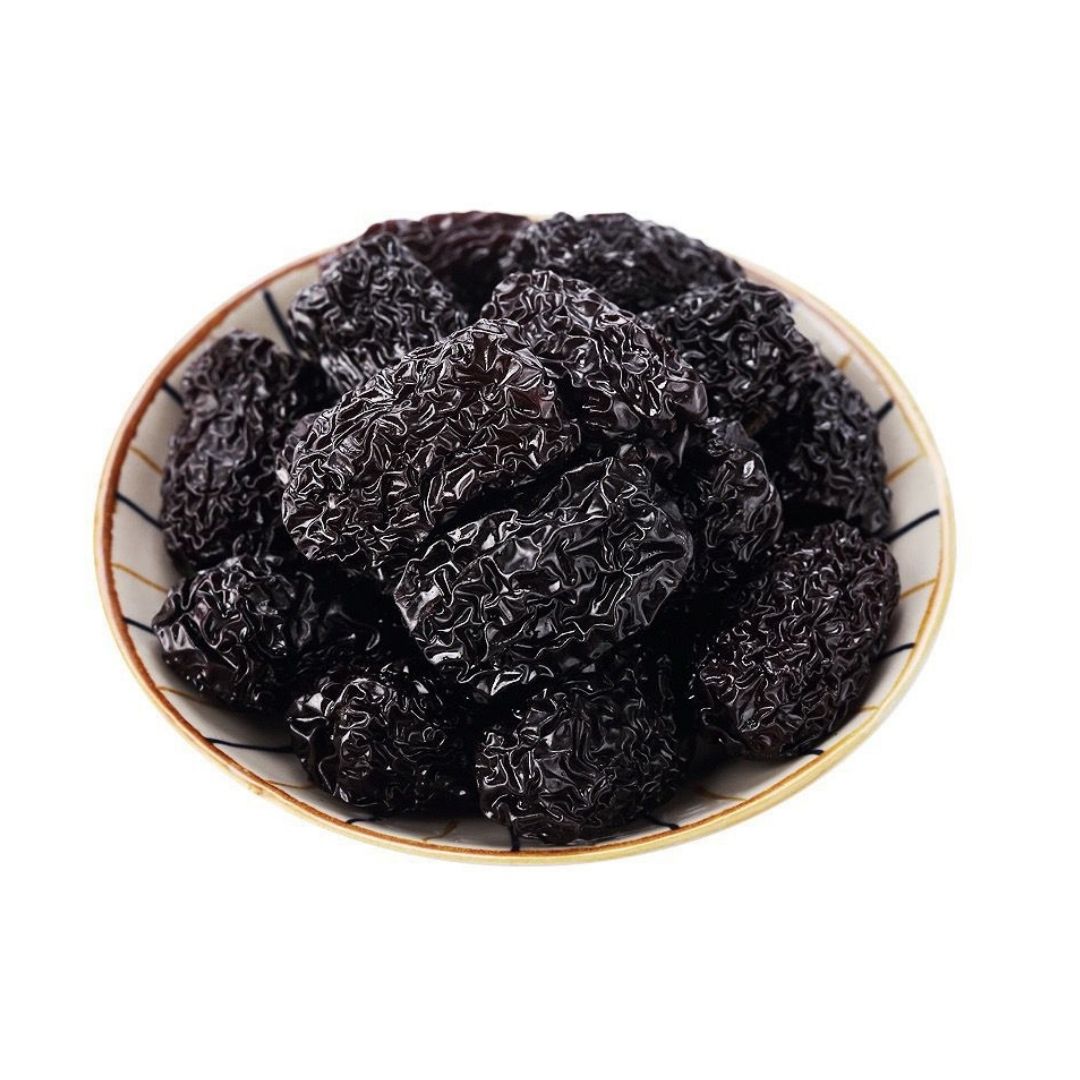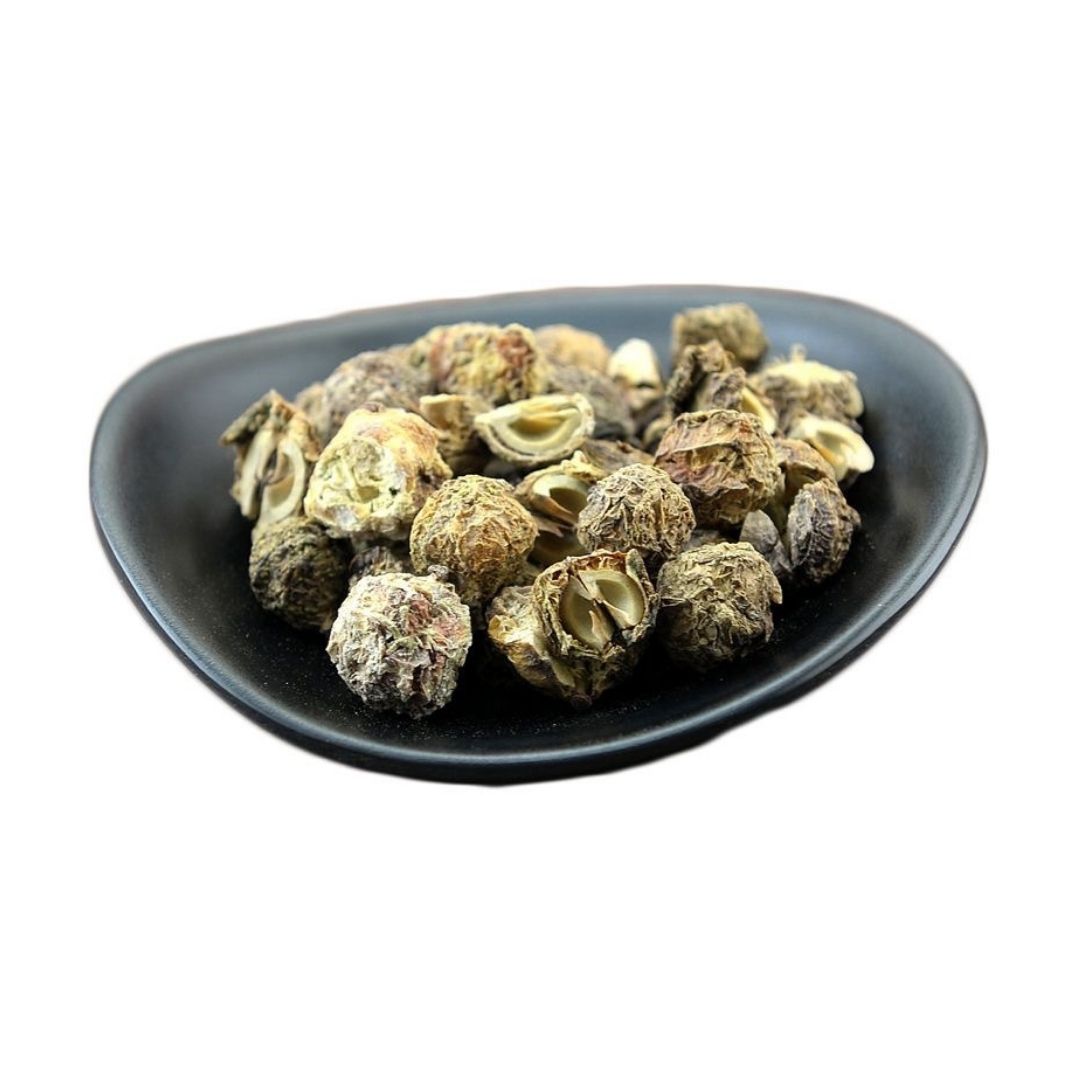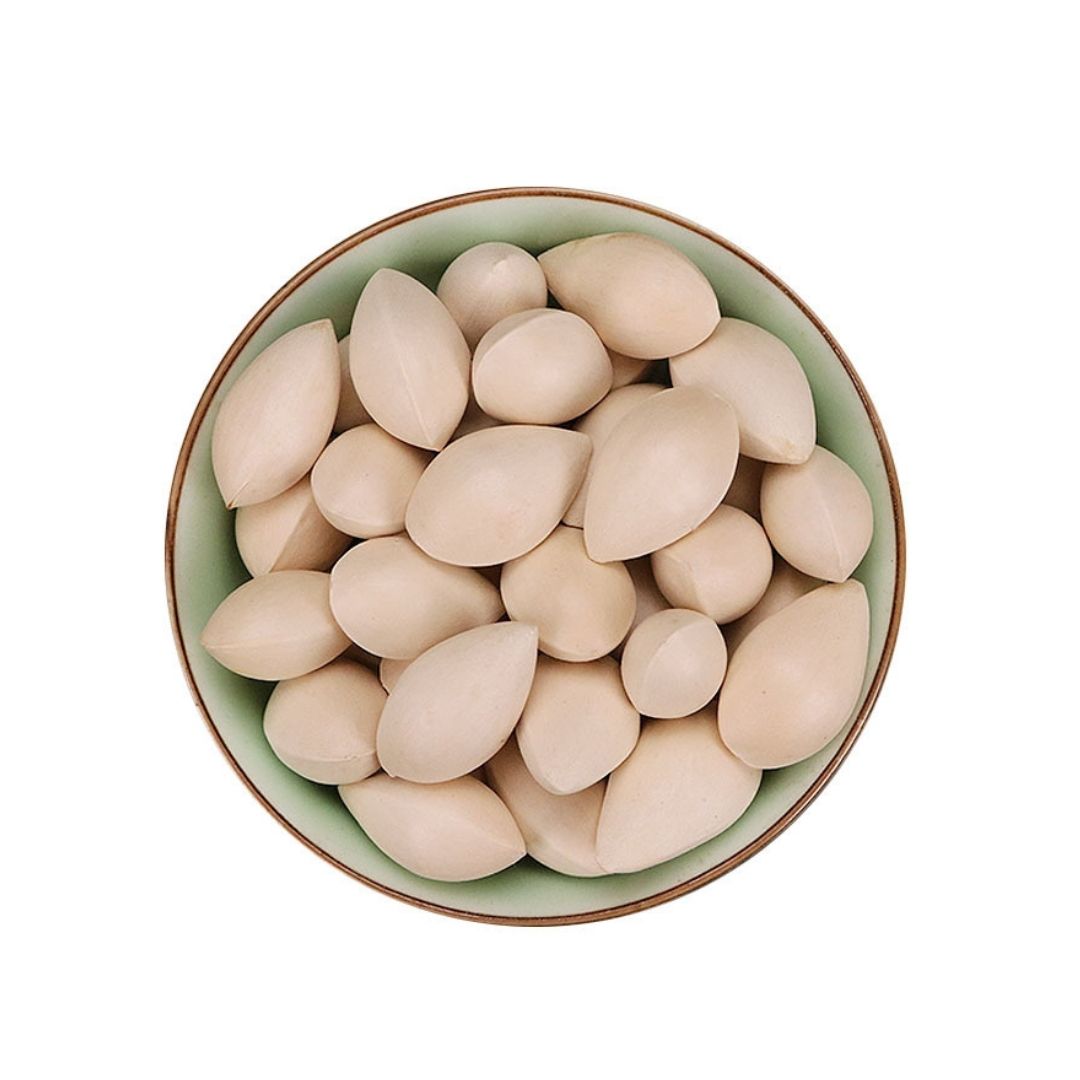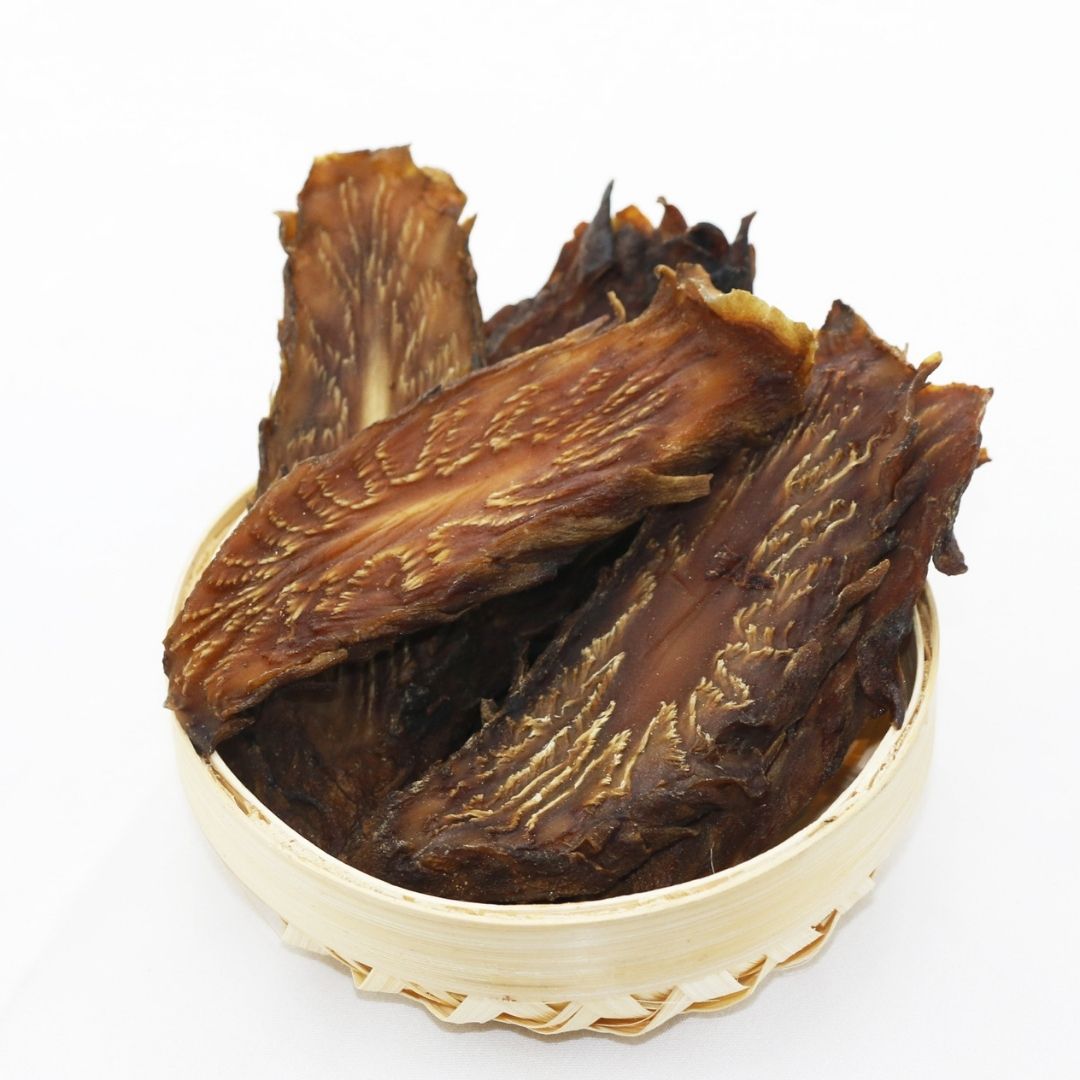


Product Introduction
Cistanche Tubulosa is a parasitic plant species belonging to the Orobanchaceae family; prized for its medicinal properties, it has been used for centuries in traditional Chinese medicine. This herb is particularly valued for its effects on kidney health, and overall vitality, and is also recognized for its potential benefits in addressing various age-related conditions. Its use is well-documented in classical Chinese medical texts, highlighting its significance in traditional healthcare practices.
Main Active Ingredients
The therapeutic effects of Cistanche Tubulosa are largely attributed to its unique composition of bioactive compounds. Phenylethanoid glycosides (PhGs) are among the most important, contributing significantly to its antioxidant, and neuroprotective properties. These glycosides include compounds such as echinacoside, and acteoside, which are known for their ability to combat oxidative stress, and support neuronal function. In addition to PhGs, Cistanche Tubulosa contains iridoids, and polysaccharides, which further contribute to its immunomodulatory, and anti-inflammatory activities. These components work synergistically to provide a range of health benefits.
Product Application Scenarios, Usage, and Dosage
Cistanche Tubulosa is used in a variety of applications, primarily to address kidney yang deficiency, impotence, infertility, and constipation due to dryness. It is often included in herbal formulas designed to improve sexual function, strengthen the lower back, and knees, and promote longevity. The herb is also employed to alleviate constipation, particularly in elderly individuals, by moistening the intestines, and promoting bowel movement.
The typical dosage of Cistanche Tubulosa ranges from 6 to 15 grams per day, when used as a decoction. It can also be taken in the form of powders, pills, or extracts. It is commonly combined with other herbs to enhance its effects, and address specific health conditions, according to traditional Chinese medicine principles.
Introduction to the Source Plant, Distribution, and Growth Environment
Cistanche tubulosa is a desert plant that thrives in arid environments. It is predominantly found in desert regions, such as the Taklamakan Desert in Xinjiang, China. This parasitic plant attaches itself to the roots of host plants, such as Haloxylon ammodendron, from which it obtains nutrients, and water.
The plant's ability to survive in harsh desert conditions is a testament to its resilience, and adaptability. It plays an important ecological role in these environments, while also providing valuable medicinal resources. The unique growth environment contributes to the plant's distinct chemical profile, and therapeutic properties.
Harvesting, Processing, and Storage
The harvesting of Cistanche Tubulosa typically occurs in the spring, before the plant flowers. The fleshy stems are collected, and then dried, either in the sun or using mechanical dryers. Proper drying is essential to preserve the herb's active constituents, and prevent spoilage.
After drying, the herb is often sliced into thin pieces for ease of use, and storage. It should be stored in a cool, dry place, away from direct sunlight, and moisture. Proper storage ensures that the herb retains its potency, and efficacy for an extended period. Traditional methods of processing, and storage, are aimed at maximizing the therapeutic benefits of Cistanche Tubulosa, while maintaining its quality.
Citations
- Butt, M. S., et al. "Cistanche tubulosa: An overview of its botany, phytochemistry, and pharmacology." Journal of Ethnopharmacology 117.3 (2008): 373-383.
- Li, X., et al. "Cistanche deserticola Ma: A review of its botany, phytochemistry, pharmacology and toxicology." Journal of Ethnopharmacology 149.3 (2013): 585-618.
- Wang, T., et al. "Cistanche tubulosa improves penile erection via activating the NOS/cGMP pathway in castrated rats." Journal of Ethnopharmacology 143.3 (2012): 757-762.
- Zhang, X., et al. "Neuroprotective effects of phenylethanoid glycosides from Cistanche tubulosa." European Journal of Pharmacology 615.1-3 (2009): 124-130.
Mia Wu

Hi, I’m Mia Wu! I love helping customers discover the best natural ingredients for their products. With a passion for herbs, spices, and fungi, I work to make sure you get only the finest raw materials. Let's grow together! 🌱✨