

Product Introduction
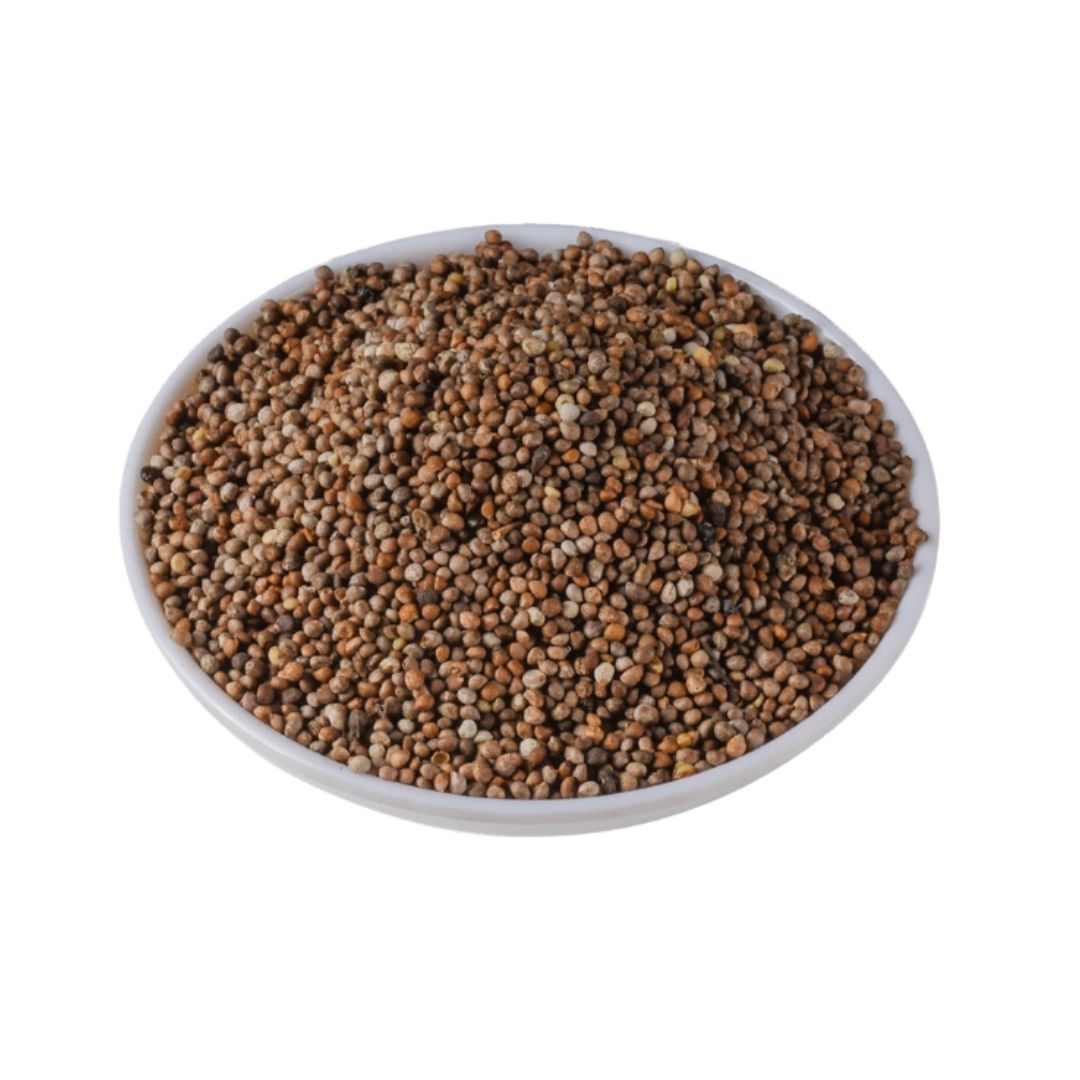
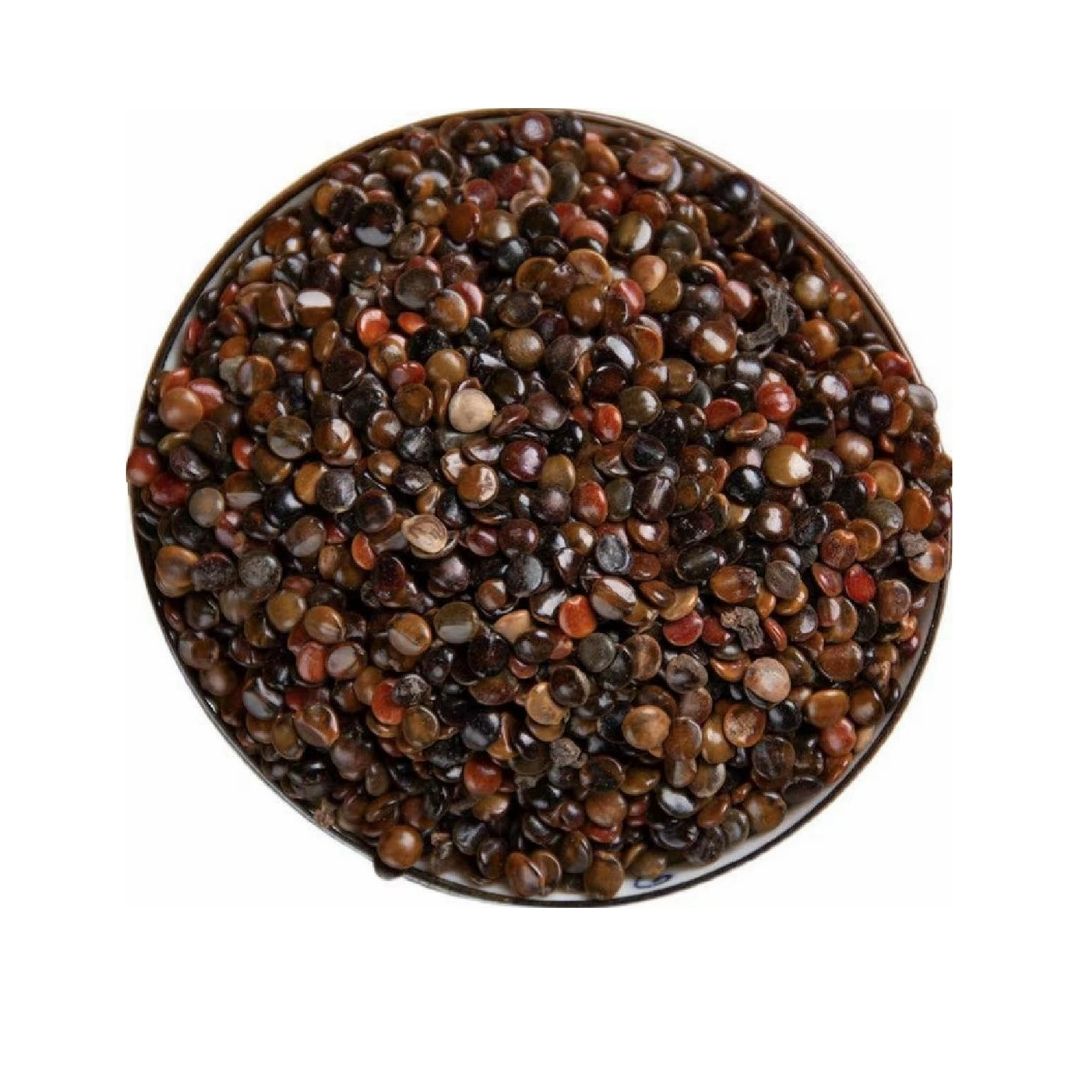
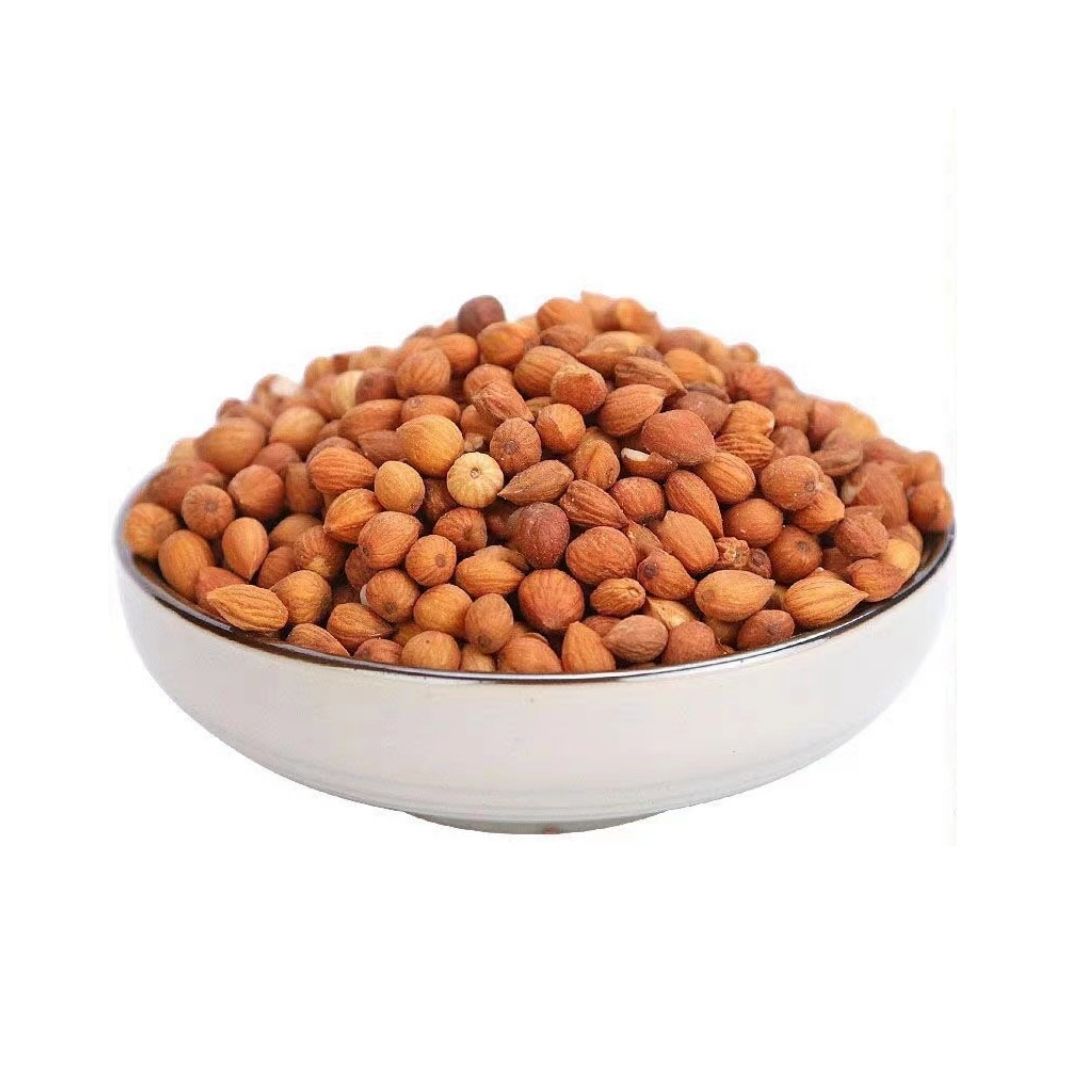
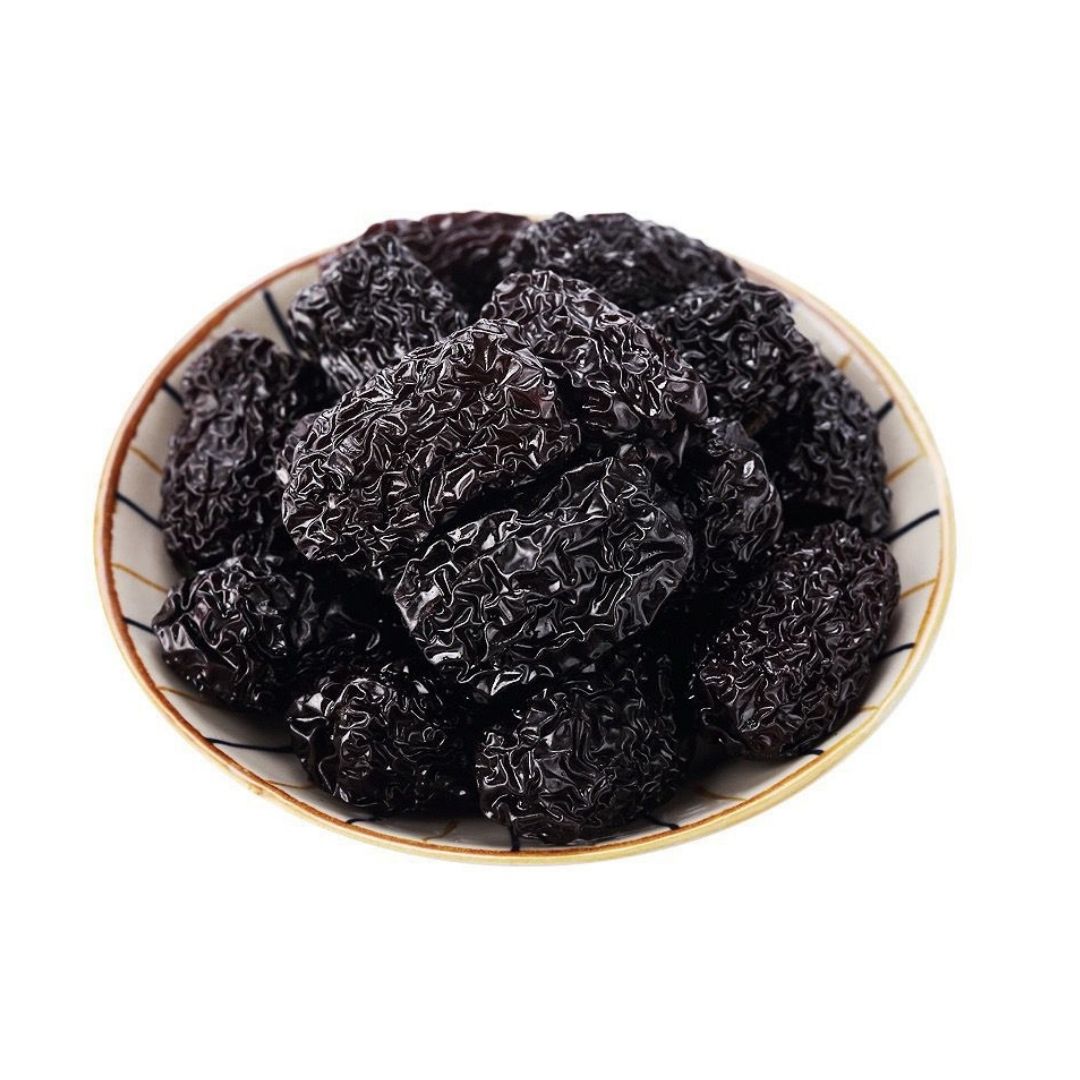
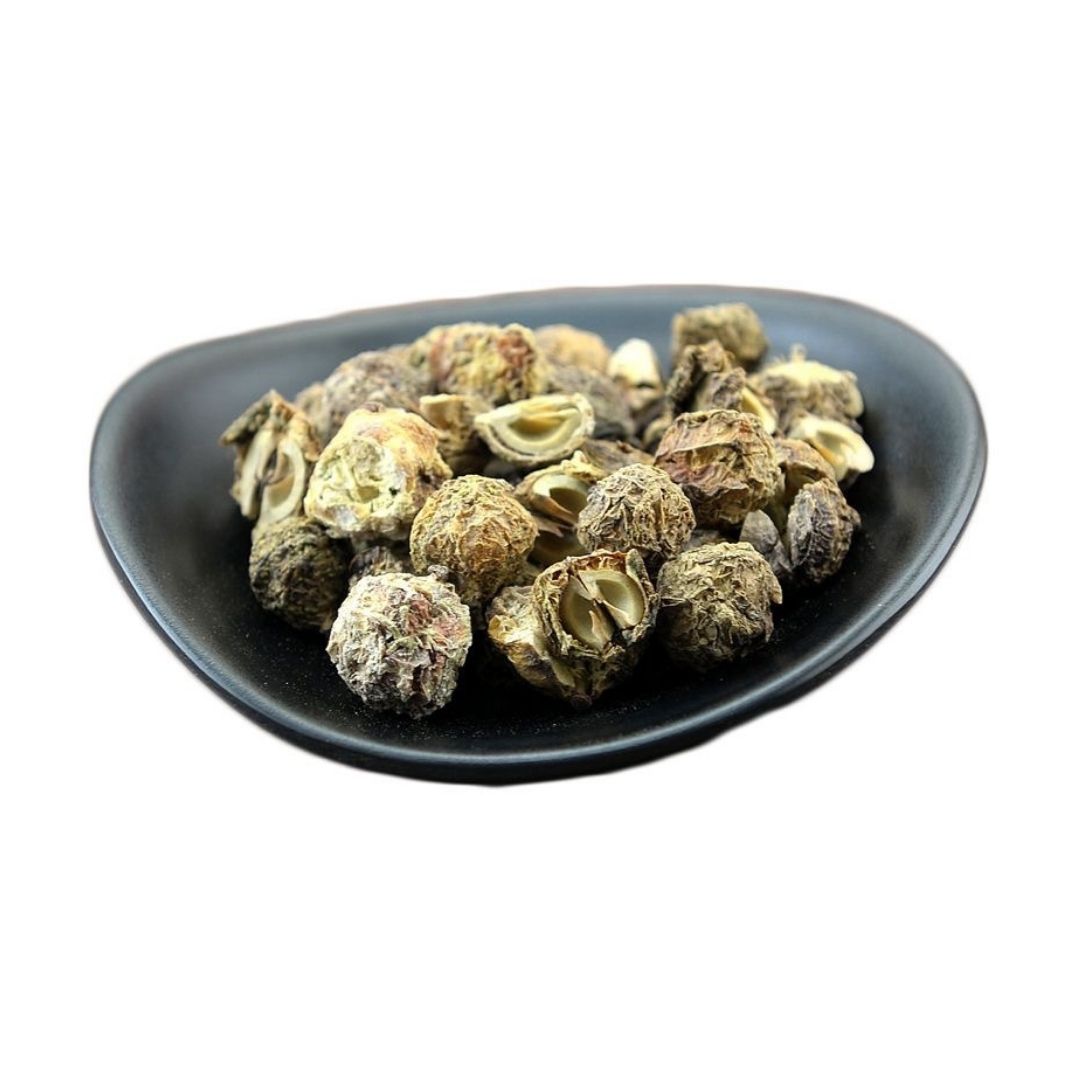
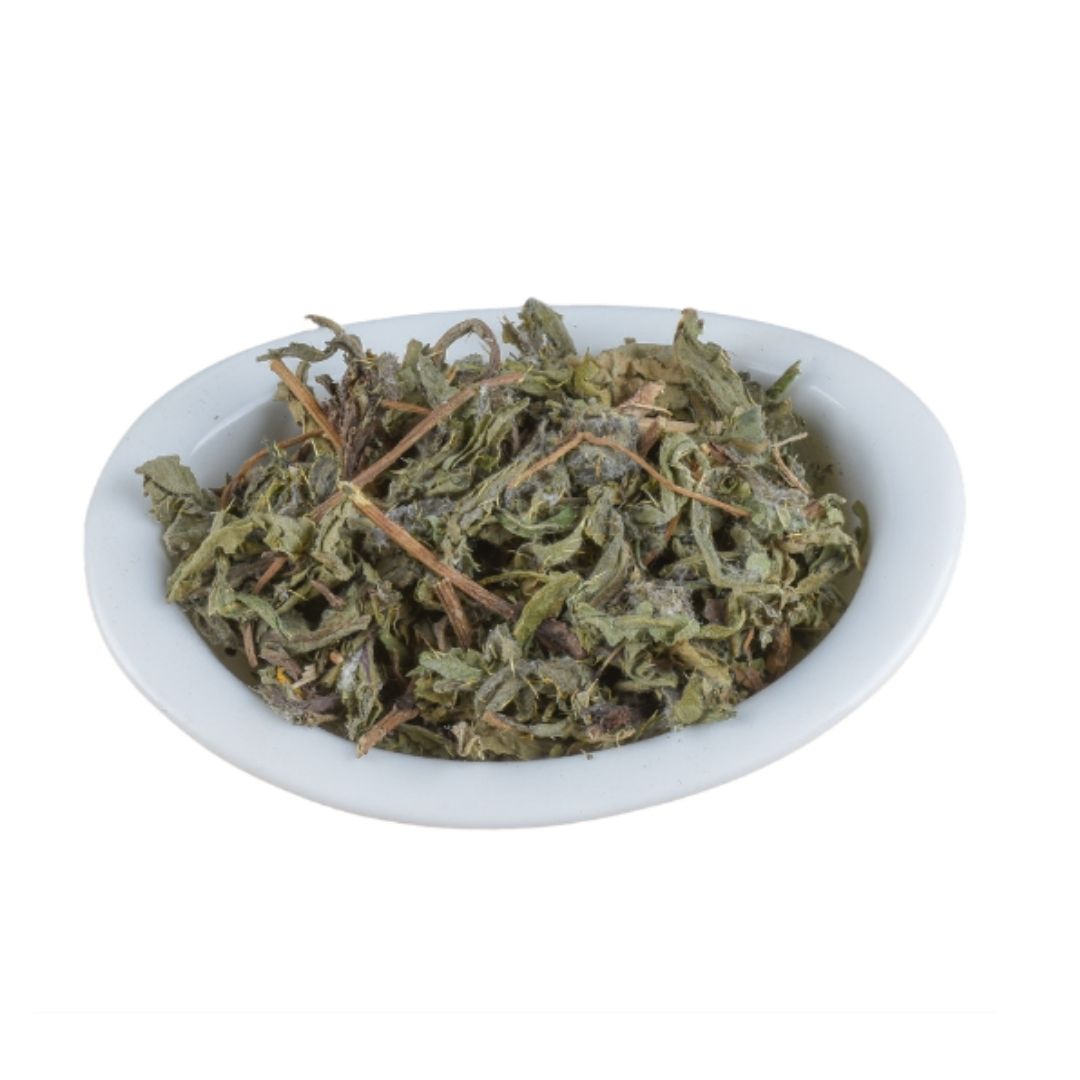
Cirsii Herba, known in traditional Chinese medicine as Da Ji, refers to the medicinal material derived from various Cirsium species, primarily focusing on the dried aerial parts or roots. This herb is valued for its hemostatic, anti-inflammatory, and blood-circulating properties in TCM. Its usage spans centuries, with applications documented in classical texts and modern clinical practice for treating bleeding disorders, skin infections, and certain cardiovascular conditions. It is important to differentiate between different species within the Cirsium genus, as their chemical compositions and therapeutic effects may vary, influencing their specific applications in herbal formulations.
Main Active Ingredients
The therapeutic effects of Cirsii Herba are attributed to its complex chemical composition. Flavonoids, such as cirsimaritin and pectolinarigenin, contribute to its antioxidant and anti-inflammatory activities [1]. Alkaloids present in Cirsium species may exert hemostatic effects, aiding in stopping bleeding [2]. Studies also indicate the presence of sterols and phenolic compounds that contribute to the overall pharmacological profile of the herb [3]. These compounds synergistically contribute to the herb's traditional uses, influencing its efficacy in treating various health conditions.
Product Application Scenarios, Usage, and Dosage
Cirsii Herba is traditionally used to address bleeding caused by trauma, internal organ disorders, or gynecological issues. It is often included in herbal formulas designed to stop bleeding, remove blood stasis, and alleviate pain [4]. The herb is also applied topically in some instances to treat skin infections and promote wound healing. The typical dosage of Cirsii Herba, when used in decoctions, ranges from 10 to 15 grams, depending on the specific condition and the individual patient's constitution [5]. The herb can be used alone or in combination with other herbs to enhance its therapeutic effects.
Introduction to the Source Plant, Distribution, and Growth Environment
Cirsium is a genus of flowering plants belonging to the Asteraceae family, encompassing numerous species distributed across various regions worldwide, including Asia, Europe, and North America [6]. These plants typically thrive in grasslands, meadows, and disturbed areas, exhibiting adaptability to diverse soil types and climatic conditions. In China, specific Cirsium species used to produce Cirsii Herba are found in provinces such as Heilongjiang, Jilin, and Liaoning [7]. The plants generally prefer sunny locations and well-drained soils for optimal growth.
Harvesting, Processing, and Storage
The harvesting of Cirsii Herba usually occurs during the summer and autumn seasons when the aerial parts or roots of the Cirsium plants are collected [8]. After harvesting, the plant material is cleaned to remove impurities, then dried either in the sun or using mechanical drying methods to reduce moisture content and prevent spoilage. The dried Cirsii Herba is typically cut into sections before being used in herbal preparations. Proper storage involves keeping the dried herb in a cool, dry place, protected from direct sunlight and moisture, to maintain its quality and efficacy over an extended period [9].
Citations:
- Chen, J. K., & Chen, T. T. (2004). Chinese Medical Herbology and Pharmacology. Art of Medicine Press.
- Bensky, D., Gamble, A., & Kaptchuk, T. (1993). Chinese Herbal Medicine: Materia Medica. Eastland Press.
- 中华人民共和国药典委员会. (2020). 中华人民共和国药典 [Pharmacopoeia of the People's Republic of China]. 中国医药科技出版社.
- Wiseman, N., & Ellis, A. (1996). Fundamentals of Chinese Medicine. Paradigm Publications.
- Yang, S. (2010). Chinese Herbal Medicines Comparisons and Characteristics. Churchill Livingstone.
- Flora of China Editorial Committee. (2011). Flora of China. Missouri Botanical Garden Press.
- State Administration of Traditional Chinese Medicine. (1999). Zhong Hua Ben Cao [Chinese Materia Medica]. Shanghai Science and Technology Press.
- Hsu, H. Y., et al. (1985). Oriental Materia Medica: A Concise Guide. Oriental Healing Arts Institute.
- Holmes, P. (1998). The Energetics of Western Herbs. Snow Lotus Press.
Mia Wu

Hi, I’m Mia Wu! I love helping customers discover the best natural ingredients for their products. With a passion for herbs, spices, and fungi, I work to make sure you get only the finest raw materials. Let's grow together! 🌱✨