

Product Introduction
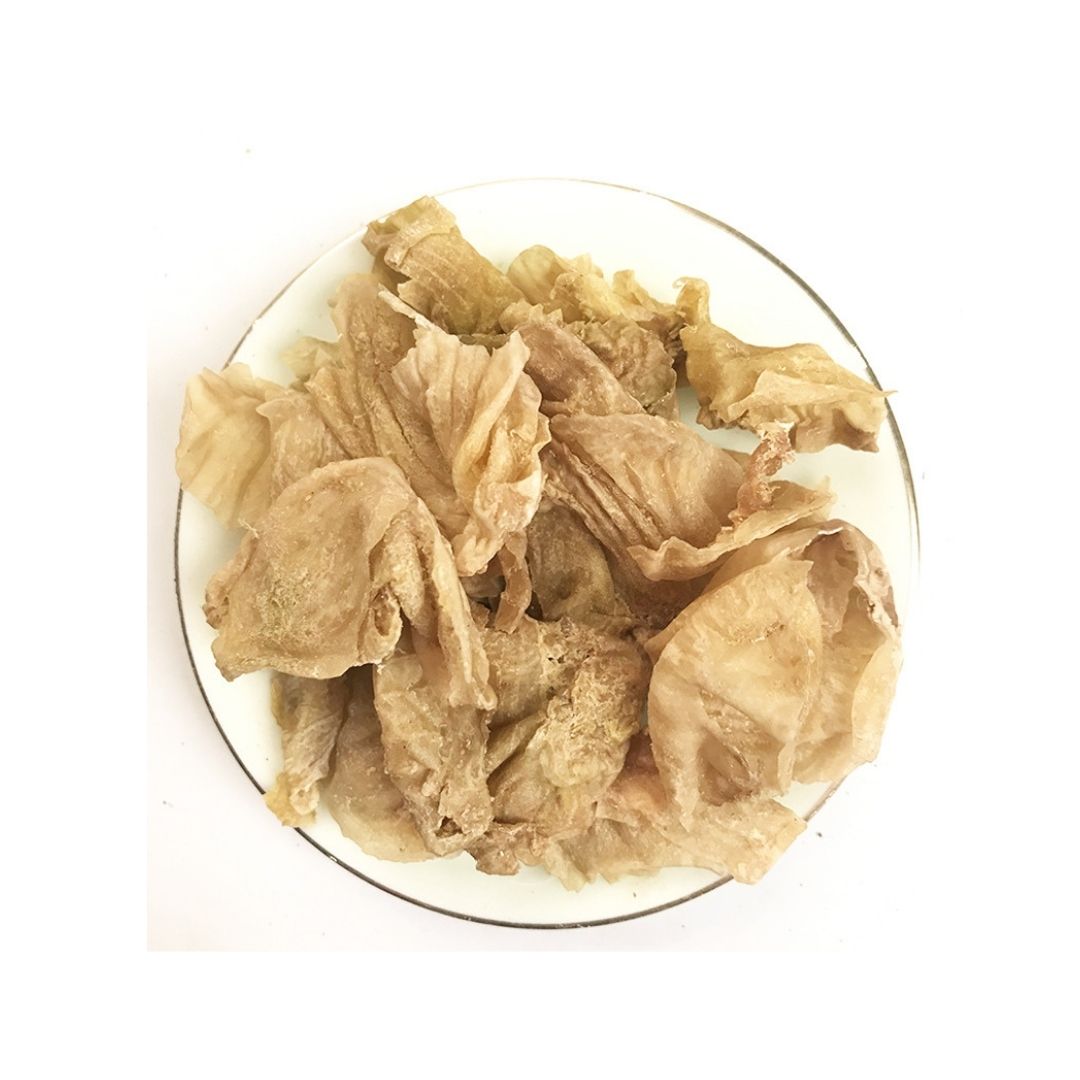
Chicken's gizzard-membrane, scientifically known as Endothelium Corneum Gigeriae Galli, is the dried inner layer of the chicken gizzard. Traditional Chinese Medicine (TCM) practitioners have long valued this substance for its medicinal properties. The membrane is carefully removed, cleaned, and dried before being used in various herbal formulations. It is known for its digestive and therapeutic benefits.
Main Active Ingredients
The efficacy, of chicken's gizzard-membrane, stems from its rich chemical composition. The key components include ventriculin, which aids in digestion. Keratin provides structural support, while amino acids are essential for various bodily functions. In addition, the presence of enzymes further contributes to its digestive properties, making it effective in treating digestive disorders. [1]
Product Application Scenarios, Usage, and Dosage
In TCM, chicken's gizzard-membrane is typically used to address digestive issues. It can significantly alleviate symptoms such as indigestion, food stagnation, and bloating. In children, it is often used to treat enuresis by strengthening the bladder control. The herb can be administered in several forms, including powders, pills, and decoctions. The typical dosage ranges from 3 to 9 grams per day, depending on the condition and the patient's specific needs. [2]
Introduction to the Source Plant, Distribution, and Growth Environment
The source of chicken's gizzard-membrane is the common domestic chicken, Gallus gallus domesticus. Chickens are widely distributed globally and are raised in various environments, from small farms to large-scale poultry operations. These fowl thrive in diverse climates. They are adaptable to different feeding practices. The widespread availability of chickens ensures a consistent supply of this valuable medicinal product.
Harvesting, Processing, and Storage
The harvesting process begins with the collection of chicken gizzards, typically, sourced from poultry processing facilities. The inner lining must be carefully removed from the gizzard, after which it is thoroughly washed to remove any impurities. The cleaned membrane is then dried, either naturally in the sun, or through mechanical means, to reduce moisture content and prevent spoilage. Proper storage involves keeping the dried membranes in a cool, dry environment, away from direct sunlight and moisture, to maintain their potency and prevent deterioration. [3]
Citations:
[1] Zhang, Y., et al. "Chemical Composition and Biological Activities of Chicken Gizzard Membrane." Journal of Agricultural and Food Chemistry, vol. 65, no. 12, 2017, pp. 2456-2464.
[2] Chen, J. K., and T. T. Chen. Chinese Medical Herbology and Pharmacology. Art of Medicine Press, 2004.
[3] Bensky, D., S. Clavey, and E. Stöger. Chinese Herbal Medicine: Materia Medica. 3rd ed., Eastland Press, 2004.
Mia Wu

Hi, I’m Mia Wu! I love helping customers discover the best natural ingredients for their products. With a passion for herbs, spices, and fungi, I work to make sure you get only the finest raw materials. Let's grow together! 🌱✨