

Product Introduction
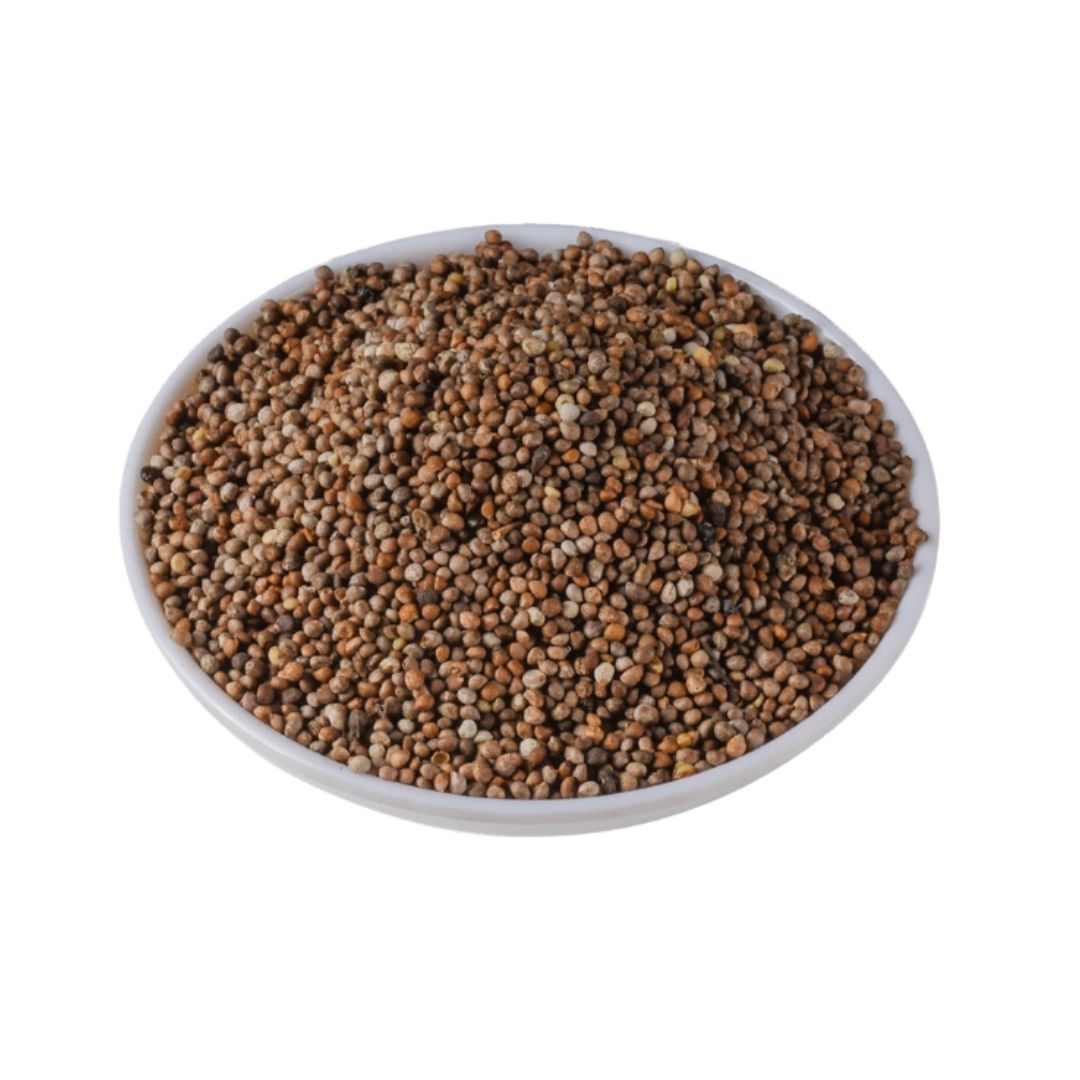
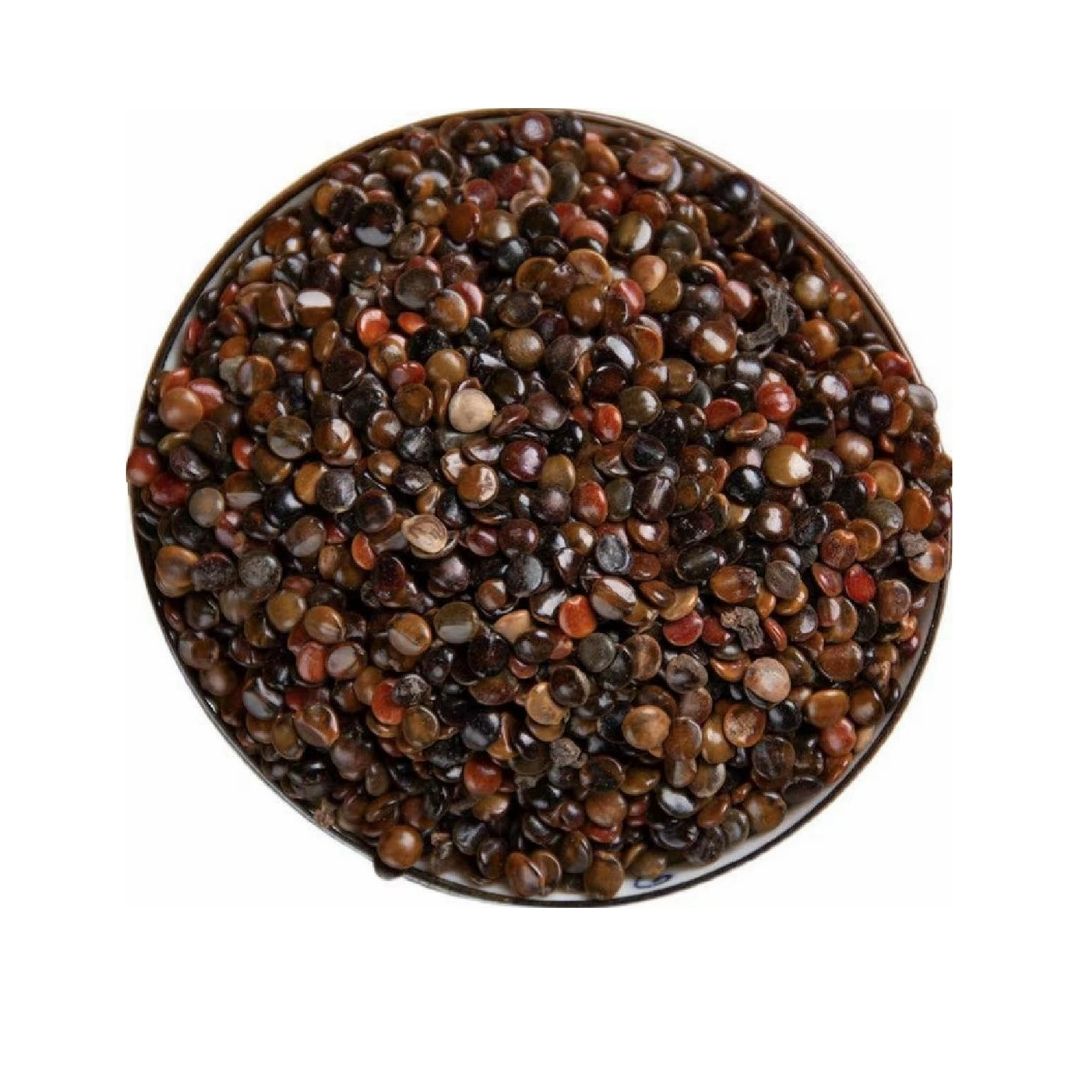
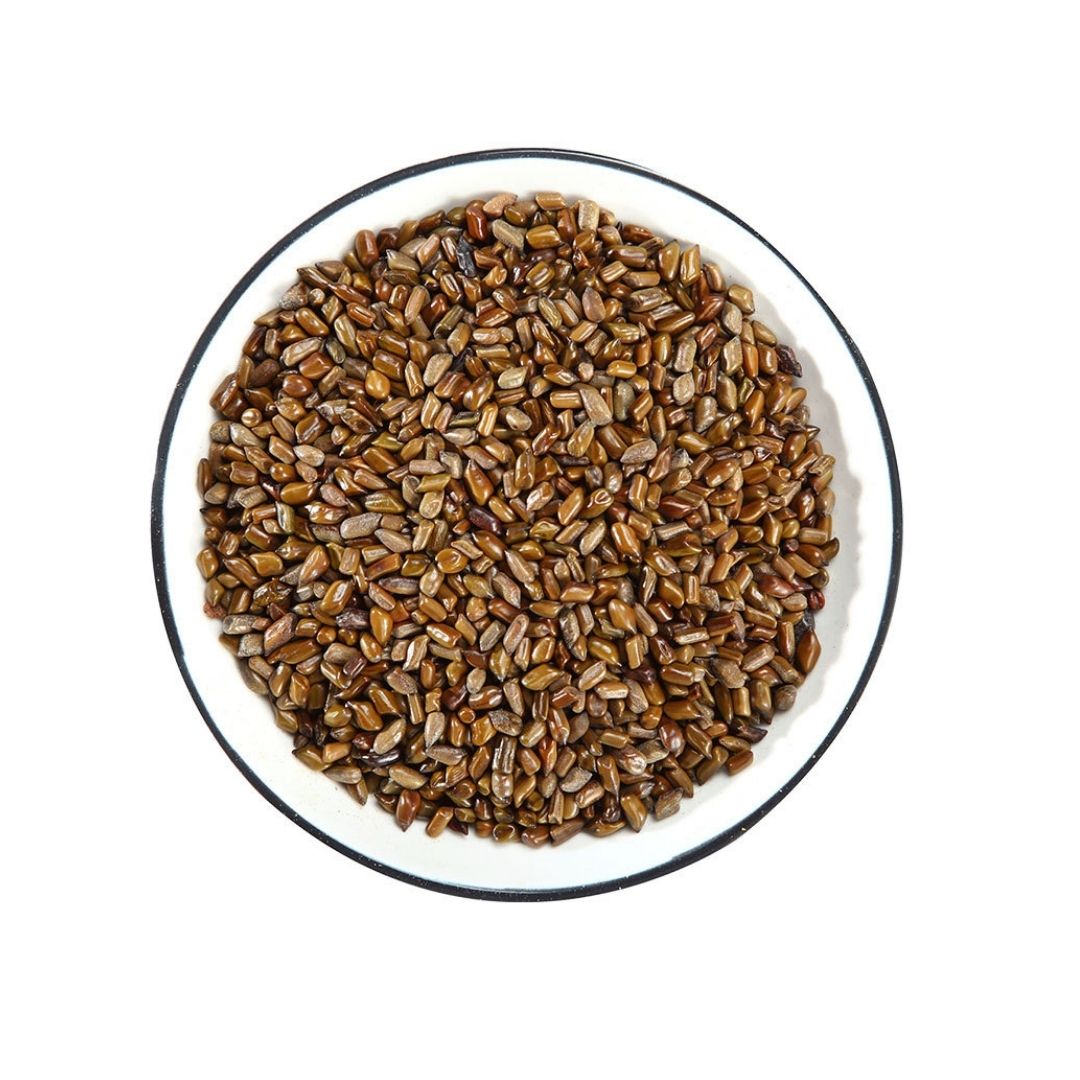
Cassia seed refers to the dried, mature seeds of Cassia obtusifolia L. or Cassia tora L., belonging to the Leguminosae family. This herb is commonly used in traditional Chinese medicine for its various health benefits. The seeds are harvested in the fall when the fruits are ripe. After harvesting, the seeds are dried and processed for medicinal use.
Main Active Ingredients
The primary active ingredients in cassia seed include anthraquinones, such as emodin and rhein, which contribute to its laxative effects. Naphthopyrones, including cassiaside, are also present. Additionally, the seeds contain polysaccharides, which may have immune-modulating properties. These components work synergistically to provide the therapeutic effects associated with cassia seed.
Product Application Scenarios, Usage, and Dosage
Cassia seed is utilized in various applications for its health-promoting properties. It is commonly used to address vision problems, such as blurred vision and dry eyes, due to its purported ability to clear heat and nourish the eyes. The laxative properties of cassia seed make it useful for alleviating constipation by promoting bowel movements. It has also been explored for its potential to lower blood pressure, although further research is needed.
Typically, cassia seed is prepared as a tea or decoction. The standard dosage ranges from 9 to 15 grams per day. It can also be consumed as a dietary supplement in capsule or powder form. Consult with a healthcare professional to determine the appropriate dosage and usage for individual health needs.
Introduction to the Source Plant, Distribution, and Growth Environment
Cassia obtusifolia and Cassia tora are annual herbaceous plants that thrive in warm, humid environments. These plants are widely distributed throughout tropical and subtropical regions of Asia, Africa, and the Americas. They prefer well-drained soils and sunny locations. In China, these plants are cultivated in various provinces, including Guangdong, Guangxi, Sichuan, and Yunnan.
Harvesting, Processing, and Storage
The seeds are typically collected in the fall when the fruits have fully matured and dried. Harvesting involves cutting the plants and collecting the seed pods. The seeds are then separated from the pods, cleaned, and dried, usually under the sun or using mechanical dryers. Proper drying is essential to prevent mold growth and maintain the quality of the seeds.
To maintain the quality and efficacy of cassia seed, it should be stored in a cool, dry, and well-ventilated place, away from direct sunlight and moisture. The seeds should be kept in airtight containers to prevent oxidation and degradation. Properly stored cassia seed can retain its medicinal properties for up to two years.
Citations
- https://www.sciencedirect.com/topics/pharmacology-toxicology-and-pharmaceutical-science/cassia-seed
- Pharmacopoeia of the People's Republic of China. 2020 Edition.
- https://www.shen-nong.com/eng/herbal/juemingzi.html
Mia Wu

Hi, I’m Mia Wu! I love helping customers discover the best natural ingredients for their products. With a passion for herbs, spices, and fungi, I work to make sure you get only the finest raw materials. Let's grow together! 🌱✨