

Product Introduction
Caraway seed, scientifically known as Carum carvi, is the dried fruit of the caraway plant, belonging to the Apiaceae family. Native to Europe and Western Asia, caraway has been used for centuries as both a spice and in traditional medicine. The plant is a biennial, typically growing to a height of 40–60 cm, with finely divided, feathery leaves and umbels of small white or pink flowers [1].
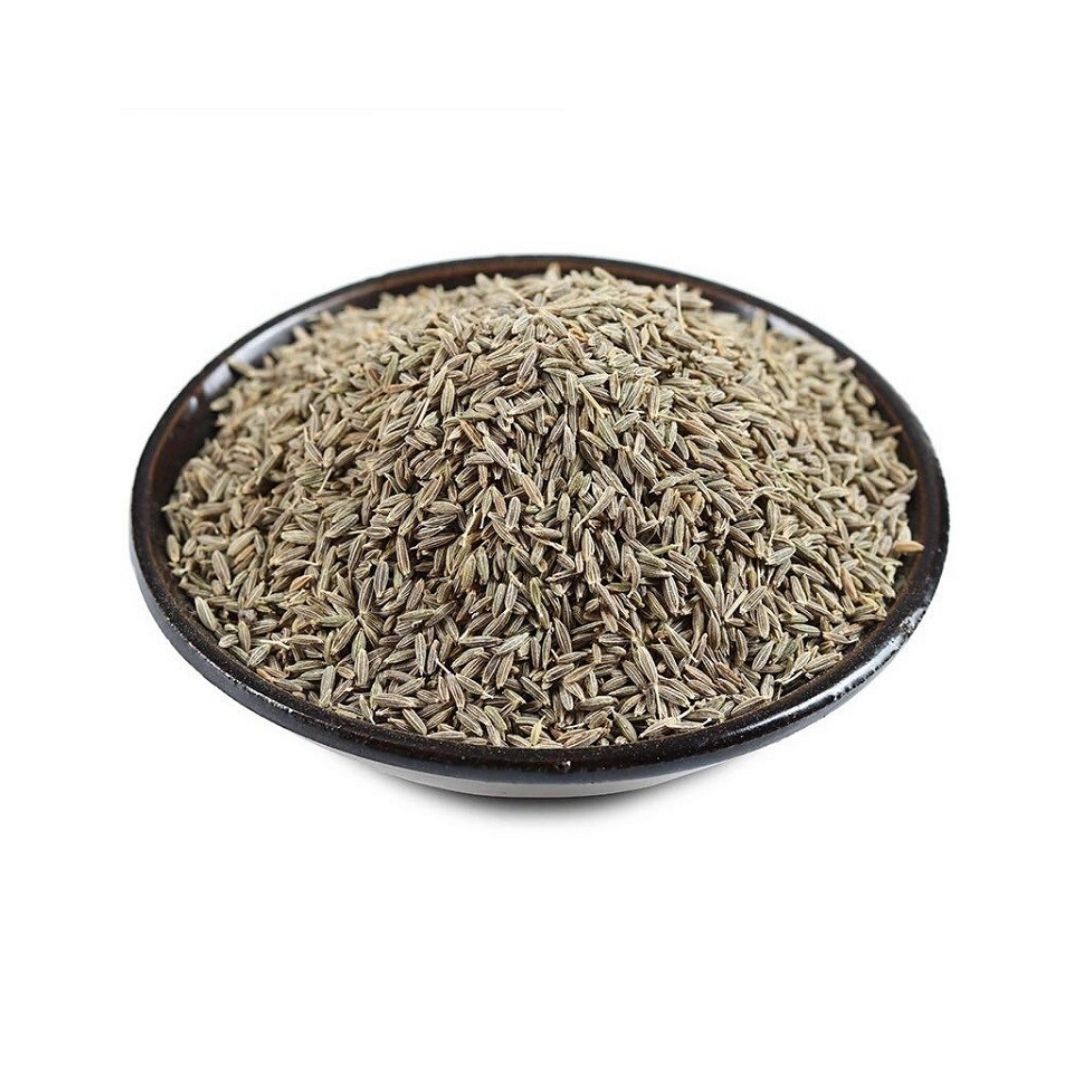
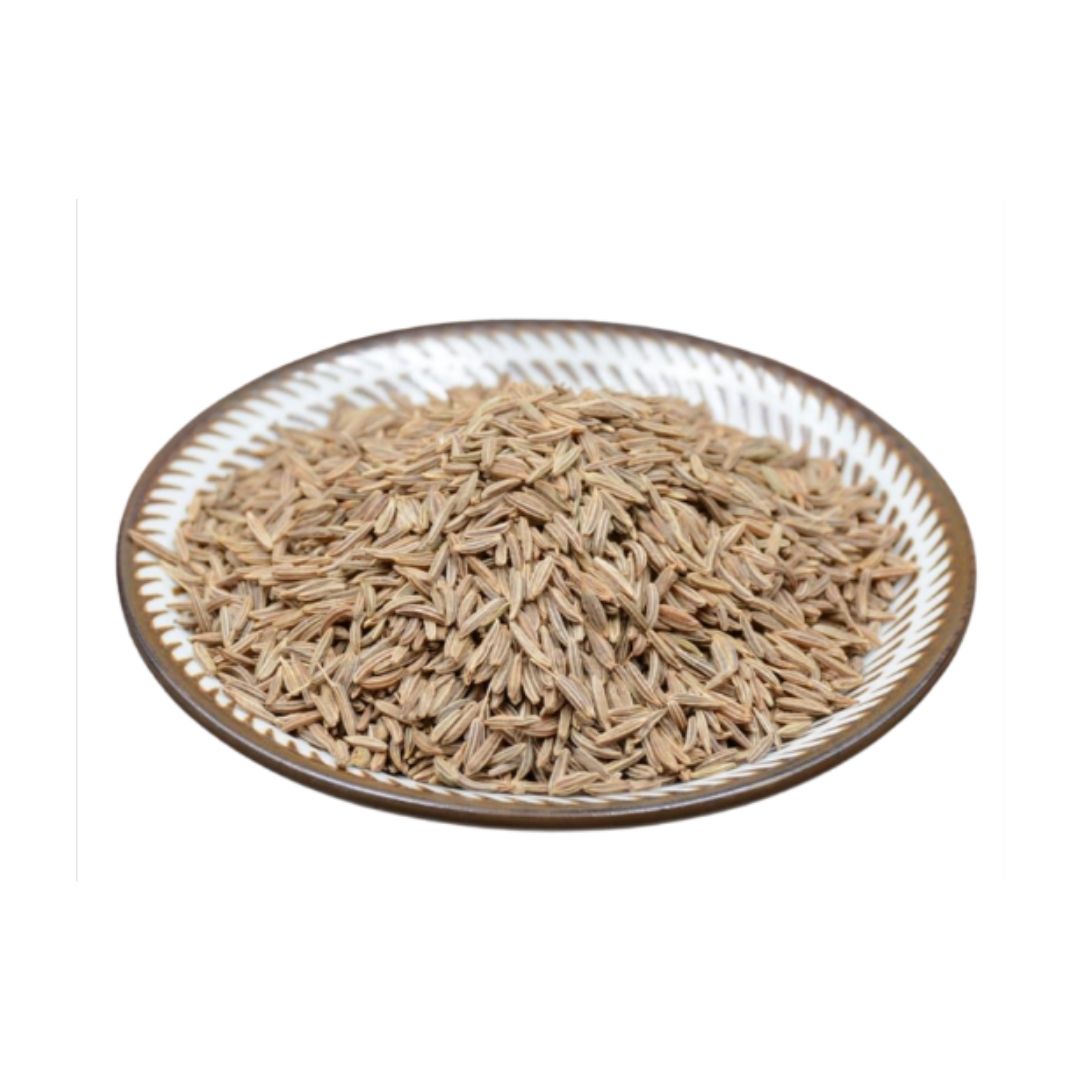
The caraway seed, despite its name, is actually a fruit, known as an achene. It is crescent-shaped, brown in color, and has a distinctive, pungent aroma. This aroma is primarily due to the presence of volatile oils, with carvone and limonene being the most abundant [2]. These compounds contribute to caraway's characteristic flavor, which is often described as a combination of anise, fennel, and citrus notes.
Caraway seeds are widely used in culinary applications, particularly in European cuisines. They are commonly added to breads, especially rye bread, as well as cheeses, meats, and stews. In traditional medicine, caraway has been used to aid digestion, relieve bloating, and as an expectorant [3]. The seeds are also used in the production of certain alcoholic beverages and liqueurs. Due to its versatility and unique flavor profile, caraway remains a popular and valued spice around the world.
Aromatic Chemical Composition
The aromatic profile of caraway seed is characterized by a complex mixture of volatile organic compounds. The main components include:
- Carvone: This is the most abundant compound, typically comprising 50–85% of the volatile oil. Carvone is responsible for the primary aroma of caraway, providing a sweet, minty, and slightly sharp note [4].
- Limonene: Another significant component, limonene contributes a citrusy, fresh, and slightly sweet aroma. It usually makes up 20–45% of the oil [4].
- Other Terpenoids: These include compounds like carveol, dihydrocarvone, and α-pinene, which add subtle nuances to the overall aroma [5].
What Types of Products Are Available?
Caraway seed is available in several forms to suit various culinary and industrial applications:
- Whole Caraway Seeds: These are the intact, dried fruits of the caraway plant. Whole seeds are ideal for recipes where a slow release of flavor is desired, such as in long-simmering stews or when baking bread.
- Ground Caraway: Ground caraway is produced by milling whole caraway seeds into a fine powder. This form is useful when a more uniform distribution of flavor is required.
- Caraway Oil: Extracted from the seeds through steam distillation, caraway oil is a concentrated source of flavor and aroma. It is used in the food industry, as well as in aromatherapy.
- Caraway Extract: This is a water or alcohol-based solution that captures the flavor compounds of caraway. It is used in flavoring beverages, sauces, and other liquid-based products.
Application Scenarios and Usage Dosage
Caraway seeds are versatile and can be incorporated into numerous culinary creations. The seeds are particularly favored in European cuisines, where their distinctive flavor enhances a wide array of dishes.
- Baking: One of the most common uses of caraway is in baking, especially in rye bread and other hearty loaves. The seeds add a warm, slightly spicy flavor that complements the earthy notes of the grains. Dosage typically ranges from 1 to 2 tablespoons per loaf of bread [6]. Caraway seeds can also be added to crackers and biscuits for an extra layer of flavor.
- Cheese Making: Caraway is a traditional addition to various types of cheeses, such as Havarti and Tilsit. The seeds are mixed into the cheese curds during the cheese-making process, imparting their characteristic flavor throughout the final product. The amount used varies depending on the type of cheese, but generally, 1 to 2 teaspoons per pound of cheese is sufficient [7].
- Meat Dishes: Caraway seeds pair well with meats, especially pork, sausages, and beef. They can be used as a rub for roasts, added to ground meat mixtures, or sprinkled over stews and casseroles. A typical dosage for meat dishes is 1 to 2 teaspoons per pound of meat [8]. In German and Eastern European cuisines, caraway is often used in braised dishes, such as sauerkraut and goulash.
- Vegetable Dishes: Caraway seeds can enhance the flavor of various vegetable dishes, particularly cabbage, potatoes, and root vegetables. They can be added to roasted vegetables, mashed potatoes, or coleslaw. For example, adding a teaspoon of caraway seeds to a head of shredded cabbage can provide a flavorful twist to a simple side dish [9].
- Sauces and Condiments: Caraway seeds can be ground and added to sauces, dressings, and condiments to provide a unique flavor. They can be incorporated into vinaigrettes for salads or used to season dips and spreads. A pinch of ground caraway can be added to a batch of homemade mustard for an extra layer of complexity [10].
- Beverages: Caraway is used in the production of certain alcoholic beverages, such as kümmel, a traditional German liqueur. The seeds are steeped in alcohol to extract their flavor, resulting in a distinctive, aromatic spirit. Caraway seeds are also used in some herbal teas for their digestive properties.
Introduction to the Source Plant, Distribution, and Growing Environment
The caraway plant, Carum carvi, is a biennial herb native to Europe and Western Asia. It belongs to the Apiaceae family, which includes other well-known spices and herbs such as parsley, dill, and cumin. The plant typically grows to a height of 40–60 cm, featuring finely divided, feathery leaves and umbels of small white or pink flowers [11].
Caraway thrives in temperate climates with well-drained soil and plenty of sunlight. It is commercially cultivated in various regions, including Central and Eastern Europe, North Africa, and parts of Asia. Major caraway-producing countries include the Netherlands, Poland, Egypt, and Canada [12].
The plant's life cycle spans two years. In the first year, it develops a rosette of leaves and a strong root system. During the second year, it produces flowering stems, followed by the development of the caraway seeds. The seeds are harvested in late summer or early autumn, once they have ripened and turned brown [13].
Harvesting, Processing, and Storage Preservation
Caraway seeds are typically harvested when the plants are fully mature, usually in the second year of growth. The plants are cut and allowed to dry in the field before the seeds are threshed. Threshing involves separating the seeds from the rest of the plant material [14].
After harvesting, the caraway seeds are cleaned to remove any remaining plant debris, dust, or other impurities. This is usually done through a combination of sieving, winnowing, and air separation techniques. The cleaned seeds are then dried to reduce their moisture content, which helps to prevent spoilage and maintain their quality [15].
Proper storage is essential for preserving the flavor and aroma of caraway seeds. The seeds should be stored in a cool, dry, and dark place, away from direct sunlight and heat. An airtight container is recommended to protect the seeds from moisture and air exposure, which can cause them to lose their potency over time [16]. When stored properly, caraway seeds can maintain their quality for up to two to three years.
Citations
[1] USDA, Agricultural Research Service, National Plant Germplasm System. 2024. Germplasm Resources Information Network (GRIN-Taxonomy). National Germplasm Resources Laboratory, Beltsville, Maryland. https://npgsweb.ARS-GRIN.gov/taxonomydetail.aspx?id=9179
[2] Lawrence, B. M. (1995). Progress in essential oils. Perfumer & Flavorist, 20(5), 53-64.
[3] Bone, K., & Mills, S. (2013). Principles and practice of phytotherapy. Elsevier Health Sciences.
[4] Leung, A. Y., & Foster, S. (1996). Encyclopedia of common natural ingredients used in food, drugs, and cosmetics. John Wiley & Sons.
[5] de Sousa, D. P. (2011). Isomeric composition of carvone and limonene in essential oils. Chemistry Central Journal, 5(1), 1-9.
[6] Hamelman, J. (2004). Bread: A baker's book of techniques and recipes. John Wiley & Sons.
[7] Fox, P. F., Law, J., Dykes, G. A., & Law, B. A. (Eds.). (2017). Cheese: Chemistry, physics and microbiology. Springer.
[8] McGee, H. (2004). On food and cooking: The science and lore of the kitchen. Scribner.
[9] Hertzmann, M. (2014). Ratio: The simple codes behind the craft of everyday cooking. Chronicle Books.
[10] McGee, H. (2004). On food and cooking: The science and lore of the kitchen. Scribner.
[11] Blamey, M., & Grey-Wilson, C. (2013). The illustrated flora of Britain and Northern Europe. Bloomsbury Publishing.
[12] Faostat. (2022). Food and Agriculture Organization of the United Nations. http://www.fao.org/faostat/en/#data
[13] Simon, J. E., Chadwick, A. F., & Craker, L. E. (1984). Herbs: An indexed bibliography, 1971-1980. Archon Books.
[14] Weiss, E. A. (2002). Oilseed crops. Blackwell Science.
[15] Fellows, P. J. (2009). Food processing technology: Principles and practice. Woodhead Publishing.
[16] Ternes, W., Täufel, A., Tunger, L., Zobel, M., & Grosch, W. (2018). Food chemistry. Behr's Verlag.
Mia Wu

Hi, I’m Mia Wu! I love helping customers discover the best natural ingredients for their products. With a passion for herbs, spices, and fungi, I work to make sure you get only the finest raw materials. Let's grow together! 🌱✨