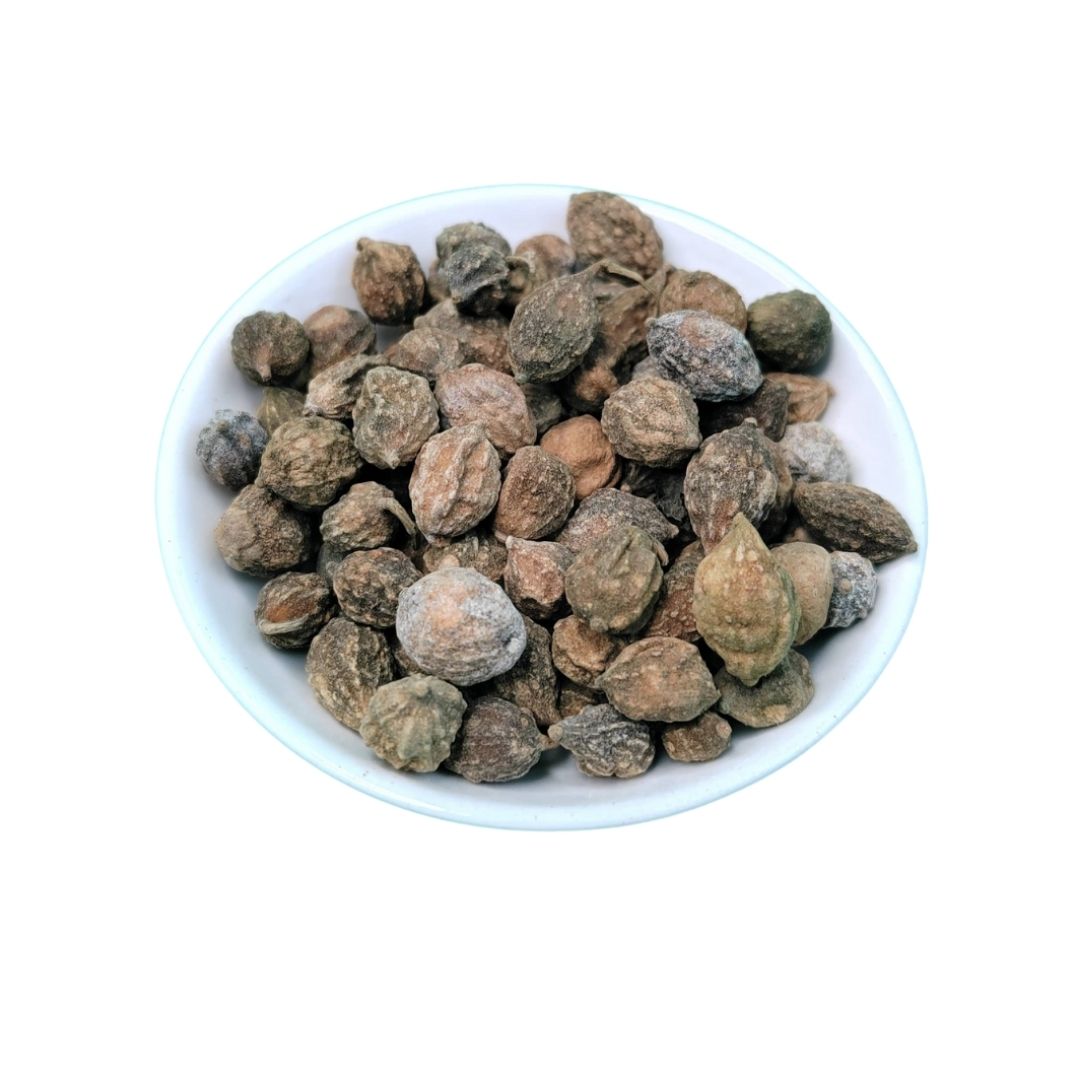


Product Introduction
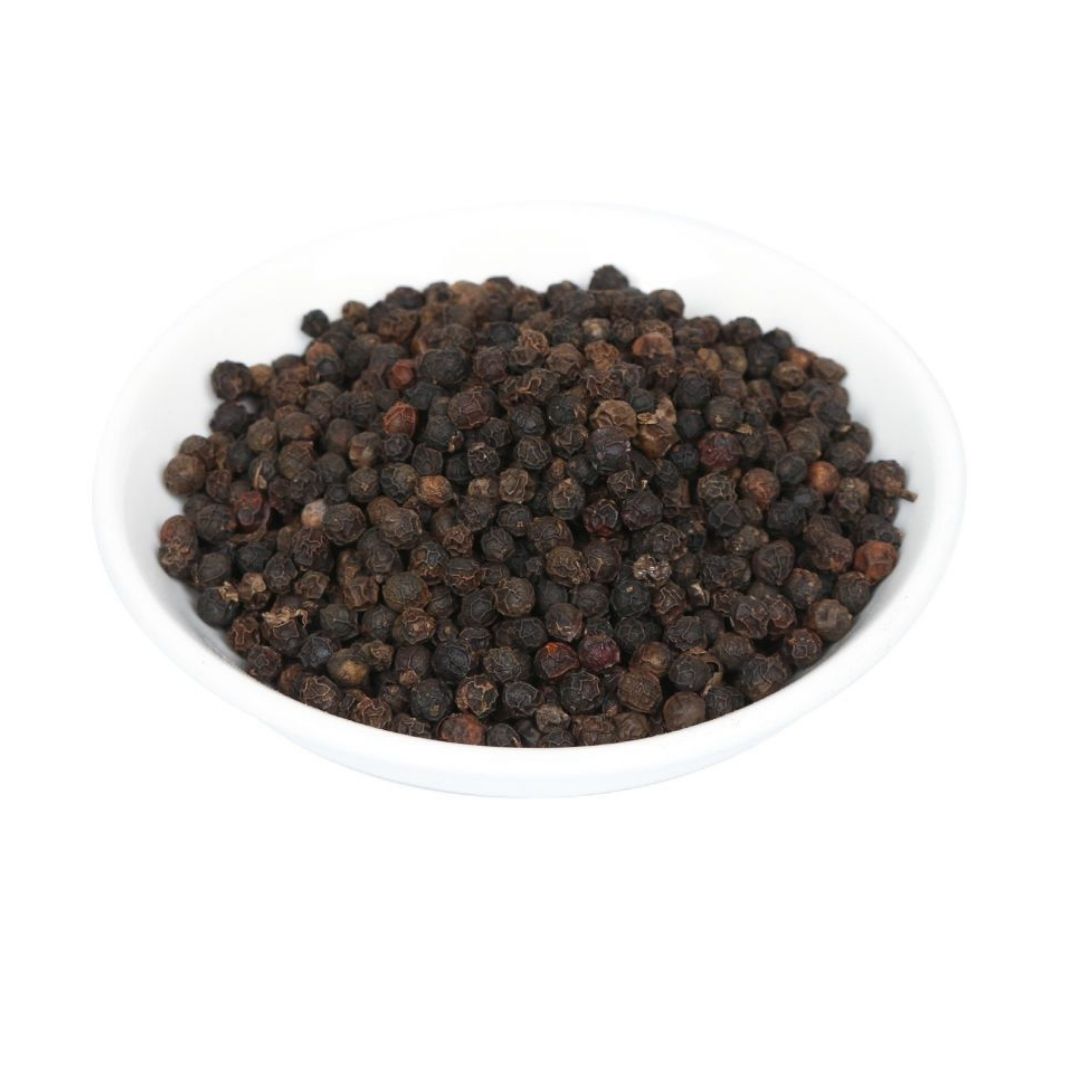
Black pepper, derived from the fruit of the Piper nigrum plant, is one of the most widely used spices in the world. Native to South India, black pepper has been traded for centuries and is now cultivated in many tropical regions. The spice consists of dried peppercorns, which are the berries of the pepper plant. These peppercorns are harvested at different stages of ripeness and processed to yield black, white, and green pepper.
The characteristic pungency of black pepper is mainly due to the presence of piperine, an alkaloid compound. Black pepper also contains essential oils, contributing to its complex aroma. These oils include monoterpenes and sesquiterpenes, which provide the spice's distinctive fragrance.
In culinary applications, black pepper is used to season a wide variety of dishes, including meats, vegetables, sauces, and soups. It is often ground just before use to maximize its flavor and aroma. Beyond its culinary uses, black pepper has also been used in traditional medicine for its potential health benefits, including anti-inflammatory and antioxidant properties. Black pepper is also known to enhance the bioavailability of certain nutrients, such as curcumin in turmeric.
The global demand for black pepper remains high, driven by its versatility and widespread use in both home kitchens and the food industry. Proper storage in a cool, dry, and dark place is essential to maintain the quality and potency of black pepper.
Aromatic Chemical Composition
The aromatic profile of black pepper is complex, with several key chemical compounds contributing to its distinctive scent. Piperine, while primarily responsible for the pungency, also contributes to the overall aroma. Essential oils present in black pepper include:
- Monoterpenes: Such as limonene, pinene, and sabinene, which provide fresh, citrusy, and woody notes.
- Sesquiterpenes: Such as caryophyllene, which contributes spicy and woody undertones.
These compounds interact to create the characteristic warm, spicy, and slightly fruity aroma of black pepper. The specific composition can vary based on the origin and processing methods of the peppercorns.
What Types of Products Are Available?
Black pepper is available in several forms, each with its unique characteristics:
- Whole Black Peppercorns: These are the dried, whole fruits of the Piper nigrum plant. They offer the freshest flavor when ground just before use.
- Ground Black Pepper: Convenient for immediate use, ground black pepper should be stored properly to prevent loss of flavor and aroma.
- White Pepper: Produced from fully ripened peppercorns with the outer skin removed, white pepper has a milder flavor and a smoother texture.
- Green Peppercorns: These are unripe peppercorns that are either freeze-dried or pickled. They have a fresh, slightly tangy flavor.
- Black Pepper Oil: Extracted from black peppercorns through steam distillation, black pepper oil is used for flavoring and in aromatherapy.
Application Scenarios and Usage Dosage
Black pepper is a versatile spice with a wide range of culinary applications. It is used to enhance the flavor of various dishes, from savory to sweet. The usage methods and dosages vary depending on the type of dish and the desired level of spiciness.
- Soups and Stews: Ground black pepper is often added to soups and stews to provide warmth and depth of flavor. A typical dosage is ½ to 1 teaspoon per 4-6 servings, adjusted to taste.
- Meat and Poultry: Black pepper is a common ingredient in marinades and rubs for meat and poultry. It can be used whole or ground, depending on the desired texture. For a dry rub, a ratio of 1-2 tablespoons of ground black pepper per pound of meat is common.
- Vegetables: Sprinkling freshly ground black pepper over cooked or roasted vegetables can enhance their natural flavors. A light dusting is usually sufficient, about ¼ to ½ teaspoon per pound of vegetables.
- Sauces and Dressings: Black pepper is used in various sauces, from creamy white sauces to tangy vinaigrettes. The dosage depends on the sauce's intensity, typically ranging from ¼ to ½ teaspoon per cup of sauce.
- Egg Dishes: A dash of black pepper is a classic addition to scrambled eggs, omelets, and frittatas. A small amount, around ⅛ to ¼ teaspoon per serving, is usually sufficient.
- Baked Goods: While less common, black pepper can add a unique twist to certain baked goods, such as spice cakes and gingerbread. A small amount, such as ¼ to ½ teaspoon per batch, can provide a subtle warmth and complexity.
- Global Cuisines: Black pepper is a staple in many cuisines worldwide. For example, in Indian cuisine, it is used in spice blends like garam masala. In European cuisine, it is often paired with herbs in classic sauces. The dosage varies depending on the specific recipe.
In addition to culinary uses, black pepper is also used in the food industry as a preservative and flavoring agent. It can help to inhibit the growth of bacteria and extend the shelf life of certain products.
Introduction to the Source Plant, Distribution, and Growing Environment
The Piper nigrum plant is a perennial vine native to the tropical regions of South India. It belongs to the Piperaceae family and is cultivated for its fruit, which is dried and used as black pepper. The plant thrives in warm, humid climates with well-drained soil.
- Distribution: While native to South India, Piper nigrum is now cultivated in many tropical regions, including Vietnam, Indonesia, Brazil, and Sri Lanka. Vietnam is currently the world's largest producer and exporter of black pepper.
- Growing Environment: The plant requires a warm, humid climate with consistent rainfall. It grows best in temperatures between 20°C and 35°C (68°F and 95°F). The soil should be well-drained and rich in organic matter. Pepper vines are typically grown on supports such as trees or poles, as they need something to climb on.
Harvesting, Processing, and Storage Preservation
The harvesting and processing of black pepper are critical steps that influence the quality and flavor of the final product. Proper storage is essential to maintain its quality and prevent spoilage.
- Harvesting: Black peppercorns are typically harvested when they are still green but have begun to turn slightly yellow or red. The berries are hand-picked from the pepper vines.
- Processing:
- Drying: After harvesting, the peppercorns are spread out in the sun to dry for several days. During this process, the berries shrink and darken, developing the characteristic wrinkled appearance of black pepper.
- Threshing: Once dried, the peppercorns are threshed to remove them from the stems.
- Cleaning: The peppercorns are then cleaned to remove any remaining debris.
- White Pepper Production: To produce white pepper, the fully ripe red berries are soaked in water to ferment and remove the outer skin. The remaining core is then dried.
- Green Peppercorn Production: Green peppercorns are either freeze-dried or pickled in brine or vinegar to preserve their color and flavor.
- Storage Preservation:
- Airtight Containers: Black pepper should be stored in airtight containers to protect it from moisture and air, which can degrade its flavor and aroma.
- Cool, Dry, and Dark Place: The storage area should be cool (ideally below 20°C or 68°F), dry, and dark to prevent the loss of essential oils and the development of off-flavors.
- Whole vs. Ground: Whole black peppercorns retain their flavor longer than ground pepper. It is best to grind the peppercorns just before use to maximize their flavor.
- Avoid Contamination: Ensure that the storage containers are clean and free from any contaminants that could affect the quality of the pepper.
Citations
- De Sousa, J. M., et al. "Chemical Composition and Bioactivity of Essential Oils from Piper Species." Molecules 22.2 (2017): 302.
- Peter, K. V. Handbook of Herbs and Spices. 2nd ed., vol. 1, Woodhead Publishing, 2012.
- Raghavan, S. "Handbook of Spices, Seasonings, and Flavorings." 2nd ed, CRC Press, 2007.
- Zachariah, T. J. "Black Pepper: Botany, Production, and Uses." CABI, 2008.
Mia Wu

Hi, I’m Mia Wu! I love helping customers discover the best natural ingredients for their products. With a passion for herbs, spices, and fungi, I work to make sure you get only the finest raw materials. Let's grow together! 🌱✨