

Product Introduction
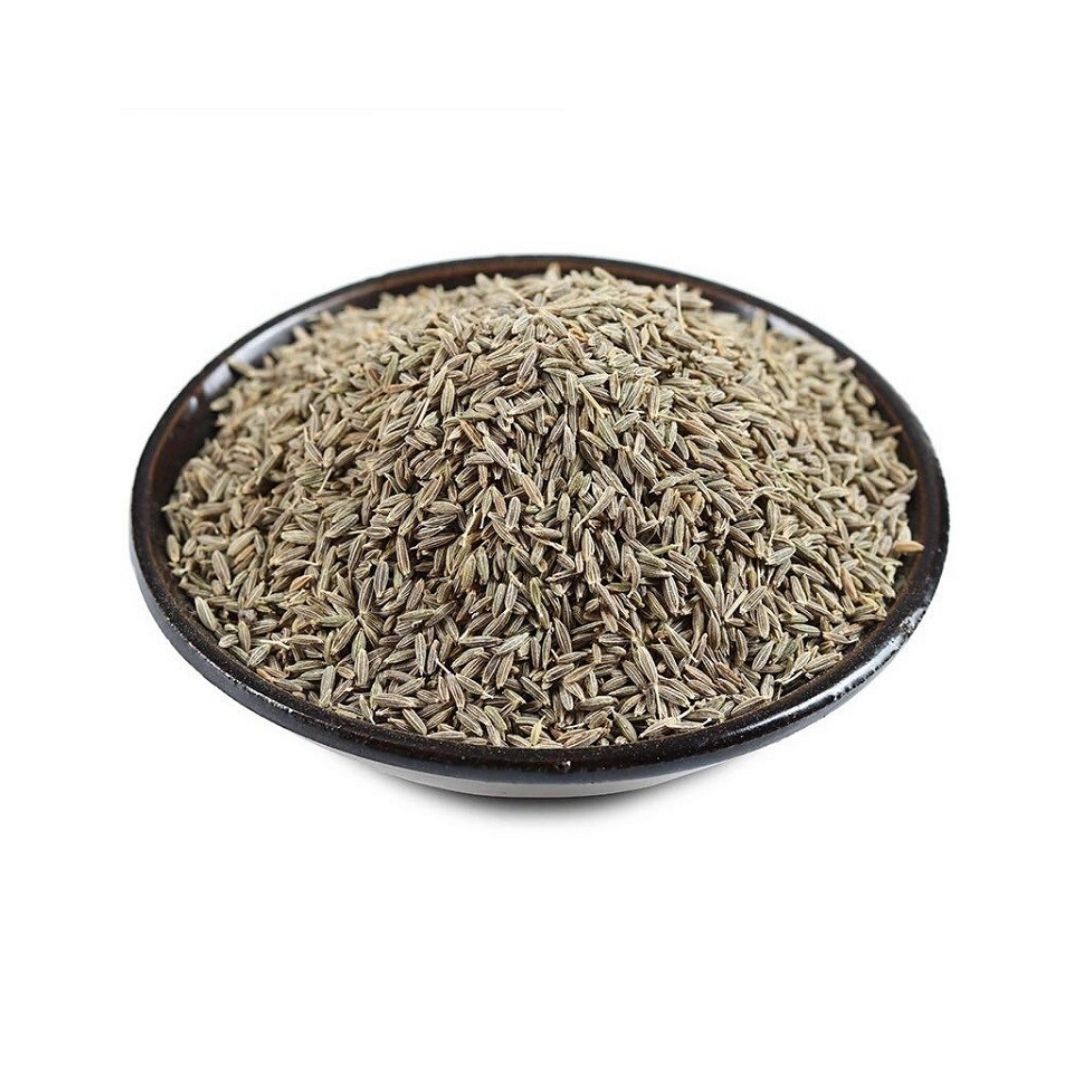
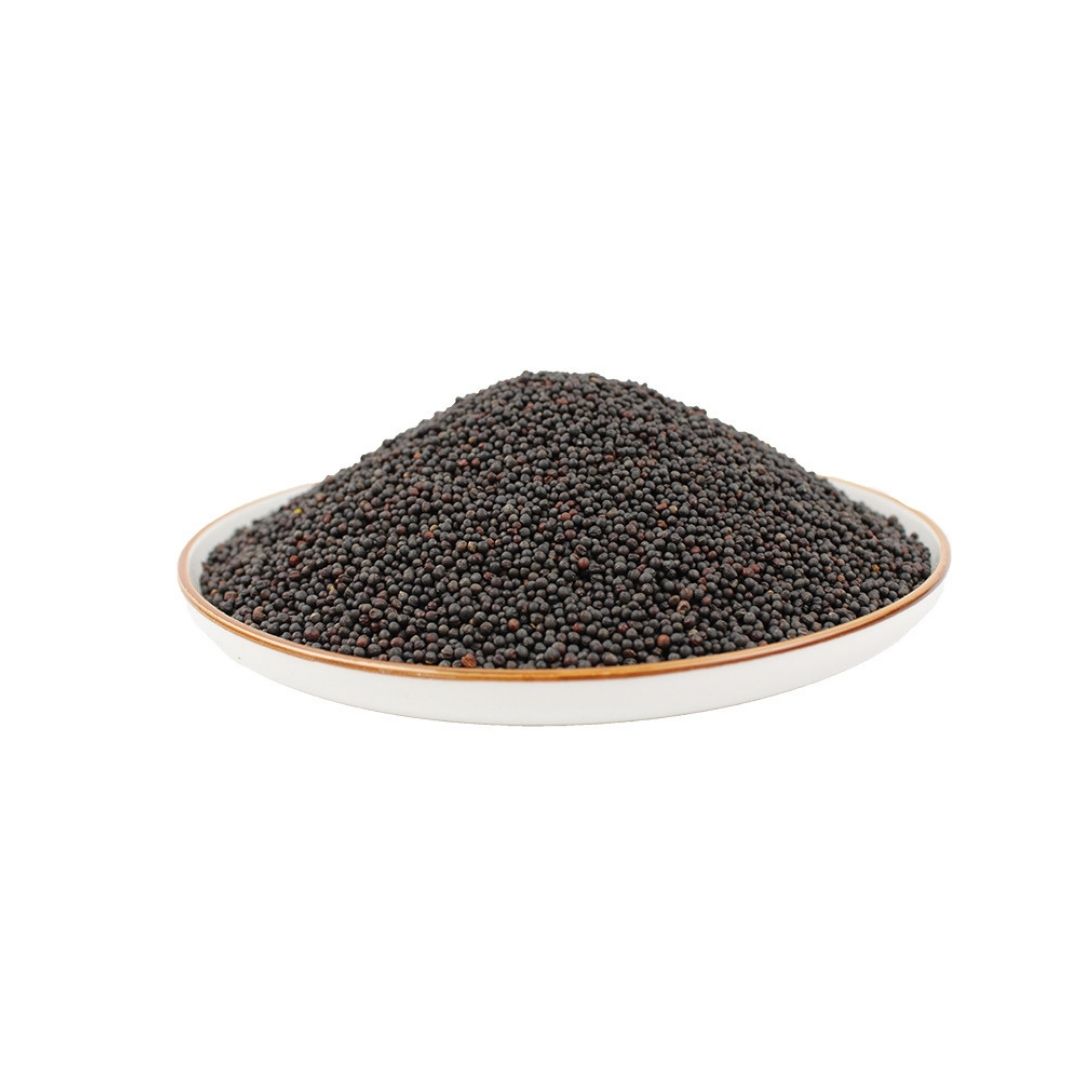
Black mustard seeds, derived from the Brassica nigra plant, are small, spherical seeds with a characteristic dark brown to black hue. These seeds are renowned for their potent, pungent flavor and sharp, biting taste, which distinguishes them from other types of mustard seeds. Originating in the Middle East, the cultivation of black mustard has expanded to various regions including Europe and Asia, where it thrives in temperate climates.
The primary chemical component responsible for the distinctive flavor of black mustard seeds is sinigrin, a glucosinolate. When black mustard seeds are crushed or ground and mixed with water, an enzymatic reaction occurs. This reaction is catalyzed by the enzyme myrosinase, converting sinigrin into allyl isothiocyanate, the compound responsible for the characteristic, pungent aroma and flavor of mustard.
In culinary applications, black mustard seeds are employed both whole and ground. Whole seeds are often used in pickling spices and to flavor Indian dishes, where they are typically toasted in oil to release their flavor. Ground black mustard seeds serve as a key ingredient in prepared mustards, adding heat and complexity. The seeds are also incorporated into spice blends for meats, vegetables, and sauces, providing a sharp, spicy note.
Beyond their culinary uses, black mustard seeds have a history of use in traditional medicine. They have been used for their potential anti-inflammatory and analgesic properties.
Proper storage of black mustard seeds is essential to maintain their quality and flavor. The seeds should be stored in airtight containers in a cool, dry, and dark environment to prevent the loss of volatile oils and to avoid rancidity.
Aromatic Chemical Composition
The aromatic chemical composition of black mustard seeds is primarily characterized by the presence of allyl isothiocyanate. This compound is produced through the enzymatic hydrolysis of sinigrin. Sinigrin is a glucosinolate found in black mustard seeds. When the seeds are crushed and mixed with water, the enzyme myrosinase converts sinigrin into allyl isothiocyanate, glucose, and other byproducts. Allyl isothiocyanate is responsible for the pungent, sharp, and irritating aroma and flavor associated with black mustard [1].
Other volatile compounds present in smaller quantities may contribute to the overall aroma profile of black mustard seeds, though allyl isothiocyanate remains the dominant component. These compounds include other isothiocyanates and sulfur-containing compounds, which can add subtle nuances to the overall sensory experience [2].
What Types of Products Are Available?
Black mustard seeds are available in several forms to suit various culinary and other applications:
- Whole Seeds: These are the intact, dried seeds of the Brassica nigra plant. Whole seeds are used in pickling, spice blends, and as a flavoring agent in various cuisines, particularly in Indian cooking, where they are often tempered in hot oil to release their flavor [3].
- Ground Mustard: This is produced by grinding whole black mustard seeds into a fine powder. Ground mustard is a key ingredient in prepared mustards and is used to add a sharp, spicy flavor to sauces, rubs, and marinades [4].
- Mustard Flour: Similar to ground mustard, mustard flour is a finely ground powder made from black mustard seeds. It is used in baking and as a thickening agent in sauces and gravies [5].
- Prepared Mustard: Black mustard seeds are a primary ingredient in many prepared mustards, often combined with vinegar, water, and other spices to create a condiment with a range of flavors and heat levels [6].
- Mustard Oil: Extracted from black mustard seeds, mustard oil is used in some regional cuisines, particularly in India. It has a strong, pungent flavor and is used for cooking and flavoring dishes [7].
Application Scenarios and Usage Dosage
Black mustard seeds find versatile application in the culinary field, adding a distinctive pungent flavor to a wide array of dishes. The usage methods and dosages vary depending on the specific application and the desired intensity of flavor.
In Indian cuisine, black mustard seeds are frequently used in tempering spices, a technique where whole seeds are heated in oil or ghee until they pop, releasing their aromatic compounds. This method is commonly employed in the preparation of lentil dishes (dals), vegetable curries, and South Indian specialties like sambar and rasam. A typical dosage for tempering spices would be 1-2 teaspoons of black mustard seeds per serving, adjusting according to personal preference [8].
For pickling, whole black mustard seeds are included in the brine along with other spices such as coriander seeds, fennel seeds, and chili flakes. The mustard seeds contribute a subtle heat and complexity to the pickled vegetables. A common ratio is about 1-2 tablespoons of black mustard seeds per quart of pickling brine, depending on the desired flavor intensity [9].
Ground black mustard seeds are a key ingredient in homemade mustard preparations. The ground seeds are mixed with liquids such as vinegar, water, or wine, along with other flavorings like honey, herbs, and spices. The mixture is allowed to sit for a period of time to develop its characteristic pungency and flavor. The proportion of ground mustard seeds to liquid can vary, but a general guideline is to use about 1/4 cup of ground mustard seeds per cup of liquid [10].
Dry rubs and marinades for meats often include ground black mustard seeds to impart a spicy and aromatic note. The mustard seeds complement other spices such as paprika, garlic powder, and black pepper, creating a complex flavor profile. A typical dosage is 1-2 tablespoons of ground black mustard seeds per pound of meat, depending on the desired level of spiciness [11].
In salad dressings and sauces, ground black mustard seeds can be used to add a sharp, tangy flavor. They pair well with vinaigrettes, creamy dressings, and barbecue sauces, providing a flavorful contrast to the other ingredients. A small amount, such as 1/2 to 1 teaspoon of ground mustard seeds per cup of dressing or sauce, is usually sufficient to achieve the desired effect [12].
It is important to note that the flavor intensity of black mustard seeds can vary depending on their freshness and storage conditions. Freshly ground seeds generally have a more potent flavor than those that have been stored for an extended period. Therefore, it is advisable to start with a smaller amount and adjust to taste, especially when using ground mustard seeds.
Introduction to the Source Plant, Distribution, and Growing Environment
Brassica nigra, commonly known as black mustard, is an annual plant belonging to the Brassicaceae family. The plant typically grows to a height of 1 to 3 meters, featuring slender stems and lance-shaped leaves [13]. The flowers are small and yellow, arranged in clusters, and produce siliqua fruits containing the black mustard seeds.
Originating in the Middle East, Brassica nigra hasnaturalized in various regions worldwide, including Europe, Asia, and North America. It thrives in temperate climates with well-drained soils and ample sunlight. Black mustard is often found growing in fields, along roadsides, and in disturbed habitats. Black mustard is cultivated as an agricultural crop for its seeds, which are used as a spice and in the production of mustard oil [14].
Harvesting, Processing, and Storage Preservation
The harvesting of black mustard seeds typically occurs when the seed pods (siliques) have dried and turned brown, usually in late summer or early autumn. Farmers harvest the entire plant by cutting the stems and leaving them to dry in the sun for several days [15].
After drying, the seed pods are threshed to separate the seeds from the plant material. Threshing involves beating or rubbing the dried plants to release the seeds. The seeds are then cleaned to remove any remaining plant debris, such as stems, leaves, and pod fragments [16].
Once cleaned, black mustard seeds are dried further to reduce their moisture content. Proper drying is crucial to prevent mold growth and maintain the quality of the seeds during storage. The seeds are typically dried in the sun or using mechanical dryers until they reach a moisture content of around 6-8% [17].
To preserve the flavor and quality of black mustard seeds, proper storage is essential. The seeds should be stored in airtight containers made of glass, metal, or food-grade plastic. These containers should be kept in a cool, dry, and dark place to prevent exposure to moisture, heat, and light, which can degrade the seeds and cause them to lose their flavor and pungency [18].
Under optimal storage conditions, black mustard seeds can maintain their quality for up to several years [19].
Citations
[1] Marijana Sakač, Ivana Ćetković, Miloš Grujić, Dušanka Miladinović, and Vlado Tešević. "Chemical composition of black mustard (Brassica nigra L.) seed oil." Journal of the American Oil Chemists' Society 92, no. 1 (2015): 91-98.
[2] Aires, A., M. P. Fernandes, R. B. Bennett, J. S. Luthy, and M. H. Beale. "Metabolic profiling of volatile glucosinolate breakdown products in Raphanus sativus sprouts and their potential as anticancer and antimicrobial agents." Journal of Agricultural and Food Chemistry 57, no. 17 (2009): 7697-7707.
[3] Raghavan, Susheela. Handbook of spices, seasonings, and flavorings. John Wiley & Sons, 2006.
[4] McGee, Harold. On food and cooking: the science and lore of the kitchen. New York: Scribner, 2004.
[5] Norman, Jill. Herb & spice companion. Dorling Kindersley, 2002.
[6] DeWitt, Dave, and Arthur Allen. The spice merchants handbook: Spices, herbs, and blends for American chefs. Open Road Media, 2014.
[7] Prakash, Jyoti. Spice crops. New Delhi: New India Publishing Agency, 2004.
[8] Kiple, Kenneth F., and Kriemhild Conee Ornelas, eds. The Cambridge world history of food. Cambridge university press, 2000.
[9] Hertzberg, Ruth, Janet Mendel, and Linda McClean. Putting food by. Penguin, 2010.
[10] Holmberg, Robert J. The mustard cookbook. Mustang Publishing Company, 2000.
[11] Purseglove, J. W., E. G. Brown, C. L. Green, and S. R. Robbins. Spices, vol. 1. Longman, 1981.
[12] Willoughby, John. The chef's companion: a culinary encyclopedia. Wiley, 2011.
[13] Warwick, Suzanne K., Alister Francis, and Isabel A. Al-Shehbaz. "Brassicaceae: chromosome number index and database on CD-ROM." Plant Systematics and Evolution 225, no. 1-2 (2000): 139-148.
[14] Vaughan, J. G., and P. A. Lancaster. Vegetable crops. Springer Science & Business Media, 2013.
[15] Belitz, H. D., W. Grosch, and P. Schieberle. Food chemistry. Springer Science & Business Media, 2009.
[16] Singh, Damanjit, and V. P. Sharma. Principles and practices of seed storage. Springer Science & Business Media, 2012.
[17] Agrawal, P. K. Seed Technology. Oxford & IBH Publishing Company, 1994.
[18] Fellows, Peter. Food processing technology: principles and practice. Woodhead Publishing, 2016.
[19] Sharma, H. K., and M. Shivhare. "Handbook of Storage and Postharvest Engineering." (2015).
Mia Wu

Hi, I’m Mia Wu! I love helping customers discover the best natural ingredients for their products. With a passion for herbs, spices, and fungi, I work to make sure you get only the finest raw materials. Let's grow together! 🌱✨