

Product Introduction
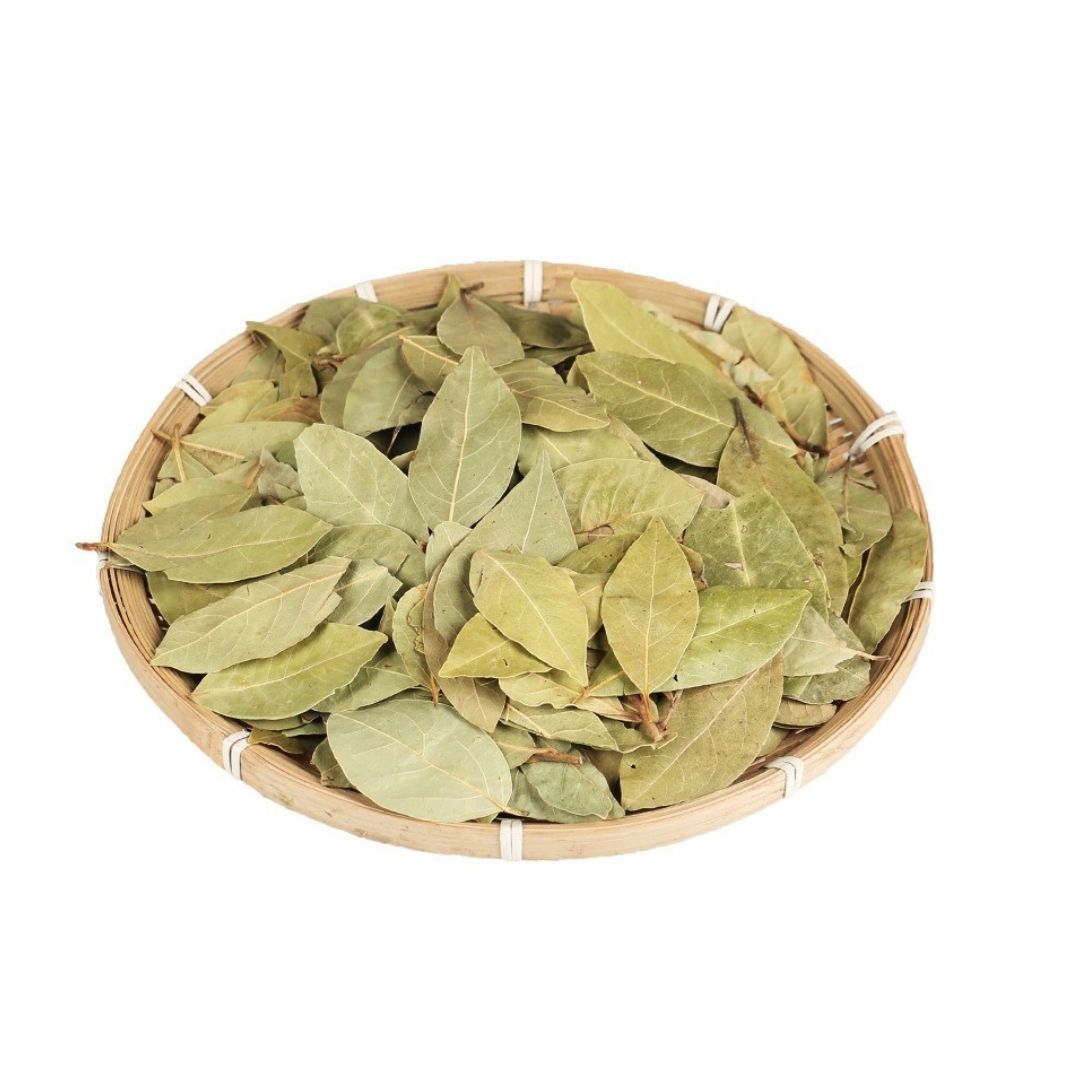
Bay leaf refers to the dried leaves of the bay laurel tree, scientifically known as Laurus nobilis. Originating in the Mediterranean region, these leaves have been used for centuries to add a distinct aroma and flavor to various culinary dishes. The characteristic scent and taste of bay leaves are attributed to their complex chemical composition, which includes essential oils such as 1,8-cineole, α-terpinyl acetate, and sabinene. These compounds contribute to the overall sensory experience, making bay leaves a valued ingredient in kitchens around the world.
Bay leaves are commonly used to enhance the flavor profiles of soups, stews, sauces, and braised dishes. The leaves are typically added whole during the cooking process and then removed before serving, as their texture remains stiff even after prolonged cooking. Due to their robust flavor, bay leaves should be used sparingly to avoid overpowering the dish. Beyond culinary uses, bay leaves have also been incorporated into traditional medicine for their potential health benefits, although such applications are less prevalent today.
The quality and flavor of bay leaves can vary depending on factors such as the growing conditions, harvesting practices, and drying methods. High-quality bay leaves are generally characterized by a vibrant color, intact structure, and strong aroma. To maintain their freshness and potency, bay leaves should be stored properly in airtight containers, away from direct sunlight and moisture. Proper storage ensures that the leaves retain their flavor for an extended period, providing consistent results in culinary applications.
Aromatic Chemical Composition
The aromatic profile of bay leaf is primarily determined by its volatile oil content, which constitutes approximately 1-3% of its dry weight [1]. The major components include:
- 1,8-Cineole (Eucalyptol): Typically the most abundant compound, contributing a fresh, camphoraceous, and slightly medicinal aroma [2].
- α-Terpinyl Acetate: Adds a sweet, floral, and slightly woody note.
- Sabinene: Provides a woody, spicy, and slightly citrusy aroma.
- β-Pinene: Contributes a piney, resinous, and fresh aroma.
Other significant volatile compounds present in bay leaf include [3]:
- Linalool: A floral, slightly citrusy aroma.
- Eugenol: A spicy, clove-like aroma.
- Methyleugenol: A sweet, spicy, and slightly floral aroma.
The specific composition and concentration of these compounds can vary based on geographical origin, growing conditions, harvesting practices, and drying methods. These variations contribute to the subtle differences in aroma and flavor observed among different bay leaf products.
What Types of Products Are Available?
Bay leaves are available in several forms to suit different culinary needs:
- Whole Dried Bay Leaves: This is the most common form. Whole leaves are typically added to dishes during cooking and removed before serving.
- Ground Bay Leaf: Ground bay leaf offers convenience and disperses more evenly throughout a dish. However, the flavor may dissipate more quickly compared to whole leaves.
- Bay Leaf Powder: A finely ground form suitable for applications where a very subtle and uniform flavor is desired.
- Fresh Bay Leaves: While less common commercially, fresh bay leaves have a more delicate flavor compared to dried leaves.
- Bay Leaf Essential Oil: Extracted from bay leaves, this oil is highly concentrated and used in flavoring applications and aromatherapy.
Application Scenarios and Usage Dosage
Bay leaves are integral to the flavor profiles of numerous cuisines, particularly in Mediterranean, European, and American cooking [4]. Their applications span a wide range of dishes:
- Soups and Stews: Bay leaves are commonly added to soups and stews to impart a depth of flavor. For a standard pot of soup (approximately 4-6 servings), 1-2 whole bay leaves are generally sufficient. They should be added at the beginning of the cooking process to allow their flavors to fully infuse into the liquid.
- Sauces: In sauce making, bay leaves contribute a subtle complexity. For a medium-sized batch of sauce (about 2-3 cups), 1 bay leaf is usually enough. Similar to soups, the leaf should simmer in the sauce to release its aromatic compounds.
- Braises: Bay leaves are excellent for braising meats and vegetables. They add an essential layer of flavor that complements the other ingredients. For a typical braise (serving 4-6 people), 2 bay leaves are recommended.
- Rice and Grains: Adding a bay leaf to the cooking water of rice or other grains can subtly enhance their flavor. One bay leaf per 2 cups of dry rice is a standard ratio. The leaf should be removed after cooking.
- Pickling and Marinades: Bay leaves are often included in pickling brines and marinades to add aromatic complexity. For a standard pickling or marinating solution (around 4 cups), 1-2 bay leaves are appropriate.
- Seafood Dishes: Bay leaves can be used to flavor seafood dishes, particularly those that are poached or steamed. One bay leaf can be added to the cooking liquid for a more complex flavor.
- Infused Oils and Vinegars: Bay leaves can infuse oils and vinegars, creating flavorful condiments. Typically, 2-3 bay leaves are added to a cup of oil or vinegar and allowed to infuse for several weeks.
Dosage Considerations:
- Whole Leaves: For most applications, 1-2 whole bay leaves per 4-6 servings are adequate. Overuse can lead to a bitter or medicinal taste.
- Ground Bay Leaf: Use sparingly, as ground bay leaf has a more concentrated flavor. A pinch (approximately 1/4 teaspoon) is often sufficient for most dishes.
- Fresh Bay Leaves: As fresh bay leaves have a milder flavor, slightly more may be needed to achieve the desired effect.
It is always recommended to start with a small amount and adjust to taste [5]. Remember to remove whole bay leaves from dishes before serving, as they are not meant to be eaten and can be a choking hazard.
Introduction to the Source Plant, Distribution, and Growing Environment
The bay laurel (Laurus nobilis) is an evergreen shrub or small tree belonging to the family Lauraceae. Native to the Mediterranean region, it has been cultivated and naturalized in various parts of the world with similar climates [6].
- Distribution: Bay laurel is widely distributed throughout the Mediterranean basin, including countries such as Greece, Italy, Turkey, Spain, and Morocco. It is also grown commercially in other regions, including parts of North America, Central America, and Australia.
- Growing Environment: Bay laurel thrives in warm, temperate climates with well-drained soil and plenty of sunlight. It prefers slightly acidic to neutral soil and can tolerate a range of soil types, including clay, loam, and sand. The plant is relatively drought-tolerant once established but benefits from regular watering during dry periods. It can withstand temperatures down to about -5°C (23°F), but young plants are more susceptible to frost damage. Bay laurel is often found growing in coastal areas, hillsides, and woodlands, where it is sheltered from strong winds [7].
Harvesting, Processing, and Storage Preservation
Harvesting:
Bay leaves are typically harvested from mature bay laurel trees. The optimal time for harvesting is usually in the morning after the dew has evaporated, ensuring that the leaves are dry [8]. Harvesting can occur throughout the year, but the leaves are often considered to have the best flavor and aroma during the late spring and early summer months.The leaves are handpicked or carefully clipped from the branches to avoid damaging the tree.
Processing:
- Washing: After harvesting, the leaves are often washed to remove any dirt or debris.
- Drying: The key to preserving the flavor and aroma of bay leaves lies in proper drying. The leaves are typically spread out in a thin layer on screens or trays and allowed to air dry in a well-ventilated area, protected from direct sunlight. This process can take several days or weeks, depending on the humidity and temperature. Kiln drying at low temperatures to speed up the process is also common.
- Sorting: Once the leaves are fully dried, they are sorted to remove any damaged or discolored leaves. Only intact, high-quality leaves are selected for packaging.
Storage Preservation:
Proper storage is crucial for maintaining the quality of dried bay leaves [9].
- Airtight Containers: Dried bay leaves should be stored in airtight containers to protect them from moisture, air, and light. Glass jars, metal tins, or resealable plastic bags are suitable options.
- Cool, Dry Place: The containers should be stored in a cool, dry place away from direct sunlight and heat sources. High temperatures and humidity can cause the leaves to lose their flavor and aroma.
- Shelf Life: When stored properly, dried bay leaves can maintain their quality for up to 1-2 years. However, it is best to use them within one year for optimal flavor. Over time, the leaves may lose some of their potency, but they are still safe to use.
- Freezing: For longer-term storage, bay leaves can be frozen in airtight containers. This can help to preserve their flavor for an extended period.
Citations:
[1] Telci, I., et al. "Composition of essential oil of Laurus nobilis L. from different regions of Turkey." Journal of Essential Oil Research 16.4 (2004): 329-332.
[2] Lagouri, V., et al. "Composition and antioxidant activity of essential oils from oregano and bay leaves." International Journal of Food Properties 16.4 (2013): 808-818.
[3] Putievsky, E., et al. "The essential oil composition of Laurus nobilis L. genotypes grown in Israel." Flavour and Fragrance Journal 18.5 (2003): 442-444.
[4] Dalby, A. Siren Feasts: A History of Food and Gastronomy in Greece. Routledge, 2013.
[5] McGee, H. On Food and Cooking: The Science and Lore of the Kitchen. Scribner, 2004.
[6] Grieve, M. A Modern Herbal. Dover Publications, 1971.
[7] Bay Laurel. (n.d.). Retrieved from https://www.hort.purdue.edu/newcrop/duke_energy/Bay_laurel.html
[8] Tucker, A. O., and M. J. Maciarello. "Volatile leaf oils of bay laurel (Laurus nobilis L.)." Journal of Essential Oil Research 2.4 (1990): 251-254.
[9] Park, S. Y., et al. "Antimicrobial and antioxidant activities of bay leaf (Laurus nobilis L.) extract." Journal of Food Science 74.9 (2009): M556-M563.
Mia Wu

Hi, I’m Mia Wu! I love helping customers discover the best natural ingredients for their products. With a passion for herbs, spices, and fungi, I work to make sure you get only the finest raw materials. Let's grow together! 🌱✨