

Product Introduction
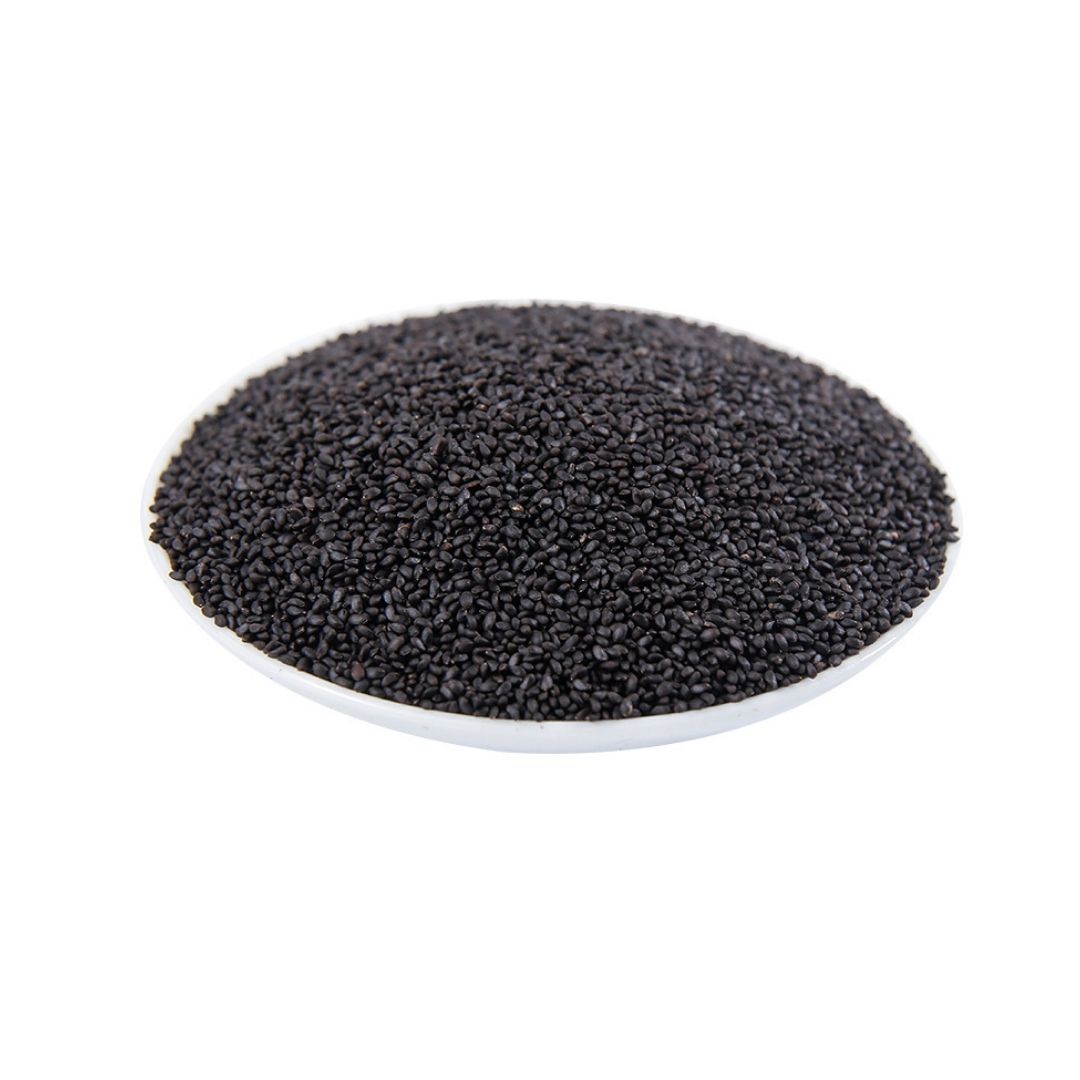
Basil seeds, also known as sabja seeds or tukmaria, are the black seeds of the sweet basil plant, Ocimum basilicum. These seeds are small and hard when dry but swell dramatically when soaked in water, forming a gelatinous coating. This unique characteristic makes them a popular ingredient in various culinary applications, particularly in beverages and desserts.
Originating from Southeast Asia, basil seeds have been used for centuries in traditional medicine and cuisine. The plant itself is believed to have originated in India, later spreading throughout Asia and the Mediterranean. Today, basil is cultivated worldwide, and its seeds are valued for their nutritional properties and culinary versatility.
The primary use of basil seeds is as a cooling agent in drinks, especially during hot weather. When soaked, the seeds create a refreshing and texturally interesting addition to beverages like lemonade, smoothies, and milkshakes. They are also used in desserts, such as puddings (falooda). Furthermore, basil seeds are appreciated for their health benefits, being a good source of fiber, essential fatty acids, vitamins, and minerals. These seeds are gluten-free and low in calories, making them an appealing addition to a balanced diet. Due to their ability to absorb water and swell, they can also aid in promoting a feeling of fullness, potentially assisting in weight management.
Aromatic Chemical Composition
Basil seeds themselves do not have a strong aroma like the basil leaves. The key aromatic compounds are mostly concentrated in the essential oil of the basil leaves, which include:
- Linalool: A floral and slightly spicy aroma.
- Eugenol: A clove-like scent.
- Methyl Chavicol (Estragole): An anise-like fragrance.
- Methyl Cinnamate: A balsamic and fruity scent.
While the seeds do not contribute significantly to the aromatic profile, their presence can influence the overall texture and flavor perception of dishes.
What Types of Products Are Available?
Basil seeds are typically available in the following forms:
- Whole Dried Seeds: These are the most common form, sold in packets or containers.
- Pre-soaked Seeds: Some stores offer pre-soaked basil seeds, ready to use.
- Powdered Basil Seeds: Though less common, basil seeds can be ground into a powder for use as a thickening agent or dietary supplement.
Application Scenarios and Usage Dosage
Basil seeds find diverse applications in the culinary world, primarily due to their ability to swell and create a unique texture in dishes and beverages. In beverages, they are commonly added to lemonades, fruit juices, and milkshakes. The recommended dosage is typically 1-2 teaspoons of basil seeds soaked in about 1 cup of liquid. The seeds should be soaked for at least 15-20 minutes to allow them to fully expand. In traditional drinks like falooda, basil seeds are a key ingredient, providing a cooling effect and a pleasant mouthfeel.
In desserts, basil seeds can be incorporated into puddings, custards, and even ice creams. They add a subtle textural contrast and a nutritional boost. Dosage in desserts is similar to beverages, around 1-2 teaspoons per serving. Basil seeds can also be used as a thickening agent in soups, sauces, and stews. When used for thickening, the soaked seeds are added towards the end of the cooking process to achieve the desired consistency. Start with 1 teaspoon per cup of liquid and adjust as needed.
Beyond beverages and desserts, basil seeds can be added to yogurt, oatmeal, and salads for an added nutritional boost. They provide a good source of fiber and can help promote satiety. When adding to yogurt or oatmeal, 1-2 teaspoons of soaked seeds per serving is generally sufficient. In salads, soaked basil seeds can be used as a topping or mixed into the dressing.
It is essential to note that basil seeds should always be soaked before consumption. Consuming dry basil seeds can be difficult to swallow and may cause digestive discomfort. The soaking process not only makes them easier to consume but also unlocks their nutritional benefits by making the nutrients more bioavailable. While basil seeds are generally safe for consumption, moderation is key. Excessive consumption may lead to bloating or digestive issues in some individuals.
Introduction to the Source Plant, Distribution, and Growing Environment
The basil seed comes from the sweet basil plant (Ocimum basilicum), an annual herb belonging to the Lamiaceae family. The plant typically grows to a height of 20-60 cm, featuring oval-shaped, green leaves, and small, white or pink flowers. Native to Southeast Asia, basil is now cultivated worldwide in various climates, particularly thriving in warm, tropical, and subtropical regions.
Basil plants prefer well-drained soil, ample sunlight, and moderate watering. Optimal growing conditions include soil pH levels between 6.0 and 7.5 and temperatures ranging from 20°C to 30°C. The plant is sensitive to frost, making it essential to protect it from cold weather conditions. Basil is commonly grown in gardens, greenhouses, and even indoor containers because of its culinary and ornamental uses.
Globally, basil is widely cultivated in countries such as India, Thailand, Italy, France, and the United States. Each region may produce basil with slightly different flavor profiles due to variations in climate and soil composition. For instance, basil grown in the Mediterranean region often exhibits a more intense and robust flavor compared to basil grown in other areas. The plant's adaptability allows for widespread cultivation, ensuring a consistent supply of both basil leaves and seeds for culinary and medicinal purposes.
Harvesting, Processing, and Storage Preservation
Harvesting basil seeds involves allowing the basil plant to fully mature and produce flowers. Once the flowers begin to dry and the seed pods turn brown, it is time to harvest the seeds. The flower heads are cut from the plant and placed in a dry, well-ventilated area to allow them to dry completely. This process typically takes about 1-2 weeks.
After the flower heads are fully dried, the seeds can be extracted by gently rubbing the flower heads between your hands or over a fine mesh screen. This separates the seeds from the dried plant material. The seeds are then cleaned to remove any remaining debris, such as stems and leaves. This can be done by winnowing or using a fine sieve.
Once the seeds are cleaned, they need to be properly dried to prevent mold growth and maintain their quality. The seeds are spread in a thin layer on a clean surface and allowed to air dry for several days, ensuring they are completely dry before storage. Proper storage is crucial for preserving the viability and quality of basil seeds. The seeds should be stored in an airtight container in a cool, dry, and dark place. Exposure to moisture, heat, and light can degrade the seeds and reduce their shelf life. Under optimal storage conditions, basil seeds can remain viable for several years.
Citations
- Davidson, A. (2014). The Oxford Companion to Food. Oxford University Press.
- Peter, K. V. (2012). Handbook of Herbs and Spices (2nd ed.). Woodhead Publishing.
- Simon, J. E., Morales, M. R., Phippen, W. B., Vieira, R. F., & Hao, Z. (1999). Basil: A Source of Aroma Compounds and a Popular Culinary and Ornamental Herb. In J. Janick (Ed.), Perspectives on new crops and new uses. ASHS Press.
- USDA FoodData Central. (n.d.). Retrieved from https://fdc.nal.usda.gov/
Mia Wu

Hi, I’m Mia Wu! I love helping customers discover the best natural ingredients for their products. With a passion for herbs, spices, and fungi, I work to make sure you get only the finest raw materials. Let's grow together! 🌱✨