

Product Introduction
Basil leaves, derived from Ocimum basilicum, are an herb celebrated for their aromatic and culinary versatility. Originating from Southeast Asia, basil has spread globally, becoming a staple in numerous cuisines, particularly Mediterranean and Southeast Asian. The plant is characterized by its vibrant green leaves, which release a complex fragrance when crushed, due to their rich essential oil content.
The main components of basil leaves include volatile aromatic compounds, such as linalool, eugenol, and methyl chavicol (estragole). These compounds contribute significantly to basil's distinctive flavor profile, which is sweet, slightly spicy, and subtly minty with clove-like undertones. Different varieties of basil, such as sweet basil, Thai basil, and lemon basil, exhibit varying concentrations of these compounds, resulting in diverse flavor nuances.
In culinary applications, basil leaves are used both fresh and dried. Fresh basil is typically added at the end of cooking to preserve its delicate aroma and flavor, while dried basil is more robust and can withstand longer cooking times. Basil is commonly used in sauces like pesto, tomato-based pasta sauces, and dressings. It also complements a variety of dishes, including salads, soups, pizzas, and grilled meats. Basil’s role extends beyond flavoring; it also offers potential health benefits, being a source of vitamins, antioxidants, and anti-inflammatory compounds.
Aromatic Chemical Composition
Basil leaves owe their distinctive fragrance to a complex mixture of volatile organic compounds. Key components include:
- Linalool: This monoterpenoid alcohol contributes floral and slightly citrusy notes. Linalool is also found in other fragrant plants like lavender and coriander, lending basil a similar aromatic quality.
- Eugenol: Predominantly present in clove and cinnamon, eugenol imparts a spicy, warm, and clove-like aroma to basil. The presence of eugenol is more pronounced in certain basil varieties, such as Thai basil.
- Methyl Chavicol (Estragole): This phenylpropanoid compound provides a sweet, anise-like aroma. The concentration of methyl chavicol varies significantly among basil cultivars; some varieties have very high levels, which influence their overall flavor profile.
- Other Terpenoids: Basil contains other terpenoids such as myrcene, limonene, and ocimene, which contribute subtle citrus, woody, and herbaceous notes, adding complexity to the overall aroma.
The specific ratio of these compounds varies depending on the basil variety, growing conditions, and geographical location. For instance, sweet basil typically has higher levels of linalool and lower levels of methyl chavicol compared to Thai basil, which is richer in eugenol and methyl chavicol. This variation accounts for the diverse flavor profiles observed across different basil types.
What Types of Products Are Available?
Basil leaves are available in several forms to suit different culinary needs:
- Fresh Basil: This is the most common form, typically sold in bunches. Fresh basil offers the most vibrant flavor and aroma, making it ideal for dishes where the herb's qualities are intended to shine.
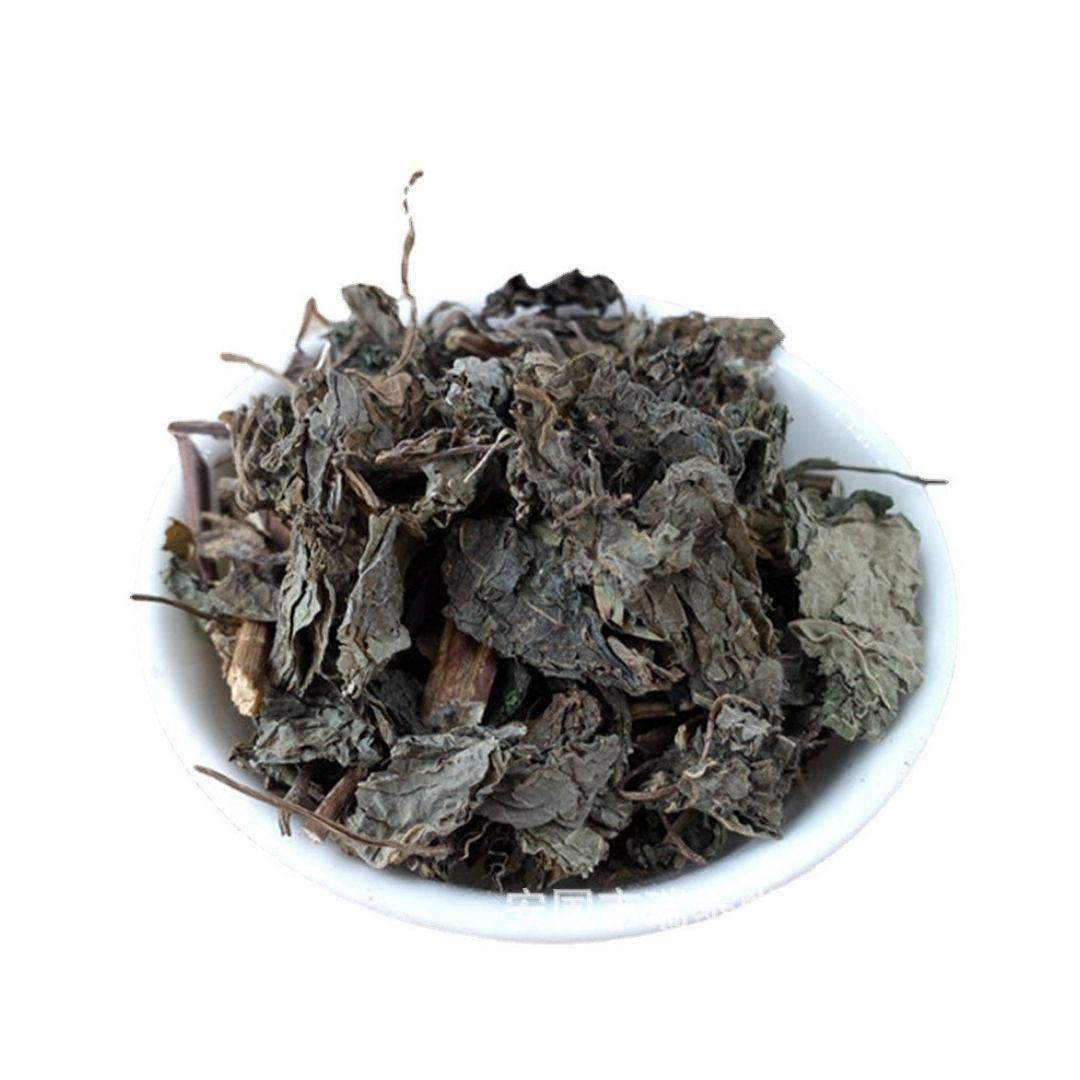
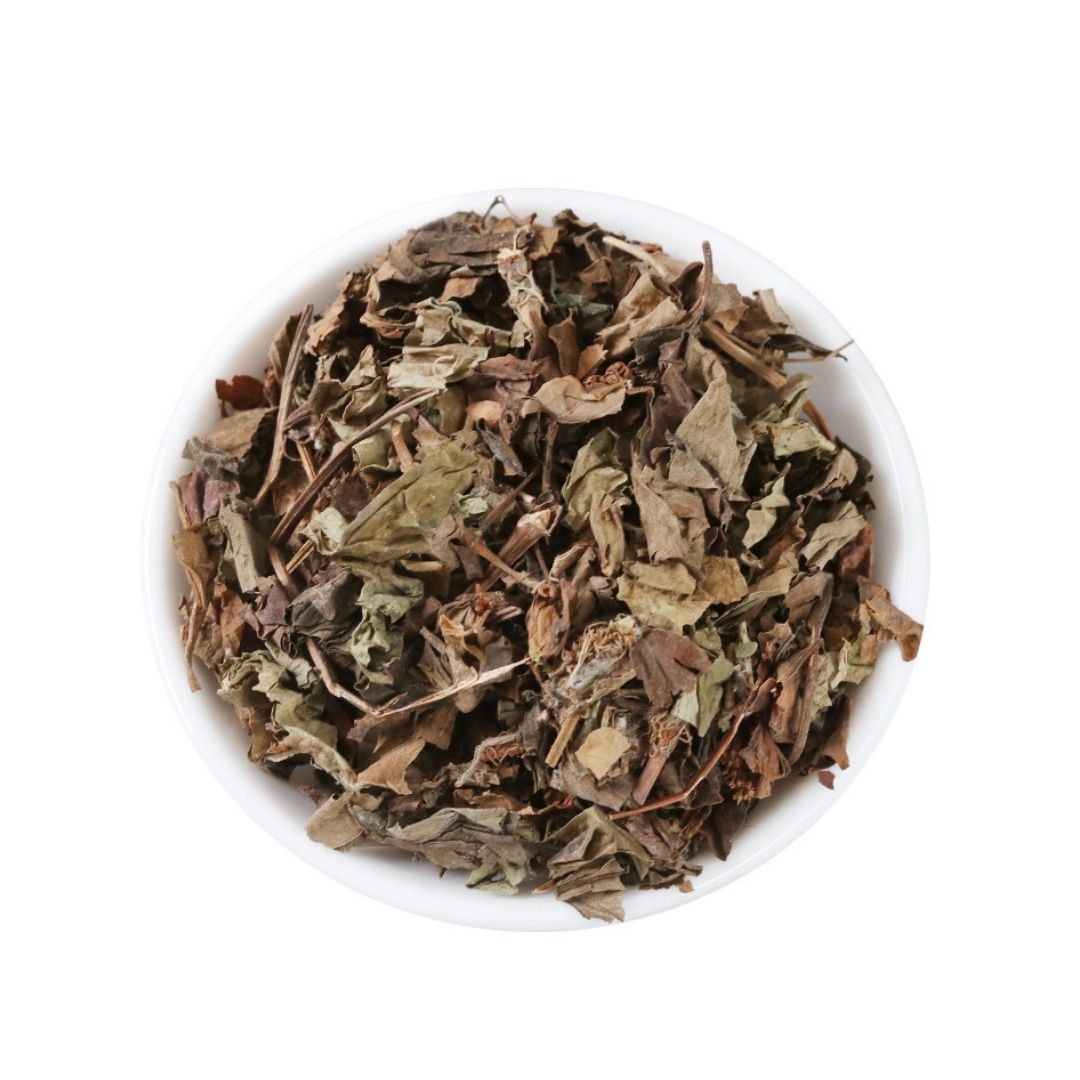
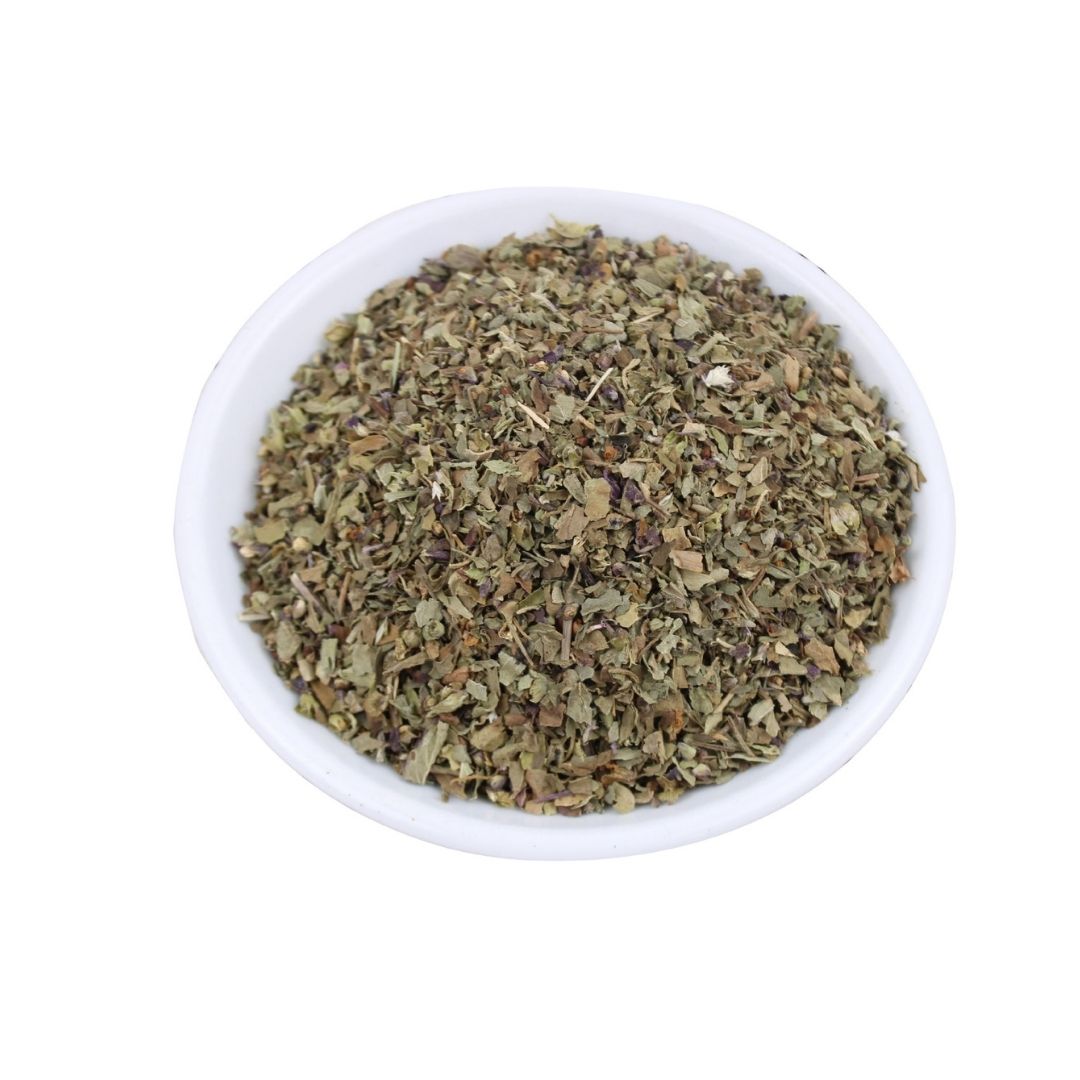
- Dried Basil: Dried basil is produced by dehydrating fresh basil leaves. The drying process concentrates the flavors, but also diminishes some of the volatile aromatic compounds. Dried basil is often sold in flakes or ground form.
- Basil Paste/Puree: Some manufacturers offer basil in paste or puree form, often preserved in oil. This product provides a convenient way to add basil flavor to dishes, particularly when fresh basil is not available.
- Basil Essential Oil: Extracted through steam distillation, basil essential oil is a highly concentrated form of basil flavor. It is used sparingly in culinary applications and is also popular in aromatherapy.
- Frozen Basil: Frozen basil is an option for preserving fresh basil. The leaves are typically blanched before freezing to help retain their color and flavor.
- Basil-Infused Products: Basil is also used to flavor other products, such as vinegars, oils, and pesto sauces. These products offer a convenient way to incorporate basil into various dishes.
Application Scenarios and Usage Dosage
Basil leaves shine in a variety of culinary applications, offering distinct flavors and aromatic qualities that enhance numerous dishes. Their usage spans across different cuisines and preparation methods.
Italian Cuisine: Basil is a cornerstone of Italian cooking. It is a key ingredient in pesto, a sauce made with basil, pine nuts, garlic, Parmesan cheese, and olive oil. Pesto is commonly used with pasta, as a spread for sandwiches, or as a topping for grilled meats. Basil is also a staple in tomato-based sauces, such as marinara, where it adds a sweet, herbaceous note that complements the acidity of the tomatoes. In dishes like Caprese salad, fresh basil leaves are layered with tomatoes and mozzarella cheese, creating a simple yet flavorful combination. Fresh basil is generally added towards the end of cooking to preserve its delicate aroma. Dosage varies depending on the recipe, but typically ranges from a few leaves to a quarter cup of chopped basil per serving.
Thai Cuisine: Thai basil, with its anise-like flavor, is widely used in Southeast Asian cooking. It is commonly added to stir-fries, curries, and soups, such as pho. Thai basil is also served fresh as a side vegetable to accompany dishes like Pad Thai. The dosage for Thai basil is similar to that of sweet basil, with a few sprigs or a quarter cup of chopped leaves per serving.
Salads: Fresh basil can be added to a variety of salads to enhance their flavor. It pairs well with tomatoes, cucumbers, and other summer vegetables. In fruit salads, basil can add a surprising and refreshing twist when combined with berries or melons. A few fresh basil leaves, torn or chopped, are sufficient to add a noticeable flavor boost.
Soups: Basil leaves can be used to flavor both hot and cold soups. In tomato soup, basil adds a sweet and aromatic counterpoint to the acidity of the tomatoes. In chilled soups like gazpacho, basil provides a refreshing and herbaceous note. The dosage for soups typically ranges from a few leaves to a tablespoon of chopped basil per serving.
Meat and Fish: Basil can be used as a marinade or seasoning for meats and fish. It pairs well with chicken, pork, and seafood. Basil can be added to marinades along with garlic, olive oil, and lemon juice. It can also be sprinkled on top of grilled or roasted meats and fish just before serving. The dosage for meat and fish dishes is usually around one to two tablespoons of chopped basil per pound of meat or fish.
Other Applications: Basil-infused oil and vinegar can be used to add flavor to salads, dressings, and marinades. Basil can also be incorporated into homemade bread and pastries, where it lends a subtle herbaceous flavor. For example, basil-infused olive oil can elevate the flavor of a simple salad, while basil vinegar adds depth to homemade vinaigrette dressings. Basil simple syrup can also be made to add a basil flavor to cocktails and beverages.
Introduction to the Source Plant, Distribution, and Growing Environment
Ocimum basilicum, commonly known as basil, is an annual herb belonging to the Lamiaceae family. Native to Southeast Asia, it has been cultivated for centuries and has spread globally, becoming an integral part of various cuisines. The basil plant typically grows to a height of 20-60 cm (8-24 inches), featuring oval-shaped, vibrant green leaves that are highly aromatic.
The distribution of basil is widespread, with cultivation occurring in numerous countries around the world. Major basil-producing regions include the Mediterranean (Italy, France), Southeast Asia (Thailand, Vietnam), and parts of the United States. The plant thrives in warm climates with plenty of sunlight and well-drained soil.
The ideal growing environment for basil includes:
- Sunlight: Basil requires at least 6-8 hours of direct sunlight per day to thrive. Insufficient sunlight can result in leggy growth and reduced flavor intensity.
- Soil: Well-drained soil with a pH between 6.0 and 7.5 is optimal. Basil prefers fertile soil rich in organic matter.
- Temperature: Basil is sensitive to cold temperatures and frost. It grows best in temperatures between 20-30°C (68-86°F).
- Water: Consistent moisture is essential, but overwatering should be avoided to prevent root rot.
- Humidity: Moderate humidity levels are preferred. High humidity can promote fungal diseases.
Different varieties of basil have adapted to various growing conditions. For example, Thai basil is well-suited to the hot and humid climates of Southeast Asia, while sweet basil flourishes in the Mediterranean's sunny and temperate conditions.
Harvesting, Processing, and Storage Preservation
The quality of basil leaves is significantly influenced by the harvesting, processing, and storage methods employed. Proper techniques ensure that the herb retains its flavor, aroma, and visual appeal.
Harvesting: Basil leaves are typically harvested when the plant reaches a height of about 6-8 inches. The best time to harvest is in the morning, after the dew has dried but before the sun becomes too intense. Harvesting at this time ensures that the essential oils are at their peak concentration.
- Method: The leaves should be carefully picked or cut from the stem, leaving a few leaves behind to encourage further growth. Regular harvesting, or "pinching" the stems, promotes bushier growth and prevents the plant from flowering, which can diminish leaf quality.
Processing: After harvesting, basil leaves can be processed in several ways, depending on the intended use.
- Fresh Use: For fresh use, the leaves are typically washed and used immediately. They can be stored in the refrigerator with the stems in water or wrapped in a damp paper towel to prolong their freshness.
- Drying: To dry basil leaves, several methods can be used:
- Air Drying: The leaves are tied in small bundles and hung upside down in a cool, dark, and well-ventilated area. It may take several days for the leaves to dry completely.
- Oven Drying: The leaves are spread in a single layer on a baking sheet and dried in a low-temperature oven (around 170°F or 77°C) for several hours, until they are brittle.
- Dehydrator: A food dehydrator can be used to dry basil leaves more quickly and efficiently. The leaves are spread on the dehydrator trays and dried according to the manufacturer's instructions.
Storage Preservation: Proper storage is crucial for preserving the flavor and aroma of basil leaves.
- Dried Basil: Dried basil should be stored in an airtight container in a cool, dark, and dry place. Exposure to light, heat, and moisture can cause the herb to lose its flavor and aroma over time. Properly stored dried basil can last for up to a year.
- Fresh Basil: Fresh basil is best stored in the refrigerator. One method is to place the stems in a glass of water, like a bouquet of flowers, and cover the leaves loosely with a plastic bag. Another method is to wrap the leaves in a damp paper towel and store them in a plastic bag. Fresh basil is highly perishable and typically lasts for only a few days, even when stored properly.
- Freezing: Basil leaves can be frozen to preserve them for longer periods. Before freezing, the leaves should be blanched in boiling water for a few seconds and then immediately cooled in ice water. This helps to preserve their color and flavor. The blanched leaves can then be frozen in freezer bags or containers.
Citations:
- Simon, J. E., Morales, M. R., Phippen, W. B., Vieira, R. F., & Hao, Z. (1999). Basil: A source of aroma compounds and a popular culinary and ornamental herb. Perspectives on new crops and new uses. ASHS Press.
- Lis-Balchin, M. (2006). Aromatherapy science: a guide for healthcare professionals. Pharmaceutical press.
- Charles, D. J. (2013). Antioxidant properties of spices, herbs and other sources. Springer Science & Business Media.
- cuisinesearch.com
Mia Wu

Hi, I’m Mia Wu! I love helping customers discover the best natural ingredients for their products. With a passion for herbs, spices, and fungi, I work to make sure you get only the finest raw materials. Let's grow together! 🌱✨