

Product Introduction
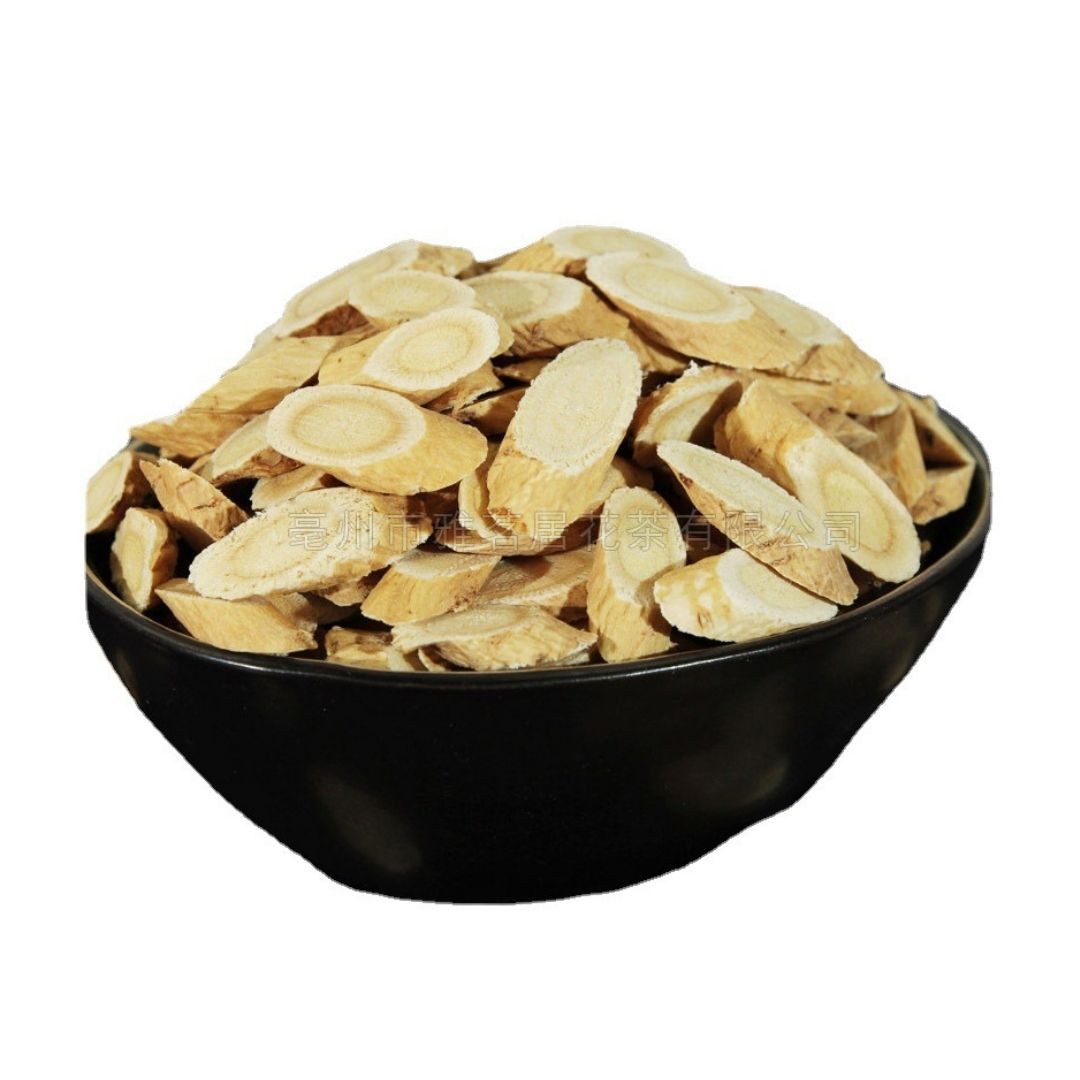
Astragalus, a revered herb in Traditional Chinese Medicine, has been used for centuries to promote overall well-being, with two primary species, Astragalus membranaceus and Astragalus mongholicus, being the main sources of the herb. The dried root offers a variety of health benefits attributed to its rich composition of active compounds. In TCM theory, astragalus is considered to tonify the Qi, or vital energy, providing a natural boost to the body's defenses, and its adaptogenic properties help the body manage stress and maintain balance.
Main Active Ingredients
The therapeutic effects of astragalus are largely due to its complex blend of active ingredients. Polysaccharides are one of the main components, known for their immune-stimulating and antioxidant properties. Flavonoids contribute to the herb’s antioxidant and anti-inflammatory actions, protecting cells from damage caused by free radicals, and saponins, another key group of compounds, support cardiovascular health and help regulate cholesterol levels. Together, these components work synergistically to enhance the herb's overall health-promoting effects.
Product Application Scenarios, Usage, and Dosage
Astragalus has diverse applications in promoting health; commonly used to support the immune system, it can help the body fight off infections and illnesses, and traditionally, it has been used to enhance energy levels and reduce fatigue. It can be prepared in several ways, including decoctions, teas, and herbal formulas, and often combined with other herbs to enhance its effects, as well as being available in capsule, tablet, and extract forms. The appropriate dosage varies depending on the individual's health status and the specific preparation, as typical dosages ranging from 9 to 30 grams per day in decoctions. Consulting with a qualified healthcare practitioner is recommended to determine the right dosage and usage for individual needs.
Introduction to the Source Plant, Distribution, and Growth Environment
Astragalus membranaceus and Astragalus mongholicus are perennial plants belonging to the Fabaceae family. These plants are native to various regions of Asia, particularly in northern and northeastern China, Mongolia, and Korea, growing well in sunny locations with well-drained soils, often found in grasslands and mountainous areas. The plants typically grow to a height of 1 to 2 meters, featuring pinnately compound leaves and yellowish flowers. The root, which is the primary part used medicinally, is harvested after several years of growth when the active compounds are most concentrated.
Harvesting, Processing, and Storage
The harvesting of astragalus roots typically occurs in the autumn after 4-7 years of cultivation. The roots are then washed, dried, and sliced before being used for medicinal purposes; proper drying is crucial to prevent mold growth and preserve the herb’s active compounds. The dried astragalus root should be stored in a cool, dry place, away from direct sunlight and moisture, to maintain its potency and prevent degradation. Storing astragalus in airtight containers can help extend its shelf life, ensuring that its therapeutic properties are preserved for optimal use.
Citations:
- https://www.ncbi.nlm.nih.gov/books/NBK501818/
- https://www.sciencedirect.com/topics/pharmacology-toxicology-and-pharmaceutical-science/astragalus
- https://www.mskcc.org/cancer-care/integrative-medicine/herbs/astragalus
Mia Wu

Hi, I’m Mia Wu! I love helping customers discover the best natural ingredients for their products. With a passion for herbs, spices, and fungi, I work to make sure you get only the finest raw materials. Let's grow together! 🌱✨