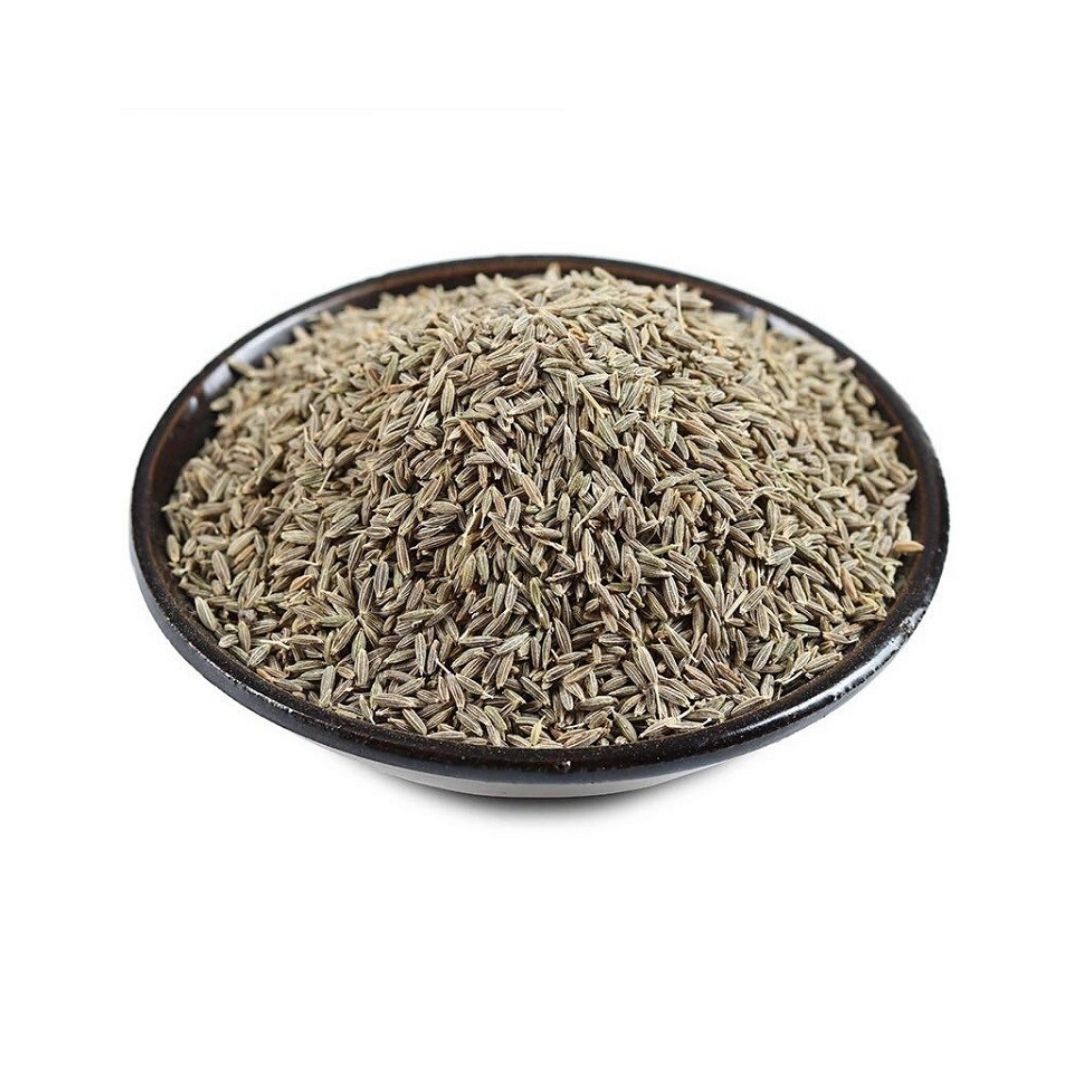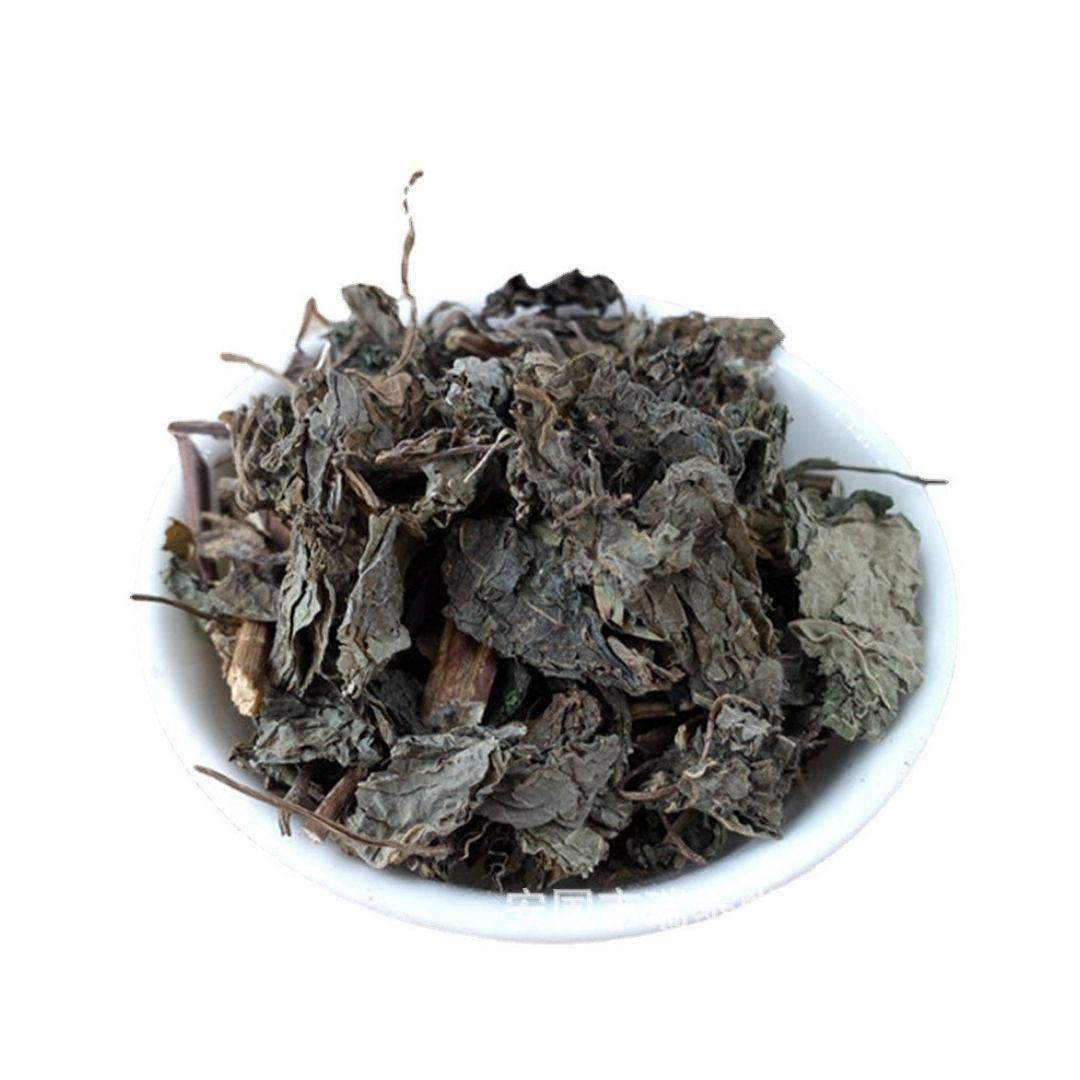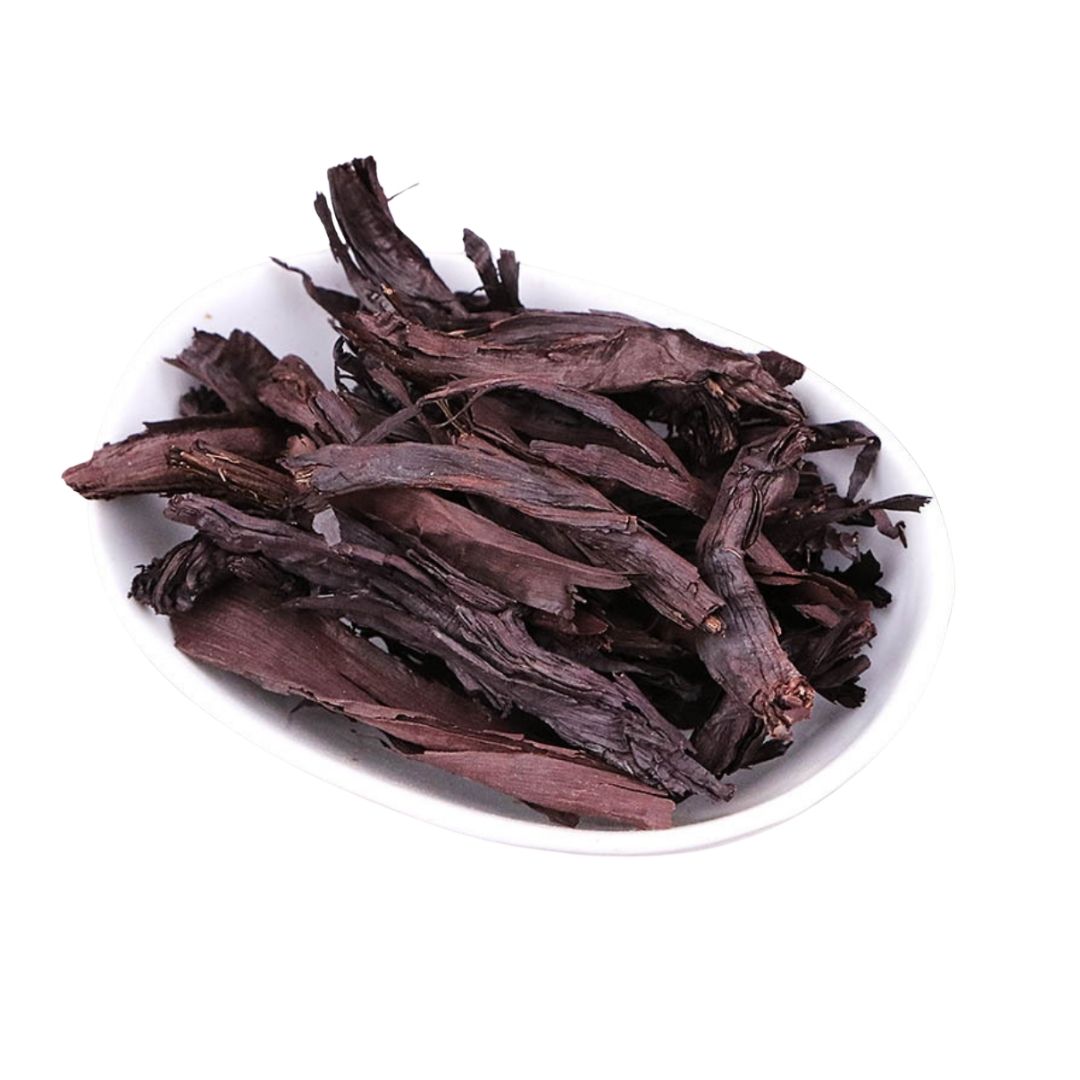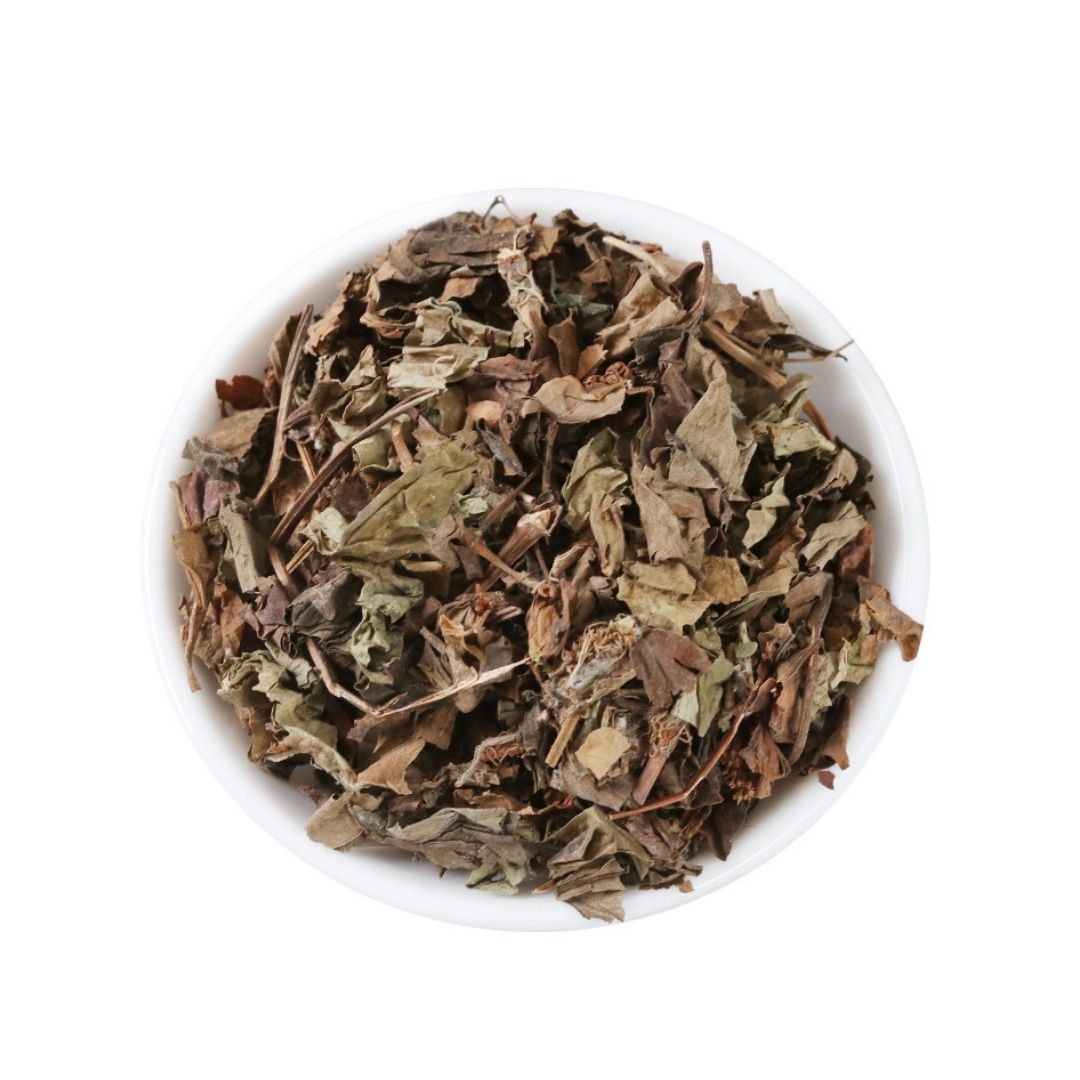


Product Introduction
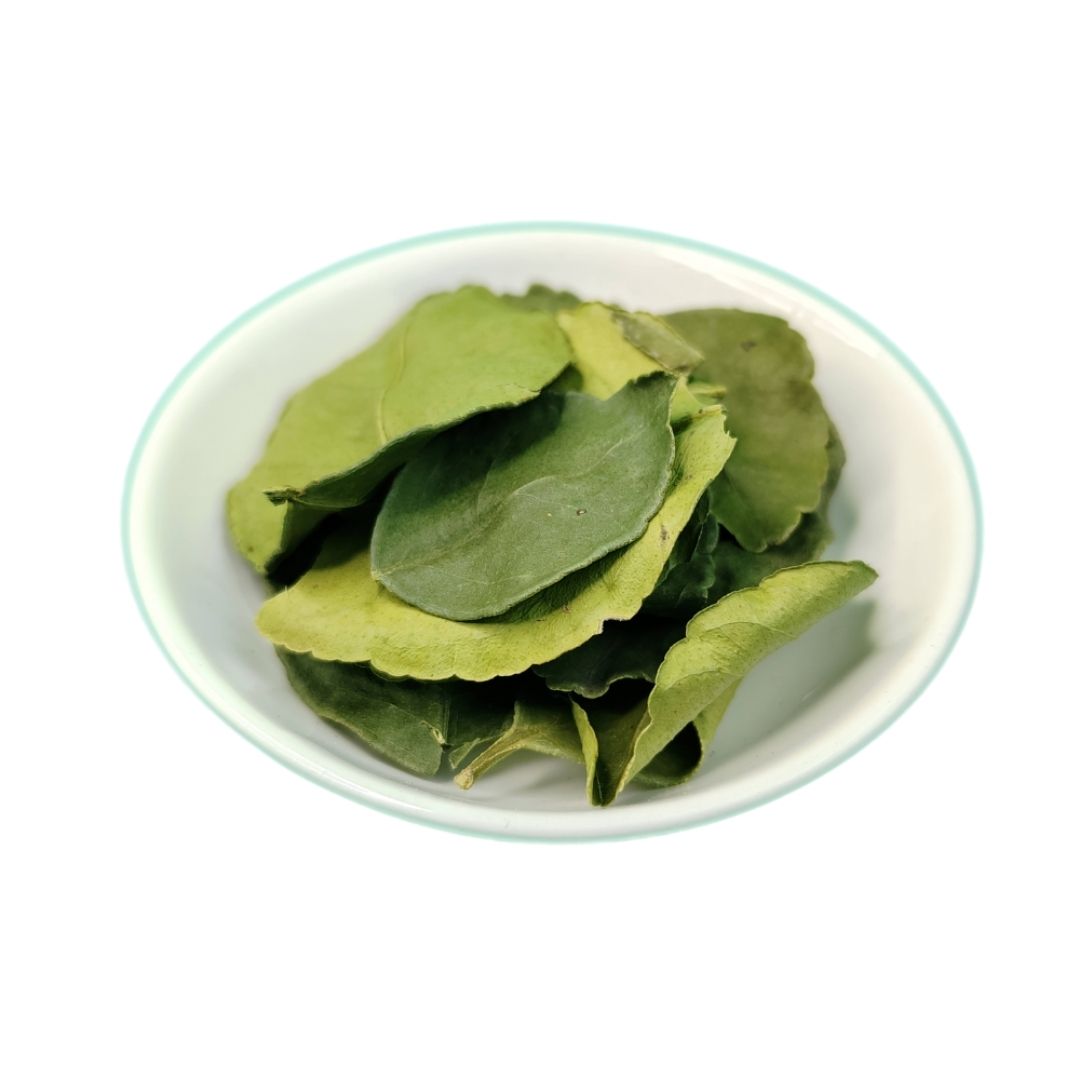
Arrowleaf orange, derived from the leaves of the Citrus aurantium tree, is a versatile ingredient used across culinary, aromatic, and traditional medicinal applications. The bitter orange tree, originally from Southeast Asia, is now cultivated in various regions worldwide, including the Mediterranean, and parts of the United States. The leaves are characterized by their distinctive arrow shape and contain a complex array of aromatic compounds, contributing to their unique scent and flavor.
The primary use of arrowleaf orange is in flavoring a wide range of dishes. Fresh or dried leaves can be added to stews, sauces, and marinades, imparting a subtle citrus note with a hint of bitterness. In some cultures, the leaves are also used to make herbal teas, offering a refreshing and healthful beverage. The essential oil extracted from arrowleaf orange is highly valued in aromatherapy for its uplifting and stress-relieving properties.
In the perfume industry, neroli oil, derived from the flowers of the bitter orange tree, shares similar aromatic compounds with the leaves, thus making the leaves valuable in creating complex and layered fragrances. The leaves are often included in potpourris and herbal sachets for their enduring fragrance, which provides a natural and pleasant aroma to enclosed spaces.
Aromatic Chemical Composition
The aromatic profile of arrowleaf orange is mainly attributed to a complex mix of volatile organic compounds. Limonene is one of the most abundant compounds, lending the characteristic citrusy scent. Linalool contributes floral and slightly sweet undertones, while neroli oil, although primarily extracted from the flowers, is also present in smaller quantities in the leaves, adding to the aroma. Other notable compounds include alpha-pinene, beta-pinene, myrcene, and geraniol, which contribute nuances of pine, spice, and rose. These compounds interact synergistically to create the unique and complex aroma of arrowleaf orange leaves. [1]
What Types of Products Are Available?
Arrowleaf orange is available in several forms to suit various applications. Fresh leaves are commonly used in cooking, providing an immediate burst of flavor and aroma when added to dishes. Dried leaves offer a longer shelf life and can be used in teas, infusions, and spice blends. Essential oil extracted from the leaves is highly concentrated and is used in aromatherapy, perfumery, and flavoring. Additionally, arrowleaf orange is sometimes available in powdered form, which can be easily incorporated into dry rubs, marinades, and spice mixes. Each form offers a unique way to experience the distinctive flavor and aroma of arrowleaf orange.
Application Scenarios and Usage Dosage
In the culinary field, arrowleaf orange is used to enhance a variety of dishes with its distinctive citrusy, slightly bitter flavor. It is a common ingredient in Caribbean, Latin American, and Southeast Asian cuisines. The leaves can be used fresh or dried, depending on the desired intensity of flavor.
For stews and soups, adding 2-3 fresh leaves or 1-2 dried leaves per serving can impart a subtle citrus note. The leaves should be added early in the cooking process to allow the flavors to infuse properly. In marinades for meats or poultry, chopped fresh leaves can be combined with other herbs and spices to create a complex flavor profile. A typical dosage is about 1 tablespoon of chopped leaves per pound of meat.
In beverages, such as herbal teas or cocktails, arrowleaf orange leaves can be steeped in hot water or muddled with other ingredients. For tea, using 2-3 fresh leaves or 1 teaspoon of dried leaves per cup of water is recommended, steeping for about 5-10 minutes to extract the flavor. In desserts, the zest of the arrowleaf orange can be used to add a citrusy aroma to cakes, cookies, and custards. A small amount, typically 1-2 teaspoons of zest per batch, is sufficient to impart the desired flavor.
When using arrowleaf orange essential oil in culinary applications, it is essential to use it sparingly due to its concentrated nature. A single drop is usually adequate for flavoring an entire dish or batch of baked goods. The oil should be mixed thoroughly with other ingredients to ensure even distribution. [2]
Introduction to the Source Plant, Distribution, and Growing Environment
The bitter orange tree (Citrus aurantium) is a large evergreen tree that can grow up to 30 feet tall. It is characterized by its glossy, dark green leaves and fragrant white flowers. The tree is native to Southeast Asia but is now cultivated in various regions around the world, including the Mediterranean, parts of Africa, and the United States (particularly Florida and California).
The tree thrives in warm, subtropical climates with plenty of sunlight and well-drained soil. It prefers a slightly acidic to neutral soil pH and requires regular watering, especially during dry periods. Bitter orange trees are relatively hardy and can tolerate temperatures as low as 20°F (-6°C) for short periods, although they are susceptible to frost damage. The trees are propagated through seeds, cuttings, or grafting onto other citrus rootstocks. Grafting is the preferred method for commercial cultivation, as it ensures consistent fruit quality and disease resistance. [3]
Harvesting, Processing, and Storage Preservation
The harvesting of arrowleaf orange leaves typically occurs in the late spring or early summer when the leaves are young and have the highest concentration of aromatic oils. The leaves are hand-picked to avoid damaging the tree. Once harvested, the leaves can be used fresh or processed for drying or essential oil extraction.
For drying, the leaves are spread out in a thin layer on screens or trays and allowed to air dry in a cool, dark, and well-ventilated area. The drying process can take several days to a few weeks, depending on the humidity and temperature. Alternatively, the leaves can be dried in a dehydrator at a low temperature (around 100°F or 38°C) to speed up the process.
To extract essential oil, the leaves are steam distilled. In this method, steam is passed through the leaves, causing the aromatic compounds to evaporate. The steam is then condensed, and the essential oil is separated from the water.
Proper storage is crucial to maintain the quality and potency of arrowleaf orange leaves. Dried leaves should be stored in an airtight container in a cool, dark, and dry place. This will help to prevent moisture absorption and oxidation, which can degrade the flavor and aroma. The shelf life of dried arrowleaf orange leaves is typically about one year. Essential oil should be stored in a dark glass bottle in a cool, dark place away from direct sunlight and heat. Under proper storage conditions, essential oil can last for several years. [4]
Citations:
- Asbahani, A., Miladi, K., Badri, W., Salas, M.,Ait Addi, E. H., Casabianca, H., … & Moussaoui, W. (2015).
Citrus fruit phenolics, synergism, and bioactivities. Journal of Functional Foods, 18, 582-599. - Harkat-Madouri, M., Madani, K., Remini, H., Atik-Bekkara, F., Martins, N., Castro-Guerreiro, S., & Daglia, M. (2018). Chemical Composition, Antioxidant and Anti-Inflammatory Activities of Bitter Orange (Citrus aurantium L.) Peel and Distillate. Foods, 7(4), 74.
- Morton, J. F. (1987). Fruits of warm climates. Julia F. Morton.
- Salehi, B., Prakash Mishra, A., Shukla, I., Karazhanov, E., Kucharska, A. Z., Jaafari, M. R., … & Martorell, M. (2019). Citrus aurantium: A comprehensive overview of its properties and health effects. Applied Sciences, 9(13), 2431.
Mia Wu

Hi, I’m Mia Wu! I love helping customers discover the best natural ingredients for their products. With a passion for herbs, spices, and fungi, I work to make sure you get only the finest raw materials. Let's grow together! 🌱✨