

Product Introduction
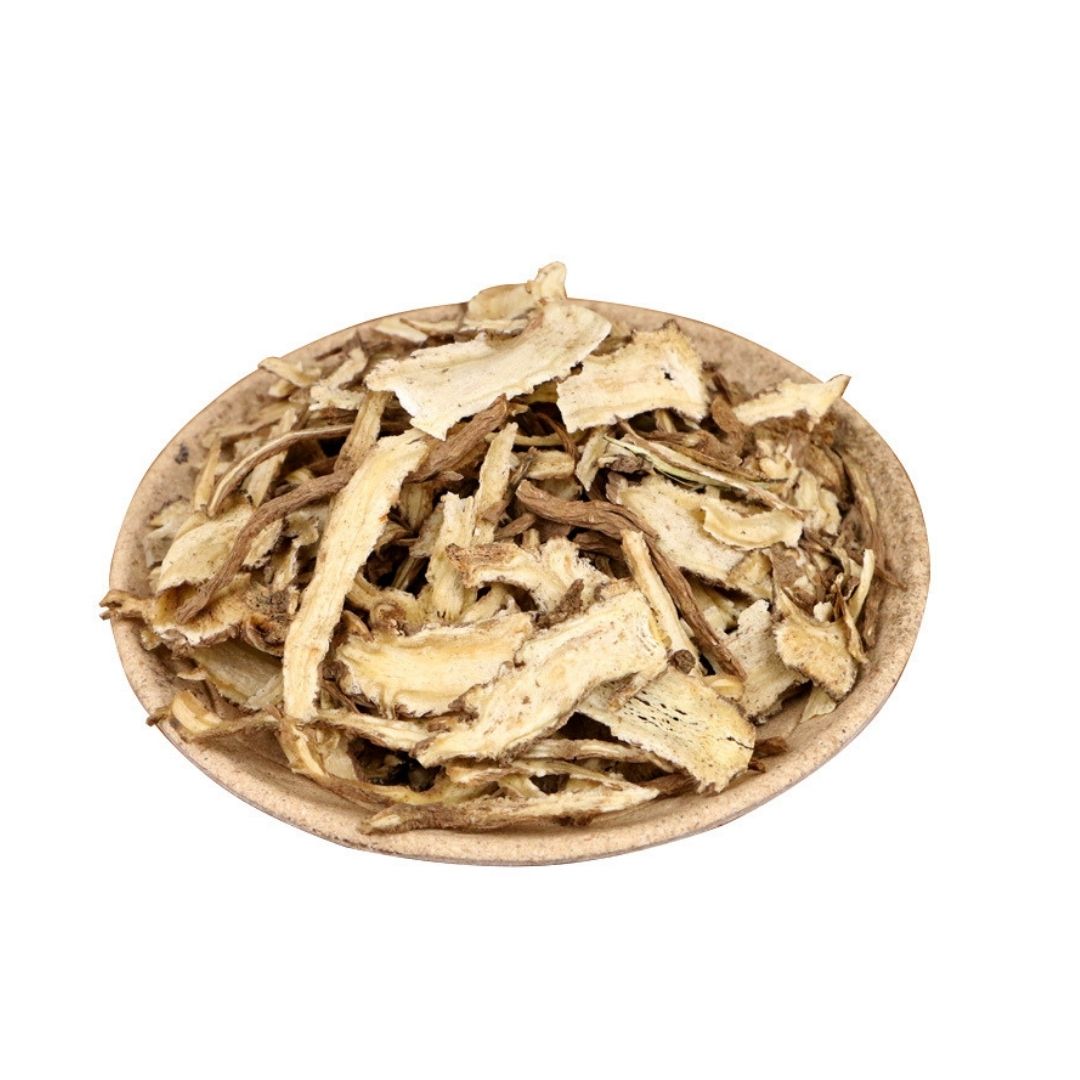
Angelica Sinensis, commonly known as Danggui, is a widely used herb in Traditional Chinese Medicine (TCM). The dried root of Angelica sinensis is valued for its medicinal properties, particularly in women's health. It is often used to address conditions related to blood deficiency and blood stagnation. Angelica is recognized for its ability to nourish and invigorate the blood, promote circulation, regulate menstrual cycles, and alleviate pain.
Main Active Ingredients
The therapeutic effects of Angelica are attributed to its complex chemical composition. Essential oils contribute to its aromatic properties and may have anti-inflammatory effects. Ferulic acid is an antioxidant that may protect against cellular damage due to oxidation. Polysaccharides in Angelica could be beneficial in modulating the immune system and providing energy.
Product Application Scenarios, Usage, and Dosage
Angelica is prescribed in TCM for various conditions. These include menstrual irregularities, such as amenorrhea and dysmenorrhea; anemia, characterized by blood deficiency; and pain syndromes. It is also used to promote healing after childbirth. The herb can be used alone or in combination with other herbs in formulations. The typical dosage of Angelica is around 3-15 grams per day, usually taken in decoction form. The appropriate dosage can depend on individual health conditions and formulas.
Introduction to the Source Plant, Distribution, and Growth Environment
Angelica sinensis is a perennial herb native to China. It commonly grows in high-altitude mountainous regions, typically at elevations between 1600 and 2500 meters. The plant prefers cool, moist environments with well-drained soil. It is primarily found in provinces such as Gansu, Yunnan, Sichuan, and Shaanxi. The plant reaches a height of about 0.4-1.5 meters.
Harvesting, Processing, and Storage
Angelica roots are usually harvested in the fall, typically three years after planting. After harvesting, the roots are cleaned, dried, and processed. The processing may involve slicing or cutting the roots into smaller pieces. The dried Angelica root should be stored properly to maintain its quality and potency. It is best to store it in a cool, dry place away from direct sunlight and moisture. Proper storage helps prevent mold growth and degradation of active compounds.
Citations
- Chen, J. K., & Chen, T. T. (2004). Chinese Medical Herbology and Pharmacology. Art of Medicine Press.
- Bensky, D., Clavey, S., & Stöger, E. (2015). Chinese Herbal Medicine: Materia Medica, 3rd Edition. Eastland Press.
- Um, M. Y., Jang, H. J., Kim, J. H., Kim, M. S., Choi, I. Y., An, J. Y., … & Ha, T. Y. (2012). Angelica sinensis extract protects against amyloid β-induced neurotoxicity in vitro and in vivo. Journal of Ethnopharmacology, 141(1), 313-319.
Mia Wu

Hi, I’m Mia Wu! I love helping customers discover the best natural ingredients for their products. With a passion for herbs, spices, and fungi, I work to make sure you get only the finest raw materials. Let's grow together! 🌱✨