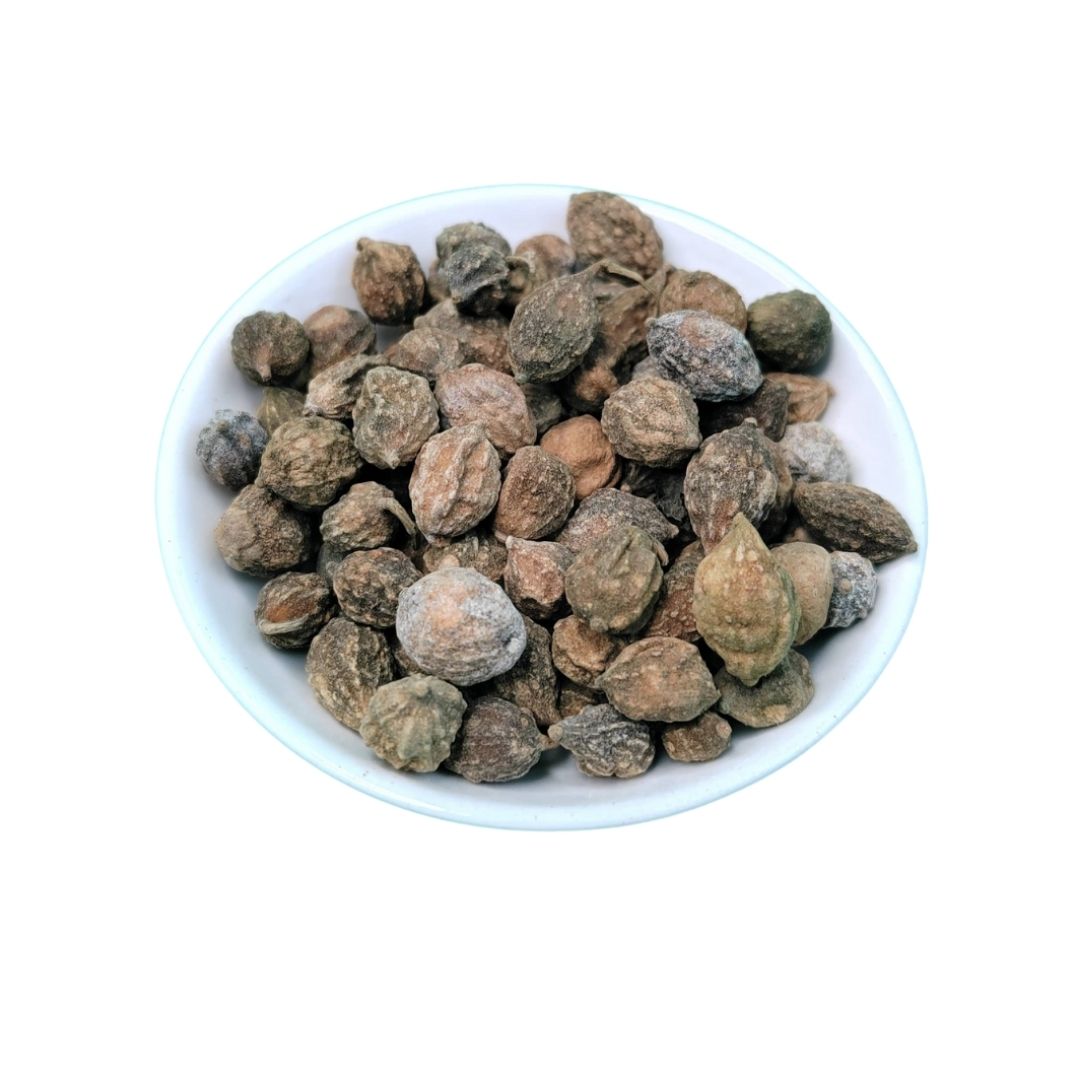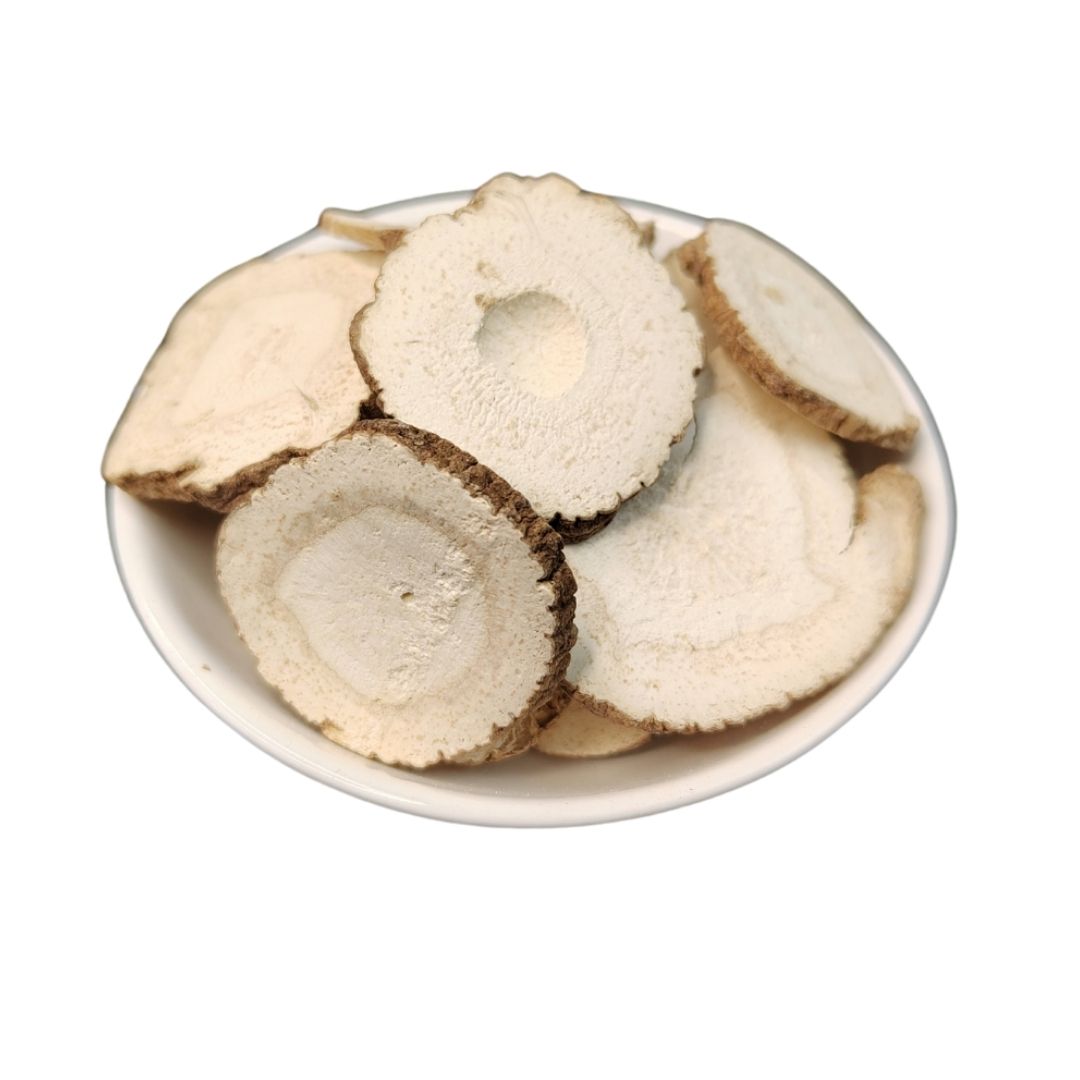


Product Introduction
Angelica dahurica, also known as Dahurian angelica, is a plant species belonging to the Apiaceae family. Its root is commonly used in traditional medicine, as a spice, and as a flavoring agent. The plant is native to East Asia, including regions of China, Korea, and Japan. The root is characterized by its strong aromatic and pungent flavor, with a slightly bitter undertone.
The primary chemical constituents of Angelica dahurica include coumarins, volatile oils, and flavonoids. These compounds contribute to its medicinal and flavor properties. Coumarins, such as imperatorin and phellopterin, are known for their various biological activities. The volatile oils contribute to the characteristic aroma of the root. Flavonoids act as antioxidants.
In traditional medicine, Angelica dahurica is used to treat a variety of ailments, including headaches, toothaches, and skin infections. It is also believed to have analgesic, anti-inflammatory, and antibacterial properties. As a spice, Angelica dahurica is used to flavor various dishes, particularly in East Asian cuisine. It is often added to soups, stews, and meat dishes to enhance their flavor. Furthermore, it is used in the production of certain alcoholic beverages and herbal teas for its distinct flavor profile. The roots are typically dried before use.
Aromatic Chemical Composition
The aromatic chemical composition of Angelica dahurica is characterized by a variety of volatile compounds, which contribute significantly to its distinctive scent and flavor profile. Research has identified several key constituents, including:
- Coumarins: Imperatorin, oxypeucedanin, phellopterin, and byakangelicin are among the most abundant coumarins found in Angelica dahurica. These compounds contribute to the plant's overall aroma and flavor profile.
- Volatile Oils: The volatile oil fraction contains compounds such as beta-pinene, limonene, and myrcene. These contribute to the fresh, citrusy, and slightly woody notes.
- Other Compounds: Falcarindiol and other minor components also contribute to the overall complexity of the aromatic profile. More detailed analysis using advanced techniques such as GC-MS has revealed a broader array of compounds, each contributing subtle nuances to the overall aroma [1].
What Types of Products Are Available?
Angelica dahurica is available in several forms:
- Dried Roots: The most common form, used for decoctions, infusions, and spice.
- Powdered Root: This form is convenient for adding to recipes, encapsulation, or mixing into herbal formulations.
- Extracts: Concentrated extracts can be liquid or solid and are used in dietary supplements and flavoring applications.
- Essential Oil: While less common, the essential oil is sometimes available for aromatherapy or specialized flavoring purposes.
Application Scenarios and Usage Dosage
In culinary applications, Angelica dahurica is used to impart a distinctive flavor to a variety of dishes. Its flavor profile is complex, offering a combination of bitterness, pungency, and aromatic notes, making it suitable for specific types of cuisine.
Culinary Uses:
- Soups and Stews: The dried root can be added to soups and stews to enhance the depth of flavor. It pairs well with meat-based broths and vegetable-based stocks, contributing a subtle spiciness and warmth.
- Meat Dishes: Angelica dahurica can be used as a spice rub for meats, particularly pork and poultry. The root's aromatic compounds penetrate the meat during cooking, adding complexity to the dish. It can also be added to marinades.
- Pickling and Preserving: The root can be included in pickling brines and preserving solutions to add flavor and antimicrobial properties. It is often used in combination with other spices such as star anise, cloves, and Sichuan peppercorns.
- Herbal Teas and Infusions: A small amount of the dried root can be steeped in hot water to create an herbal tea. The tea has a slightly bitter and aromatic flavor, and is often consumed for its potential health benefits.
Usage Dosage:
The appropriate dosage of Angelica dahurica varies depending on the application. For culinary uses, a small amount is typically sufficient to impart the desired flavor.
- Soups and Stews: A typical dosage is 1-2 grams of dried root per liter of liquid. The root should be added early in the cooking process to allow the flavors to fully develop.
- Meat Dishes: Use approximately 0.5-1 gram of powdered root per pound of meat. Mix the powder with other spices and herbs to create a flavorful rub.
- Pickling and Preserving: Add 2-3 grams of dried root per liter of pickling brine. Adjust the amount based on personal preference.
- Herbal Teas and Infusions: Steep 0.5-1 gram of dried root in 250 ml of hot water for 10-15 minutes. Strain before serving.
Considerations:
- Angelica dahurica has a strong flavor, so it should be used sparingly. Overuse can result in a bitter or overpowering taste.
- When using the dried root, it is best to soak it in water for a few minutes before adding it to dishes. This helps to soften the root and release its flavors more effectively.
- Pregnant women should avoid using Angelica dahurica due to its potential effects on uterine contractions [2]. Consult with a healthcare professional before using Angelica dahurica for medicinal purposes.
Introduction to the Source Plant, Distribution, and Growing Environment
Angelica dahurica is a perennial herb belonging to the Apiaceae family, characterized by its robust growth and distinctive morphological features. The plant typically grows to a height of 1 to 2 meters, featuring hollow stems, large compound leaves, and umbrella-shaped clusters of white flowers. The root is thick, fleshy, and aromatic, representing the economically valuable part of the plant [3].
Distribution:
Angelica dahurica is native to East Asia, with a primary distribution range encompassing regions of China, Korea, and Japan. In China, it is predominantly found in the northeastern provinces, including Heilongjiang, Jilin, and Liaoning, as well as in some northern and central areas [4]. The plant thrives in mountainous regions and is often cultivated for medicinal purposes.
Growing Environment:
Angelica dahurica prefers cool and moist environments with well-drained soil. It typically grows at elevations ranging from 300 to 1500 meters above sea level. The plant requires partial shade and protection from direct sunlight, particularly during the hottest months of the year. The soil should be rich in organic matter and have a slightly acidic to neutral pH.
Harvesting, Processing, and Storage Preservation
Harvesting:
The roots of Angelica dahurica are typically harvested in the fall, usually two to three years after planting. The optimal time for harvesting is when the plant's aerial parts begin to wither, indicating that the root has reached its peak maturity and concentration of active compounds. The roots are carefully dug up, ensuring minimal damage to the root structure.
Processing:
After harvesting, the roots are thoroughly washed to remove any soil or debris. The cleaned roots are then sliced into smaller pieces or strips to facilitate drying. The drying process is crucial for preserving the quality and extending the shelf life of the roots. Traditionally, the roots are sun-dried, but modern methods such as air-drying or low-temperature oven-drying are also employed to maintain the root's color and aroma [5].
Storage Preservation:
To preserve the quality and potency of Angelica dahurica roots, proper storage is essential. The dried roots should be stored in a cool, dry, and dark place to prevent moisture absorption and degradation of active compounds. The ideal storage temperature is below 25°C, with relative humidity below 60%. The roots should be stored in airtight containers, such as glass jars or sealed plastic bags, to protect them from exposure to air and light. Additionally, it is important to protect the roots from pests and rodents.
Citations:
[1] Zhao, Y., et al. "Chemical composition and antimicrobial activity of the essential oil of Angelica dahurica." Journal of Ethnopharmacology 137.1 (2011): 555-560.
[2] Awang, D. V. C. "Angelica." Canadian Pharmaceutical Journal 122.5 (1989): 269-271.
[3] Li, H., et al. "Pharmacological effects of Angelica dahurica." Journal of Traditional Chinese Medicine 33.2 (2013): 260-264.
[4] Chen, S. L., et al. "The genus Angelica (Umbelliferae) in China: A review of its taxonomy, ethnobotany, pharmacology and utilization." Journal of Ethnopharmacology 128.1 (2010): 41-62.
[5] Zhang, Q., et al. "Effect of drying methods on the quality of Angelica dahurica root." LWT - Food Science and Technology 60.2 (2015): 1009-1015.
Mia Wu

Hi, I’m Mia Wu! I love helping customers discover the best natural ingredients for their products. With a passion for herbs, spices, and fungi, I work to make sure you get only the finest raw materials. Let's grow together! 🌱✨