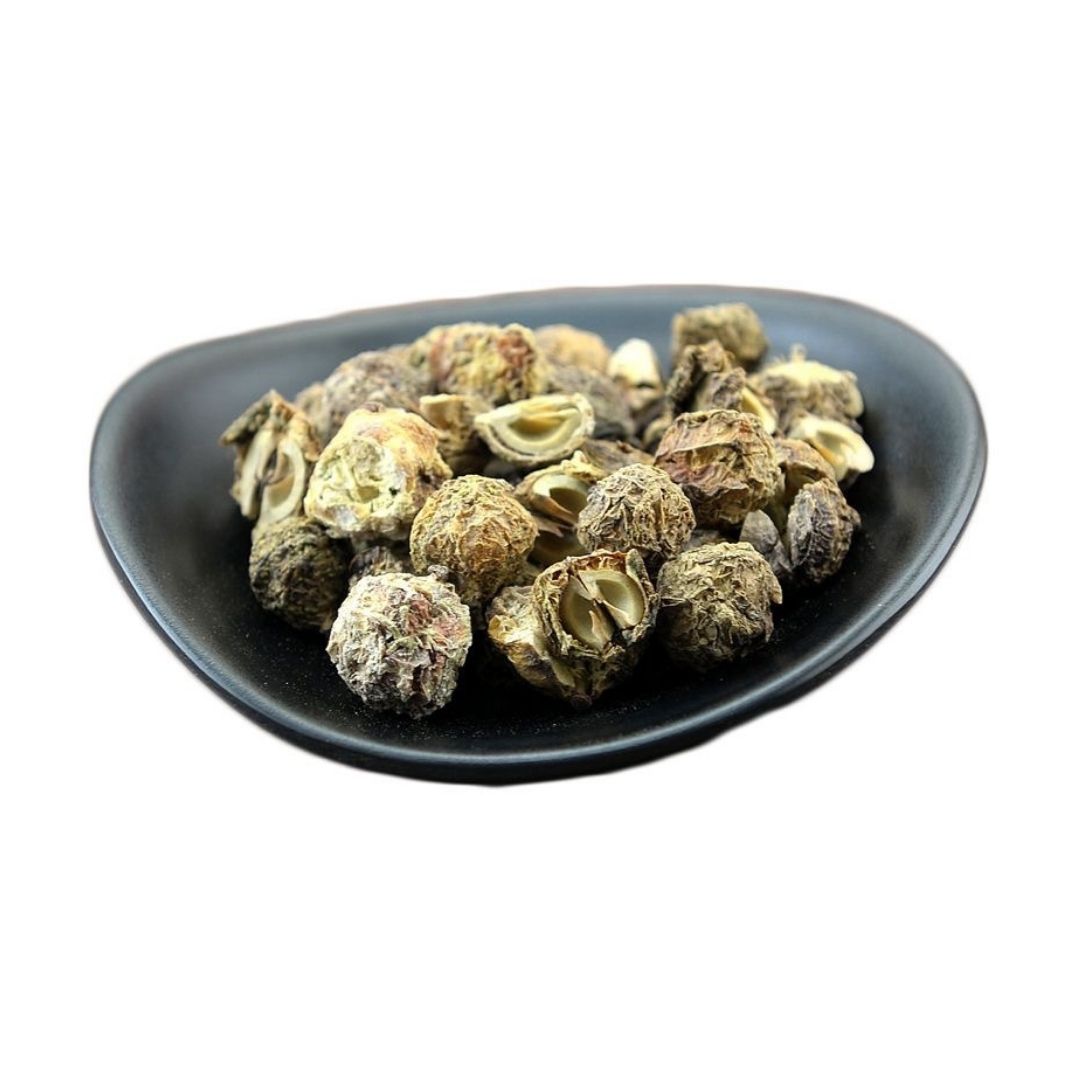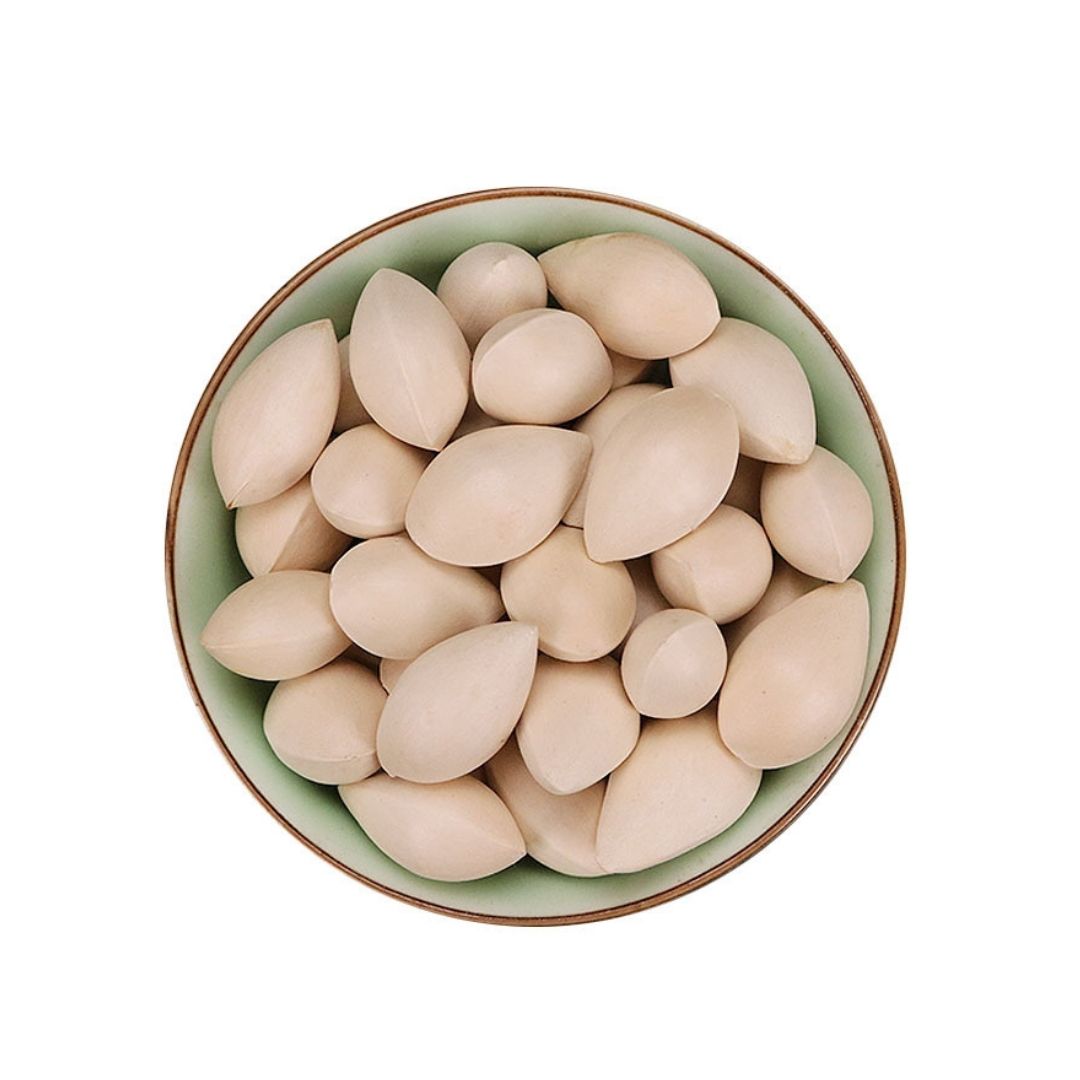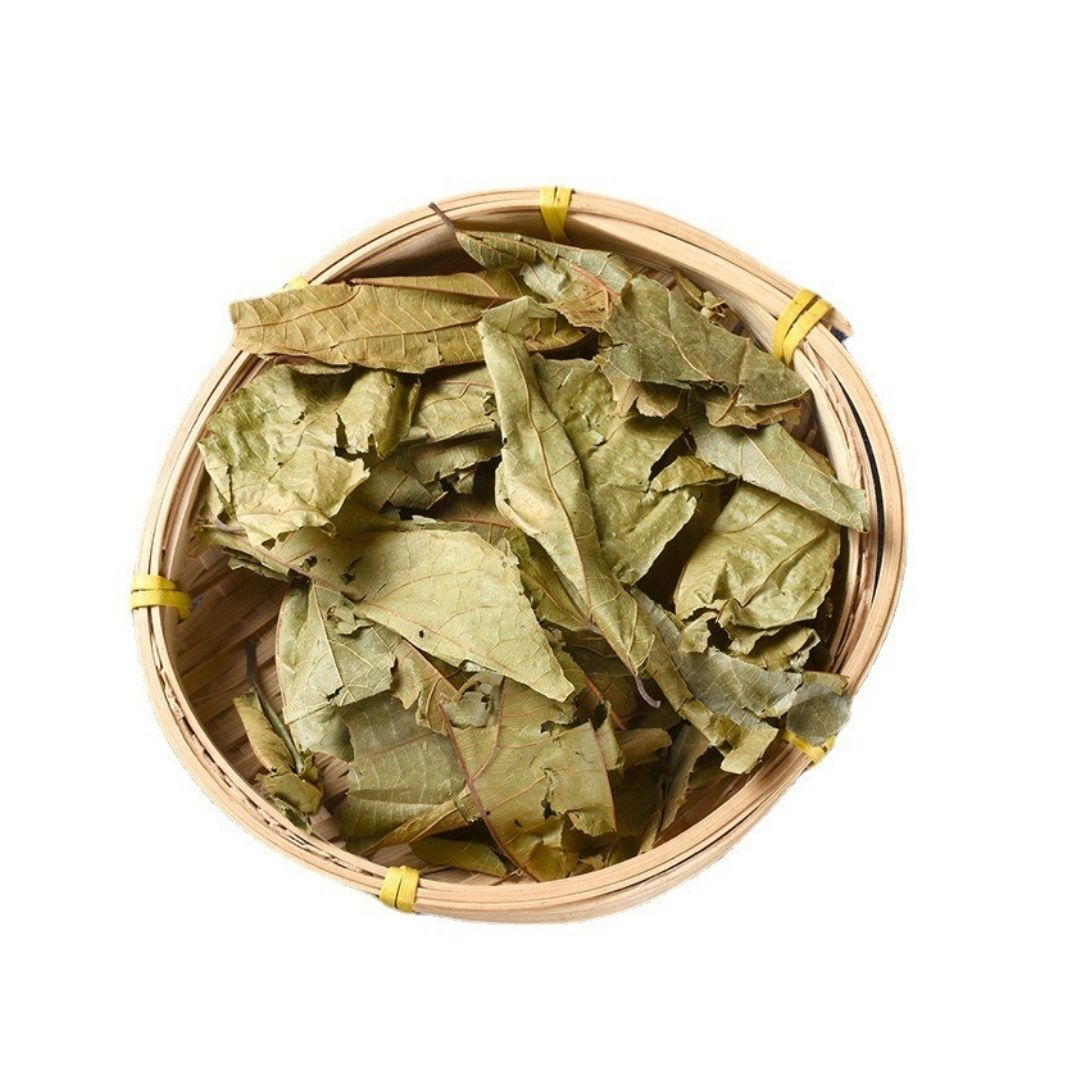


Product Introduction
Andrographis paniculata, also known as the "King of Bitters," is an annual herbaceous plant widely used in traditional medicine systems. These systems include Ayurveda, traditional Chinese medicine, and traditional Thai medicine. It is native to South Asian countries such as India and Sri Lanka, and Southeast Asian countries such as Thailand. The plant has a long history of use, particularly in these regions, due to its perceived health benefits.
Main Active Ingredients
The primary active constituent of Andrographis paniculata is andrographolide, a diterpenoid lactone known for its various pharmacological activities. Other significant compounds include neoandrographolide, 14-deoxyandrographolide, and various flavonoids. Andrographolide is often the most studied compound, and it is considered responsible for many of the herb's therapeutic effects. These compounds work synergistically to contribute to the overall medicinal properties of the herb.
Product Application Scenarios, Usage, and Dosage
Andrographis paniculata is commonly used to help mitigate symptoms associated with the common cold and upper respiratory tract infections. It can be found in many formulations that are intended to provide relief from coughs, sore throats, and nasal congestion. The herb is also sometimes used for what is thought to be its anti-inflammatory and antipyretic effects.
Dosage varies depending on the formulation and the specific product. Clinical trials typically use standardized extracts containing a specific percentage of andrographolide. For common cold symptoms, a typical dosage might range from 400 to 600 mg of a standardized extract, containing, for example, 30% andrographolides, daily, divided into multiple doses. It is available in different forms, including capsules, tablets, and liquid extracts.
Introduction to the Source Plant, Distribution, and Growth Environment
Andrographis paniculata is an annual herb that typically grows to a height of 30 to 110 cm. The plant features lance-shaped leaves, white flowers with purple spots, and quadrangular stems. It thrives in moist, shady areas and is commonly found in tropical and subtropical regions of Asia. It requires well-drained soil and a warm, humid climate for optimal growth. It can be cultivated or found growing wild in forests, plains, and wastelands.
Harvesting, Processing, and Storage
The Andrographis paniculata plant is typically harvested during the flowering stage, usually in the late autumn. The entire plant, including the leaves, stems, and roots, can be harvested for medicinal use. After harvesting, the plant material is cleaned, dried and is usually done under shade to preserve its active constituents. The dried herb is then processed into various forms, such as powders, extracts, or used directly in herbal formulations. Proper storage is crucial to maintain the herb’s potency, keep andrographis in a cool, dry environment away from direct sunlight and moisture.
Citations
- Okhuarobo, A., et al. "Harnessing the medicinal properties of Andrographis paniculata for diseases and beyond: a review of ten years of research." African Journal of Pharmacy and Pharmacology 6.14 (2012): 999-1009.
- Akbar, S. "Andrographis paniculata: A review of pharmacological activities and clinical effects." Alternative Medicine Review 16.1 (2011): 66-77.
- Mishra, S. K., et al. "Andrographis paniculata: a brief review of its pharmacological activities." International Journal of Pharmaceutical Sciences and Research 2.7 (2011): 1621.
Mia Wu

Hi, I’m Mia Wu! I love helping customers discover the best natural ingredients for their products. With a passion for herbs, spices, and fungi, I work to make sure you get only the finest raw materials. Let's grow together! 🌱✨