

Product Introduction
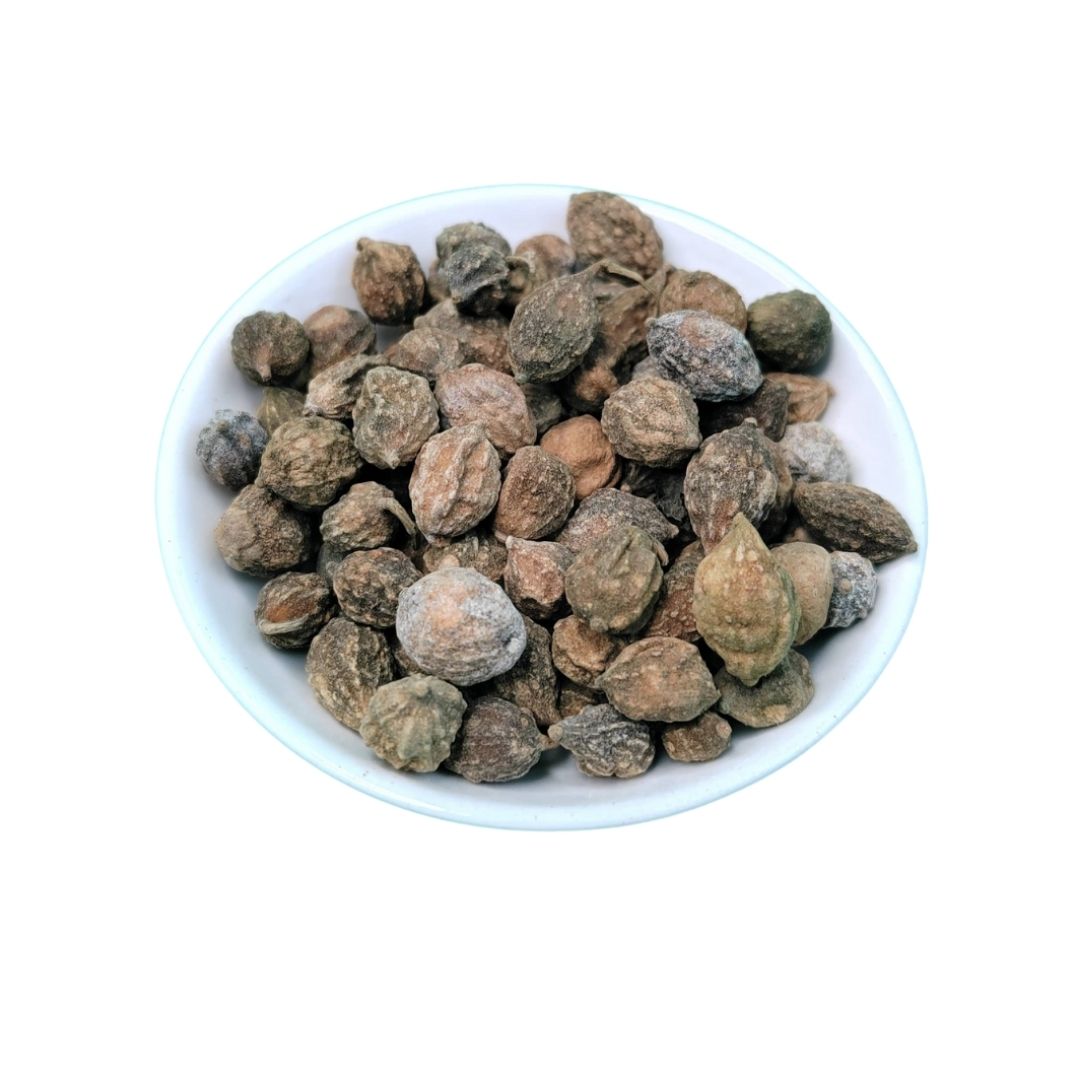
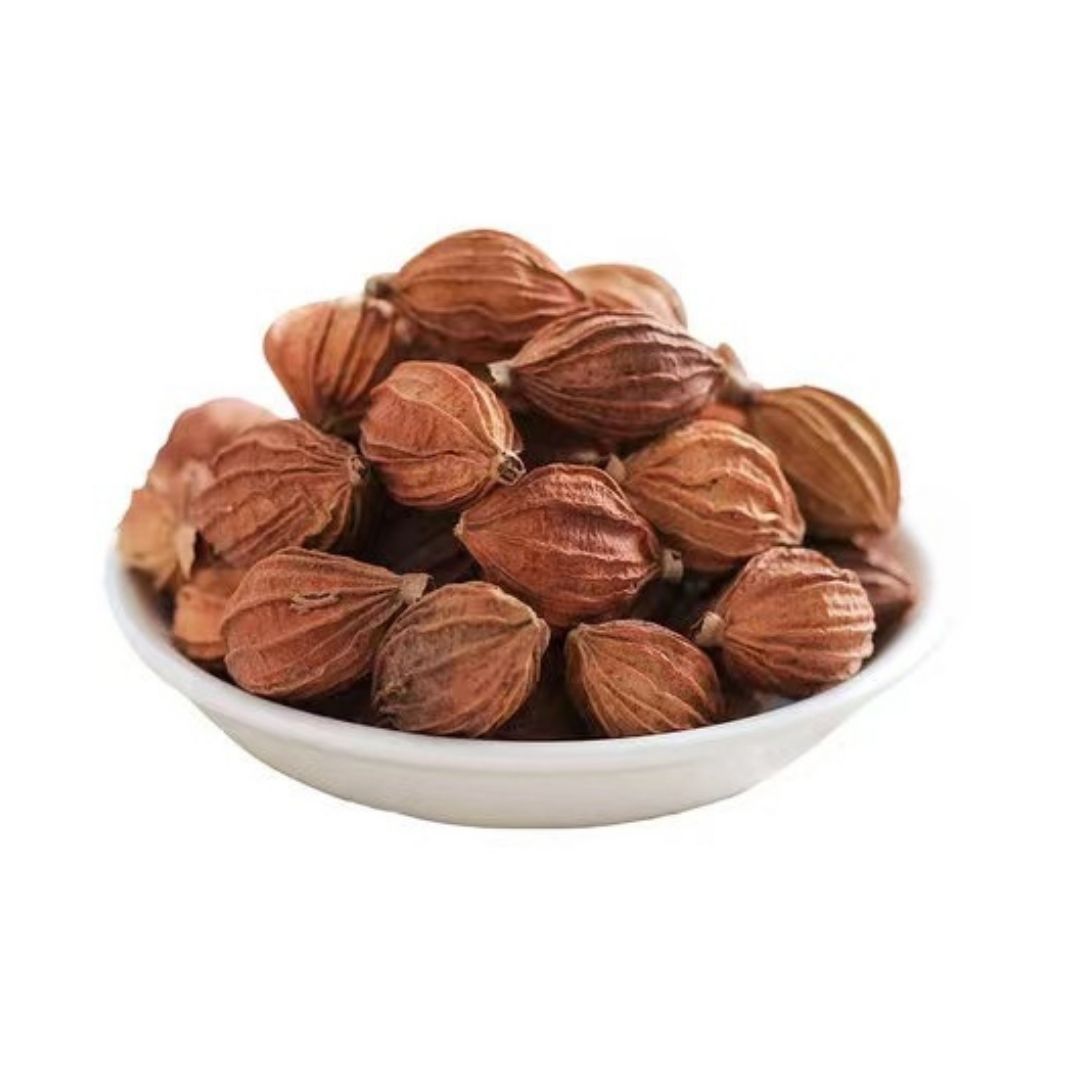
Amomum villosum, also known as villous amomum fruit, is a spice derived from the fruit of the Amomum villosum plant, a member of the ginger family (Zingiberaceae). This plant is native to Southeast Asia, particularly regions of China, Vietnam, and Laos. The spice is characterized by its small, brown, ovate pods, which contain reddish-brown seeds. These seeds are the primary source of its distinctive aroma and flavor.
The traditional use of Amomum villosum spans both culinary and medicinal applications. In cooking, it is often employed to add warmth and complexity to dishes, particularly in Chinese and Vietnamese cuisine. Its flavor profile is often described as a combination of spicy, warm, and slightly camphoraceous notes, contributing a unique dimension to various recipes. Medicinally, it has been used in traditional Chinese medicine (TCM) to address digestive issues and promote overall well-being.
The spice's aroma and flavor are largely attributed to its volatile oil composition, which includes key compounds such as 1,8-cineole, camphor, and borneol. These compounds contribute to its overall sensory profile and potential therapeutic effects. Due to its aromatic qualities, Amomum villosum is sometimes used in the flavoring of certain products, although its primary application remains in culinary practices. Proper storage in a cool, dry environment is essential to preserve its quality and aroma.
Aromatic Chemical Composition
The aromatic profile of Amomum villosum is attributed to its complex chemical composition, particularly the volatile oils present in its seeds. Key compounds identified include:
- 1,8-Cineole (Eucalyptol): This monoterpenoid is a major component, contributing to the spice's fresh, camphoraceous, and slightly cooling aroma [1].
- Camphor: Known for its strong, penetrating, and slightly medicinal scent [2].
- Borneol: Provides woody and camphor-like notes, adding to the overall complexity [3].
- Alpha-Pinene and Beta-Pinene: Contribute to the resinous, pine-like aroma.
- Limonene: Adds a citrusy and fresh element.
These compounds, along with other minor constituents, synergistically create the distinctive and complex aromatic profile of Amomum villosum.
What Types of Products Are Available?
- Dried Fruit Pods: The most common form, typically sold whole or slightly crushed.
- Ground Spice: Powdered form for easier incorporation into recipes.
- Extracts and Oils: Concentrated forms used in flavoring and traditional medicine.
Application Scenarios and Usage Dosage
Amomum villosum, with its unique blend of spicy, warm, and slightly camphoraceous notes, finds versatile application in the culinary world, particularly within Asian cuisines. It serves as a distinctive flavoring agent, imparting depth and complexity to a variety of dishes. The usage methods and dosages vary depending on the specific recipe and desired intensity of flavor.
In Chinese cuisine, Amomum villosum is frequently employed in braised dishes, where it contributes a warm and aromatic undertone to the braising liquid. It is commonly used in combination with other spices such as star anise, cinnamon, and Sichuan peppercorns, forming a complex flavor base for braised meats and vegetables. The typical dosage for braising is approximately 2-4 pods per kilogram of meat, depending on personal preference. For example, in the preparation of braised pork belly, a few pods of Amomum villosum can elevate the overall flavor profile.
Within Vietnamese cuisine, Amomum villosum serves as a key ingredient in certain traditional soups and stews, where its warm and spicy notes complement the other aromatic herbs and spices used. It may be added whole or slightly crushed to the broth, allowing its flavors to infuse gradually during the cooking process. The recommended dosage for soups and stews is generally 1-3 pods per liter of liquid, adjusted to taste. For example, its inclusion in pho can add a layer of depth and warmth, enhancing the overall sensory experience.
Beyond braising and soups, Amomum villosum also finds application in spice blends, where it contributes its unique flavor profile to create complex and balanced seasonings. It is often combined with other spices such as cardamom, cloves, and ginger, complementing their flavors and adding depth to the blend. These spice blends can be used to season a variety of dishes, including grilled meats, stir-fries, and vegetable dishes. The dosage for spice blends varies depending on the specific application, but a general guideline is to use it sparingly, starting with a small amount and adjusting to taste.
Amomum villosum can also be used to infuse oils and vinegars, imparting its flavor to these liquids for use in dressings, marinades, and sauces. To infuse oil, the pods can be lightly crushed and added to the oil, which is then heated gently to release the flavors. For vinegar infusions, the pods can be added directly to the vinegar and allowed to steep for several weeks. The dosage for infusions depends on the desired intensity of flavor, but a general guideline is to use 2-4 pods per cup of liquid.
In addition, it is sometimes used in desserts and beverages, where its warm and spicy notes can add an interesting twist to traditional recipes. It can be used to flavor baked goods such as cakes and cookies, or added to beverages such as teas and spiced wines. The dosage for desserts and beverages is typically lower than for savory dishes, with a general guideline of using a small pinch of ground spice or a single pod per serving.
Its usage should be approached with careful consideration of its potent flavor. Overuse can lead to a dominant and potentially overpowering taste, masking the other flavors in the dish. It is advisable to start with a small amount and gradually increase it according to taste, ensuring a balanced and harmonious flavor profile.
Introduction to the Source Plant, Distribution, and Growing Environment
Amomum villosum Lour. is a perennial herb belonging to the family Zingiberaceae, commonly known as the ginger family. The plant typically grows to a height of 1-2 meters, characterized by its leafy stems and rhizomatous roots. Its leaves are lance-shaped and arranged alternately along the stem. The plant produces inflorescences at the base, bearing small, reddish-brown fruit pods.
Amomum villosum is native to Southeast Asia, with its primary distribution in the tropical and subtropical regions of China, Vietnam, and Laos [4]. Within China, it is cultivated predominantly in the southern provinces, including Guangdong, Guangxi, and Yunnan [5]. The plant thrives in warm, humid climates with well-drained soils, typically found in mountainous regions. Its cultivation often occurs in shaded environments, such as under the canopy of forests, which provide protection from direct sunlight and maintain a consistent moisture level.
The plant's growing environment is characterized by specific ecological factors that contribute to its optimal development. It requires a minimum annual rainfall of 1,500 mm and a temperature range of 20-30°C. The soil should be rich in organic matter and have a slightly acidic pH. Amomum villosum is often grown alongside other crops, such as tea and rubber, in agroforestry systems that promote biodiversity and sustainable land use.
Harvesting, Processing, and Storage Preservation
The harvesting of Amomum villosum fruits typically occurs in the late summer or early autumn, when the pods have reached full maturity and turned reddish-brown [6]. The fruits are harvested by hand, carefully plucking the pods from the base of the plant. After harvesting, the fruits undergo a series of processing steps to prepare them for use as a spice.
The initial processing step involves drying the fruits to reduce their moisture content and prevent spoilage. Traditional methods of drying include sun-drying, where the fruits are spread out on mats or bamboo trays and exposed to direct sunlight for several days. Modern methods may involve the use of mechanical dryers, which offer greater control over the drying process and reduce the risk of contamination.
Once the fruits are thoroughly dried, they may be sorted and graded based on size, color, and quality. Damaged or discolored pods are typically removed, and the remaining pods are cleaned to remove any residual dirt or debris. The dried fruits are then ready for packaging and storage.
Proper storage is essential to preserve the quality and aroma of Amomum villosum. The dried fruits should be stored in airtight containers, away from direct sunlight, heat, and moisture. A cool, dry environment is ideal for maintaining their freshness and preventing the loss of volatile oils. Under optimal storage conditions, Amomum villosum can retain its quality for up to one year.
In some cases, Amomum villosum may be processed further to produce ground spice or extracts. To create ground spice, the dried fruits are milled into a fine powder using a spice grinder or mortar and pestle. The ground spice should be stored in airtight containers to prevent the loss of flavor and aroma. Extracts are typically produced by solvent extraction, using ethanol or other solvents to extract the volatile oils and other bioactive compounds from the dried fruits. The extracts can be used in flavoring and traditional medicine.
Citations:
- Li, Y., et al. "Chemical composition and antimicrobial activity of the essential oil of Amomum villosum." Journal of Food Science 77.1 (2012): C1-C6.
- Chen, H., et al. "Analysis of volatile compounds in Amomum villosum by gas chromatography-mass spectrometry." Journal of Agricultural and Food Chemistry 52.18 (2004): 5635-5640.
- Zhang, Q., et al. "Antioxidant activity of essential oil from Amomum villosum." Food Chemistry 124.2 (2011): 608-613.
- Larsen, K. "Zingiberaceae." In: Flora Malesiana, Series I, Vol. 9. Kluwer Academic Publishers, 1987, pp. 1-513.
- Wu, D., et al. "Genetic diversity and population structure of Amomum villosum in China." Genetic Resources and Crop Evolution 57.8 (2010): 1213-1224.
- He, X., et al. "Effect of drying methods on the quality of Amomum villosum." Journal of Food Engineering 99.3 (2010): 352-357.
Mia Wu

Hi, I’m Mia Wu! I love helping customers discover the best natural ingredients for their products. With a passion for herbs, spices, and fungi, I work to make sure you get only the finest raw materials. Let's grow together! 🌱✨