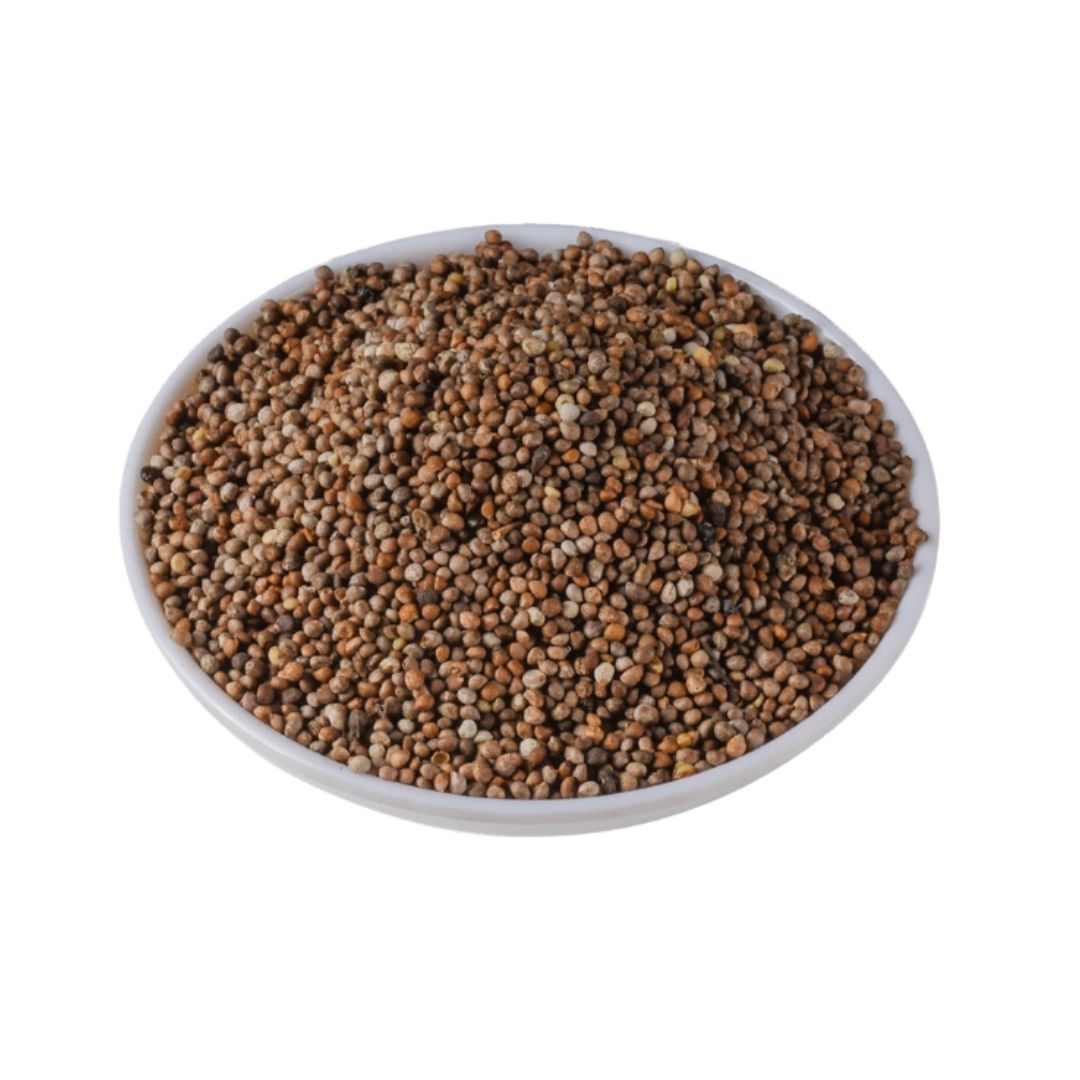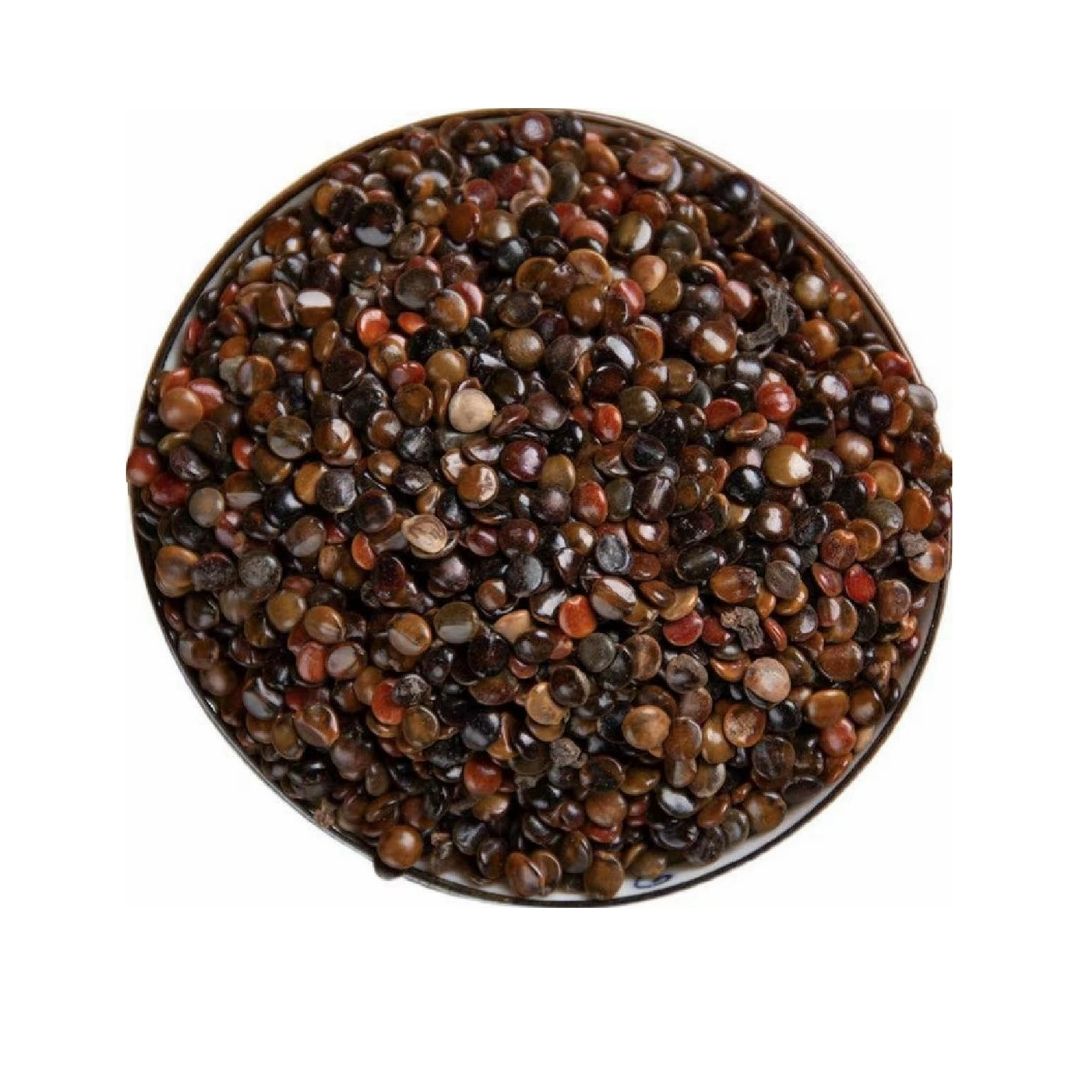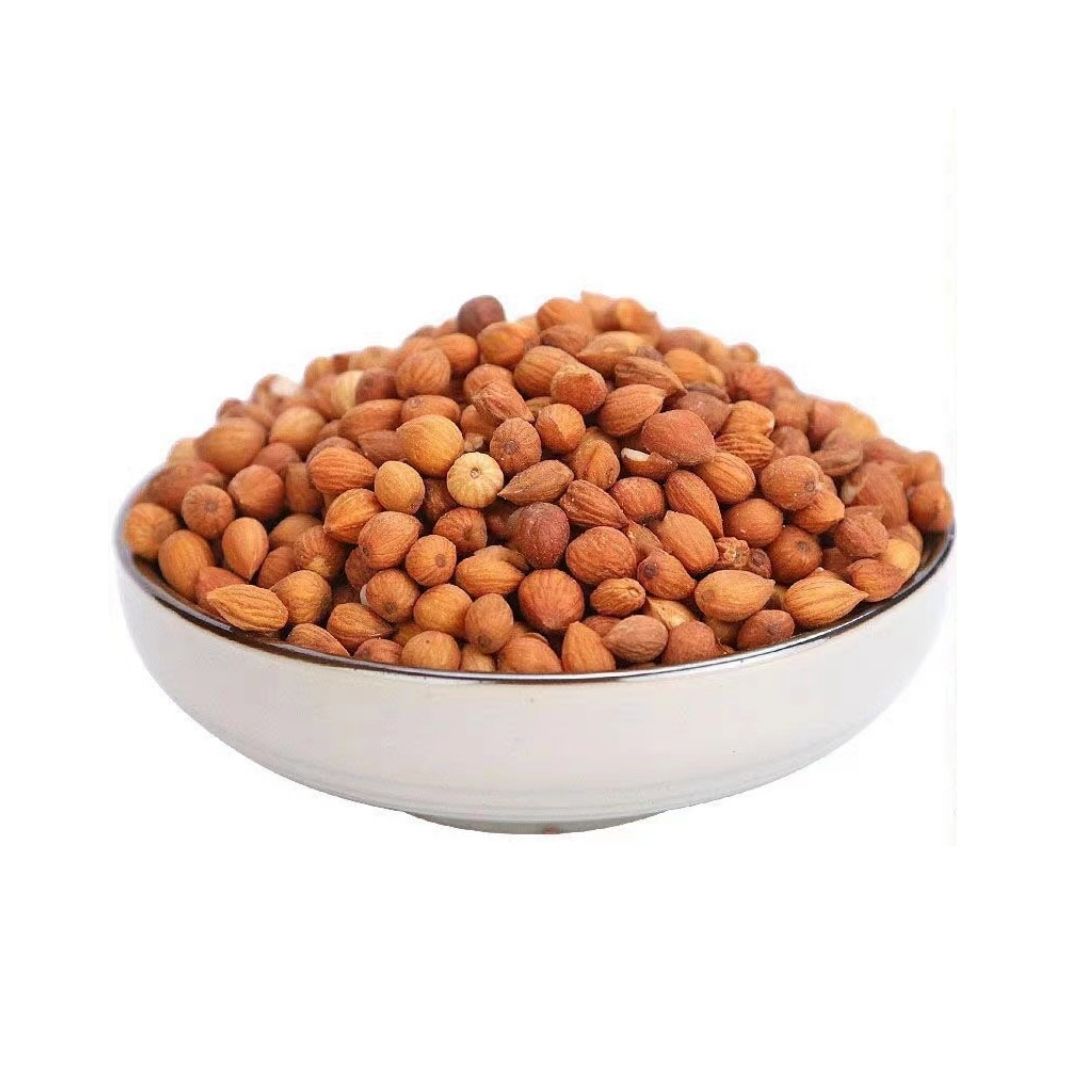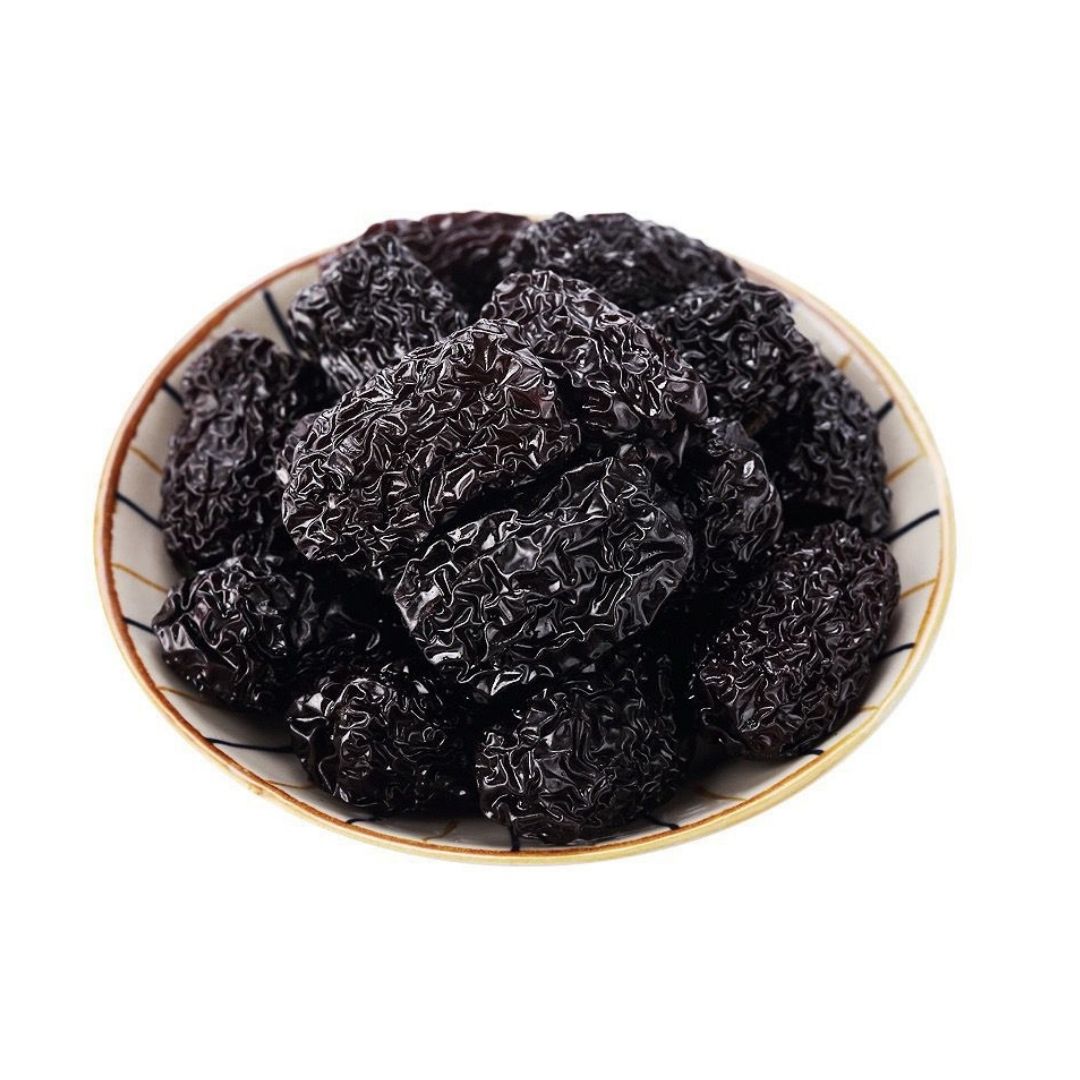


Product Introduction
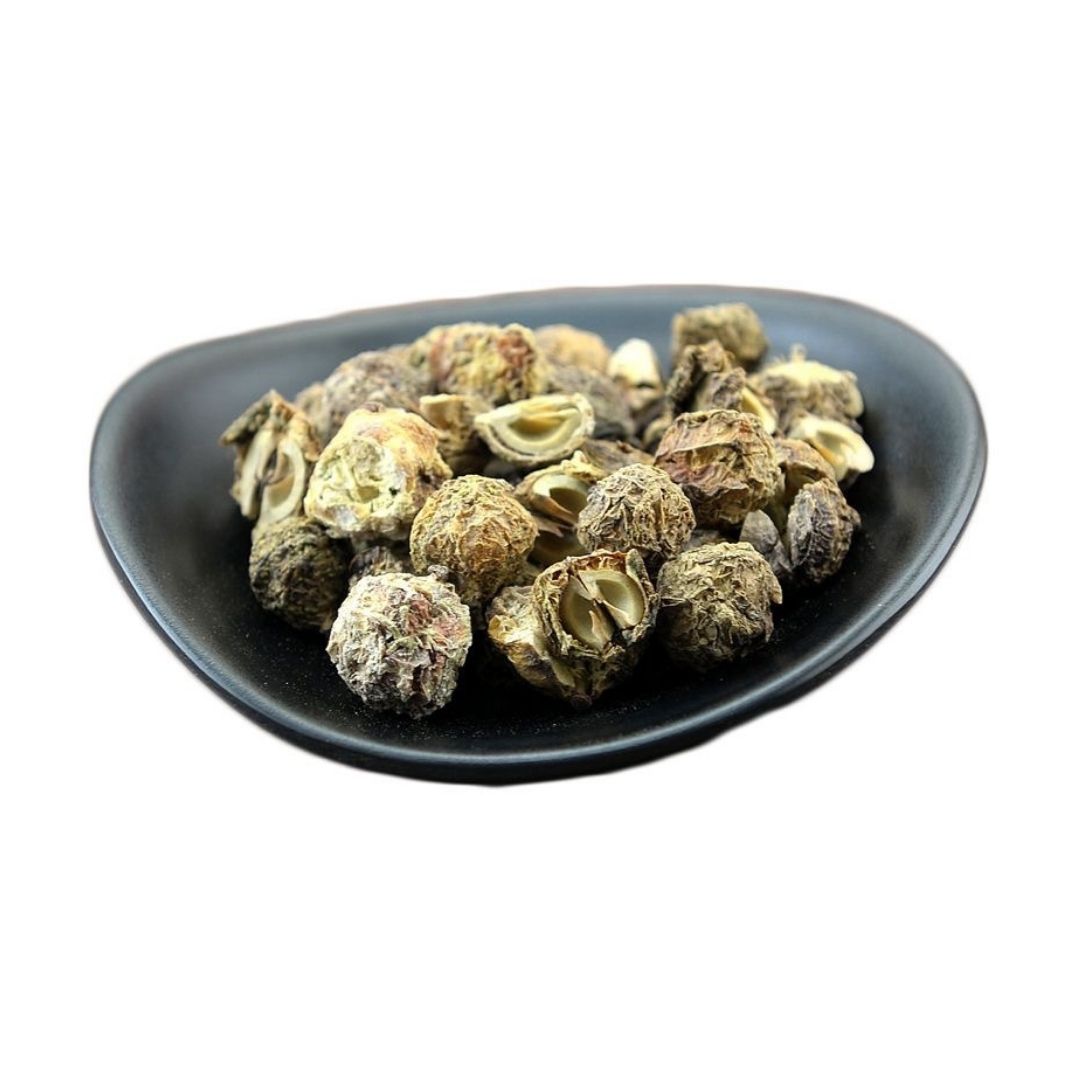
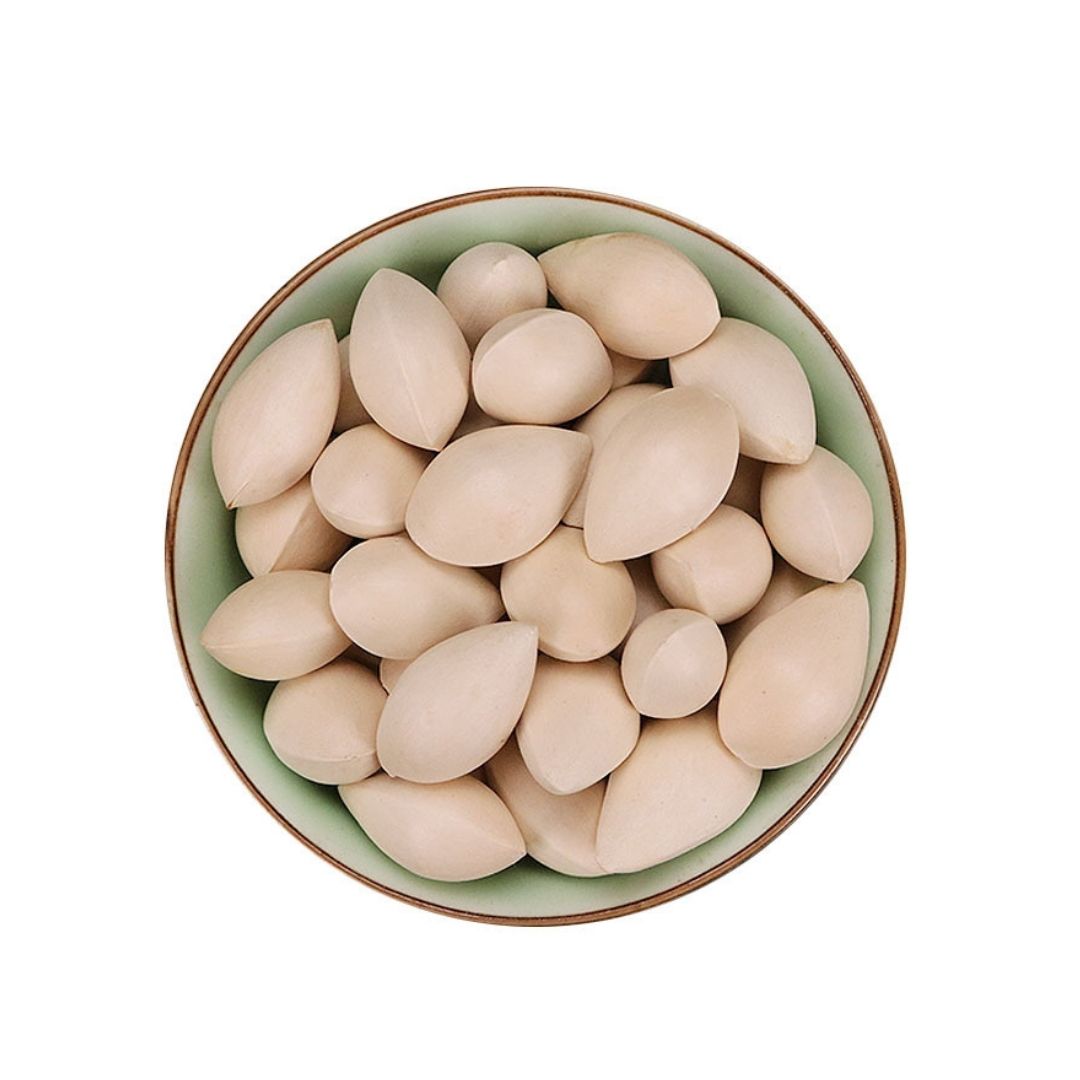
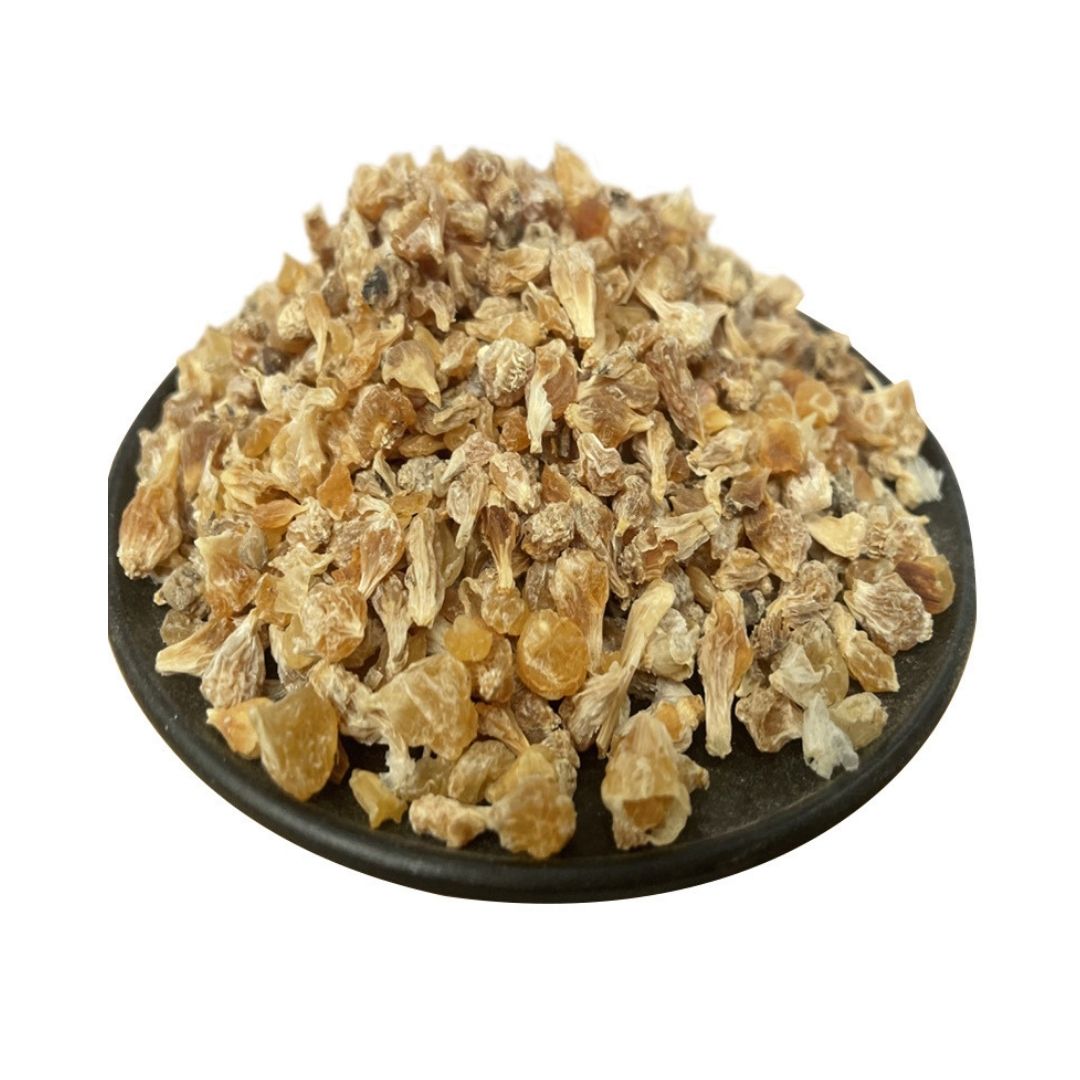
Allium Macrostemon Bunge, known as "Xiè Bái" in Chinese, is a significant herb in traditional Chinese medicine, appreciated for its therapeutic applications, particularly concerning chest and abdominal ailments. This herb is derived from the dried bulbs of the Allium macrostemon Bunge plant, a species of wild garlic found in various regions of Asia, and its use dates back centuries. The medicinal properties are attributed to its unique chemical composition, providing relief from specific health conditions.
Main Active Ingredients
The main active ingredients in Allium Macrostemon Bunge that contribute to its medicinal properties are sulfur-containing compounds, most notably allicin. Allicin is known for its antimicrobial, anti-inflammatory, and cardiovascular benefits. These compounds interact with various biological pathways in the body, producing the observed therapeutic effects. Allicin is unstable and quickly converts to other organosulfur compounds, influencing the herb's overall efficacy. [1]
Product Application Scenarios, Usage, and Dosage
In traditional Chinese medicine, Allium Macrostemon Bunge is primarily used to address conditions such as chest pain (especially due to coronary artery disease), abdominal distension, and diarrhea. It is often prescribed in herbal formulas to promote the flow of qi and alleviate stagnation.
The typical dosage of Allium Macrostemon Bunge is 6-12 grams when used in decoctions. For direct consumption, such as in culinary applications, smaller amounts may be used. It is important to note that usage and dosage can vary based on the individual’s condition and the specific formulation prescribed by a qualified practitioner.
Introduction to the Source Plant, Distribution, and Growth Environment
Allium macrostemon Bunge is a perennial plant belonging to the Allium genus, native to regions of China, Korea, and Japan. [2] It thrives in grasslands, forest edges, and along streams, preferring well-drained soils and sunny to partially shaded environments. The plant is characterized by its slender, cylindrical leaves and small, white flowers that bloom in the summer. The bulbs, which are the medicinally valuable part, are small and possess a distinctive pungent aroma. The plant adapts well to temperate climates, contributing to its widespread distribution in East Asia.
Harvesting, Processing, and Storage
The bulbs of Allium macrostemon Bunge are typically harvested in the late summer or early autumn. After harvesting, the bulbs are cleaned to remove any soil or debris. They are then usually dried, either in the sun or using a low-heat drying process, to reduce their moisture content and prevent spoilage. Once dried, the bulbs are stored in a cool, dry place, away from direct sunlight, to preserve their medicinal properties. Proper storage ensures that the herb retains its potency and effectiveness over an extended period.
Citations:
- Block, E. (2010). Garlic and Other Alliums: The Lore and the Science. Royal Society of Chemistry.
- Flora of China Editorial Committee. (2010). Flora of China (Vol. 24). Science Press and Missouri Botanical Garden Press.
Mia Wu

Hi, I’m Mia Wu! I love helping customers discover the best natural ingredients for their products. With a passion for herbs, spices, and fungi, I work to make sure you get only the finest raw materials. Let's grow together! 🌱✨