

Product Introduction
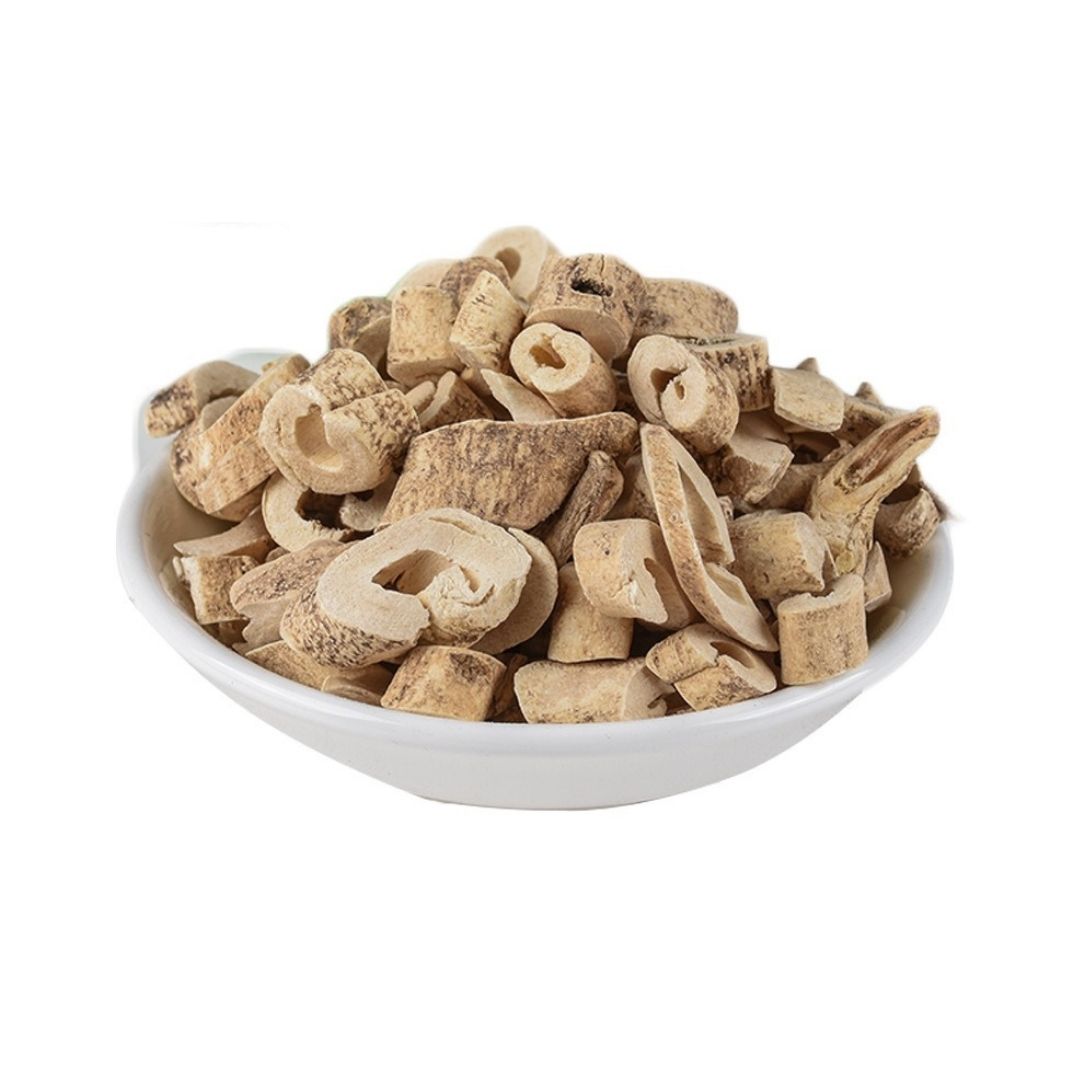
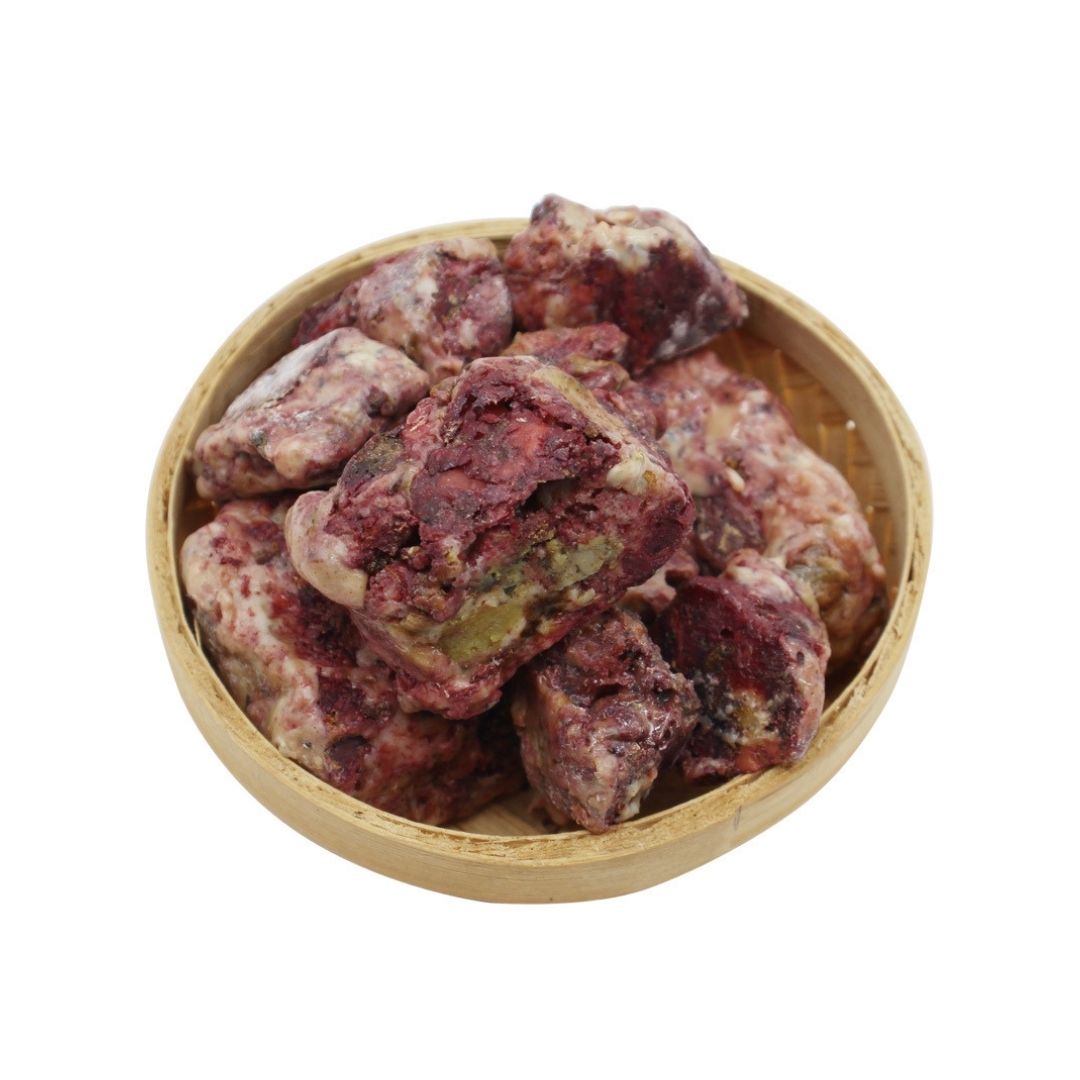
Asafoetida, derived from the Ferula plant, is a resinous gum with a powerful and distinctive odor. Originating from Central Asia, particularly Iran and Afghanistan, asafoetida has been used for centuries in both culinary and medicinal applications. The spice is extracted from the living rhizomes or roots of various Ferula species, with Ferula assa-foetida being the most common source.
The crude form of asafoetida is a soft, sticky resin that hardens with age and exposure to air. Its color ranges from milky white to dark reddish-brown. The odor, often described as sulfurous, becomes more palatable upon cooking, transforming into a smooth, savory flavor. Asafoetida is typically sold in the form of lumps, powder, or compounded preparations mixed with starch and gum arabic.
In cooking, asafoetida is frequently used as a flavor enhancer, especially in vegetarian dishes, where it imparts a taste similar to onion or garlic. It is a staple in Indian cuisine, particularly in lentil dishes, vegetable curries, and pickles. Additionally, asafoetida has a history of use in traditional medicine for its purported digestive, anti-inflammatory, and expectorant properties. Due to its strong odor, asafoetida should be stored in airtight containers, away from other spices and foods, to prevent flavor contamination. Its unique chemical composition contributes to both its pungent aroma and its potential health benefits.
Aromatic Chemical Composition
The characteristic aroma of asafoetida is attributed to its complex chemical composition, which includes various volatile organic compounds. Key components include sesquiterpenes, disulfides, and trisulfides, which contribute to its pungent, sulfurous odor. Specifically, compounds like 2-butyl-1-propenyl disulfide and dimethyl trisulfide are significant contributors to the spice's distinctive smell. These aromatic compounds also play a role in the flavor profile of asafoetida, which mellows and becomes more palatable upon cooking, imparting savory notes to dishes. The specific composition can vary based on the Ferula species, geographical origin, and processing methods.
What Types of Products Are Available?
Asafoetida is available in several product forms to cater to different culinary and medicinal uses. The most basic form is the raw resin, typically sold in lumps or pieces. This form is potent and requires careful handling due to its strong odor, and the resin needs to be broken down and often tempered before use.
Powdered asafoetida is another common form, often a compounded product where the resin is mixed with rice flour or gum arabic to reduce its intensity and prevent clumping. This form is easier to measure and incorporate into recipes.
Compounded asafoetida is also available in tablet or capsule form, primarily for medicinal purposes. These formulations are designed to provide a standardized dosage for therapeutic applications.
Additionally, some specialty products include asafoetida oil or extract, which can be used sparingly to add flavor to dishes or as an ingredient in sauces and seasonings. Each form offers different levels of intensity and ease of use, allowing consumers to select the product that best suits their needs.
Application Scenarios and Usage Dosage
Asafoetida is primarily used in the culinary field to enhance the flavor of various dishes. It is particularly popular in Indian cuisine, where it serves as a key ingredient in many vegetarian recipes. The spice imparts a unique umami flavor, often described as a combination of onion and garlic, making it a valuable substitute for these ingredients in dishes prepared without alliums.
In lentil-based dishes like dals and curries, a pinch of asafoetida can significantly enhance the overall flavor profile. It is typically added to hot oil or ghee at the beginning of the cooking process to temper the spice and release its aroma. Asafoetida is also used in vegetable dishes, providing depth and complexity to simple preparations. In South Indian cuisine, it is a common ingredient in sambar, a lentil-based vegetable stew, and rasam, a thin, spicy soup.
Beyond Indian cuisine, asafoetida can be used in other culinary applications where a savory, umami flavor is desired. It can be added to soups, stews, and sauces to enhance their depth of flavor. Some chefs also use it in small amounts in meat dishes to add an interesting twist.
The appropriate dosage of asafoetida is crucial due to its potent flavor. A small pinch, typically about 1/8 to 1/4 teaspoon, is usually sufficient for a dish serving four to six people. Overuse can result in an unpleasantly strong, sulfurous taste. It is advisable to start with a small amount and adjust according to taste.
For medicinal uses, the dosage varies depending on the specific application and the form of asafoetida being used. Traditional medicine practitioners may recommend different dosages based on individual health conditions and the desired therapeutic effect. It is important to consult with a healthcare professional before using asafoetida for medicinal purposes to determine the appropriate dosage and ensure safety.
In summary, asafoetida is a versatile spice with a range of culinary and medicinal applications. Its unique flavor and aroma make it a valuable addition to many dishes, while its potential health benefits have been recognized in traditional medicine for centuries. Proper usage and dosage are essential to fully appreciate its benefits and avoid any adverse effects.
Introduction to the Source Plant, Distribution, and Growing Environment
Ferula assa-foetida is a perennial herb belonging to the Apiaceae family, native to Central Asia, particularly Iran and Afghanistan. The plant typically grows to a height of 1.5 to 2 meters, characterized by its robust stem, dissected leaves, and large umbels of yellow flowers. The plant thrives in arid and semi-arid environments, often found on rocky slopes and in dry steppes.
The distribution of Ferula assa-foetida is largely confined to the mountainous regions of Iran, Afghanistan, Uzbekistan, and Tajikistan, where the climate features hot summers and cold winters. These regions provide the ideal conditions for the plant's growth, including well-drained soil and sufficient sunlight. The plant's ability to withstand harsh environmental conditions contributes to its prevalence in these areas.
The growing environment of Ferula assa-foetida is characterized by low rainfall and high temperature variations. The plant is well-suited to these conditions, with deep roots that allow it to access water from the subsoil. The plant's leaves are also adapted to reduce water loss, helping it to survive in dry climates. Cultivation efforts have been undertaken in some regions to increase the availability of asafoetida, but the plant primarily grows wild in its native habitat. The plant's natural resilience and adaptation to harsh environments make it a valuable resource in the regions where it grows.
Harvesting, Processing, and Storage Preservation
The harvesting of asafoetida is a labor-intensive process that typically occurs in the spring, before the plant flowers. The process involves making incisions in the rhizome or root of the Ferula plant to extract the oleo-gum-resin. Initially, a milky white liquid exudes from the incisions, which gradually hardens upon exposure to air, turning into a resinous mass. This resin is then collected over several days, with repeated incisions made to maximize the yield. The collected resin is left to dry further, forming solid lumps or blocks.
Processing of asafoetida involves cleaning and grading the resin to remove any impurities. The dried resin can be sold in its raw form or further processed into powder. To create powdered asafoetida, the resin is ground and often mixed with rice flour or gum arabic to reduce its potency and prevent clumping. This compounded powder is easier to use in cooking and has a longer shelf life.
Proper storage is essential to preserve the quality and potency of asafoetida. Due to its strong odor and volatile compounds, asafoetida should be stored in airtight containers to prevent flavor contamination of other foods and spices. The containers should be kept in a cool, dark, and dry place, away from direct sunlight and heat. Exposure to air and moisture can degrade the resin, reducing its flavor and aroma. Under optimal storage conditions, asafoetida can maintain its quality for several years. Regular inspection of the stored resin or powder is recommended to ensure that it remains free from mold or other signs of spoilage. Following these harvesting, processing, and storage practices helps to ensure that asafoetida retains its unique flavor and beneficial properties.
Citations:
- "Asafoetida." Gernot Katzer’s Spice Pages. http://gernot-katzer.at/engl/Feru_ass.html
- Iranshahi, Mehrdad, et al. "Chemical composition and biological activities of essential oil from Ferula assa-foetida L." Journal of Essential Oil Research 22.1 (2010): 63-68.
- Mothana, Roqaya A. A., et al. "Assessment of selected culinary herbs and medicinal plants for relaxation and mood-enhancing properties." Journal of Intercultural Ethnopharmacology 4.2 (2015): 134-139.
- Pole, Sebastian. Ayurvedic Medicine: The Principles of Traditional Practice. Churchill Livingstone, 2013.
Mia Wu

Hi, I’m Mia Wu! I love helping customers discover the best natural ingredients for their products. With a passion for herbs, spices, and fungi, I work to make sure you get only the finest raw materials. Let's grow together! 🌱✨