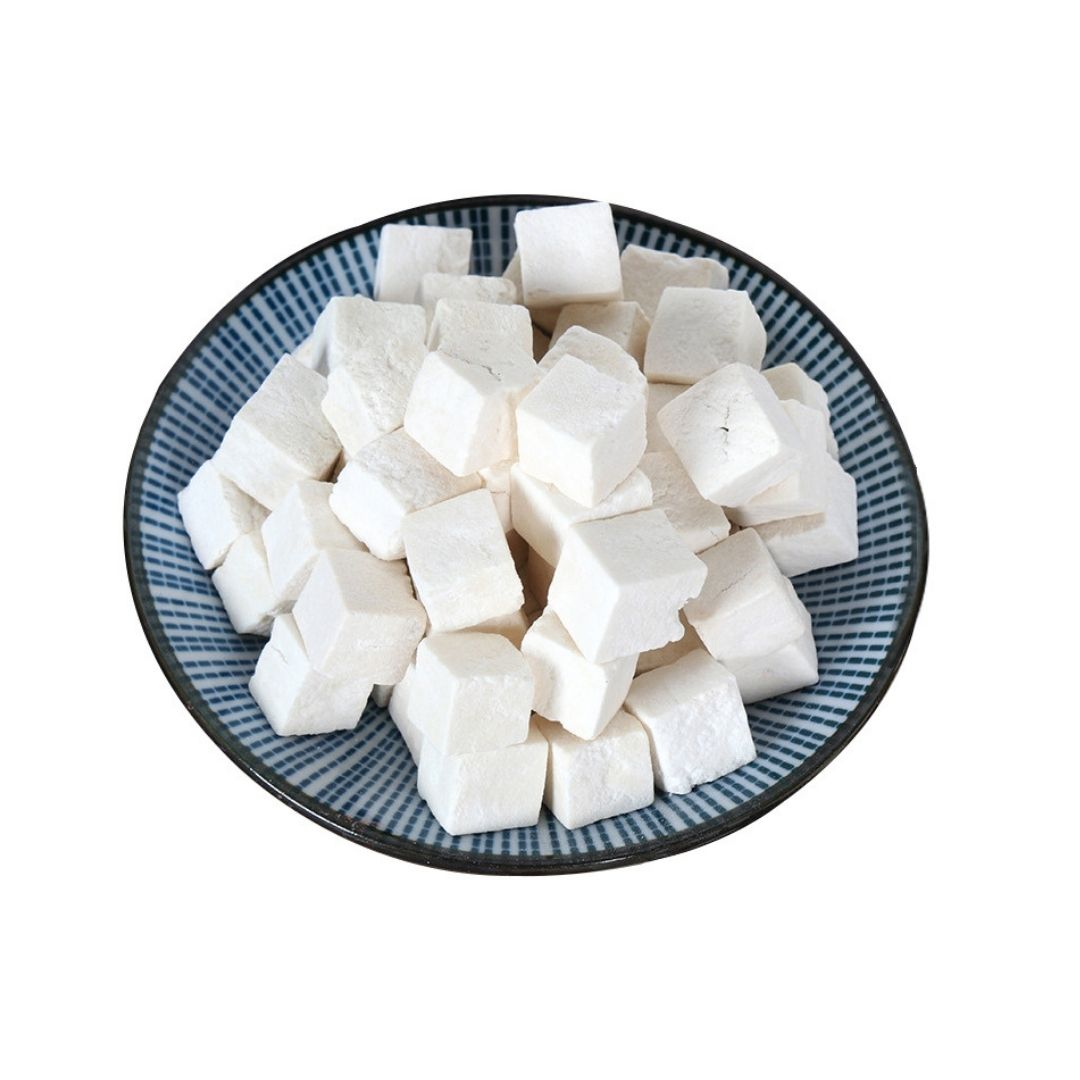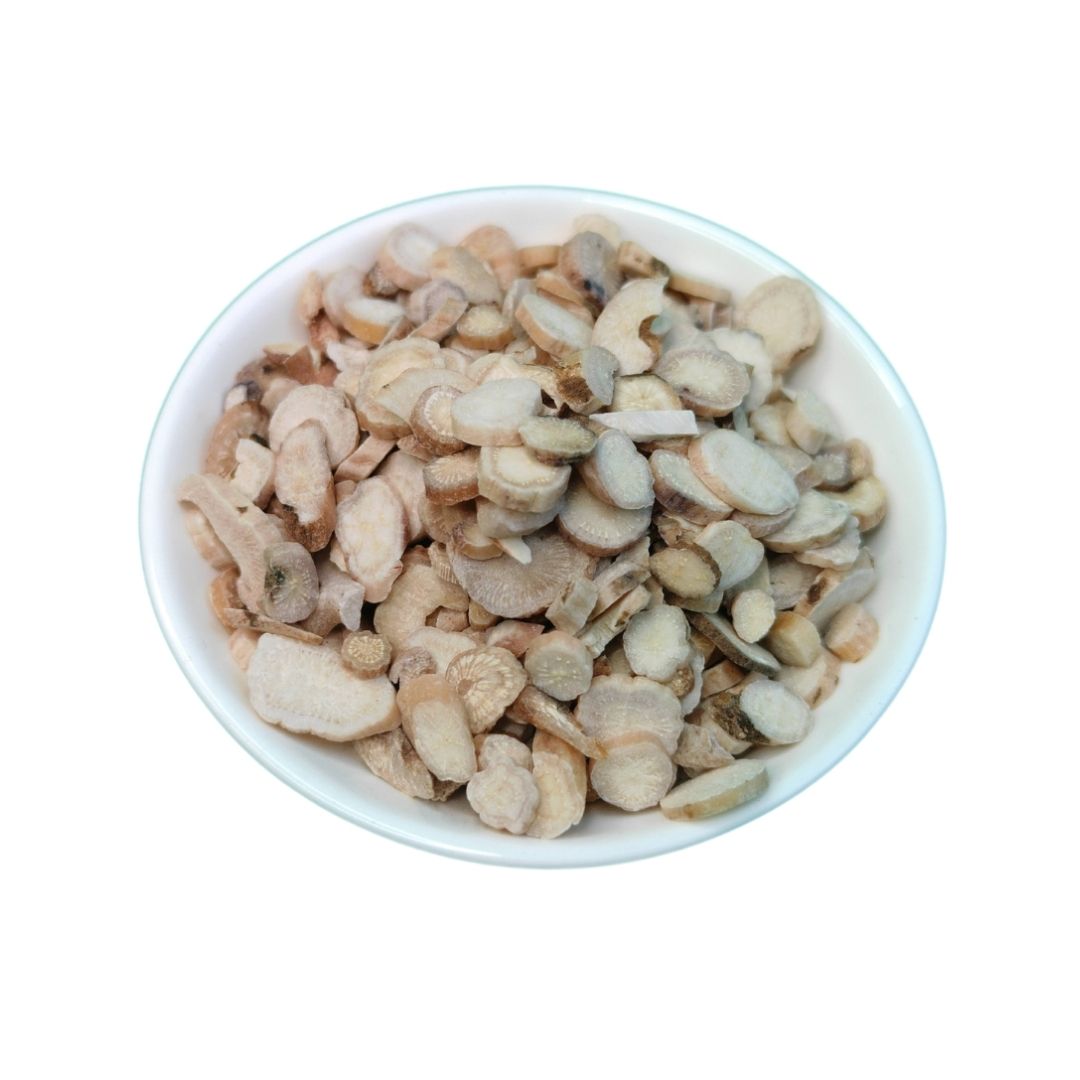


Product Introduction
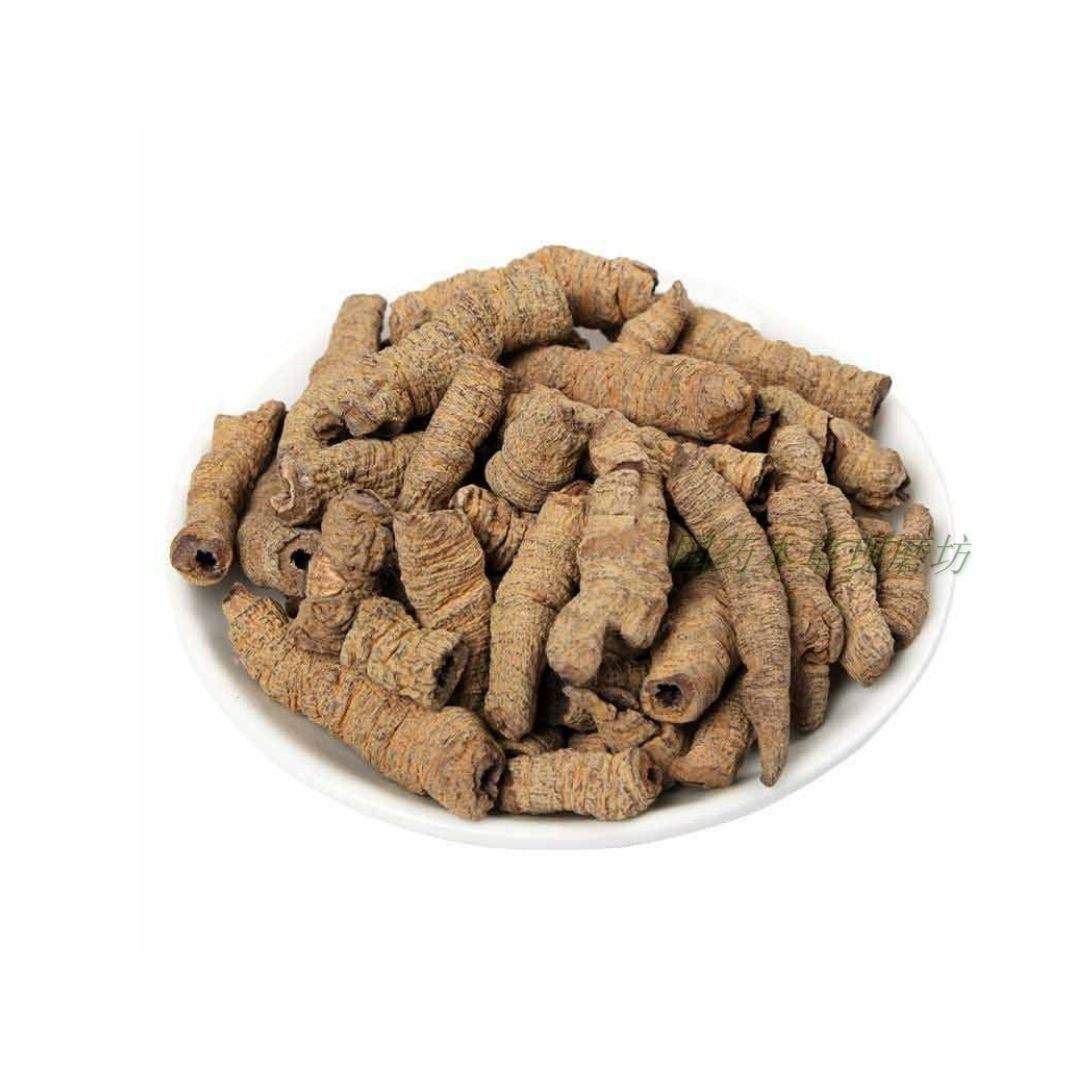
White Peony Root, also recognized as Radix Paeoniae Alba, is a widely used herb in Traditional Chinese Medicine (TCM). It is derived from the cultivated species of peony, Paeonia lactiflora Pall. The herb is valued for its therapeutic properties related to blood nourishment and yin regulation.
Main Active Ingredients
The primary active component in White Peony Root is paeoniflorin [1]. Other significant constituents include albiflorin, paeonin, and benzoic acid [2]. Paeoniflorin is noted for its anti-inflammatory, analgesic, and immunomodulatory effects [3]. These compounds contribute to the herb's ability to influence various physiological functions.
Product Application Scenarios, Usage, and Dosage
In TCM, White Peony Root addresses several conditions. It is commonly used for menstrual irregularities, spontaneous sweating, and night sweats. It can also alleviate pain associated with liver imbalances [4]. The typical dosage ranges from 6 to 15 grams, usually administered in decoction form [5]. It is often combined with other herbs to enhance its therapeutic effects.
Introduction to the Source Plant, Distribution, and Growth Environment
Paeonia lactiflora Pall is a perennial herb indigenous to China and East Asia [6]. It thrives in sunny locations with well-drained soil. The plant features large, showy flowers, making it a popular ornamental as well as a medicinal plant. The cultivation of Paeonia lactiflora is widespread across China, ensuring a steady supply of White Peony Root.
Harvesting, Processing, and Storage
The roots are typically harvested during the late summer or early autumn. After harvesting, the roots are cleaned, and dried, and some need to be sulfur-fumigated to achieve the desired white color [7]. Proper drying and sulfur-fumigation methods are crucial to maintain the quality and efficacy of the herb. It should be stored in a cool, dry, and well-ventilated environment to prevent mold and insect infestation [8].
Citations
[1] Zhang, Y., et al. "Paeoniflorin: A Comprehensive Review of its Bioactivities and Pharmacokinetics." Pharmaceutical Biology 57.1 (2019): 1-12.
[2] He, D. Y., et al. "Bioactive Components of Paeonia Lactiflora and Their Effects on Human Health." Journal of Agricultural and Food Chemistry 66.4 (2018): 812-827.
[3] Wang, C., et al. "Paeoniflorin Alleviates Inflammatory Pain via Suppressing Neuroinflammation and Activating Spinal GLT-1." International Immunopharmacology 63 (2018): 174-182.
[4] Chen, J. K., and T. T. Chen. Chinese Medical Herbology and Pharmacology. City of Industry, CA: Art of Medicine Press, 2004.
[5] Bensky, D., et al. Chinese Herbal Medicine: Materia Medica. 3rd ed. Seattle, WA: Eastland Press, 2004.
[6] Zhao, Z. Z., et al. "The Genus Paeonia: A Review of Traditional Uses, Phytochemistry and Pharmacology." Journal of Ethnopharmacology 156 (2014): 117-143.
[7] State Pharmacopoeia Commission. Pharmacopoeia of the People's Republic of China. Beijing: China Medical Science Press, 2015.
[8] Luo, L., et al. "Effects of Different Drying Methods on the Quality of Radix Paeoniae Alba." Journal of Pharmaceutical and Biomedical Analysis 160 (2018): 112-119.
Mia Wu

Hi, I’m Mia Wu! I love helping customers discover the best natural ingredients for their products. With a passion for herbs, spices, and fungi, I work to make sure you get only the finest raw materials. Let's grow together! 🌱✨