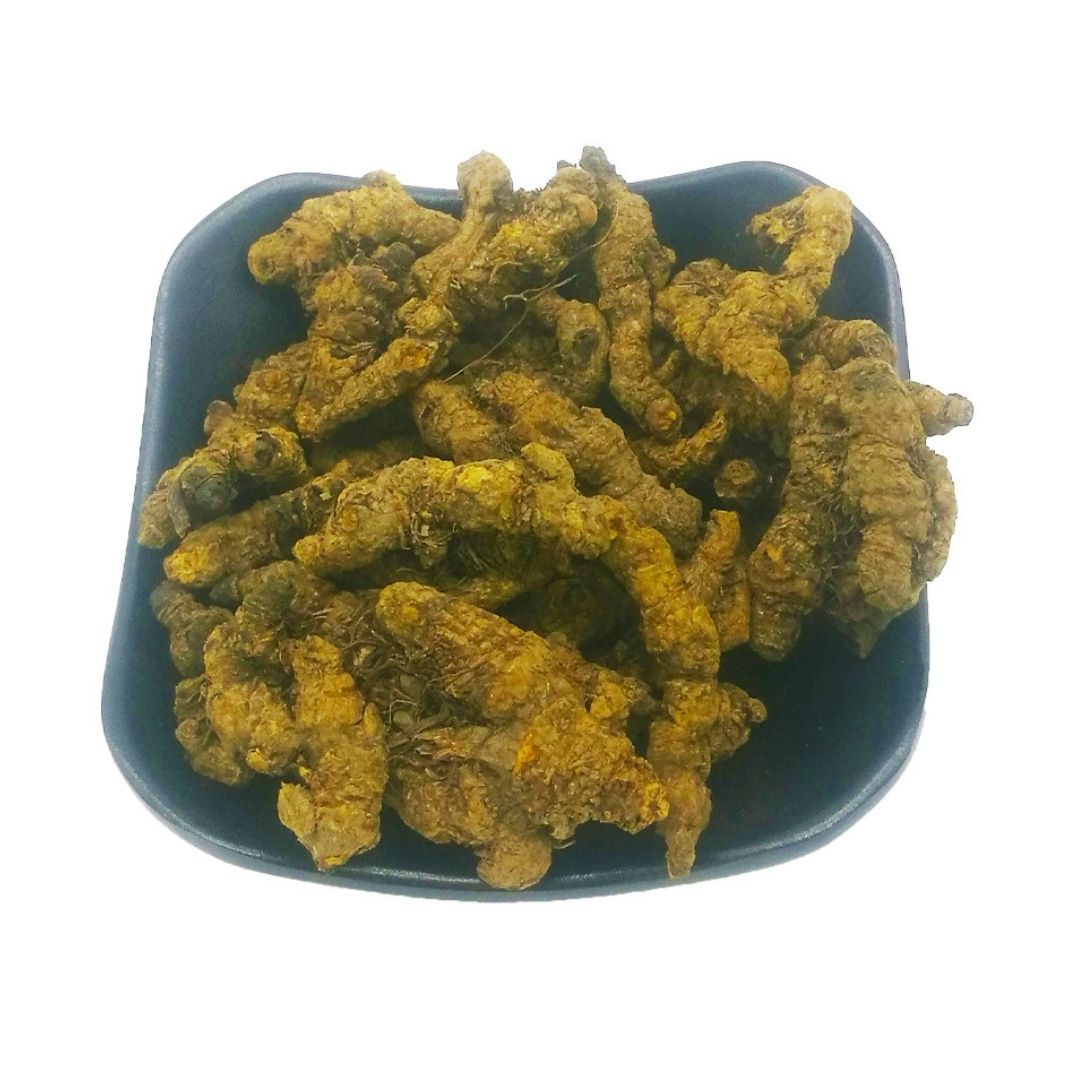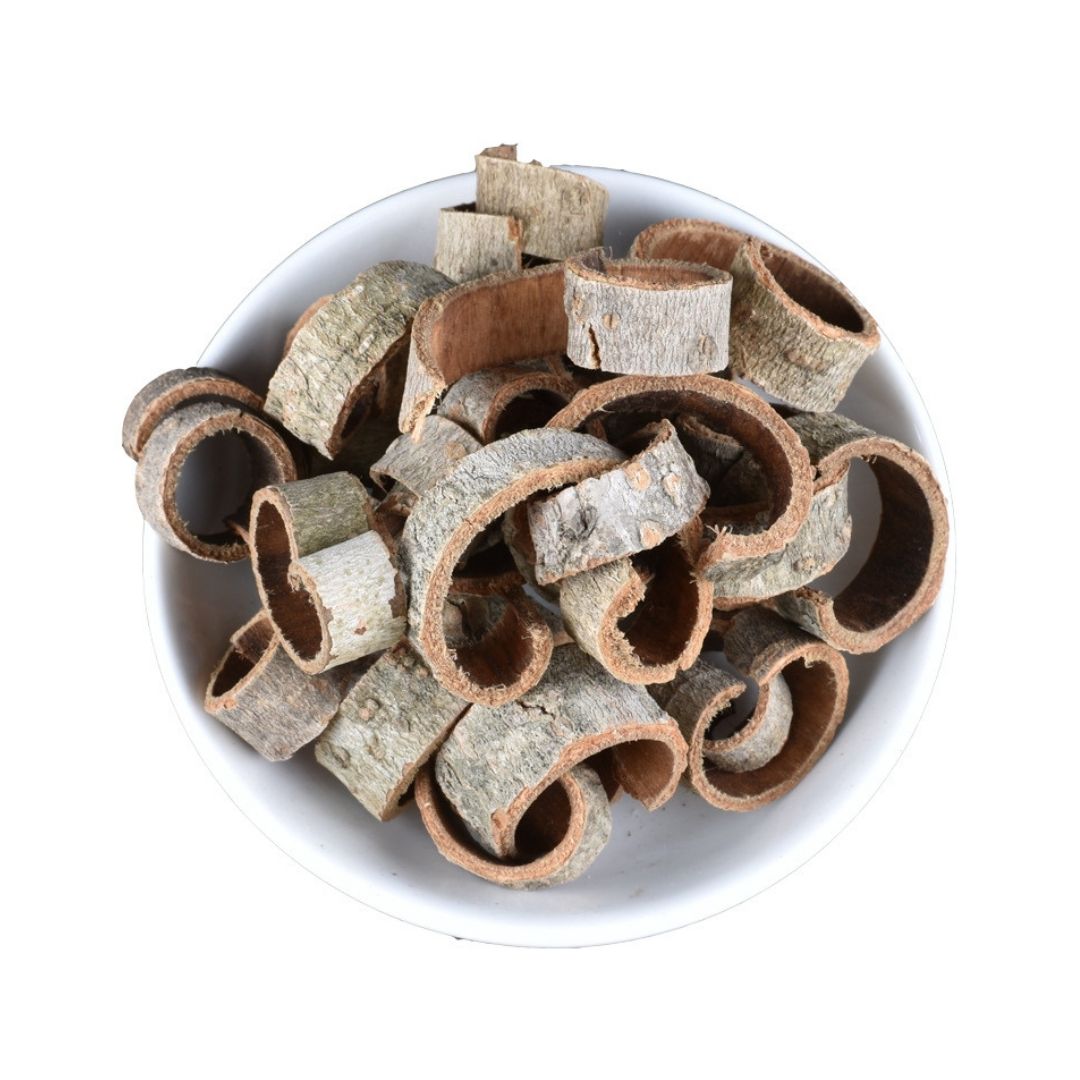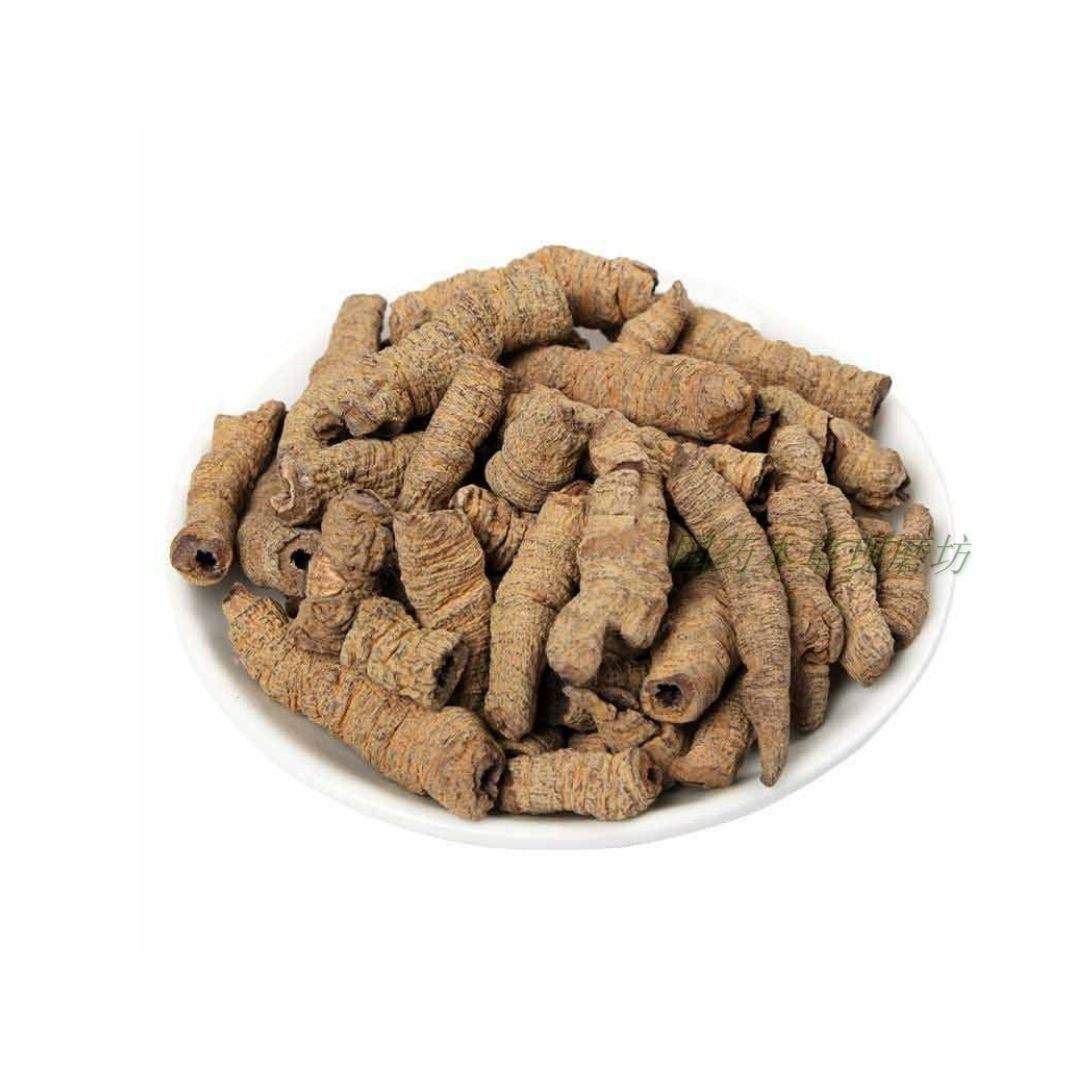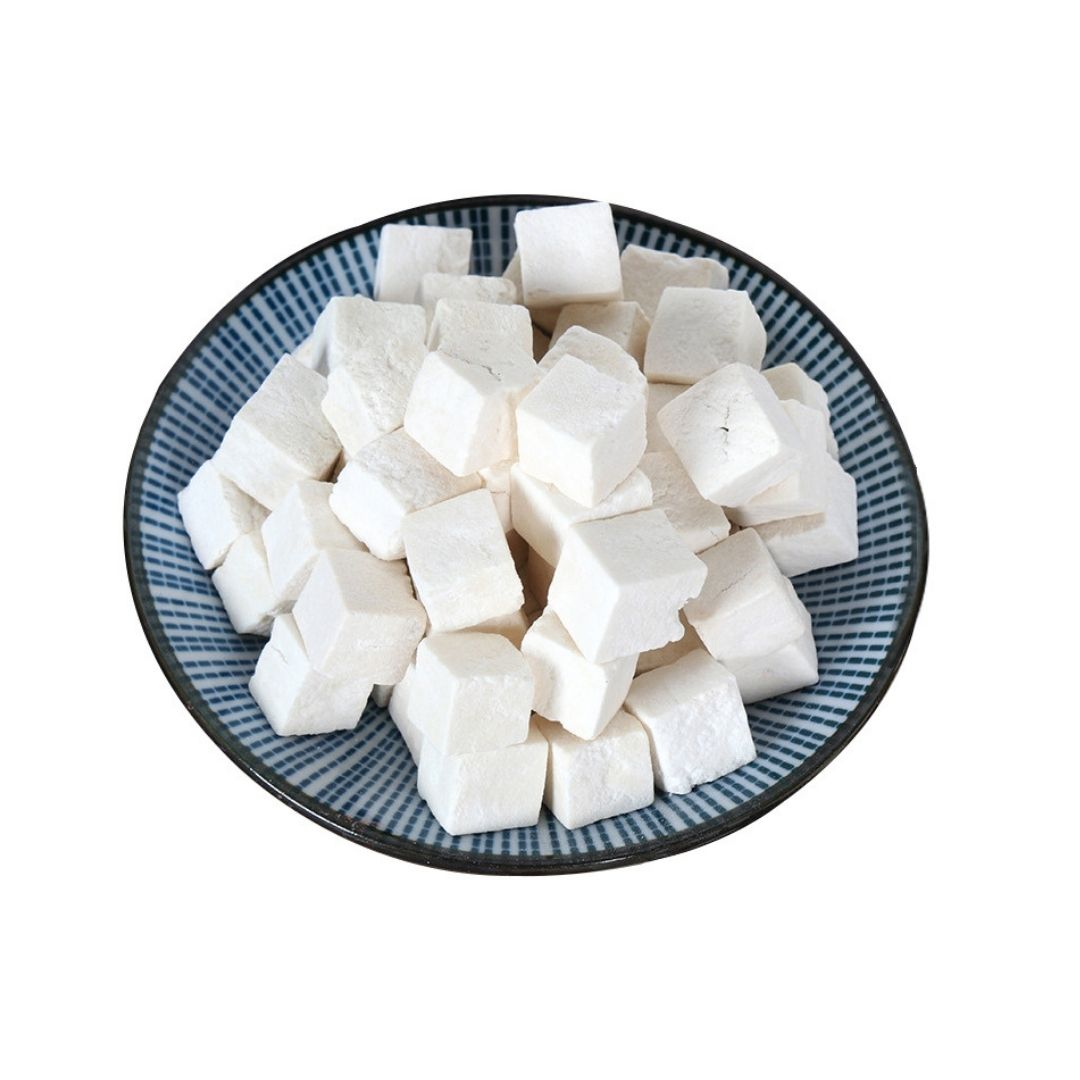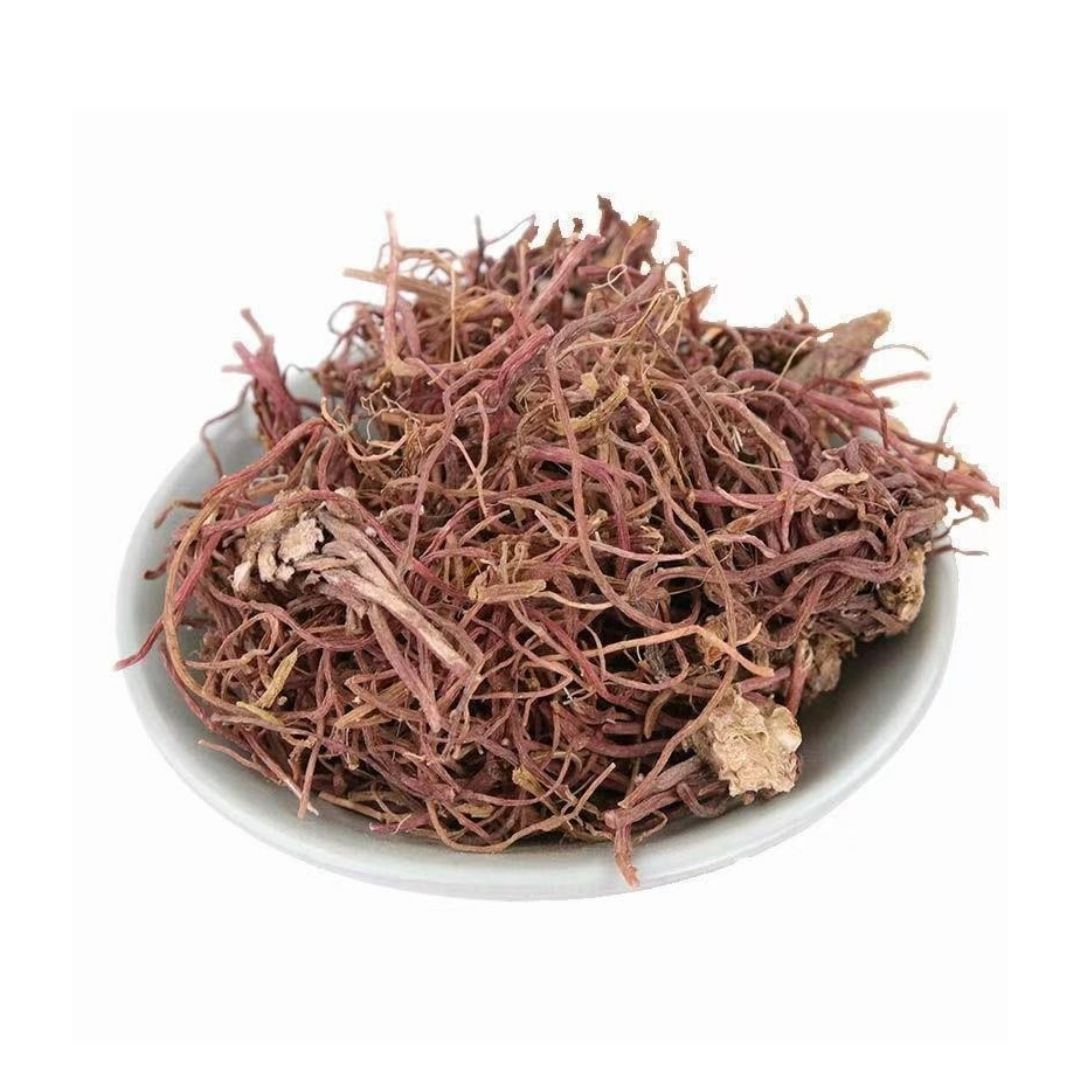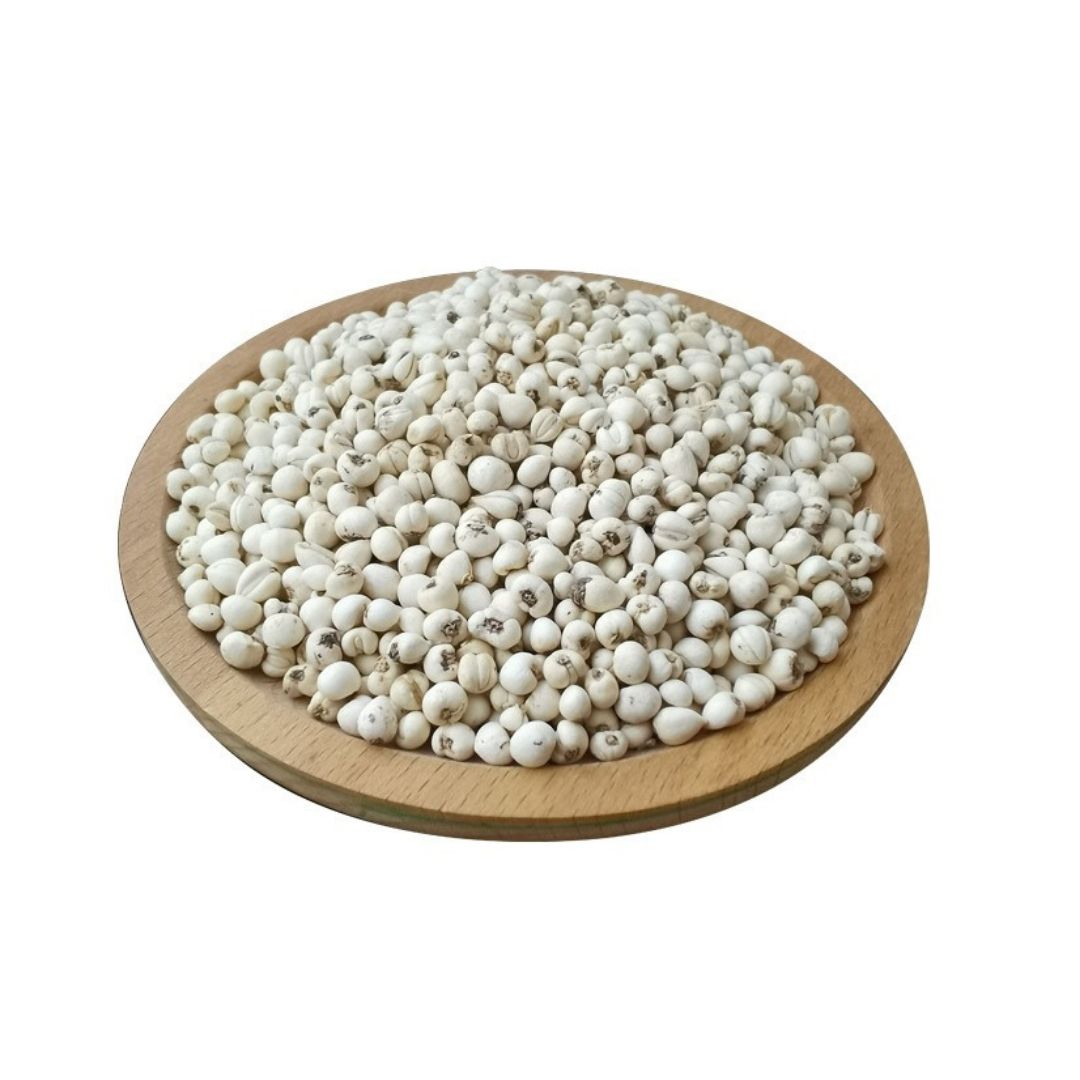


Product Introduction
Fritillaria refers to the bulb of plants from the Fritillaria genus, and it is valued in traditional Chinese medicine for its ability to address respiratory ailments. Different species exist, each with slightly varying properties, and their use depends on the specific therapeutic needs, so the herb is a respected component in many traditional formulations.
Main Active Ingredients
The primary active ingredients in Fritillaria are alkaloids, such as verticine, also known as peimine, as well as verticinone. These alkaloids contribute significantly to the herb's medicinal properties, including its antitussive, expectorant, and anti-inflammatory effects. These components help to reduce phlegm and ease coughing.
Product Application Scenarios, Usage, and Dosage
Fritillaria is frequently used in traditional Chinese medicine to treat coughs, especially those characterized by dryness or thick, difficult-to-expectorate phlegm. It is often prescribed for conditions like bronchitis, asthma, and other respiratory infections. The typical dosage of Fritillaria is around 3 to 9 grams daily, usually administered in decoction form, and can also be found in patent medicines and herbal formulas. It is often combined with other herbs to enhance its effects.
Introduction to the Source Plant, Distribution, and Growth Environment
Fritillaria cirrhosa is one of the primary sources of Fritillaria, and it is found in high-altitude regions of China, such as Sichuan, Tibet, and Yunnan. Fritillaria thunbergii is another source, mainly distributed in Zhejiang Province. These plants thrive in cool, moist environments, often in mountainous areas with well-drained soil, and the specific climate and soil conditions of these regions contribute to the unique properties of the Fritillaria bulbs.
Harvesting, Processing, and Storage
The bulbs are typically harvested in the late spring or early summer. After harvesting, the bulbs are cleaned, and often blanched or steamed to reduce bitterness and inactivate enzymes. They are then dried, traditionally under the sun or using low-heat methods, to preserve their medicinal properties. Proper storage in a cool, dry place away from light and moisture is crucial to prevent degradation and maintain their efficacy over time.
Citations
- pharmacological effects of alkaloids from fritillaria species. J Pharm Pharmacol. 2017;69(9):1105-1118. https://doi.org/10.1111/jphp.12731
- Medicinal Plants of China, Korea, and Japan: Bioresources and Bioactive Compounds. Identification, Occurrence and Content of Steroidal Alkaloids from Fritillaria Species. 2012;(1):653-673.
Mia Wu

Hi, I’m Mia Wu! I love helping customers discover the best natural ingredients for their products. With a passion for herbs, spices, and fungi, I work to make sure you get only the finest raw materials. Let's grow together! 🌱✨