

Product Introduction
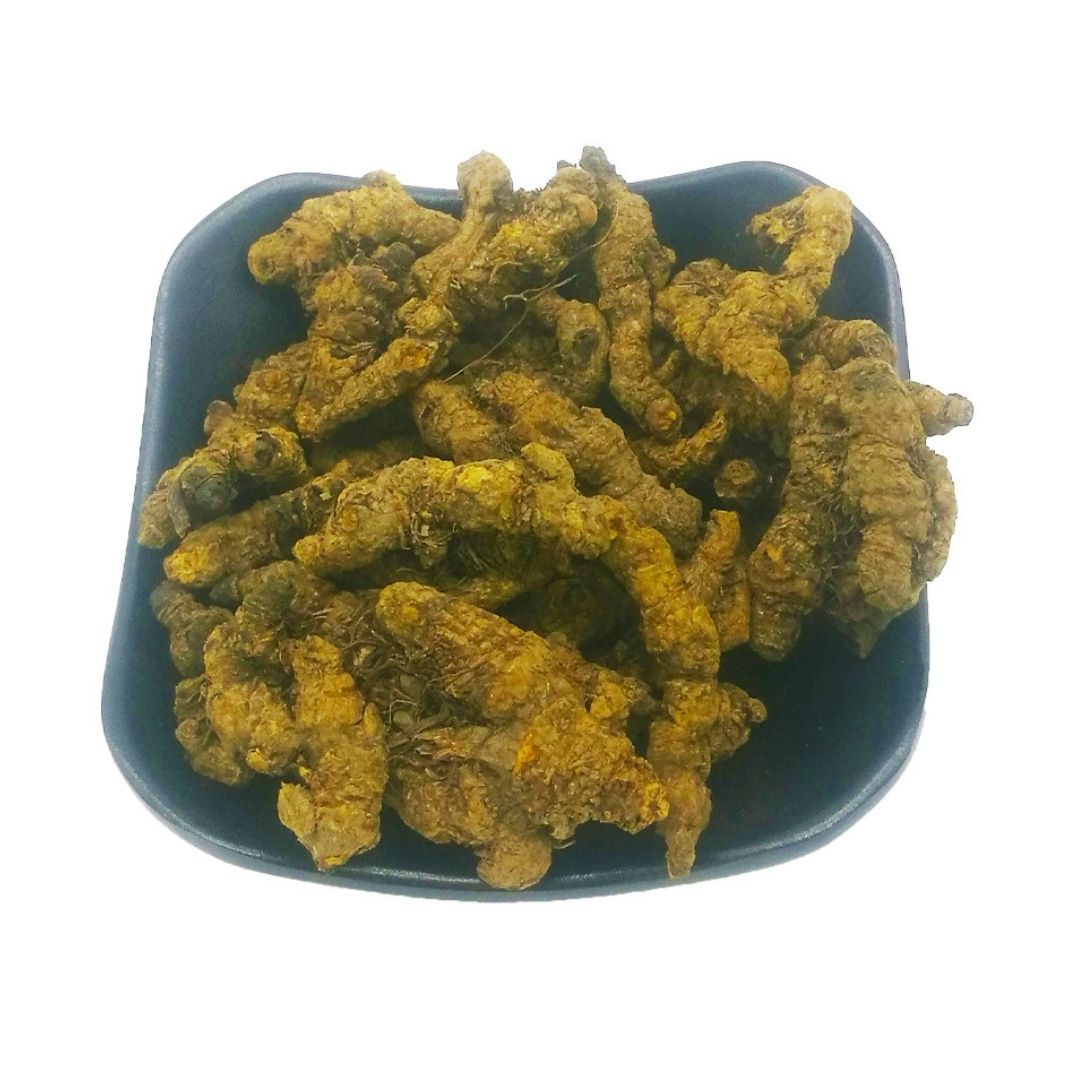
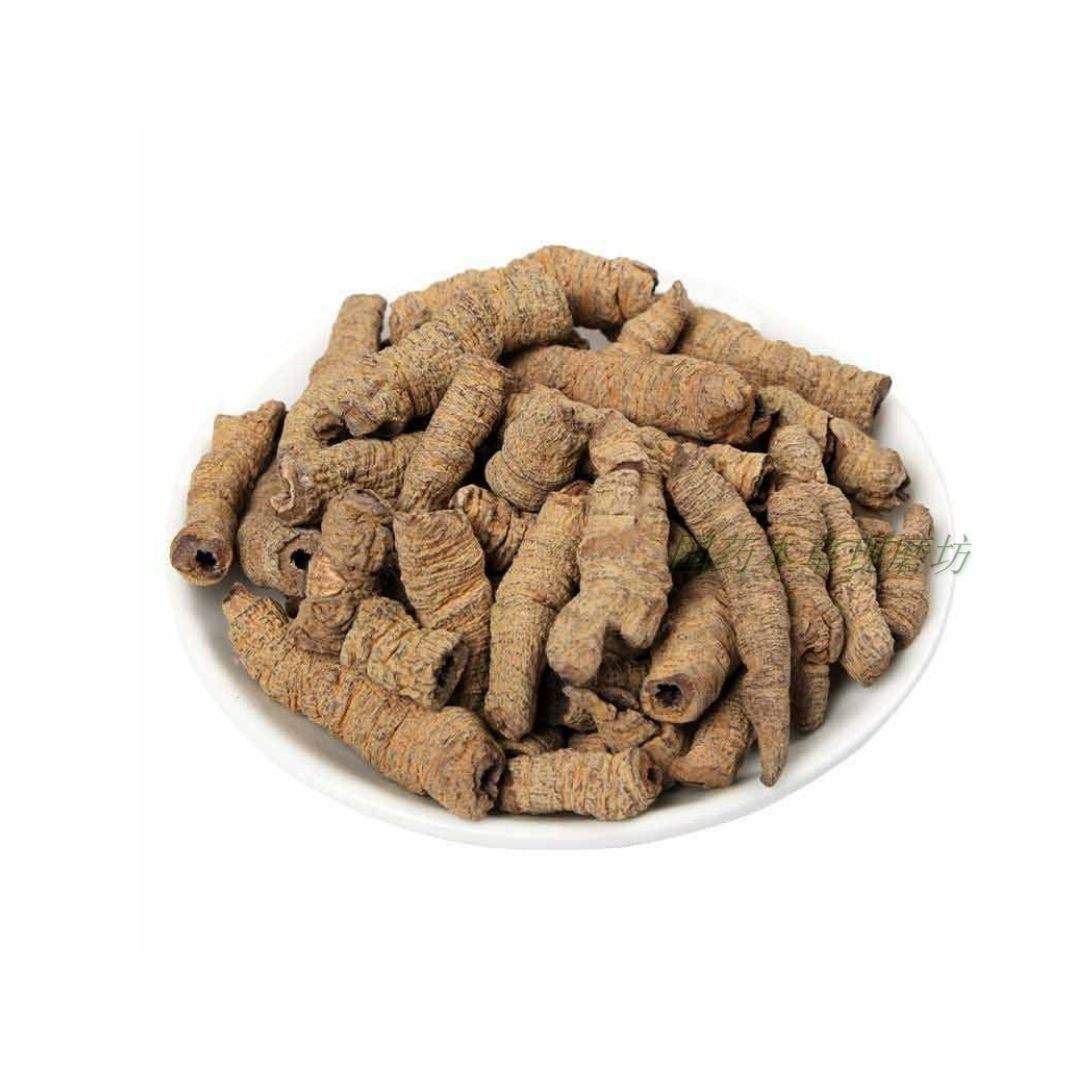
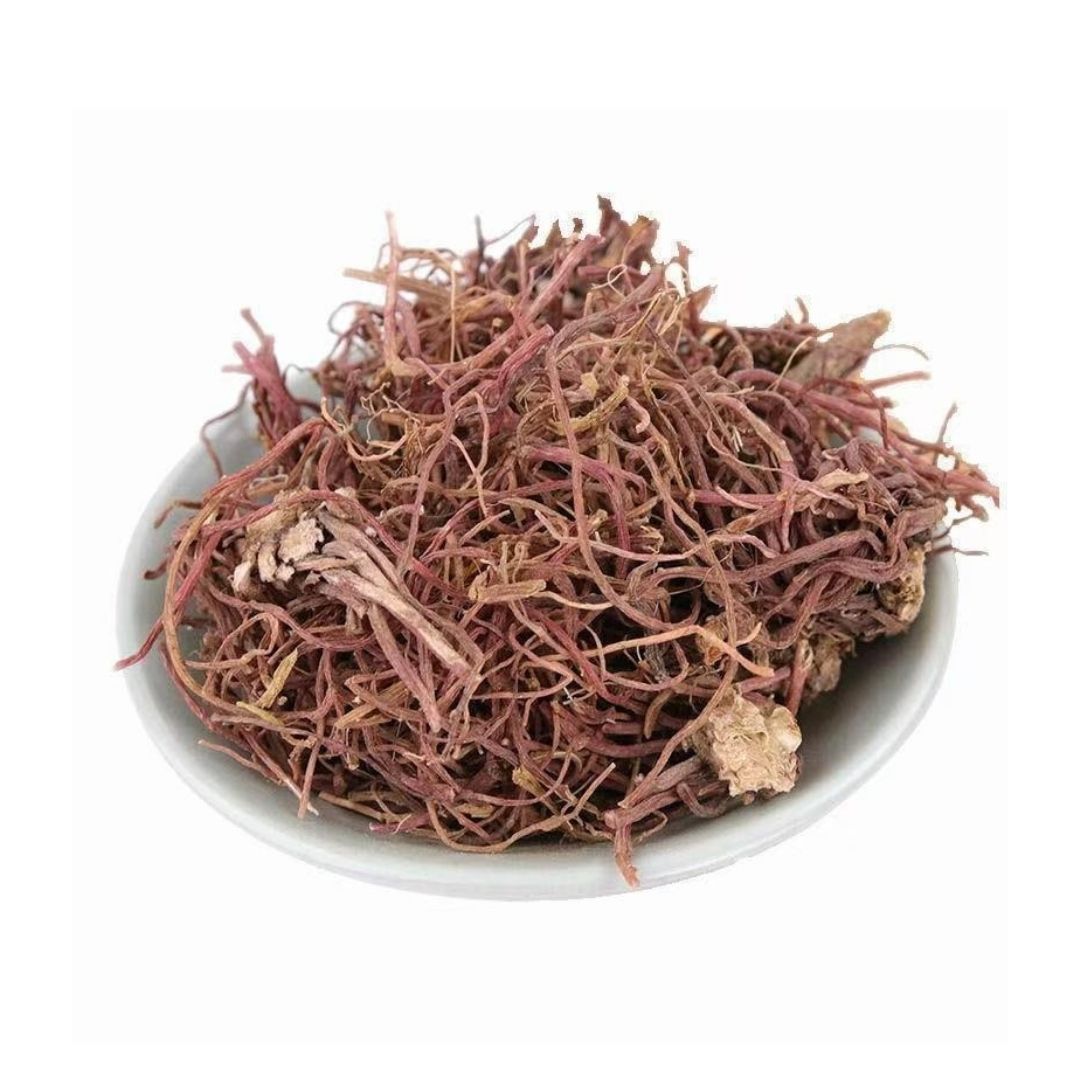
Aster, known as Zi Wan in Traditional Chinese Medicine (TCM), is derived from the dried roots and rhizomes of Aster tataricus L.f. This herb is valued for its medicinal properties, particularly in respiratory health. Its use dates back centuries within traditional herbal practices. It is commonly used to address various respiratory conditions, owing to its unique composition and therapeutic effects.
Main Active Ingredients
The main active ingredients in Aster include astersaponins, triterpenoids, and flavonoids [1]. Astersaponins are considered the primary bioactive compounds, contributing to the herb’s expectorant and antitussive effects. These compounds work synergistically to promote the loosening and expulsion of mucus from the respiratory tract. Further research suggests that these components also possess anti-inflammatory and antimicrobial properties, enhancing the herb's overall therapeutic profile [2].
Product Application Scenarios, Usage, and Dosage
Aster is primarily used to alleviate coughs, reduce phlegm, and support respiratory function. It is often prescribed for conditions such as chronic bronchitis and coughs with copious phlegm [3]. The herb is typically administered in decoctions, pills, or powders.
The typical dosage of Aster ranges from 3 to 9 grams per day when used in decoctions [4]. It is often combined with other herbs to enhance its efficacy and address specific symptom patterns. For example, it may be used with herbs that moisten the lungs or clear heat. The specific preparation and dosage should be determined by a qualified healthcare professional based on individual patient needs.
Introduction to the Source Plant, Distribution, and Growth Environment
Aster tataricus is a perennial plant belonging to the Asteraceae family. It is native to regions of Asia, including China, Korea, and Japan [5]. The plant thrives in moist environments such as meadows, stream banks, and forest edges. It prefers well-drained soil and partial to full sunlight.
The plant typically grows to a height of 1 to 2 meters, characterized by its lance-shaped leaves and purple or blue flowers. Its roots and rhizomes are harvested for medicinal use. The wide distribution and adaptability of Aster tataricus contribute to the consistent availability of the herb in traditional medicine practices [6].
Harvesting, Processing, and Storage
The roots and rhizomes of Aster tataricus are typically harvested in the autumn or early spring. After harvesting, the plant parts are cleaned, dried, and cut into smaller pieces [7]. Proper drying is crucial to prevent mold growth and preserve the herb's medicinal properties.
Aster should be stored in a cool, dry place, away from direct sunlight and moisture. It is recommended to store the herb in airtight containers to maintain its quality and potency over time [8]. Following these storage guidelines ensures that the herb remains effective for its intended therapeutic applications.
Citations
[1] Chen, J. K., & Chen, T. T. (2004). Chinese Medical Herbology and Pharmacology. Art of Medicine Press.
[2] Yarnell, E., & Abascal, K. (2009). Botanical Medicine for Respiratory Conditions. Healing Mountain Publishing.
[3] Bensky, D., Clavey, S., & Stöger, E. (2004). Chinese Herbal Medicine: Materia Medica. 3rd ed. Seattle, WA: Eastland Press.
[4] সহজে আয়ুর্বেদ. (n.d.). Retrieved from example.com
[5] Flora of China Editorial Committee. (2011). Flora of China. Missouri Botanical Garden Press.
[6] Duke, J. A. (2002). Handbook of Medicinal Herbs. CRC Press.
[7] McGuffin, M., Hobbs, C., Upton, R., & Goldberg, A. (1997). American Herbal Products Association's Botanical Safety Handbook. CRC Press.
[8] Bone, K. (1996). Clinical Applications of Ayurvedic and Chinese Herbs. Phytotherapy Press.
Mia Wu

Hi, I’m Mia Wu! I love helping customers discover the best natural ingredients for their products. With a passion for herbs, spices, and fungi, I work to make sure you get only the finest raw materials. Let's grow together! 🌱✨