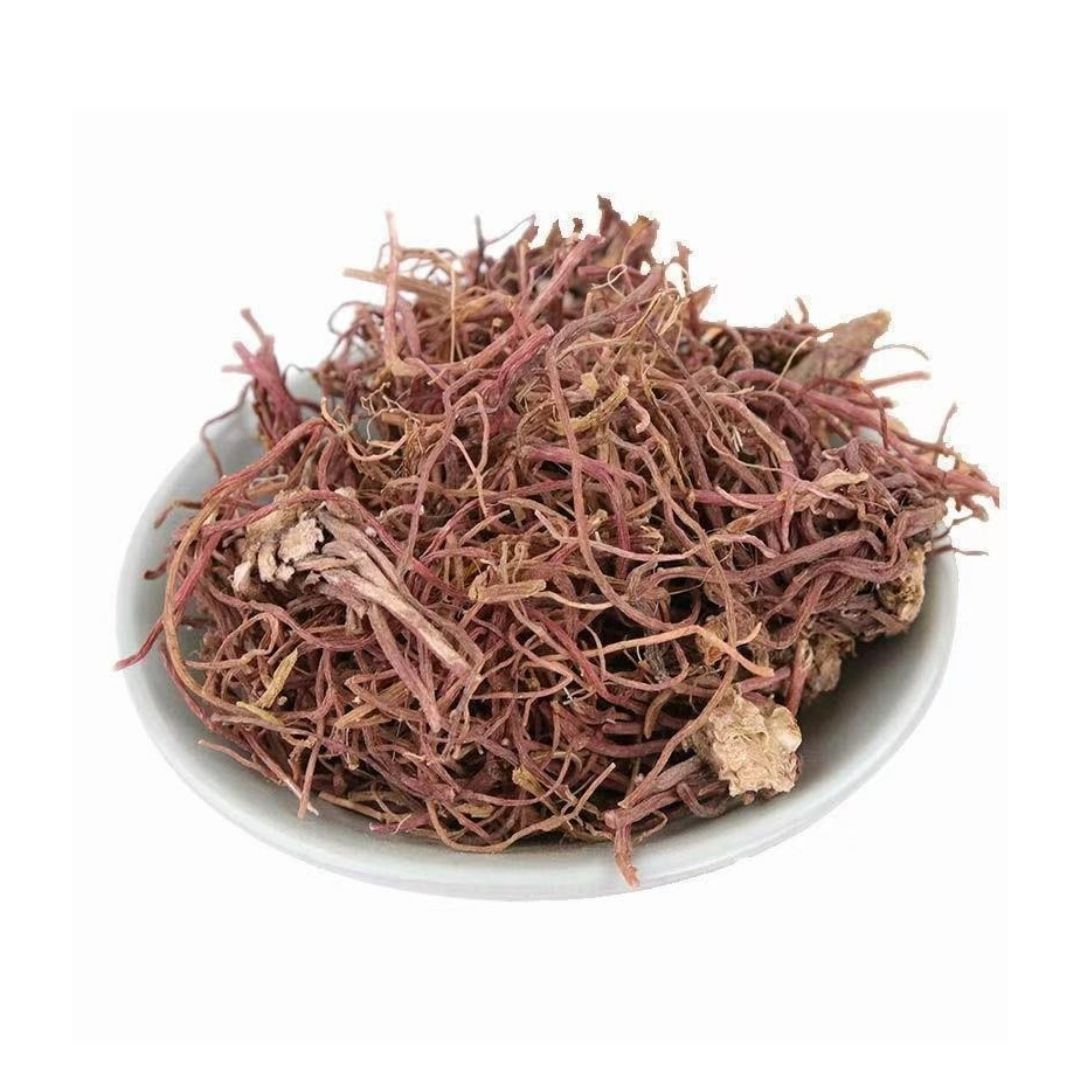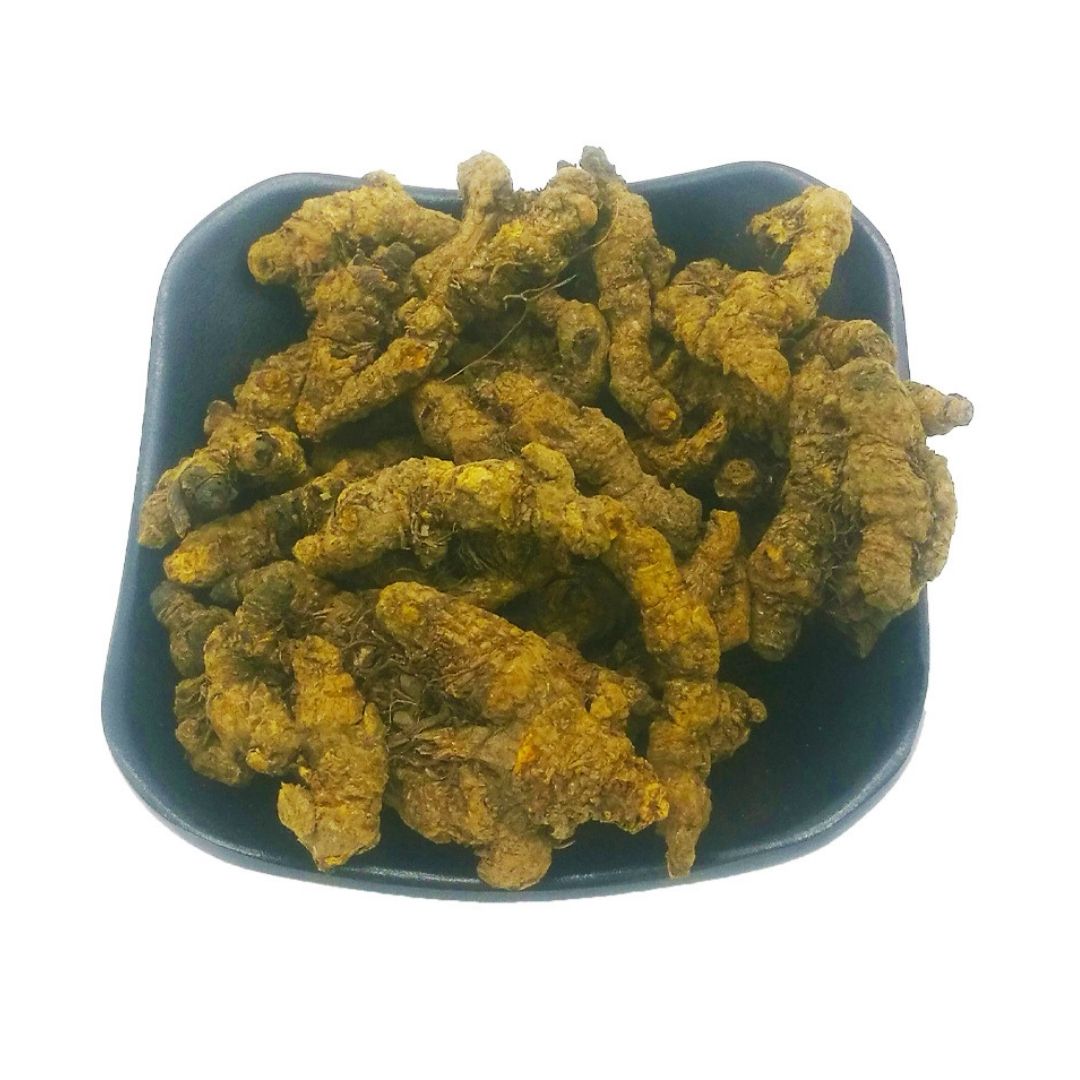


Product Introduction
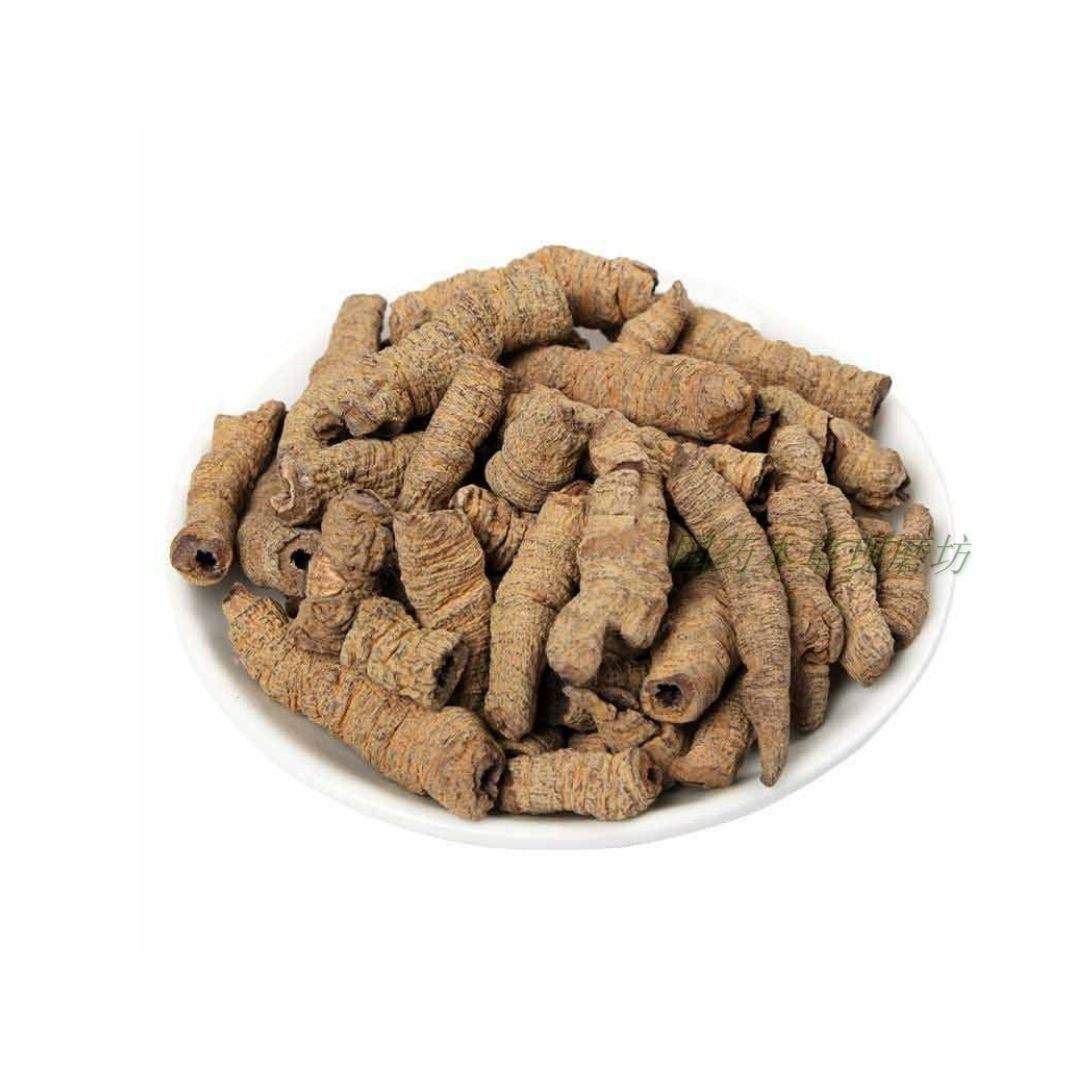
Coptis, or Huang Lian, is a vital herb within Traditional Chinese Medicine (TCM), revered for its powerful ability to clear heat and resolve dampness. The herb comes from the dried rhizomes of several species within the Coptis genus, with Coptis chinensis being one of the most commonly used. Practitioners value the plant for addressing a number of health imbalances related to excess heat and dampness in the body.
Main Active Ingredients
The efficacy of coptis is largely attributed to its high concentration of alkaloids. Berberine stands out as the most well-known and researched component, celebrated for its broad-spectrum antimicrobial and anti-inflammatory properties [1]. Palmatine and coptisine are also important alkaloids found in coptis, contributing to its overall therapeutic effect. These compounds work synergistically to influence various physiological processes, making coptis a valuable herb in the TCM pharmacopeia.
Product Application Scenarios, Usage, and Dosage
Coptis is indicated in various clinical scenarios, particularly where heat and dampness are involved. This includes conditions such as damp-heat diarrhea, bacterial infections, and inflammatory skin disorders [2]. The herb is also used to address insomnia related to heart fire and to clear heat from the upper body.
In TCM practice, coptis is typically administered in decoctions or herbal formulas, depending on the specific condition being treated. The dosage generally ranges from 1.5 to 6 grams per day, but this can vary based on the individual's constitution, the severity of the condition, and the formula in which it is used. It is often combined with other herbs to balance its strong, cold nature and to enhance its therapeutic effects.
Introduction to the Source Plant, Distribution, and Growth Environment
Coptis chinensis, the primary source of coptis, is a perennial plant. It thrives in cool, moist environments, typically found in mountainous regions with dense forests.
The plant is native to China, where it grows in the southwestern and central provinces, including Sichuan, Guizhou, and Hubei [3]. These regions provide the ideal conditions for its cultivation, with their high altitudes, adequate rainfall, and shaded habitats. The specific growth environment significantly impacts the quality and alkaloid content of the herb, with wild-grown coptis often considered superior due to its higher concentration of active compounds.
Harvesting, Processing, and Storage
The harvesting of coptis typically occurs in the autumn, when the rhizomes are at their peak potency. The process involves carefully digging up the roots, cleaning them to remove soil and debris, and then drying them. The drying process is crucial for preserving the herb's active constituents and preventing spoilage [4]. Traditionally, rhizomes are dried in the sun or through artificial means in a controlled environment.
After drying, the rhizomes are often cut into smaller pieces for easier processing and use in herbal formulas. It is important to store coptis properly to maintain its quality and efficacy. The herb should be kept in a cool, dry place, away from direct sunlight and moisture. Properly stored, coptis can retain its therapeutic properties for several years.
Citations:
[1] Li, Z., Geng, Y., Jiang, J., & Meng, K. (2022). Berberine, a main component of Coptis chinensis, protects against diabetic kidney disease via regulating gut microbiota and its metabolites. Frontiers in Pharmacology, 13, 954988.
[2] Jiang, X., Chen, Y., Lin, Z., Zhou, S., Li, S., & Wang, Y. (2015). Coptis chinensis: a comprehensive review of its traditional uses, phytochemistry, pharmacology, and toxicology. Journal of Ethnopharmacology, 160, 116-138.
[3] Lu, D., Zhang, H., Zhang, L., & Jiang, H. (2018). Chemical constituents and bioactivities of plants from the genus Coptis. Chemistry & Biodiversity, 15(10), e1800255.
[4] Huang, K. C. (1999). The pharmacology of Chinese herbs. CRC press.
Mia Wu

Hi, I’m Mia Wu! I love helping customers discover the best natural ingredients for their products. With a passion for herbs, spices, and fungi, I work to make sure you get only the finest raw materials. Let's grow together! 🌱✨