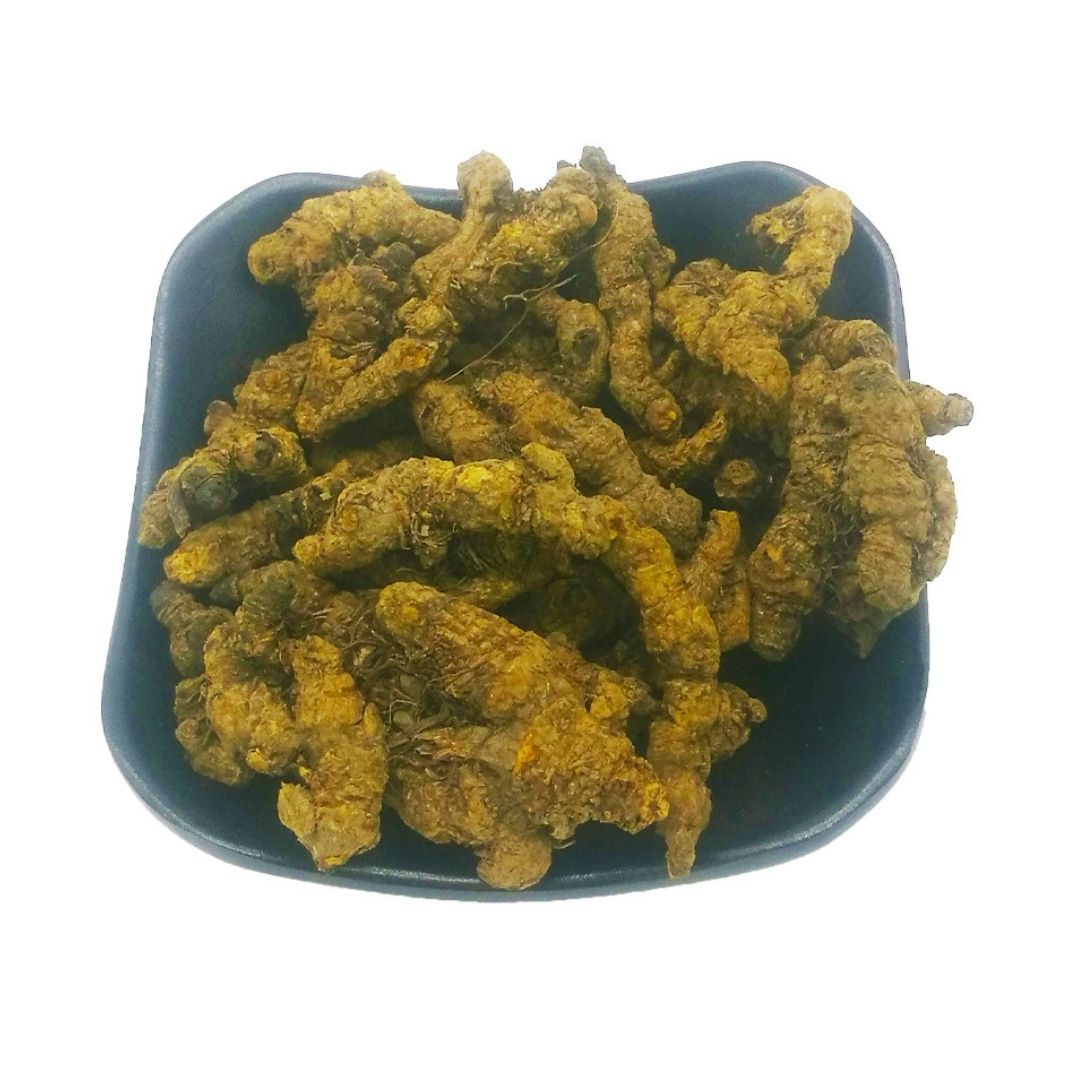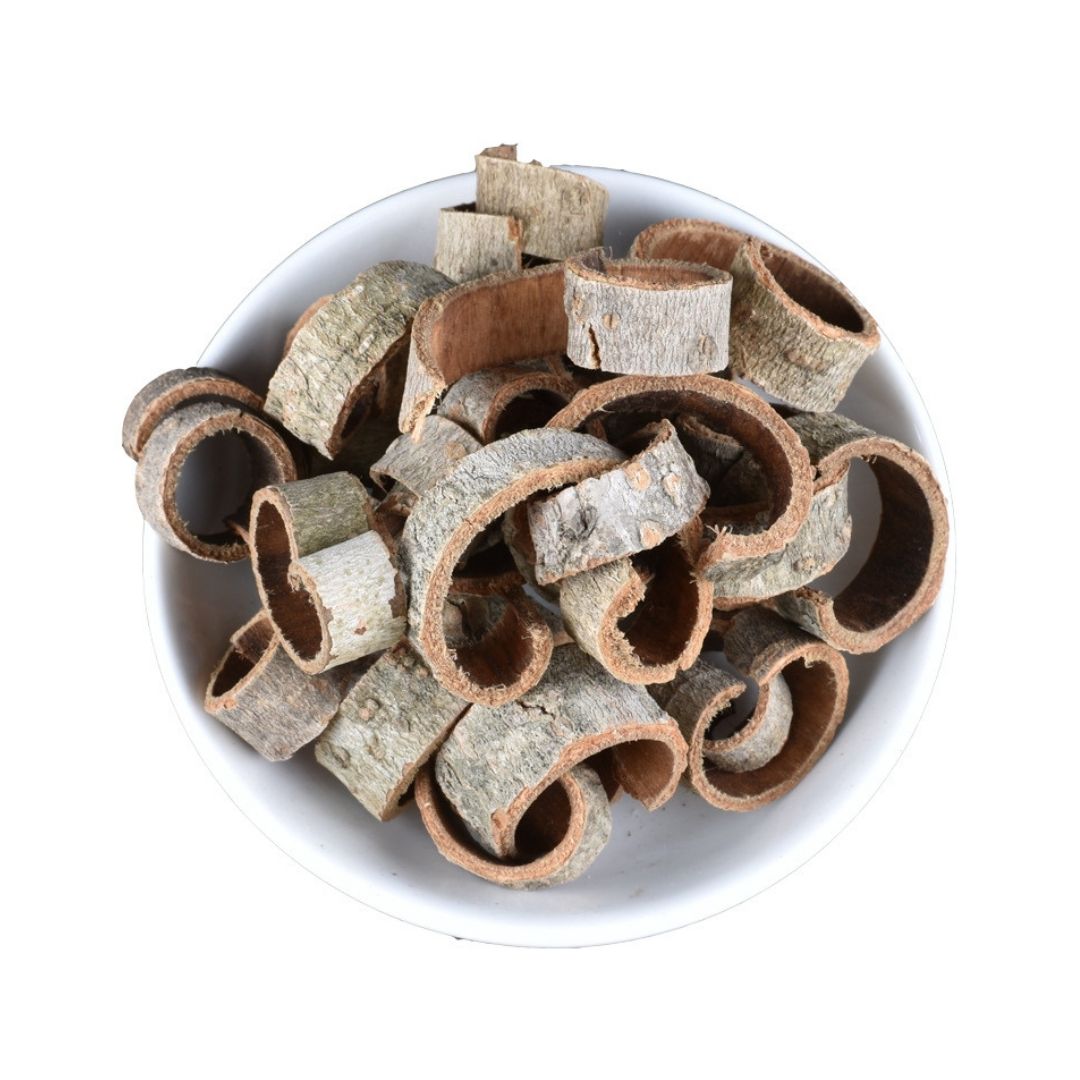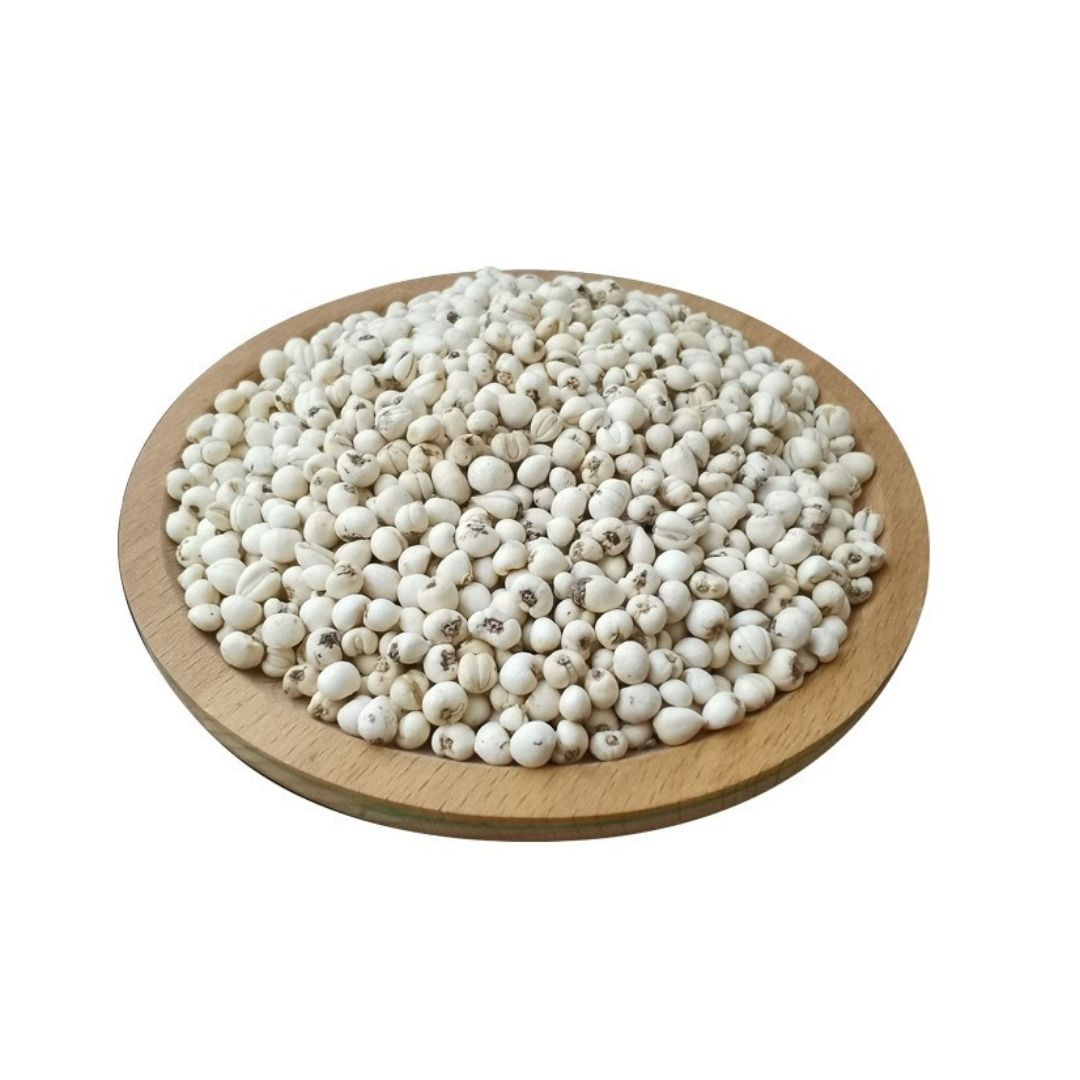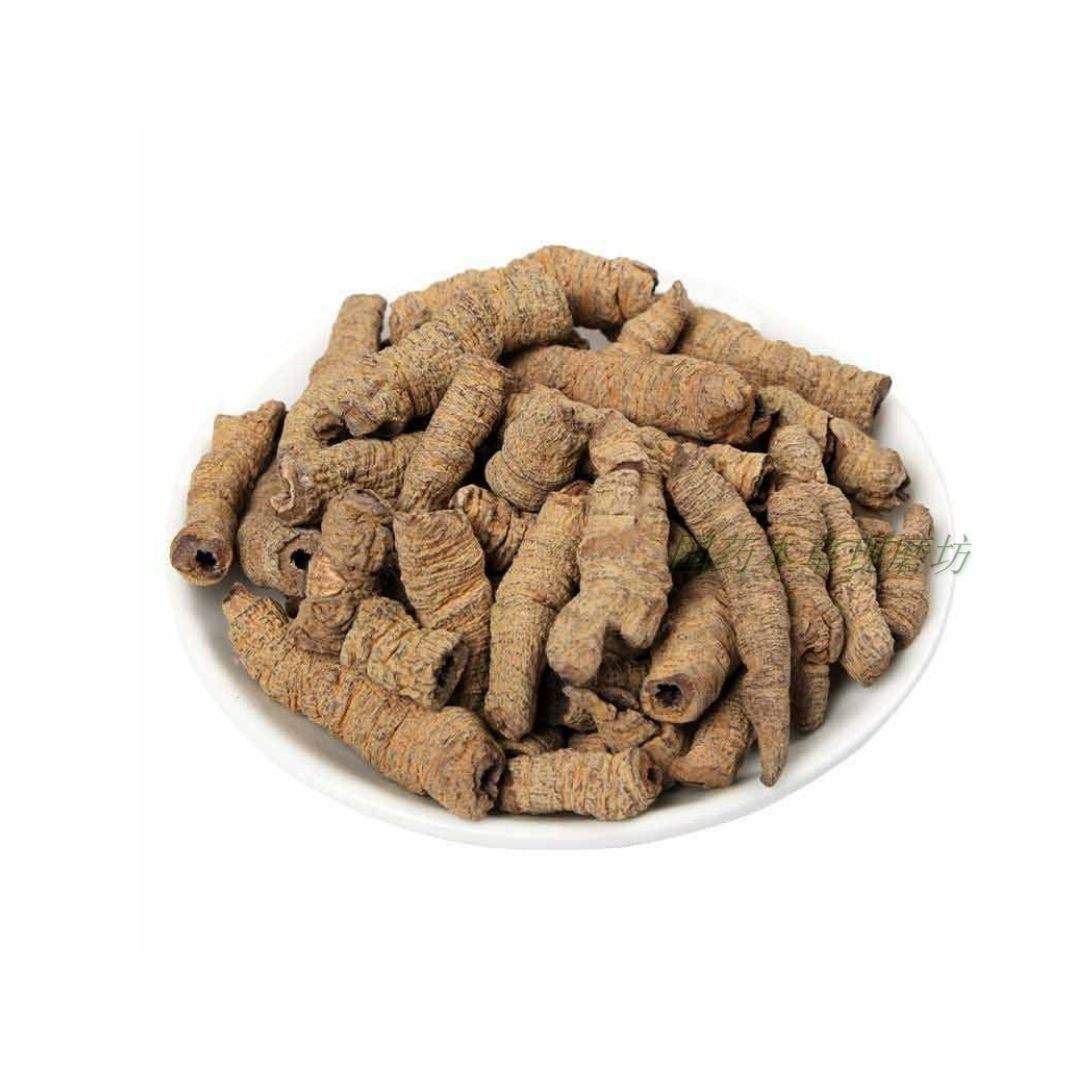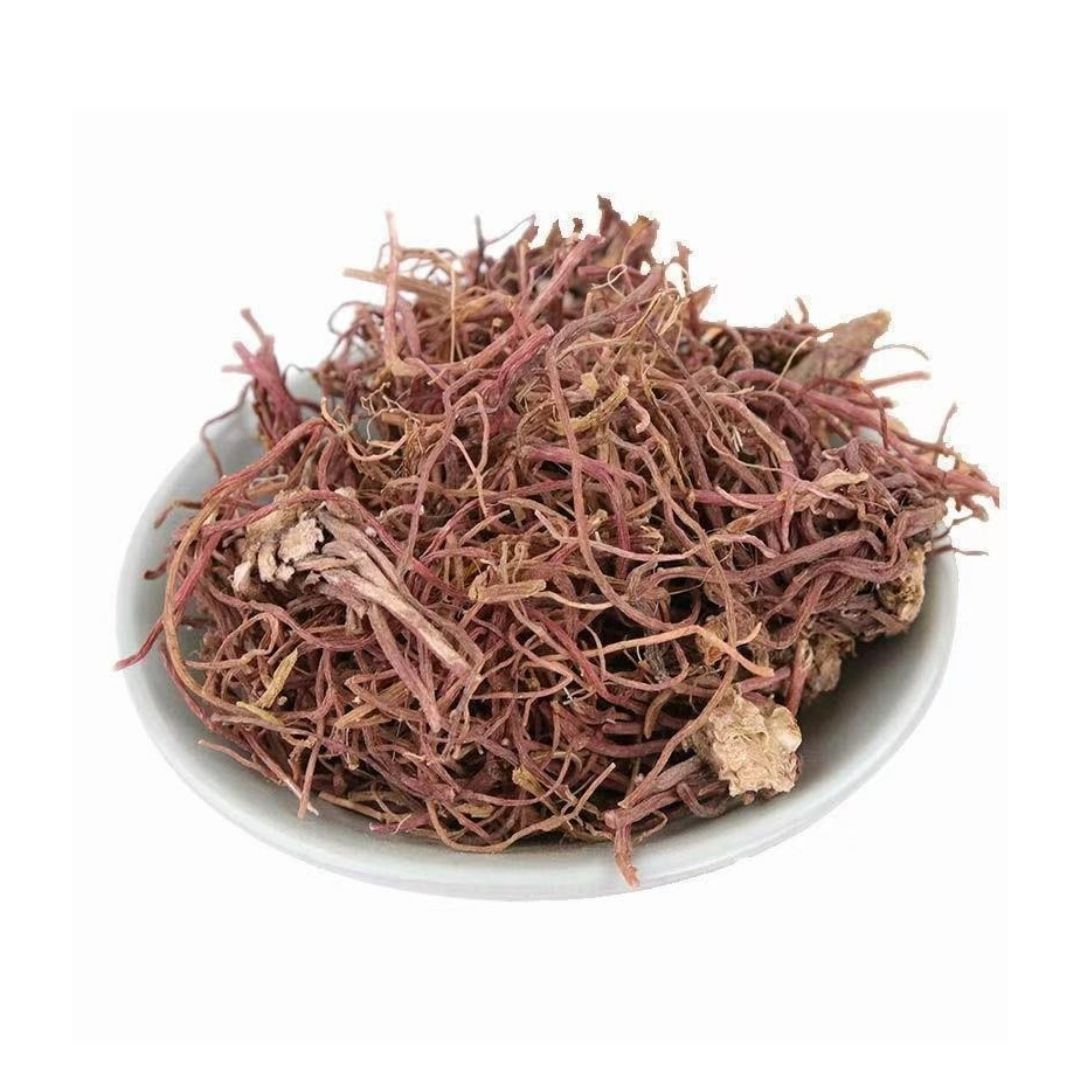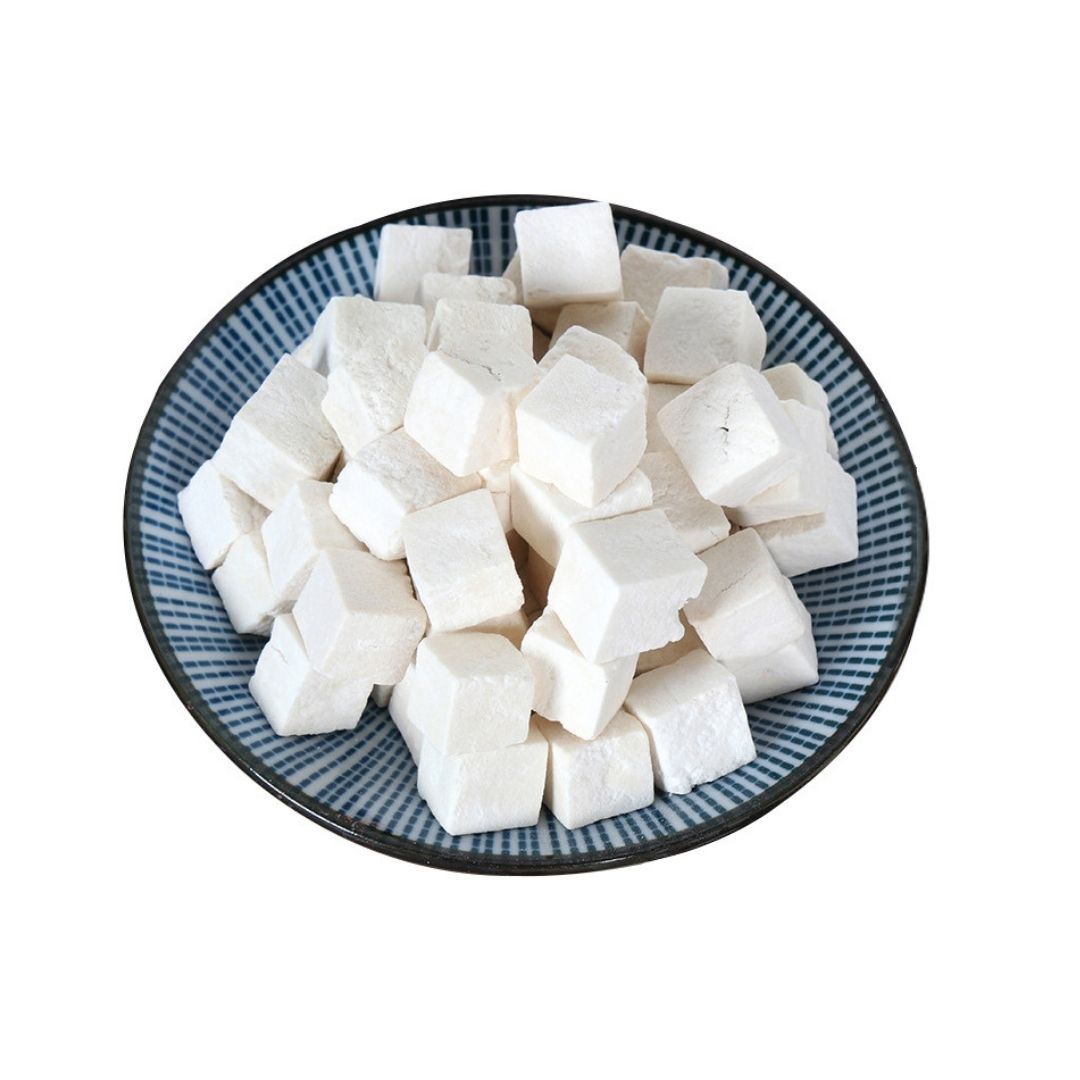


Product Introduction
Tuckahoe, or Fu Ling, is a widely used herb in Traditional Chinese Medicine (TCM). It is valued for its ability to address various health concerns, particularly those related to fluid metabolism and mental well-being. Its historical use dates back centuries, and it remains a staple in many herbal formulas.
Main Active Ingredients
The primary active ingredients in Tuckahoe include polysaccharides, such as beta-pachyman, which are known for their immunomodulatory and anti-tumor properties [1]. Triterpenoids, another key component, contribute to its anti-inflammatory and antioxidant effects [2]. These compounds work synergistically to produce the therapeutic benefits associated with the herb.
Product Application Scenarios, Usage, and Dosage
Tuckahoe is used in a variety of clinical scenarios. It is frequently prescribed for conditions such as edema, fatigue, and poor appetite, which are often attributed to spleen deficiency with dampness accumulation [3]. It can also be used for insomnia, palpitations, and anxiety, reflecting its calming effect on the heart and spirit [4].
The typical dosage of Tuckahoe is between 9 to 15 grams per day, usually administered in decoction form. It can be used alone or in combination with other herbs, depending on the specific condition being treated [5]. For example, it is often combined with Atractylodes macrocephala and licorice in formulas aimed at strengthening the spleen and resolving dampness.
Introduction to the Source Plant, Distribution, and Growth Environment
Wolfiporia extensa is a fungus that grows primarily on the roots of pine trees. It is found in various regions of China, including Yunnan, Guizhou, and Sichuan provinces. The fungus thrives in moist, shaded environments, often buried beneath the soil [6]. Its sclerotium, which is the medicinal part, can grow to a considerable size, sometimes weighing several kilograms.
Harvesting, Processing, and Storage
The harvesting of Tuckahoe typically occurs in the summer and autumn months. The sclerotium is dug up, cleaned, and then dried. The drying process can be done either in the sun or using artificial methods. Once dried, the Tuckahoe is often sliced or processed into different forms, such as powder or granules, to facilitate its use in herbal preparations [7].
Proper storage is essential to maintain the quality and efficacy of Tuckahoe. It should be stored in a cool, dry place with good ventilation to prevent mold growth and insect infestation [8]. It is recommended to keep it in airtight containers to protect it from moisture and humidity.
Citations:
[1] Zhu, X., et al. "Structural characterization and antitumor activity of a novel polysaccharide from Wolfiporia extensa." Carbohydrate Polymers 151 (2016): 755-763.
[2] Gao, Y., et al. "Triterpenoids from Wolfiporia extensa and their anti-inflammatory activities." Journal of Natural Products 76.5 (2013): 809-816.
[3] Bensky, D., et al. Chinese Herbal Medicine: Materia Medica. 3rd ed. Seattle, WA: Eastland Press, 2004.
[4] Chen, J. K., and T. T. Chen. Chinese Medical Herbology and Pharmacology. City of Industry, CA: Art of Medicine Press, 2004.
[5] Wiseman, N., and A. Ellis. Fundamentals of Chinese Medicine. Brookline, MA: Paradigm Publications, 1995.
[6] Xu, L., et al. "Genetic diversity and population structure of Wolfiporia extensa in China." Fungal Diversity 82.1 (2017): 163-176.
[7] Zhao, Z. Z., et al. "The processing of Chinese materia medica." Evidence-Based Complementary and Alternative Medicine 2012 (2012).
[8] State Administration of Traditional Chinese Medicine. Pharmacopoeia of the People's Republic of China. Beijing: China Medical Science Press, 2015.
Mia Wu

Hi, I’m Mia Wu! I love helping customers discover the best natural ingredients for their products. With a passion for herbs, spices, and fungi, I work to make sure you get only the finest raw materials. Let's grow together! 🌱✨