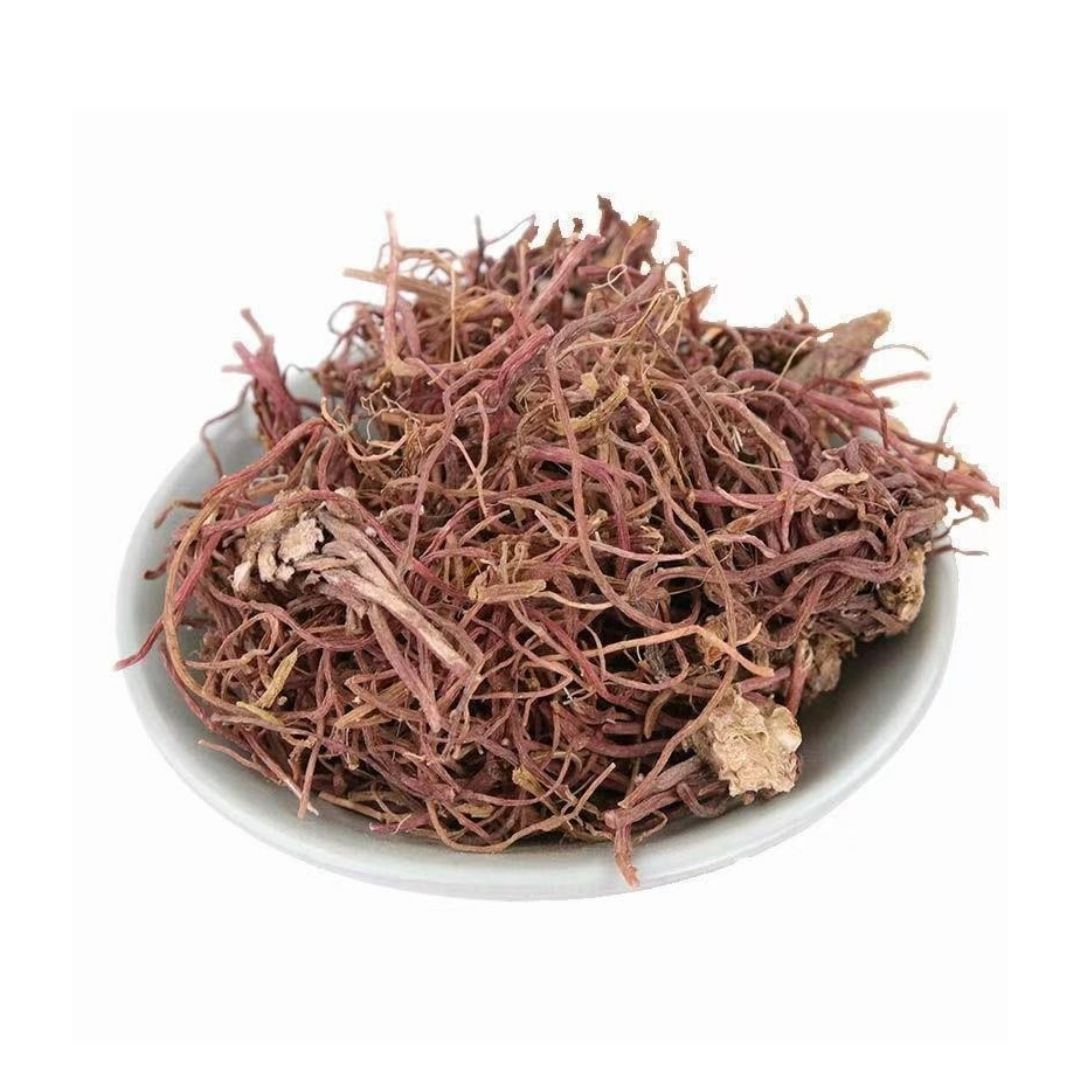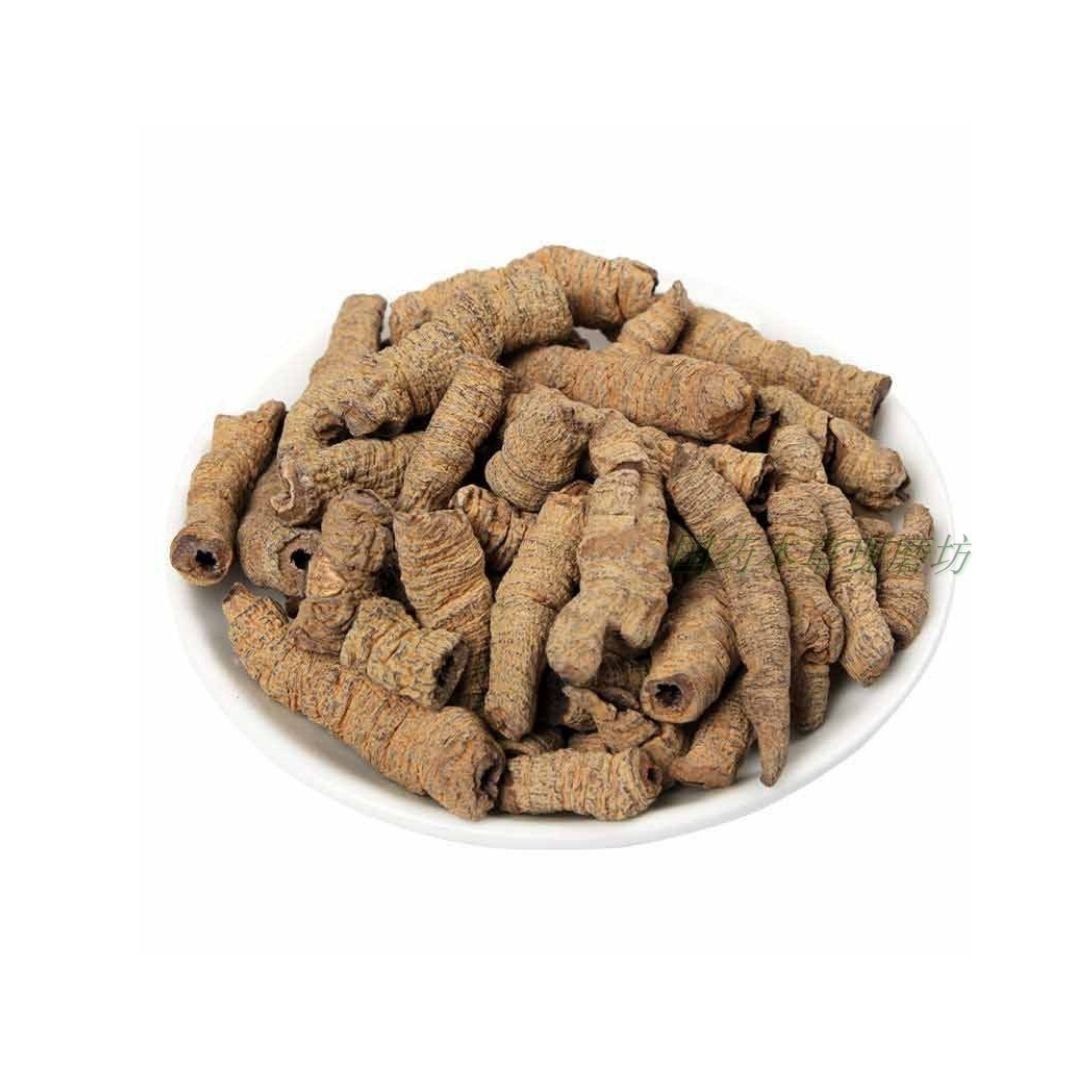


Product Introduction
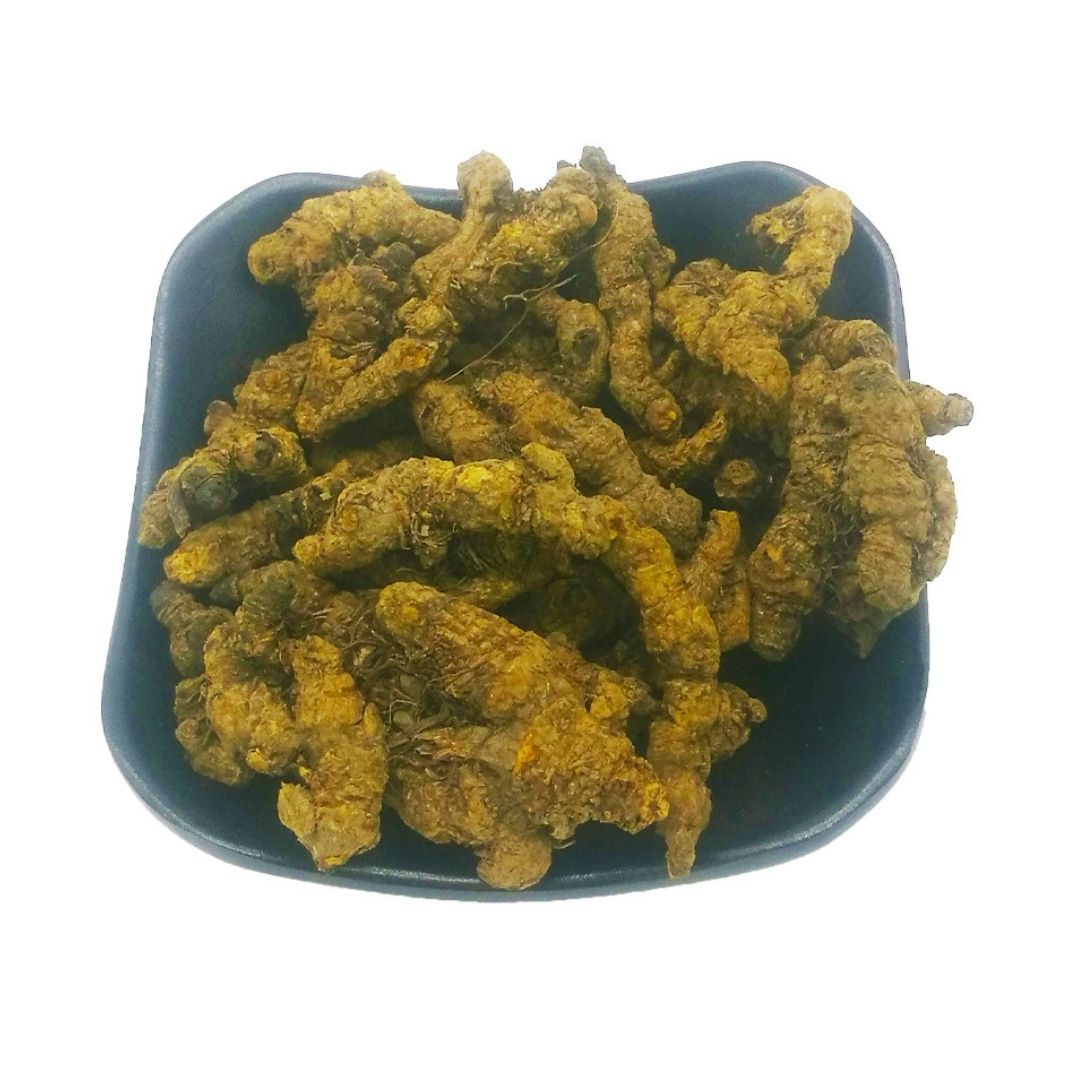
Medicinal Indianmulberry root, derived from Morinda officinalis, is a significant herb in traditional Chinese medicine, it is known for its properties that address kidney deficiency and related symptoms. The herb is valued for its capacity to fortify the bones and muscles, addressing discomfort associated with aging and physical weakness, additionally, it is frequently used in formulations aimed at improving overall vitality.
Main Active Ingredients
The effectiveness of Medicinal Indianmulberry root can be attributed to its key active ingredients, including anthraquinones and polysaccharides, these compounds contribute to its therapeutic actions. Anthraquinones have been noted for their anti-inflammatory and antioxidant effects, while polysaccharides are believed to support immune function and provide energy. These components work synergistically to support the herb's traditional uses.
Product Application Scenarios, Usage, and Dosage
Medicinal Indianmulberry root is commonly prescribed for conditions such as lower back pain, knee weakness, and impotence, that are all related to kidney deficiency according to TCM principles, it is also employed by individuals experiencing infertility or frequent urination. The herb is typically prepared as a decoction, or it can be used in the making of medicinal wines, and herbal supplements. The standard dosage usually ranges from 9 to 15 grams daily, but dosage can vary significantly, and one should consult a healthcare professional.
Introduction to the Source Plant, Distribution, and Growth Environment
Morinda officinalis is a perennial climbing plant primarily found in the southern regions of China. It thrives in warm, humid environments, often seen growing on hillsides and in forests. This plant requires specific soil conditions and ample sunlight to flourish, contributing to the herb's regional specificity.
Harvesting, Processing, and Storage
The roots of Morinda officinalis are typically harvested in the autumn or winter when the plant's energy is concentrated in the root system. After harvesting, the roots are cleaned, dried, and often sliced before being used medicinally. Proper storage is essential to maintain the herb's potency, and it should be kept in a cool, dry place, away from direct sunlight and humidity, to prevent mold and preserve its active compounds.
Citations
- Luo, Y., Kong, L., He, Q., Wu, X., & Tan, L. (2019). Chemical constituents and bioactivities of Morinda officinalis How: A review. Journal of Ethnopharmacology, 237, 327-343.
- Tang, W., & Eisenbrand, G. (2011). Chinese drugs of plant origin: Chemistry, pharmacology, and use in traditional and modern medicine. Springer Science & Business Media.
- Pharmacopoeia Committee of PRC. (2020). Pharmacopoeia of the People's Republic of China (Vol. 1). China Medical Science Press.
Mia Wu

Hi, I’m Mia Wu! I love helping customers discover the best natural ingredients for their products. With a passion for herbs, spices, and fungi, I work to make sure you get only the finest raw materials. Let's grow together! 🌱✨