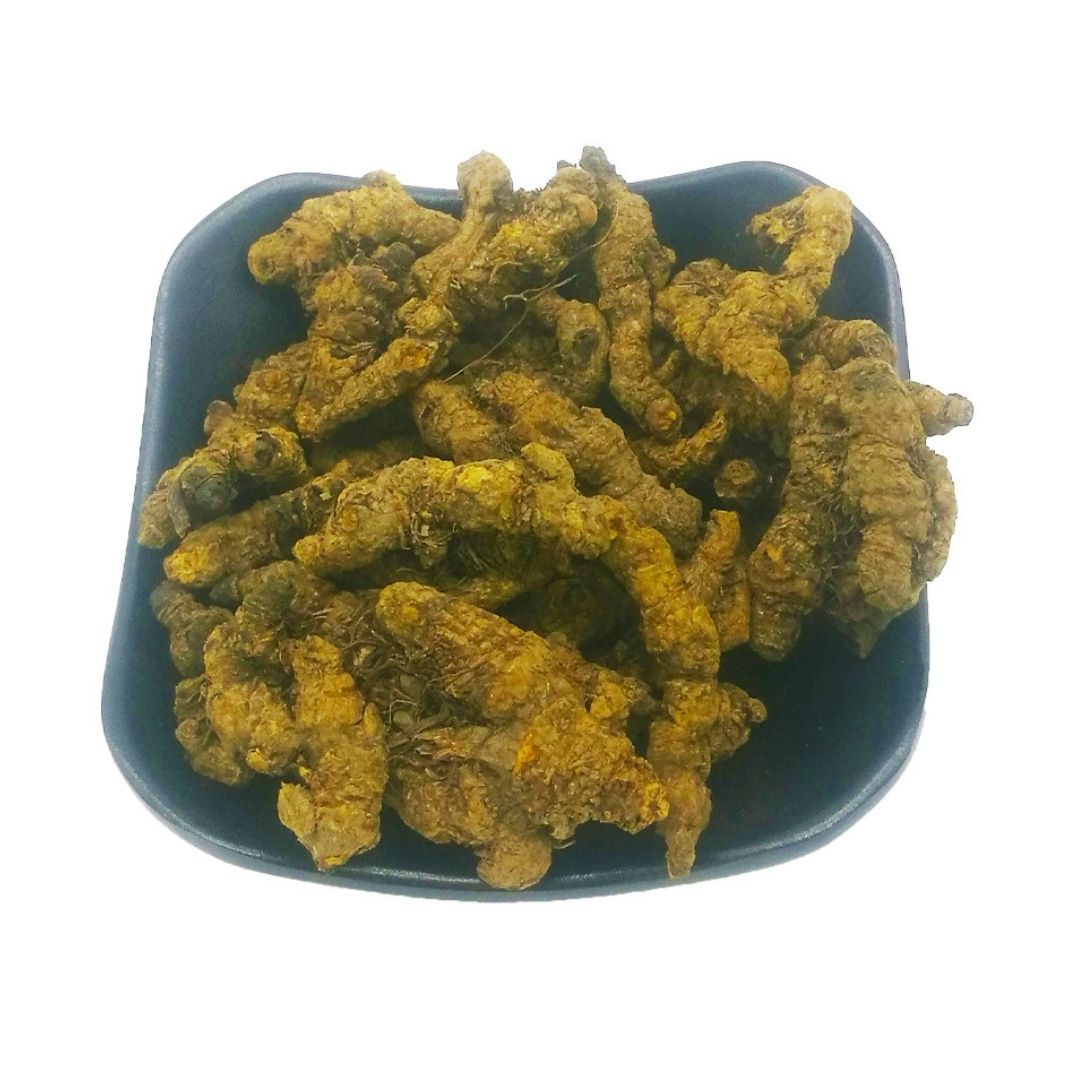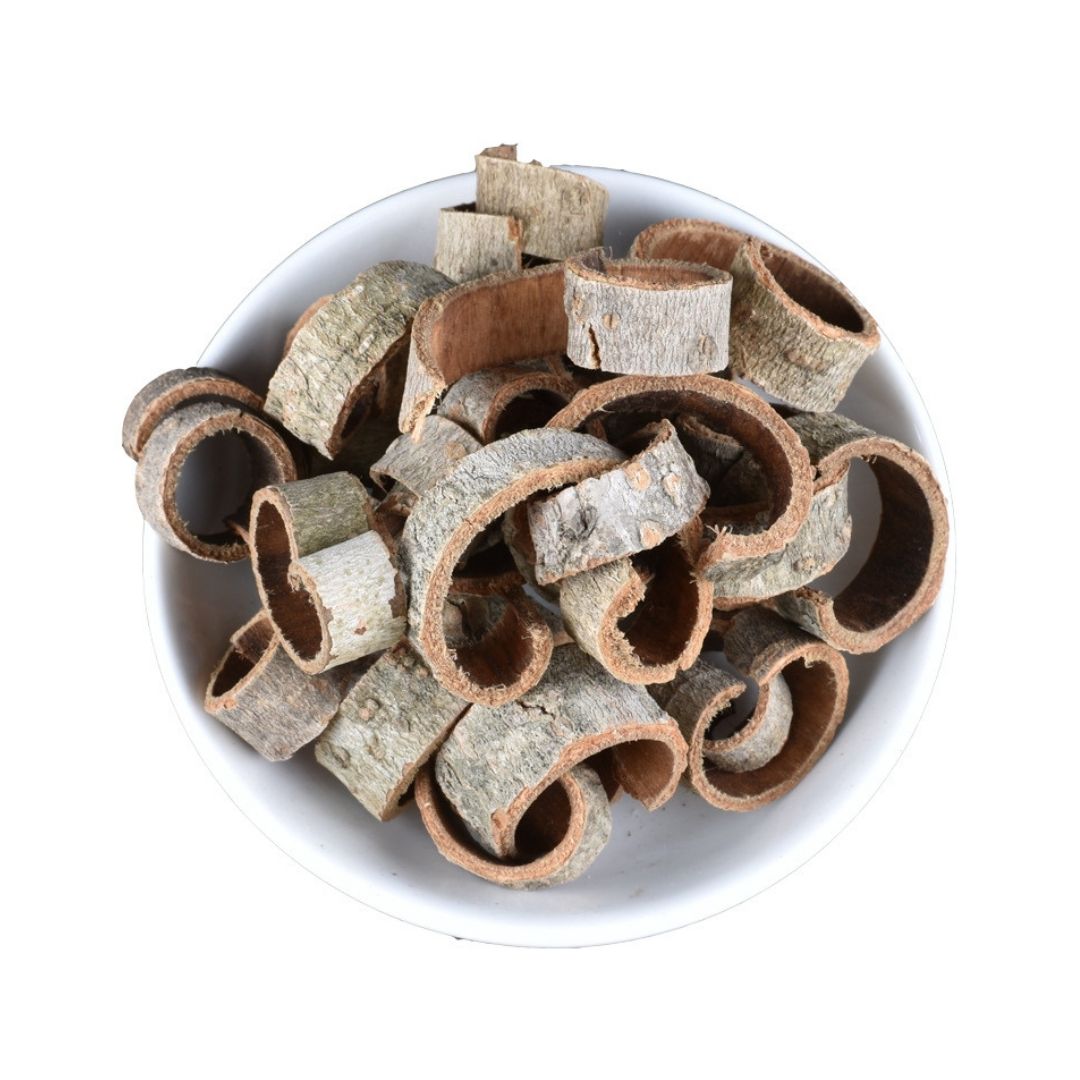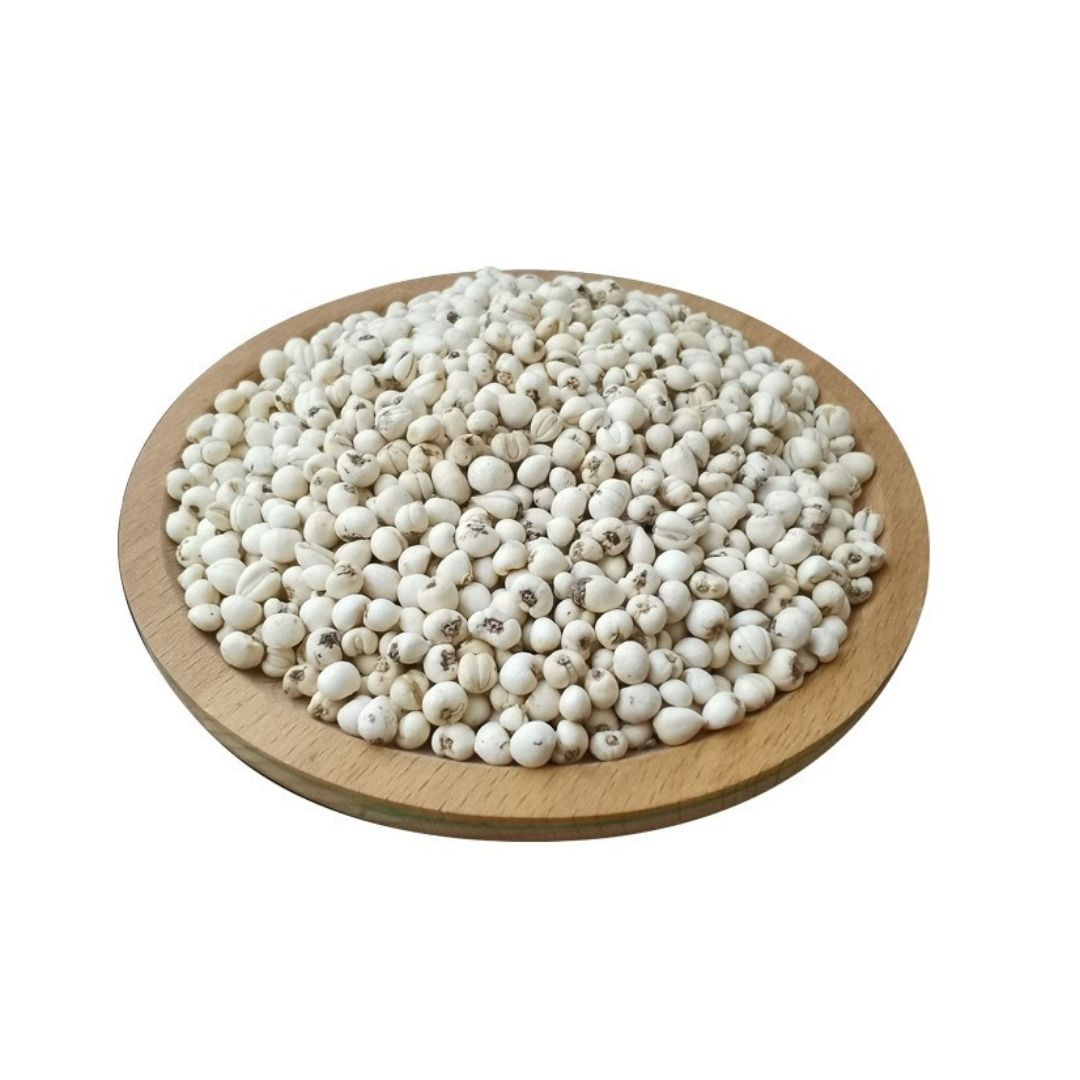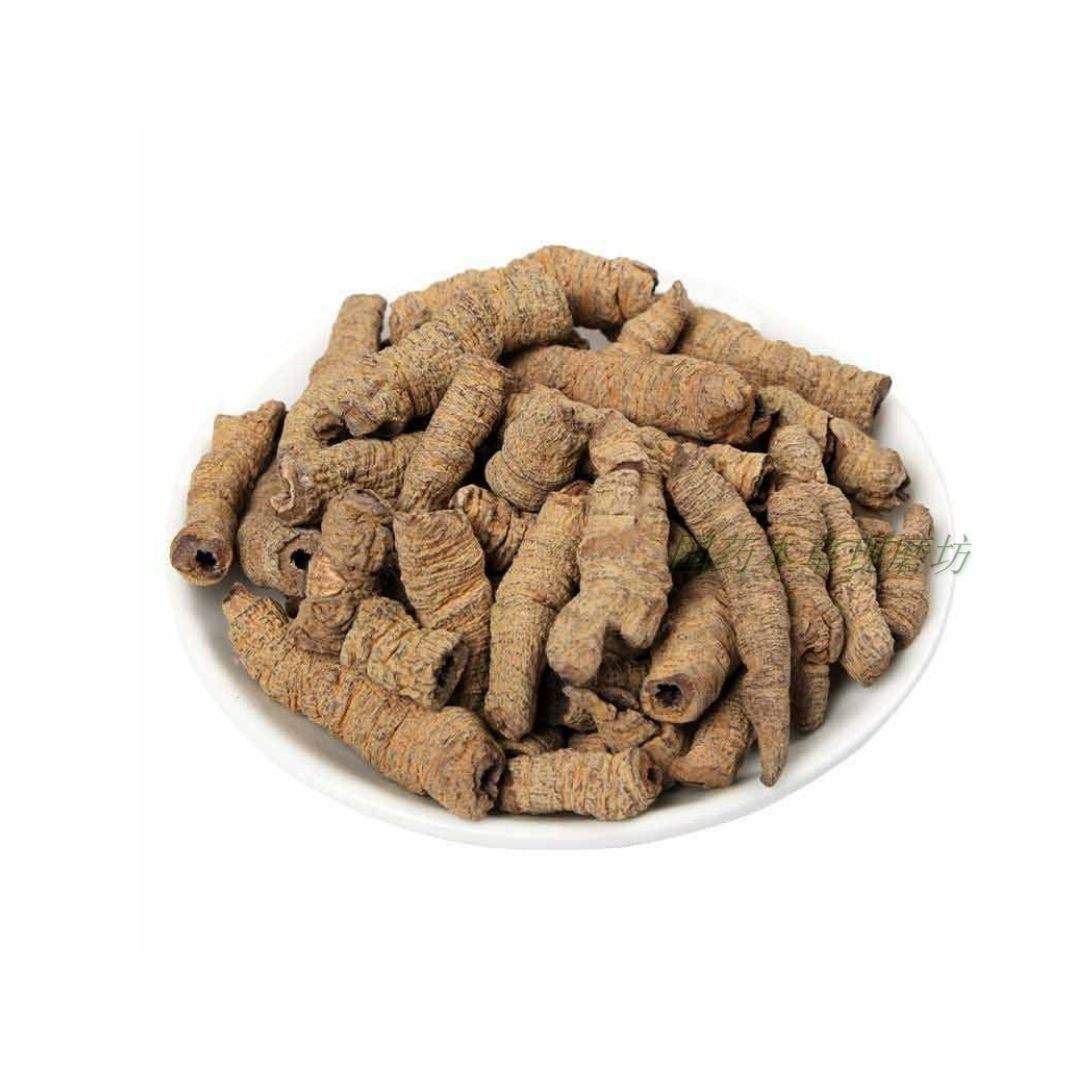


Product Introduction
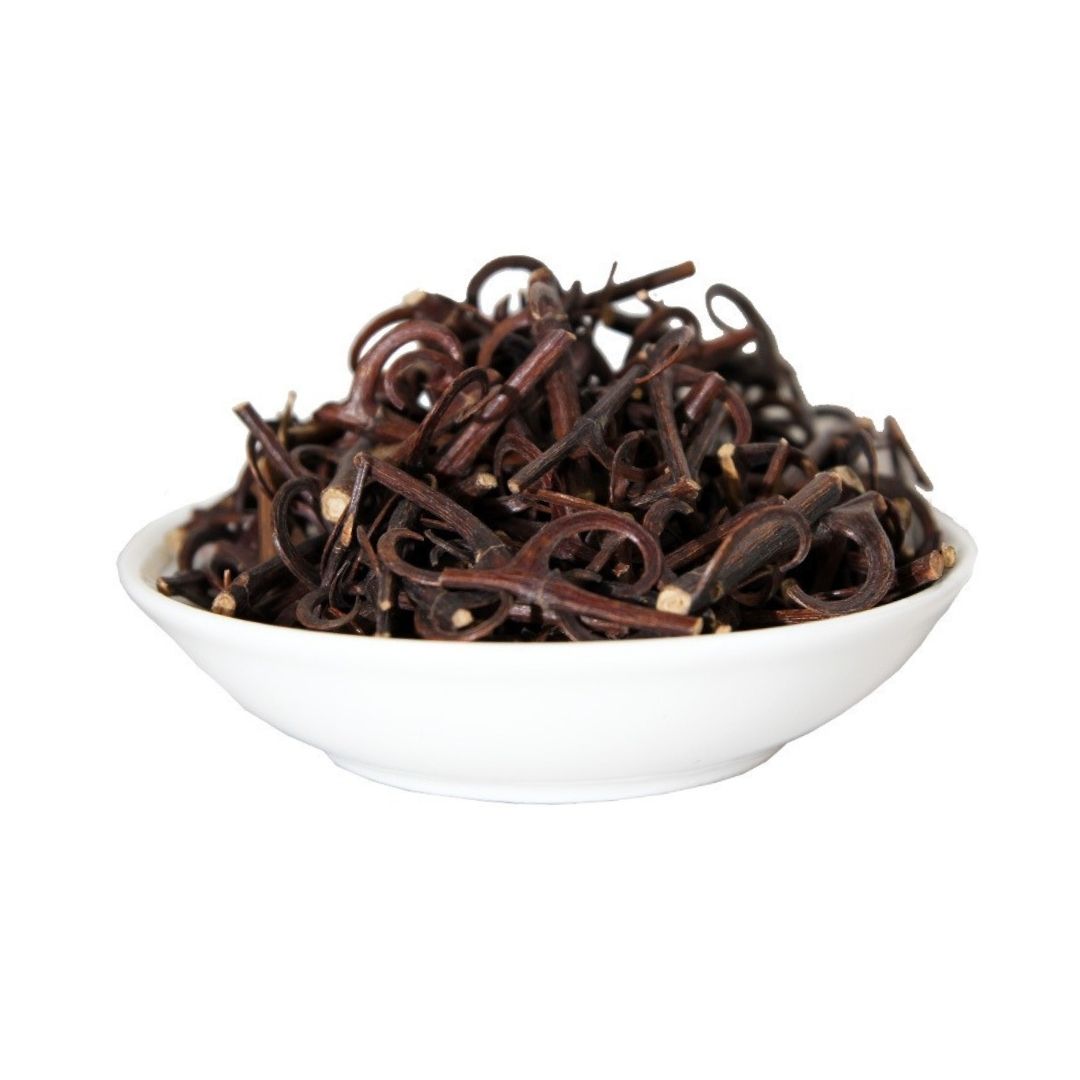
Uncariae Ramulus Cum Uncis, or Gou Teng, is a commonly used herb in traditional Chinese medicine. It is valued for its effectiveness in addressing conditions related to wind and heat. The herb mainly consists of the dried stems with hooks from various Uncaria species, and it plays an important role in managing neurological and cardiovascular health through its unique properties [2].
Main Active Ingredients
The therapeutic effects of Gou Teng are largely attributed to its alkaloid content. Rhynchophylline is one of the primary active ingredients, known for its neuroprotective qualities [3]. Isorhynchophylline also contributes significantly to its pharmacological actions. These compounds work synergistically to deliver the herb's beneficial effects, which are used to maintain overall wellness and treat specific ailments [4].
Product Application Scenarios, Usage, and Dosage
Gou Teng is frequently prescribed to treat conditions such as headaches, dizziness, and convulsions, particularly those associated with hypertension [5]. It is also employed to calm the liver and subdue hyperactive Yang, addressing symptoms like irritability and insomnia. Typically, the herb is used in decoctions with a dosage range of 9 to 15 grams, often combined with other herbs to enhance its efficacy. It is generally added towards the end of the decoction process to preserve its active constituents [6].
Introduction to the Source Plant, Distribution, and Growth Environment
Uncaria rhynchophylla, the primary source of Gou Teng, is a climbing shrub found in the southern regions of China, including provinces like Guangdong, Guangxi, and Yunnan [7]. It thrives in warm, humid environments, often climbing on other plants in forests and thickets. The plant prefers well-drained soils and partial shade, contributing to the rich biodiversity of its native habitats [8].
Harvesting, Processing, and Storage
The stems of Uncaria rhynchophylla are typically harvested in the autumn and winter seasons. After harvesting, the stems are cut into segments and dried, either in the sun or through artificial drying methods. Proper drying is crucial to prevent mold growth and preserve the herb's active compounds. Once dried, Gou Teng should be stored in a cool, dry location away from direct sunlight and moisture to maintain its potency and prevent degradation [9].
Citations:
- Li, H., et al. "Chemical constituents of Uncaria species and their pharmacological activities." Journal of Ethnopharmacology 142.2 (2012): 268-295.
- Liu, J., et al. "Uncaria alkaloids: potential neuroprotective agents." Evidence-Based Complementary and Alternative Medicine 2015 (2015).
- Takayama, H., et al. "Rhynchophylline and isorhynchophylline as cognition-enhancing compounds from Uncaria species." Journal of Natural Medicines 63.3 (2009): 247-256.
- Kim, H. J., et al. "The effect of Uncaria rhynchophylla on blood pressure and heart rate in spontaneously hypertensive rats." Biological & Pharmaceutical Bulletin 30.4 (2007): 708-712.
- Zhao, Q., et al. "Gouteng (Uncaria rhynchophylla) for hypertension." Cochrane Database of Systematic Reviews 11 (2020).
- Chen, J. K., & Chen, T. T. Chinese Medical Herbology and Pharmacology. Art of Medicine Press, 2004.
- Wu, Z. Y., & Raven, P. H. Flora of China. Vol. 19. Science Press, 2011.
- Yang, L., et al. "Ethnobotany, phytochemistry, and pharmacology of Uncaria sinensis (Oliv.) Havil." Journal of Ethnopharmacology 210 (2018): 1-21.
- 国家药典委员会. 中华人民共和国药典 [Pharmacopoeia of the People's Republic of China]. 中国医药科技出版社, 2020.
Mia Wu

Hi, I’m Mia Wu! I love helping customers discover the best natural ingredients for their products. With a passion for herbs, spices, and fungi, I work to make sure you get only the finest raw materials. Let's grow together! 🌱✨