

Product Introduction
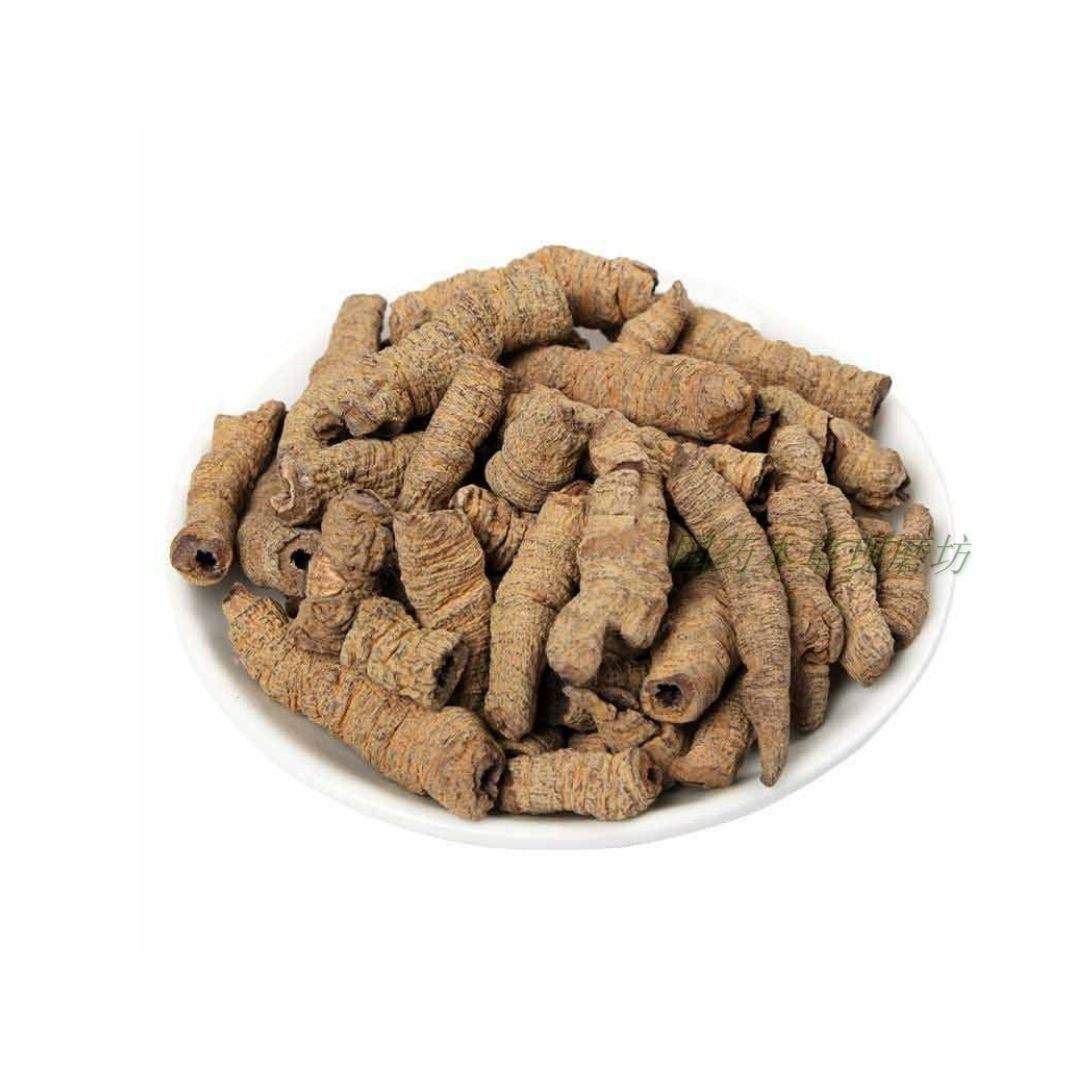
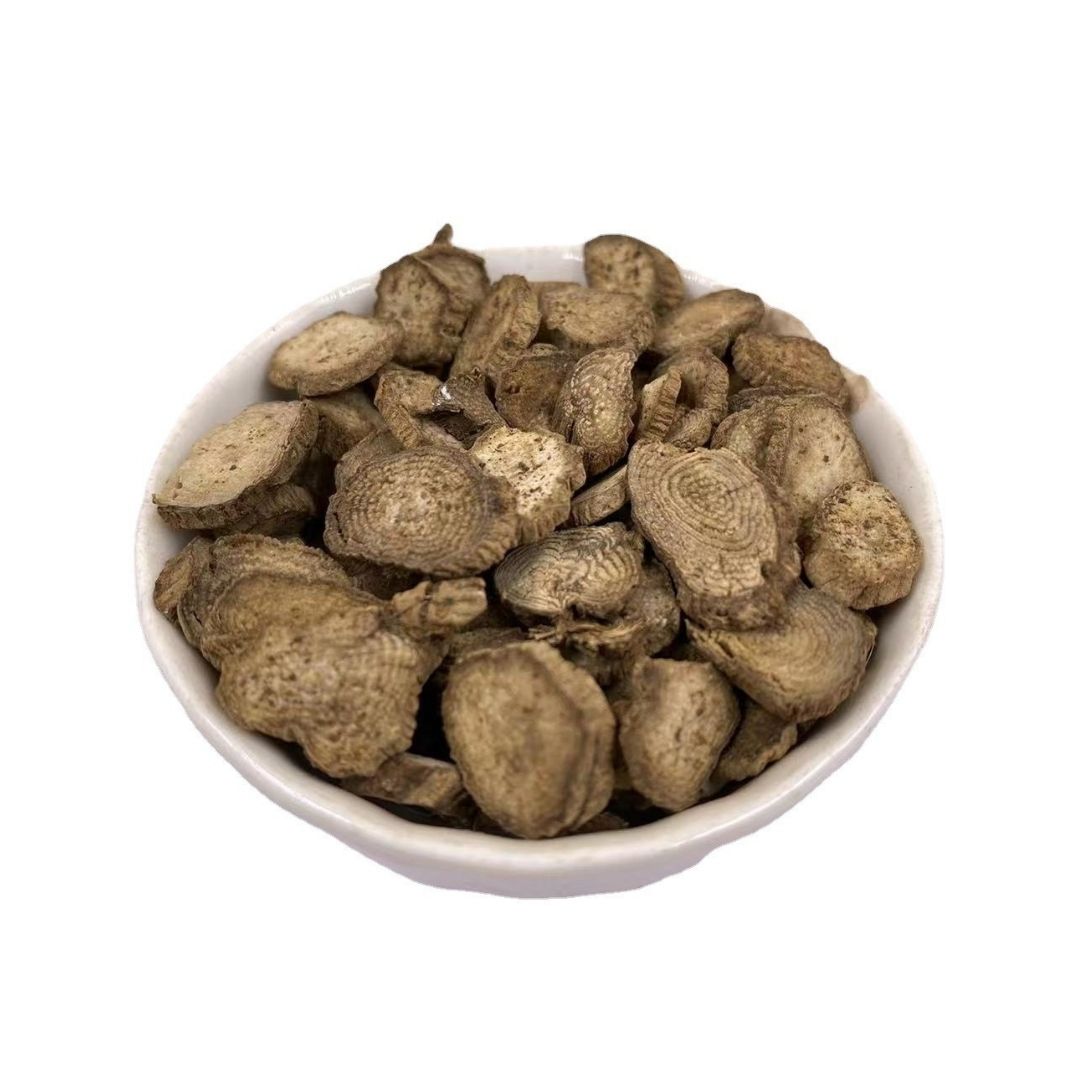
Twotooth Achyranthes Root, scientifically known as Achyranthes bidentata, is a significant herb in Traditional Chinese Medicine. This herb has been used for centuries to address various health conditions, primarily those related to the musculoskeletal system and blood circulation. It is recognized for its therapeutic properties in tonifying the liver and kidney, strengthening bones and sinews, and promoting the movement of blood. The herb is carefully harvested and processed to retain its medicinal qualities, ensuring its effectiveness in different formulations.
Main Active Ingredients
The efficacy of Twotooth Achyranthes Root is attributed to its complex chemical composition. Saponins are among the main active constituents, contributing to its anti-inflammatory and analgesic effects [1]. Polysaccharides present in the root also play a role in immune modulation and provide energy. It contains essential trace elements, such as potassium, calcium, and iron, crucial for bone health and overall physiological functions. Further research continues to explore the full range of active compounds and their synergistic effects [2].
Product Application Scenarios, Usage, and Dosage
Twotooth Achyranthes Root is versatile in its applications. It is often prescribed for lower back pain, knee weakness, and arthritis due to its ability to strengthen the lower body and alleviate pain [3]. It's also used to treat conditions involving blood stagnation, and to guide blood downwards in cases such as nosebleeds or toothaches due to heat rising.
The typical dosage of Twotooth Achyranthes Root is between 9 to 15 grams, usually administered in decoction form [4]. It can also be found in various herbal formulas and supplements. The herb might be prepared differently depending on the specific condition being treated; for example it can be prepared with salt to enhance its effects on the lower body [5].
Introduction to the Source Plant, Distribution, and Growth Environment
Achyranthes bidentata is a perennial herb belonging to the Amaranthaceae family. The plant is characterized by its distinctive two-toothed bracts, which give the root its name [6]. This species is native to Asia and is widely distributed in China, Korea, and Japan. It thrives in various environments, including mountain slopes, forest edges, and riverbanks, generally preferring moist, well-drained soils. The plant grows to a height of 0.5 to 1 meter, featuring opposite leaves and spikes of greenish flowers that bloom in the summer [7].
Harvesting, Processing, and Storage
The roots are typically harvested in the autumn after the plant has matured, usually from October to November [8]. After harvesting, the roots are washed to remove soil and impurities, then dried either in the sun or using mechanical dryers. Traditional processing methods may involve steaming or soaking the roots in wine to enhance their medicinal properties [9]. Properly dried Twotooth Achyranthes Root should be stored in airtight containers, in a cool, dry, and dark place to prevent moisture absorption and maintain its quality and potency over time [10].
Citations:
[1] Zhang, Y., et al. "Chemical constituents from Achyranthes bidentata and their anti-inflammatory activities." Journal of Ethnopharmacology 145.1 (2013): 270-277.
[2] Li, X., et al. "Polysaccharides from Achyranthes bidentata: Preparation, characterization, and bioactivities." International Journal of Biological Macromolecules 126 (2019): 1158-1166.
[3] Chen, J. K., & Chen, T. T. Chinese Herbal Formulas and Applications. Art of Medicine Press, 2009.
[4] Bensky, D., et al. Chinese Herbal Medicine: Materia Medica. 3rd ed., Eastland Press, 2004.
[5] Yeung, H. C. Handbook of Chinese Herbs and Formulas. Institute of Chinese Medicine, 1985.
[6] Flora of China Editorial Committee. Flora of China. Vol. 5. Science Press, 2003.
[7] Stuart, G. A. Chinese Materia Medica: Vegetable Kingdom. Southern Illinois University Press, 1987.
[8] Zhao, Z., et al. "The Traditional Chinese Medicine Achyranthes bidentata Polysaccharides Ameliorates Osteoporosis via the MAPK Signaling Pathway." Evidence-Based Complementary and Alternative Medicine 2020 (2020): 1-14.
[9] Luo, L., et al. "Effects of processing on chemical profiles and bioactivities of Achyranthes bidentata polysaccharides." Journal of Pharmaceutical and Biomedical Analysis 160 (2018): 302-309.
[10] State Pharmacopoeia Commission of the People’s Republic of China. Pharmacopoeia of the People’s Republic of China. China Medical Science Press, 2020.
Mia Wu

Hi, I’m Mia Wu! I love helping customers discover the best natural ingredients for their products. With a passion for herbs, spices, and fungi, I work to make sure you get only the finest raw materials. Let's grow together! 🌱✨