

Product Introduction
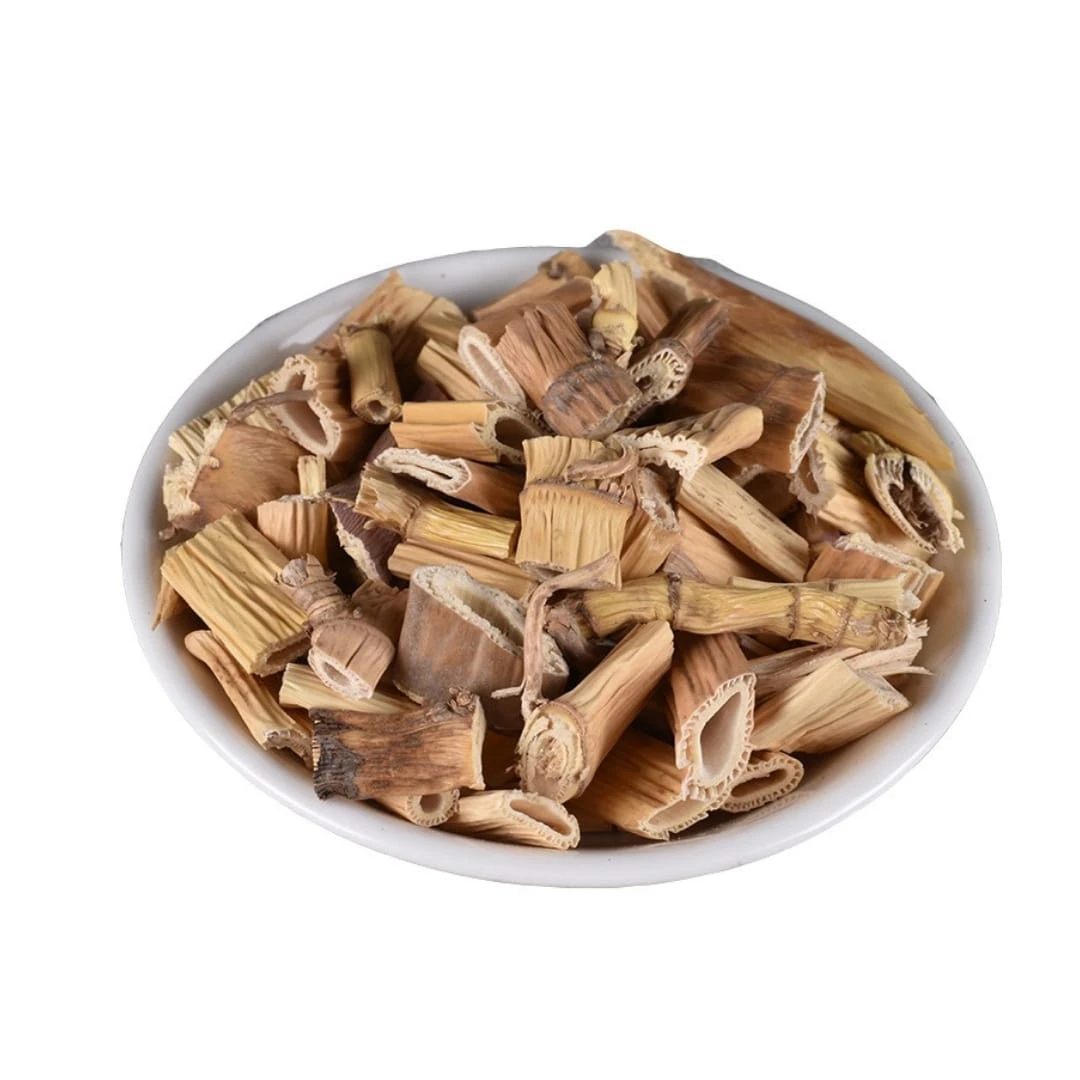
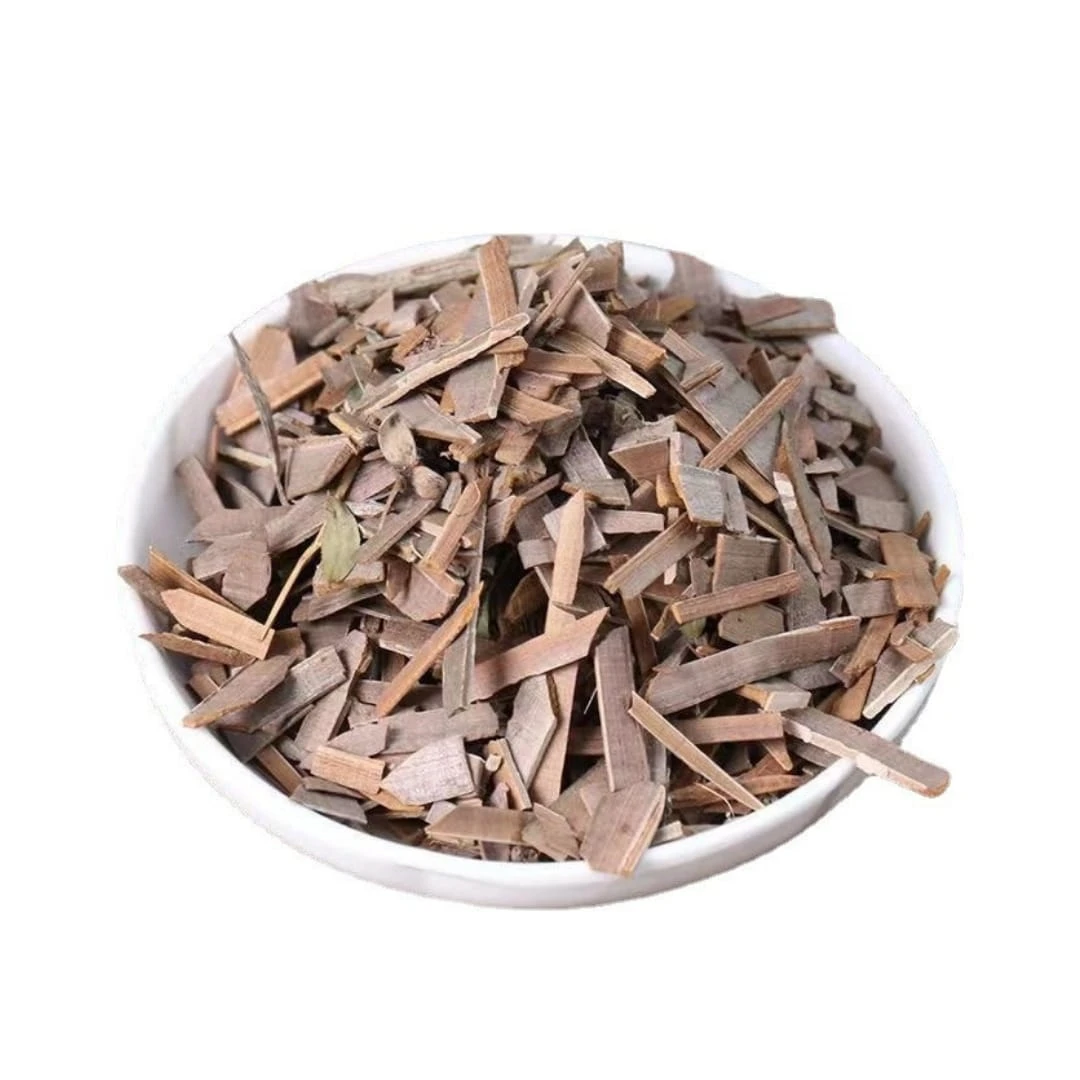
The Twig of Winged Euonymus, sourced from the Euonymus alatus plant, is a traditional Chinese medicine used for various health applications. The twigs are harvested, processed, and then utilized for their therapeutic properties. It is characterized by its slender appearance and is valued for its perceived ability to influence specific meridians in the body.
Main Active Ingredients
The primary active ingredients in Twig of Winged Euonymus include compounds such as euonymin. These components are believed to contribute to the herb's therapeutic effects, although further research may be needed to fully elucidate their mechanisms of action. The presence of these chemicals contributes to the plant's perceived medicinal properties.
Product Application Scenarios, Usage, and Dosage
In traditional Chinese medicine, Twig of Winged Euonymus is typically used to invigorate blood circulation and alleviate pain. Common applications include addressing symptoms related to menstrual issues, arthritis, and traumatic injuries. The herb is often prepared as a decoction, where it is boiled with water, and the resulting liquid is consumed. Dosage can vary but usually ranges from 6 to 12 grams daily, according to traditional use. Consulting with a qualified healthcare practitioner is essential when determining appropriate usage and dosage.
Introduction to the Source Plant, Distribution, and Growth Environment
Euonymus alatus, the source plant for Twig of Winged Euonymus, is a deciduous shrub native to regions of Asia, including China, Japan, and Korea. It is known for its distinctive winged bark and vibrant red fall foliage. The plant thrives in wooded areas and along forest edges, typically favoring well-drained soils and partial sunlight. Its adaptability has also led to its introduction and, in some cases, classification as an invasive species in other parts of the world.
Harvesting, Processing, and Storage
The twigs are typically harvested in the late autumn or early winter months. After harvesting, the twigs are dried, usually under the sun or using mechanical drying methods, until they reach a suitable moisture level for storage. To maintain their quality and prevent deterioration, the dried twigs should be stored in a cool, dry place away from direct sunlight and moisture. Proper storage conditions are crucial to preserve the herb's active compounds and therapeutic properties.
Citations:
- Traditional Chinese Medicine: A Manual from Acaademy of Traditional Chinese Medicine.
- Pharmacopoeia of the People's Republic of China. 2015.
- Bensky, D., Clavey, S., Stöger, E., & Gamble, A. (2004). Chinese Herbal Medicine: Materia Medica (3rd ed.). Eastland Press.
Mia Wu

Hi, I’m Mia Wu! I love helping customers discover the best natural ingredients for their products. With a passion for herbs, spices, and fungi, I work to make sure you get only the finest raw materials. Let's grow together! 🌱✨