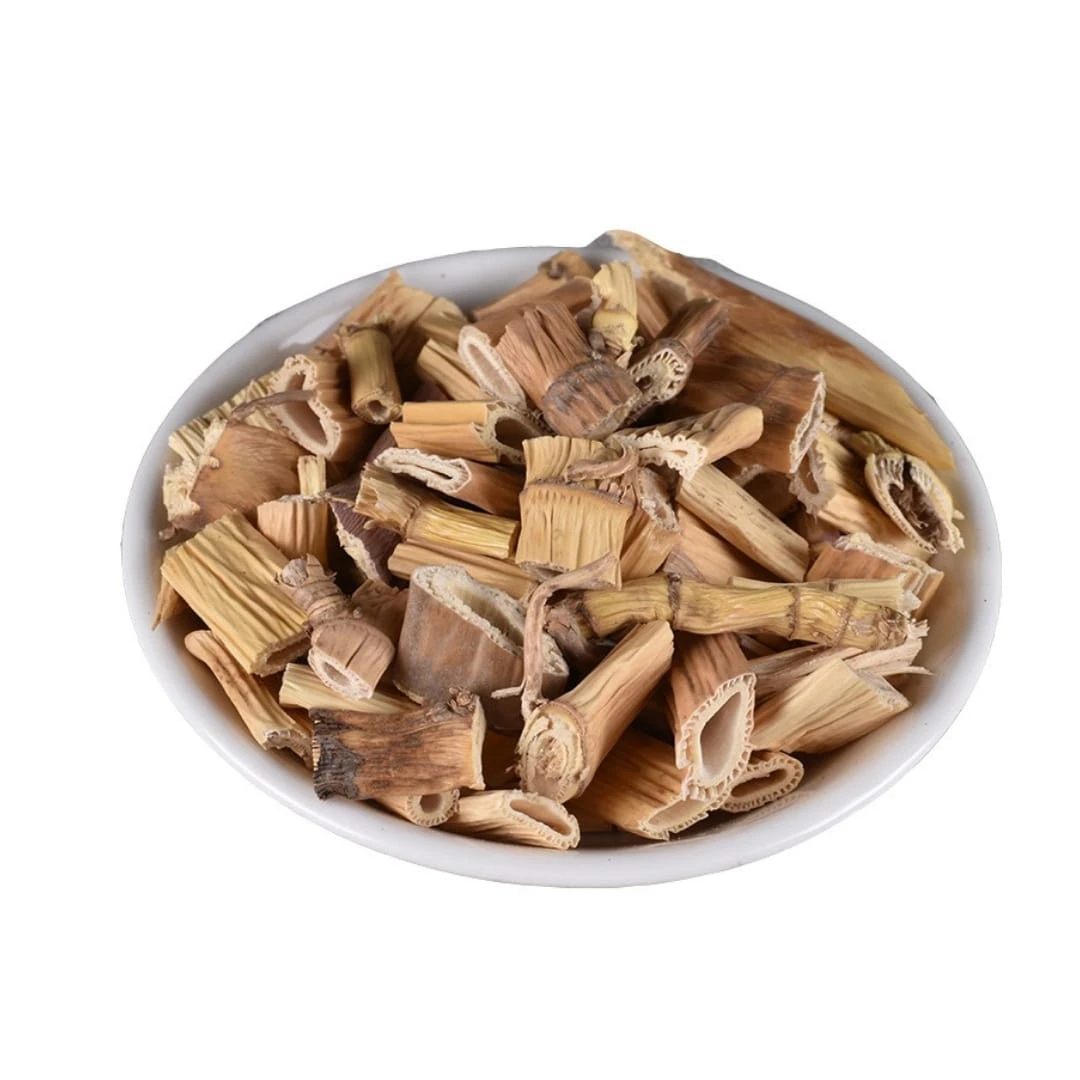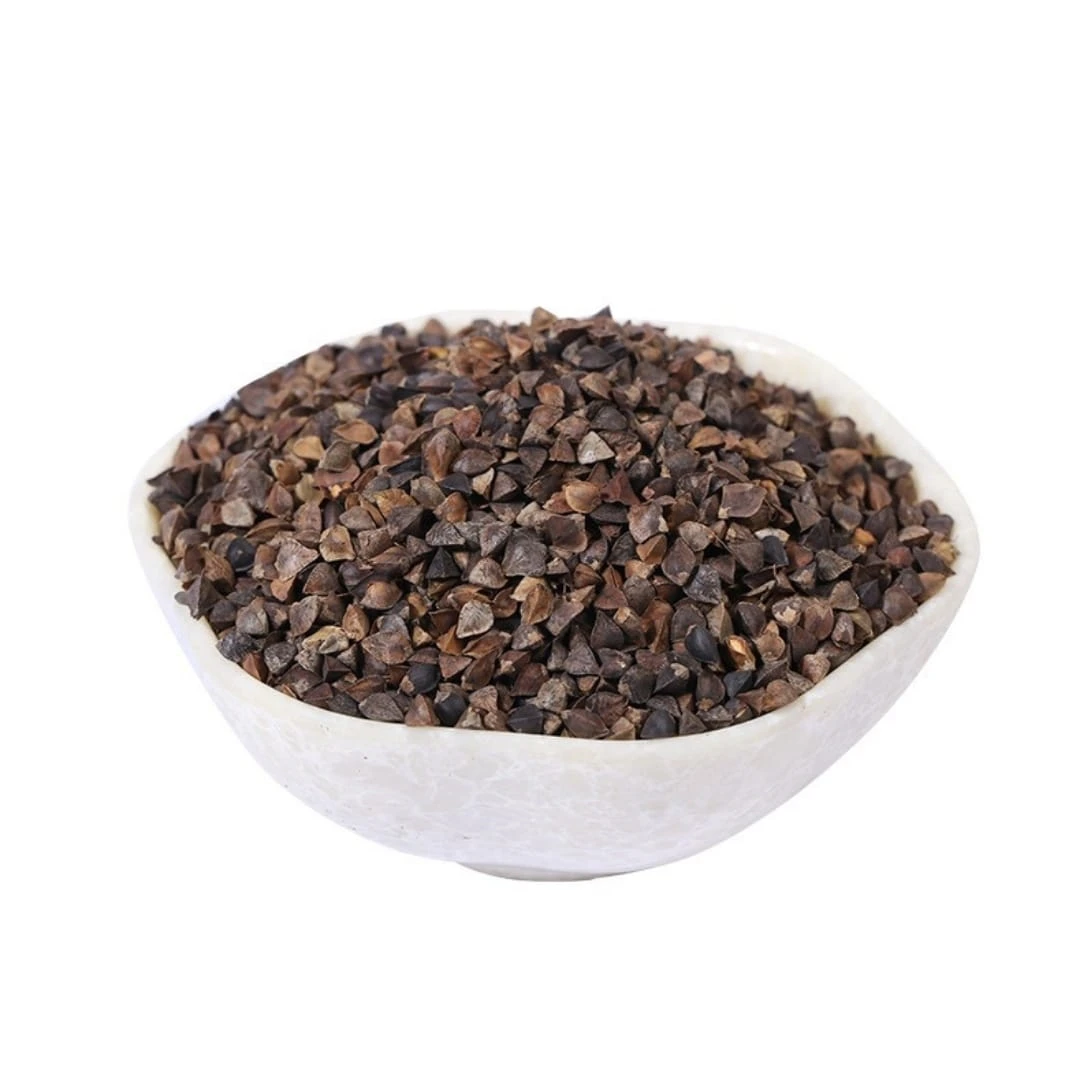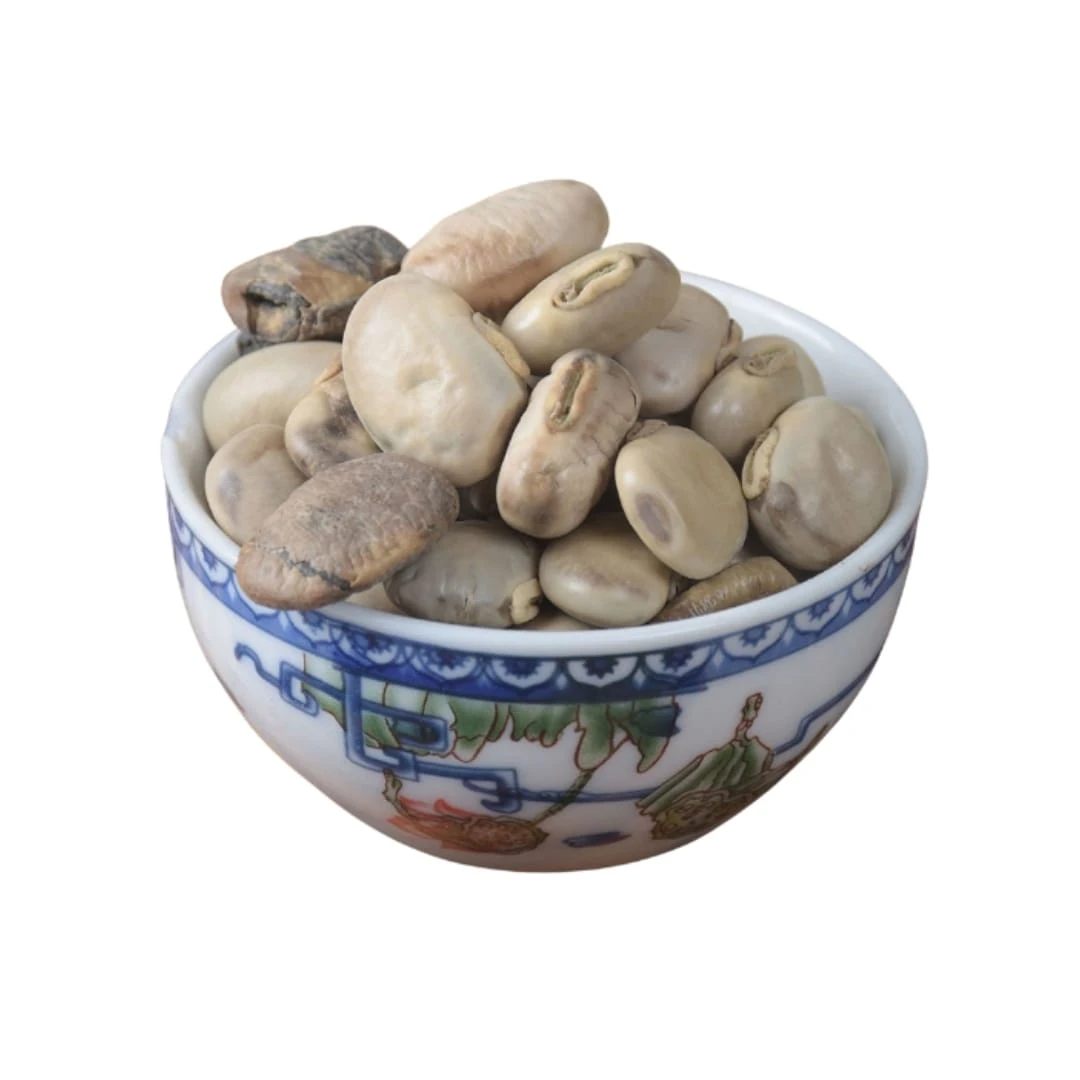


Product Introduction
Mucuna sempervirens Hemsl. is a tropical climbing vine belonging to the family Fabaceae. It is native to regions, often found in subtropical and tropical areas. The plant is known for its large leaves, showy flowers, and velvety pods containing seeds. Traditionally, different parts of the plant, especially the seeds, have been used in various practices.
Main Active Ingredients
The primary active ingredient in Mucuna sempervirens is L-DOPA (Levodopa), a precursor to dopamine, norepinephrine, and epinephrine. L-DOPA can cross the blood-brain barrier and increase dopamine levels in the brain [1]. Other notable compounds include flavonoids, alkaloids, and potentially other beneficial phytochemicals. These components may work synergistically to contribute to the plant's overall effects [2].
Product Application Scenarios, Usage, and Dosage
Mucuna sempervirens is often used to support neurological health, particularly in conditions involving dopamine deficiency [3]. It is also employed to enhance mood, reduce stress. Additionally, it has been used in formulations aimed at supporting reproductive health and vitality [4].
Typical usage varies depending on the specific product and individual needs. Dosage recommendations should be followed carefully, and consultation with a healthcare provider is advised, especially for individuals with pre-existing medical conditions or those taking other medications [5].
Introduction to the Source Plant, Distribution, and Growth Environment
Mucuna sempervirens is a robust, climbing vine that thrives in tropical and subtropical climates. It is distributed across various geographical regions with suitable environmental conditions. The plant prefers rich, well-drained soils and typically grows in forests, thickets, and along riverbanks [6].
Its growth is characterized by rapid vine elongation, enabling it to climb over other vegetation. The plant produces large, attractive flowers, which are followed by the development of seed pods.
Harvesting, Processing, and Storage
The seeds of Mucuna sempervirens are typically harvested when the pods are fully mature and dry [7]. Harvesting often involves manual collection of the pods, followed by seed extraction.
Processing may include drying the seeds to reduce moisture content, which helps preserve their quality. The dried seeds are then often ground into a powder for use in various formulations.
For storage, it is essential to keep the dried seeds or powder in a cool, dry, and dark place to prevent degradation of the active compounds. Proper storage conditions help maintain the potency and efficacy of the herb over time [8].
Citations:
[1] Gopi Krishna, C. K., et al. "Mucuna pruriens and its bioactive constituents on reproductive competence and dopaminergic neuron survival." Journal of Ethnopharmacology 248 (2020): 112336.
[2] Lampariello, L. R., et al. "The magic velvet bean of Mucuna pruriens." Journal of Traditional and Complementary Medicine 2.4 (2012): 331–339.
[3] Katzenschlager, R., et al. "Treatment of Parkinson's disease with Mucuna pruriens: an open-label pilot study." Journal of Neurochemistry 99.S1 (2006): 264-264.
[4] Shukla, K. K., et al. "Mucuna pruriens: a comprehensive review." Pharmacognosy Reviews 11.22 (2017): 157–183.
[5] Modi, K. K., et al. "Safety assessment of Mucuna pruriens seed extract in healthy human volunteers." Indian Journal of Pharmacology 45.6 (2013): 591–595.
[6] USDA, ARS, National Genetic Resources Program. Germplasm Resources Information Network - (GRIN). [Online Database] National Germplasm Resources Laboratory, Beltsville, Maryland. Available: [enter GRIN database website].
[7]Manyam BV, et al. "Effect of Mucuna pruriens Linn. on oxidative stress and neuroprotective parameters in Parkinson's disease model rats.". Phytother Res. 2010 Dec;24 Suppl 4:S629-35.
[8]Petry RD, et al. "Mucuna pruriens: a promising herbal medicine for the management of parkinson's disease". J Altern Complement Med. 2018 Nov;24(11):1098-1108.
Mia Wu

Hi, I’m Mia Wu! I love helping customers discover the best natural ingredients for their products. With a passion for herbs, spices, and fungi, I work to make sure you get only the finest raw materials. Let's grow together! 🌱✨