


Product Introduction
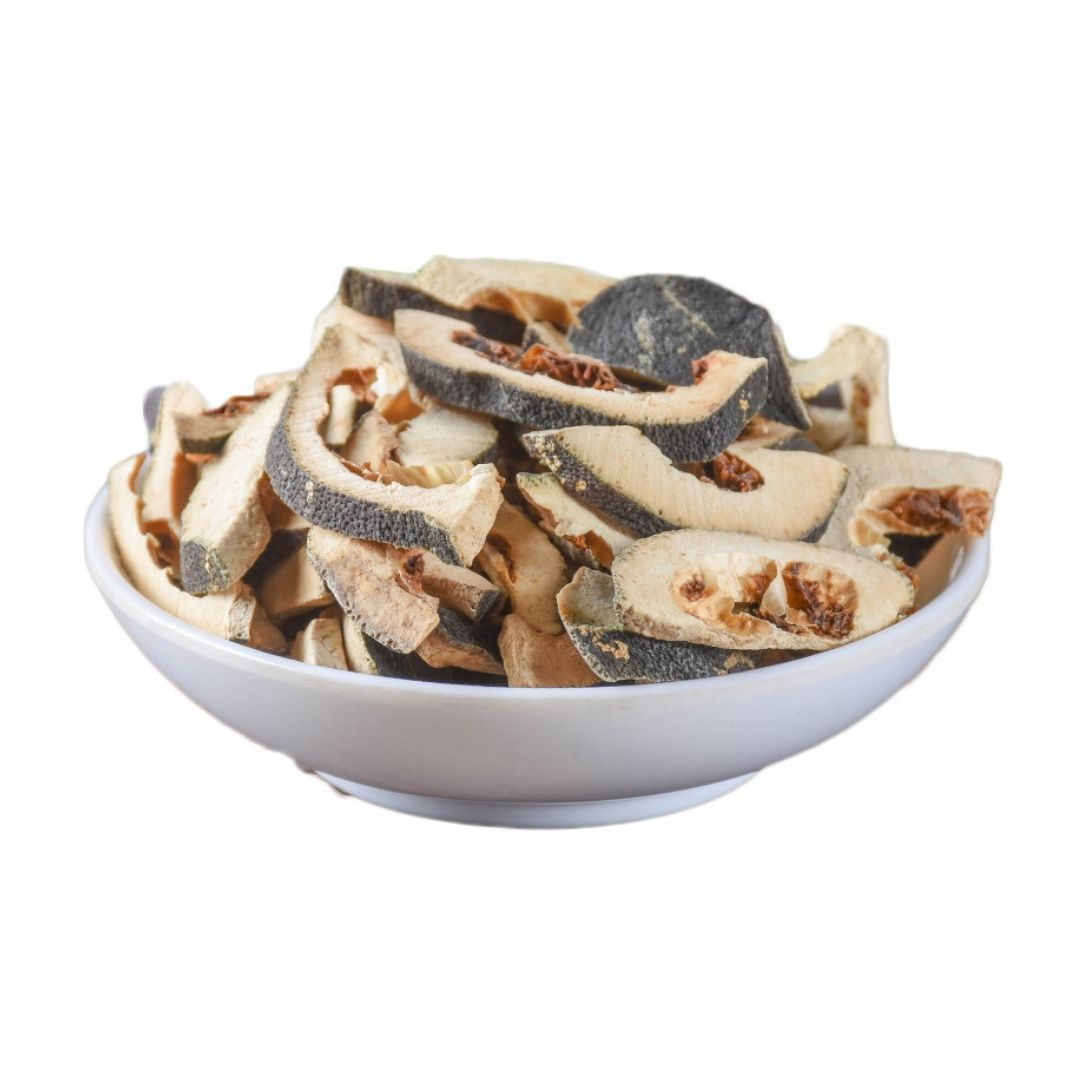
Orange peel, known as Chen Pi in traditional Chinese medicine (TCM), is the dried rind of the mature fruit of Citrus sinensis. It has been used for centuries in Chinese herbal formulas. The peel is valued for its medicinal properties, which include supporting digestive health and promoting respiratory function. Its unique aroma and flavor also make it a common ingredient in culinary applications.
Main Active Ingredients
The main active ingredients in orange peel include volatile oils, such as limonene, flavonoids (e.g., hesperidin), and limonoids. Limonene is known for its aromatic qualities and potential antioxidant effects. Flavonoids contribute to the peel's anti-inflammatory and antioxidant properties. Limonoids also have antioxidant effects in in-vitro studies. These compounds work synergistically to create the therapeutic effects associated with orange peel.
Product Application Scenarios, Usage, and Dosage
Orange peel is commonly used to address digestive issues such as bloating, indigestion, and nausea. It is also employed to alleviate coughs and reduce phlegm. In TCM, it's often included in formulations designed to regulate Qi flow, particularly in the Spleen and Lung meridians. The typical dosage of dried orange peel is 3 to 9 grams, usually decocted in water for oral administration. It can also be found in various herbal formulas, teas, and dietary supplements.
Introduction to the Source Plant, Distribution, and Growth Environment
Citrus sinensis, the source plant for orange peel, is widely cultivated in warm, subtropical regions around the world, including China, the Mediterranean, and parts of the Americas. The plant thrives in sunny locations with well-drained soil. It typically grows into a medium-sized tree with fragrant white flowers and juicy, sweet fruits. The fruit, namely oranges, are consumed globally, and their peels are collected for medicinal use.
Harvesting, Processing, and Storage
The harvesting of orange peel typically occurs when the fruits are ripe. The peels are then separated from the fruit, cleaned, and dried. Traditional processing methods involve sun-drying or low-heat drying to preserve the volatile oils and active constituents. Once dried, the orange peel should be stored in a cool, dry place, away from direct sunlight, to maintain its potency and prevent degradation. Proper storage ensures that the peel retains its therapeutic properties for extended periods.
Citations:
- Leung, A. Y., & Foster, S. (1996). Encyclopedia of Common Natural Ingredients Used in Food, Drugs, and Cosmetics. John Wiley & Sons.
- Bensky, D., Clavey, S., & Stöger, E. (2004). Chinese Herbal Medicine: Materia Medica. 3rd ed. Eastland Press.
- Chen, J. K., & Chen, T. T. (2004). Chinese Medical Herbology and Pharmacology. Art of Medicine Press.
- Bone, K., & Mills, S. (2013). Principles and Practice of Phytotherapy. 2nd ed. Churchill Livingstone.
Mia Wu

Hi, I’m Mia Wu! I love helping customers discover the best natural ingredients for their products. With a passion for herbs, spices, and fungi, I work to make sure you get only the finest raw materials. Let's grow together! 🌱✨






