

Product Introduction
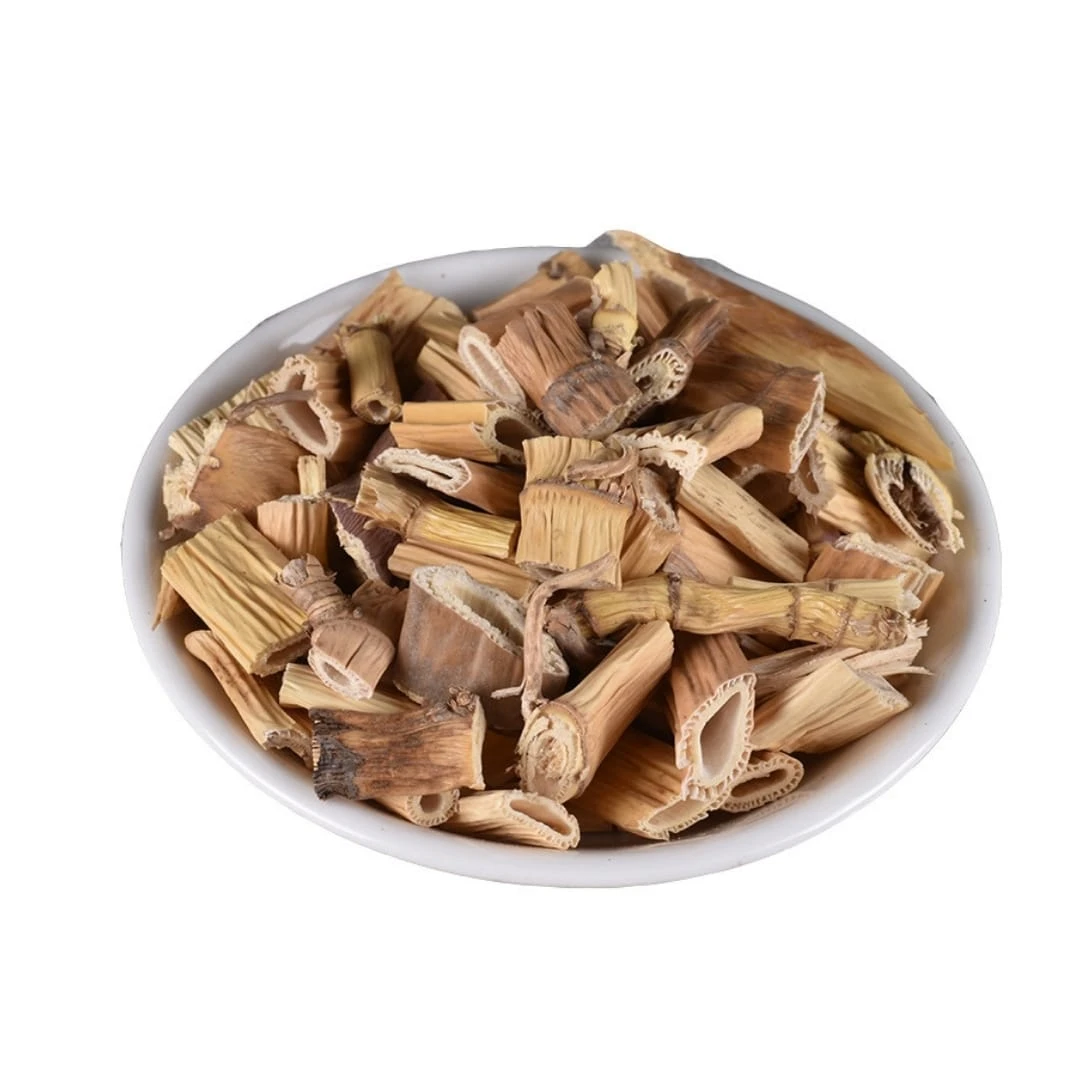
Reed root, known in traditional Chinese medicine as Lugen, is derived from the rhizome of the reed plant (Phragmites australis). This herb has been used for centuries in traditional practices to address various health imbalances related to heat and fluid metabolism. Typically, the root is processed, dried, and then used in decoctions or herbal formulas. Reed root is valued for its ability to clear heat from the body, generate fluids, and alleviate symptoms associated with heat-related conditions.
Main Active Ingredients
The main active components of reed root include carbohydrates, proteins, and small amounts of volatile oils. These compounds contribute to the herb's therapeutic properties, particularly its ability to promote fluid production and clear heat. Further research is needed to isolate and identify the specific compounds responsible for reed root’s medicinal effects.
Product Application Scenarios, Usage, and Dosage
Clinically, reed root is often used to address conditions such as fever, thirst, cough due to lung heat, and stomach heat causing nausea or vomiting. It is also used to promote urination and relieve edema. The typical dosage of reed root when used in a decoction is between 15 to 30 grams, depending on the specific condition and the individual's constitution. It can be used alone or combined with other herbs in complex formulas to enhance its effects. It's important to consult with a qualified practitioner of traditional Chinese medicine to determine the appropriate usage and dosage.
Introduction to the Source Plant, Distribution, and Growth Environment
The reed plant (Phragmites australis) is a perennial grass that grows in wetlands, along riverbanks, and in other moist environments. It is widely distributed throughout the world, including Asia, Europe, North America, and Africa. The plant can grow to a height of several meters and is characterized by its long, slender leaves and feathery flower clusters. It thrives in areas with ample sunlight and moist soil.
Harvesting, Processing, and Storage
Reed roots are typically harvested in the late autumn or early spring. The rhizomes are dug up, washed to remove any dirt and debris, and then dried in the sun or using a low-heat drying machine. Once dried, the reed root is cut into thin slices and stored in a cool, dry place, away from moisture and direct sunlight. Proper storage is important to maintain the herb's quality and prevent degradation.
Citations
- Chen, J. K., & Chen, T. T. (2004). Chinese Medical Herbology and Pharmacology. Art of Medicine Press.
- Bensky, D., Clavey, S., & Stöger, E. (2004). Chinese Herbal Medicine: Materia Medica. 3rd ed. Seattle, WA: Eastland Press.
- 中华人民共和国药典委员会. (2020). 中华人民共和国药典 (Pharmacopoeia of the People's Republic of China). 中国医药科技出版社.
Mia Wu

Hi, I’m Mia Wu! I love helping customers discover the best natural ingredients for their products. With a passion for herbs, spices, and fungi, I work to make sure you get only the finest raw materials. Let's grow together! 🌱✨