
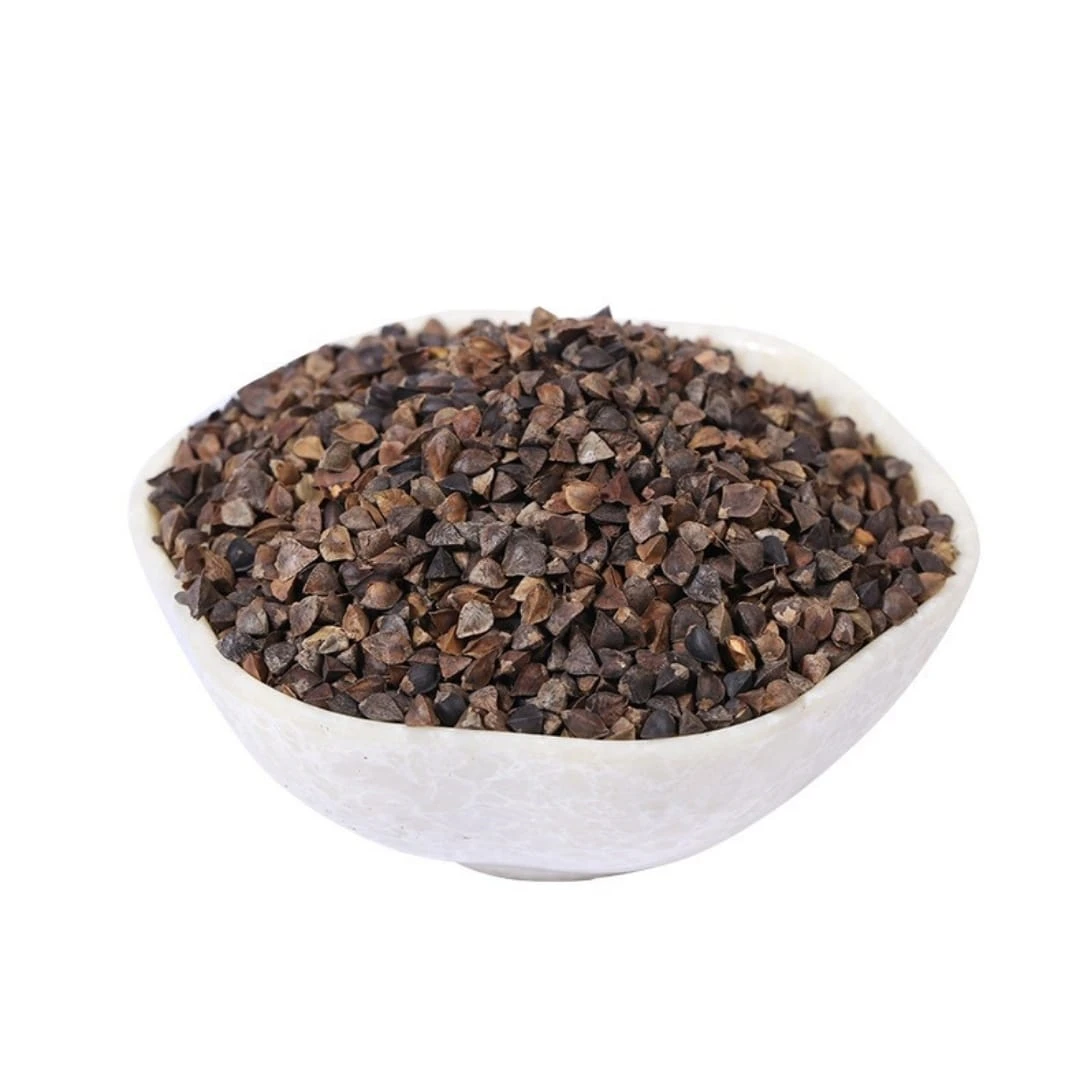
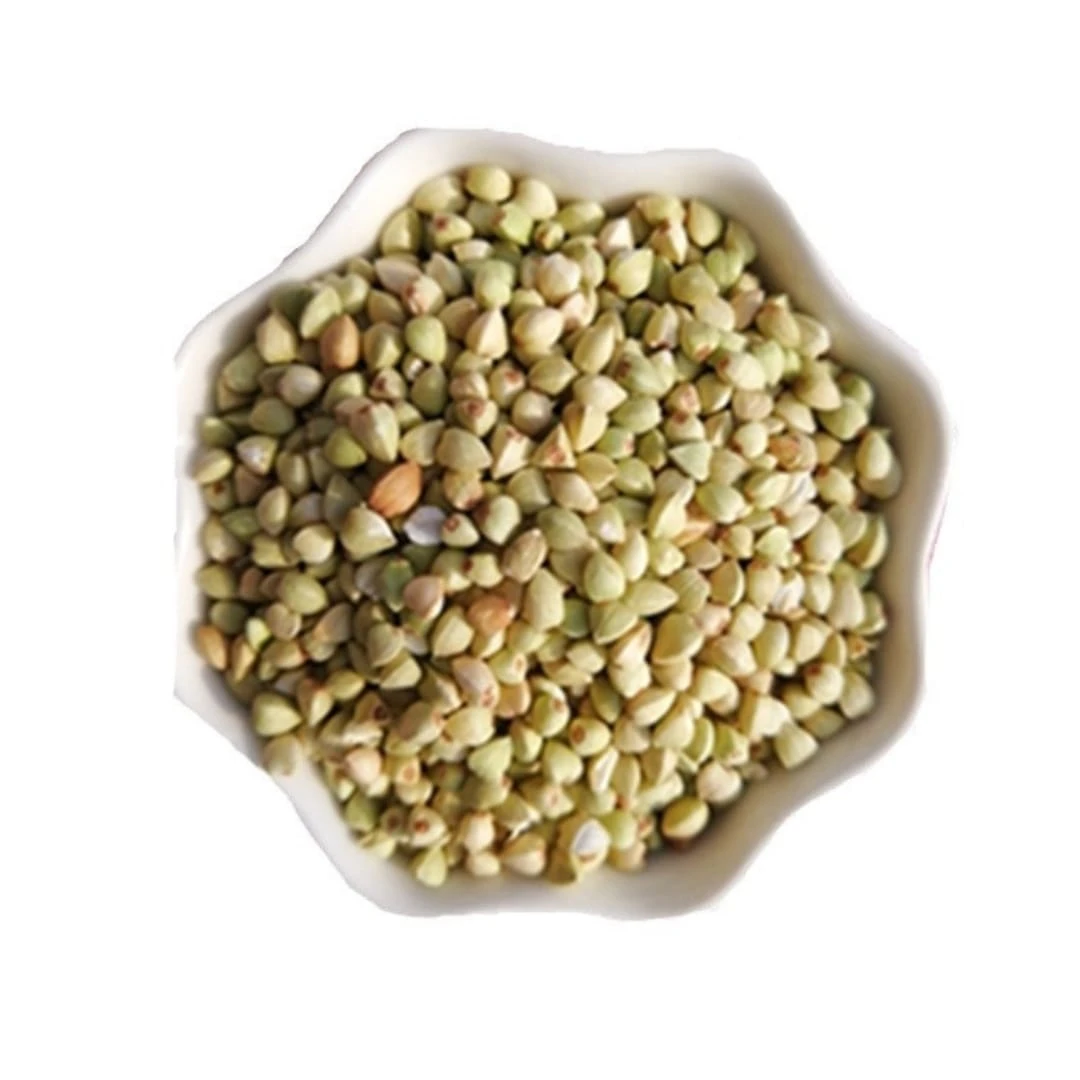


Product Introduction
Tartary buckwheat, Fagopyrum tataricum, is a grain-like seed, often consumed as a health food. It differs from common buckwheat (Fagopyrum esculentum) in its slightly bitter taste and higher rutin content. This plant has been used traditionally in various cultures as both food and medicine. Tartary buckwheat products are available in various forms, including whole grains, flour, tea, noodles and supplements.
Main Active Ingredients
The primary active ingredients in tartary buckwheat include flavonoids, particularly rutin. Rutin is known for its antioxidant and anti-inflammatory effects. Other significant components are dietary fiber, which supports digestive health, and various minerals such as magnesium and zinc. These elements contribute to the holistic health benefits associated with tartary buckwheat consumption.
Product Application Scenarios, Usage, and Dosage
Tartary buckwheat is incorporated into the diet in several ways; the grains can be cooked and eaten like rice. Tartary buckwheat flour serves as a gluten-free alternative for baking. For those seeking specific benefits, tartary buckwheat tea is a popular choice. Dosage depends on the form and intended use. For grains, a typical serving is ½ to 1 cup cooked. As a supplement, the dosage varies; following product-specific instructions is recommended.
Introduction to the Source Plant, Distribution, and Growth Environment
Fagopyrum tataricum is native to mountainous regions of Asia, including China, Tibet, and the Himalayas. The plant thrives in cool, high-altitude environments with well-drained soil; it can tolerate poor soil conditions, making it a robust crop. It is now cultivated in various parts of the world.
Harvesting, Processing, and Storage
Harvesting usually occurs in the fall when the seeds have fully matured. The plants are cut and allowed to dry before the seeds are threshed. Following the harvesting and threshing, tartary buckwheat must undergo several processing steps to get the final consumer product, either grain, flour, and extraction. Seeds should be cleaned to remove any remaining impurities. For storage, it is critical to keep the seeds or flour in a cool, dry, airtight container away from direct sunlight to maintain freshness and prevent spoilage.
Citations
- Ahmed, Z., et al. "Tartary Buckwheat: A Promising Source of Dietary Antioxidants." Journal of Functional Foods 7.1 (2015): 56-65.
- Watanabe, M. "Buckwheat as a Novel Functional Food." Asia Pacific Journal of Clinical Nutrition 11 Suppl 8 (2002): S61-6.
- steadyhealth.com
- webmd.com
Mia Wu

Hi, I’m Mia Wu! I love helping customers discover the best natural ingredients for their products. With a passion for herbs, spices, and fungi, I work to make sure you get only the finest raw materials. Let's grow together! 🌱✨






