
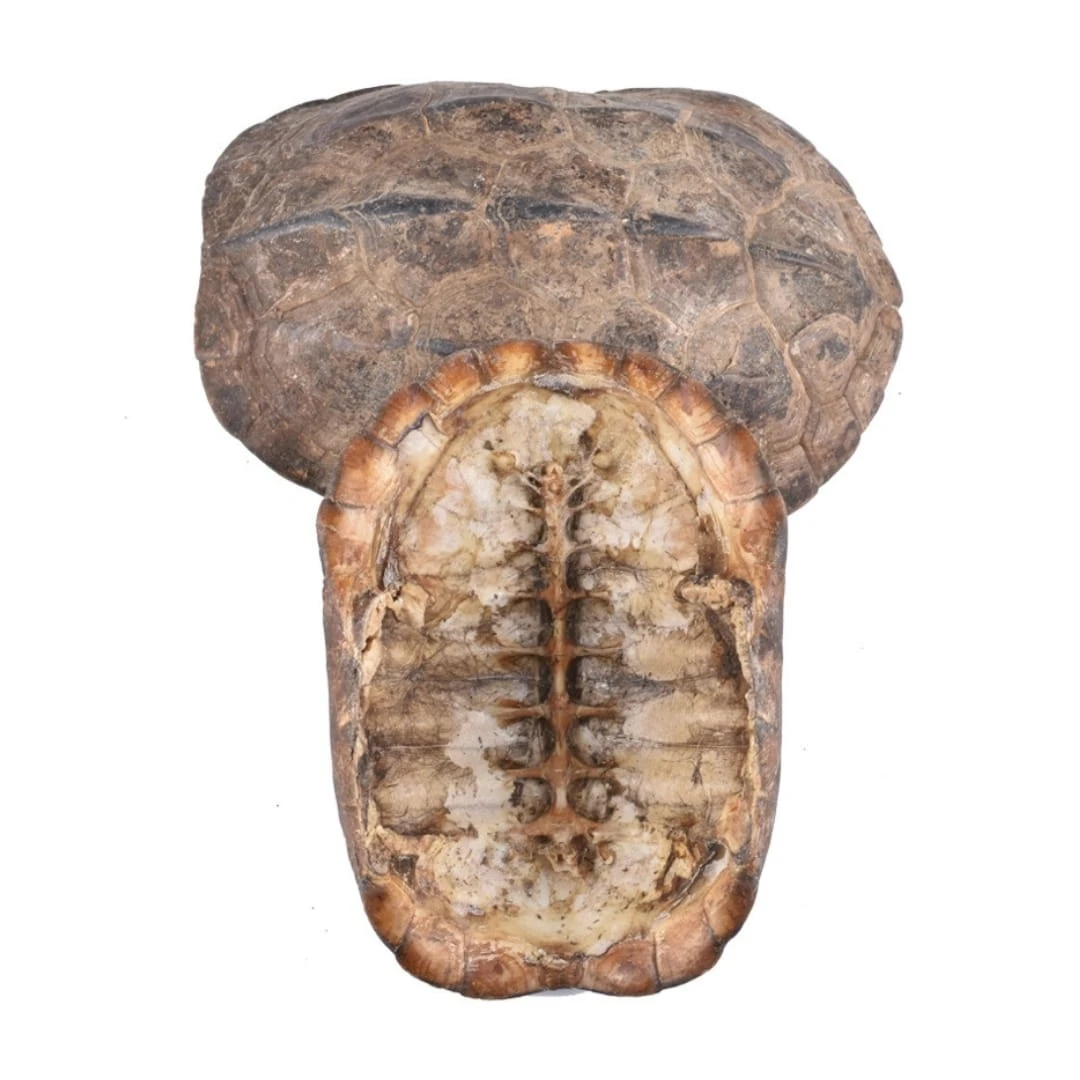


Product Introduction
Tortoise shell, or Gui Ban, is a traditional Chinese medicine derived from the carapace and plastron of the Chinemys reevesii tortoise, a species commonly found in China. The shell is carefully processed and prepared for medicinal use, often involving cleaning, boiling, and drying to ensure its efficacy and safety. It has been used for centuries in traditional Chinese medicine for its therapeutic properties, including nourishing Yin, subduing Yang, strengthening bones, and stopping bleeding.
Main Active Ingredients
The primary active ingredients in tortoise shell include collagen, keratin, and various amino acids. Additionally, it contains essential minerals such as calcium and phosphorus, which contribute to its bone-strengthening effects. These components work synergistically to provide the therapeutic benefits associated with tortoise shell, making it a valuable component in traditional Chinese medicine.
Product Application Scenarios, Usage, and Dosage
Tortoise shell finds application in various health conditions, including Yin deficiency, characterized by symptoms such as night sweats, hot flashes, and dry mouth. It is also prescribed to subdue rising Yang, which manifests as headaches, dizziness, and irritability. Furthermore, it is utilized to strengthen bones, particularly in cases of osteoporosis or delayed bone development. In traditional Chinese medicine, it can also be used to stop bleeding, especially in cases of uterine bleeding or other bleeding disorders.
The typical dosage varies based on the specific formulation and the patient's condition. Generally, it is used in decoctions at a dosage of 10 to 30 grams. It can also be ground into a powder and taken in smaller amounts, typically 1 to 3 grams per day. It is often combined with other herbs to enhance its effects and address the underlying patterns of disharmony.
Introduction to the Source Plant, Distribution, and Growth Environment
The Chinemys reevesii tortoise, the source of tortoise shell, is native to East Asia, including China, Korea, and Japan. It typically inhabits freshwater environments such as ponds, lakes, and slow-moving rivers. These tortoises are adaptable and can thrive in various aquatic habitats, contributing to their wide distribution across the region. The growth environment is characterized by warm, humid climates with access to ample food sources, including aquatic plants, insects, and small fish.
Harvesting, Processing, and Storage
The harvesting of tortoise shells typically involves collecting the shells from deceased tortoises. Ethical and sustainable sourcing practices are essential to ensure the conservation of tortoise populations. The processing of the shells includes several steps to prepare them for medicinal use. First, the shells are cleaned thoroughly to remove any debris or contaminants. Next, they are boiled to sterilize them and soften the material. The shells are then dried, often under sunlight or in a controlled environment, to reduce moisture content and prevent spoilage. Finally, the dried shells are processed into fragments or ground into powder, depending on the intended application.
Proper storage is crucial to maintaining the quality and efficacy of tortoise shell. It should be stored in a dry, well-ventilated location to prevent mildew and insect damage. Additionally, it should be protected from direct sunlight and extreme temperatures to preserve its chemical composition and therapeutic properties.
Citations
Mia Wu

Hi, I’m Mia Wu! I love helping customers discover the best natural ingredients for their products. With a passion for herbs, spices, and fungi, I work to make sure you get only the finest raw materials. Let's grow together! 🌱✨







