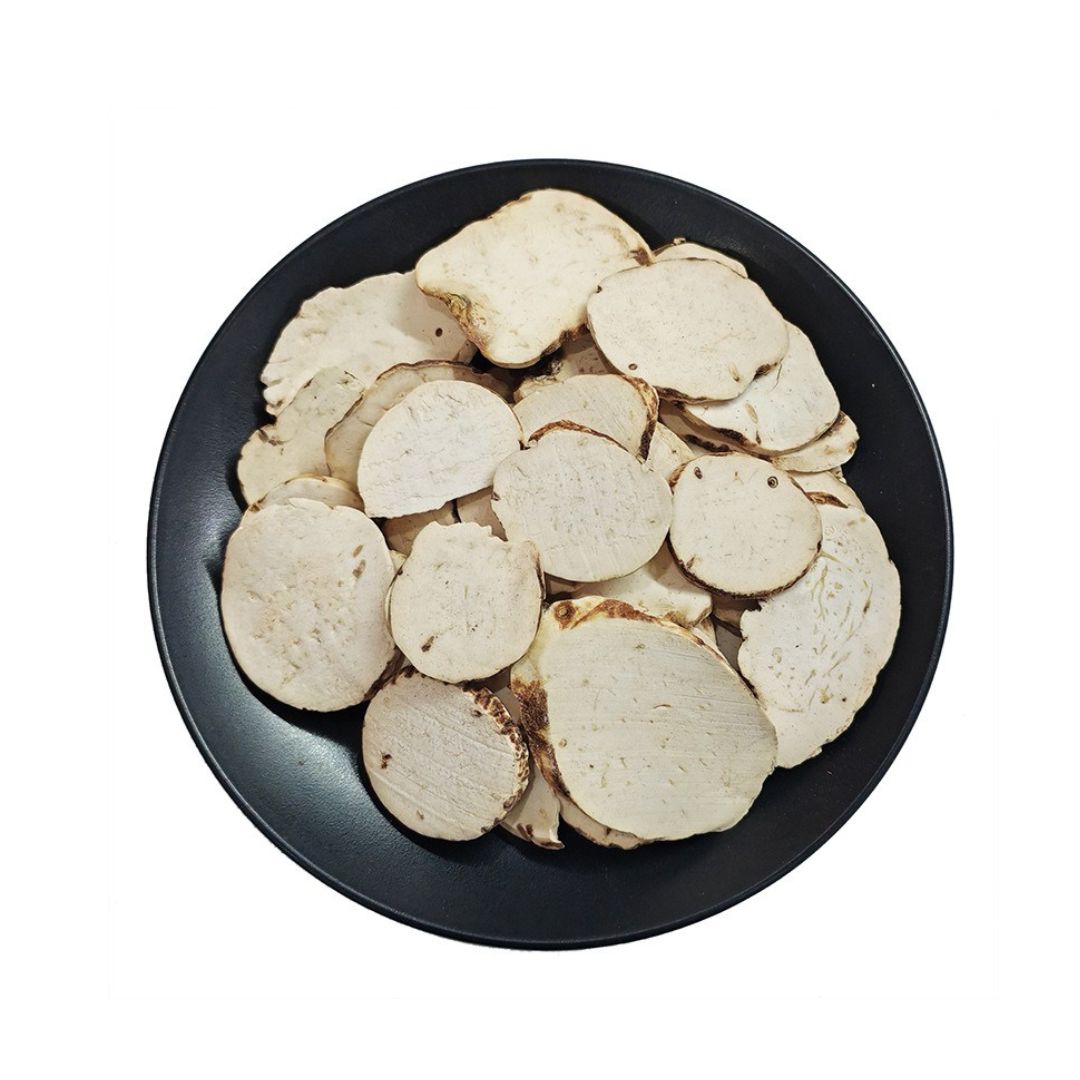
Product Introduction
Synthetic musk is a synthetically produced fragrance compound intended to replicate the scent of natural musk, which is historically derived from the musk deer. Due to ethical concerns and the scarcity of natural musk, synthetic alternatives have become prevalent in the fragrance industry. These compounds are designed to provide similar olfactory qualities, contributing a warm, deep, and animalistic note to perfumes, cosmetics, and other scented products. Synthetic musk is produced through various chemical processes, and different types of synthetic musks exist, each with its own unique chemical structure and scent profile. The development of synthetic musk has allowed for the widespread use of musk fragrances without harming animal populations.
Main Active Ingredients
The active ingredients in synthetic musk vary depending on the specific type of compound. Common categories include macrocyclic ketones, polycyclic musks, and nitro musks. Macrocyclic ketones, such as cyclopentadecanone, are known for their large ring structures and subtle, clean musk scent. Polycyclic musks, like galaxolide and tonalide, are frequently used for their strong and diffusive aroma. Nitro musks, while among the earliest synthetic musks developed, are less common today due to environmental concerns. Each of these compounds contributes to the overall fragrance profile, providing different nuances of musk scent.
Product Application Scenarios, Usage, and Dosage
Synthetic musk is predominantly used in the fragrance industry, appearing in perfumes, colognes, and scented personal care products such as lotions, soaps, and deodorants. In aromatherapy, it may be used in diffuser blends to create a warm and grounding atmosphere. The usage and dosage of synthetic musk vary depending on the specific application and the desired intensity of the fragrance. Perfumers typically blend synthetic musk with other fragrance ingredients to achieve a balanced and complex scent profile. Dosage is carefully controlled to avoid overpowering the overall fragrance, typically ranging from trace amounts to several percentage points of the total formulation.
Introduction to the Source Plant, Distribution, and Growth Environment
Since synthetic musk is not derived from a plant, there is no source plant, distribution, or growth environment to describe. It is manufactured in chemical laboratories using various organic synthesis methods. The production process involves combining chemical compounds under controlled conditions to create the desired musk-like fragrance.
Harvesting, Processing, and Storage
As a synthetic product, there is no harvesting involved. The processing of synthetic musk involves chemical reactions and purification steps carried out in a laboratory setting. The final product is typically a crystalline powder or liquid, which is then packaged and stored under controlled conditions. It is important to store synthetic musk in airtight containers, away from direct sunlight, heat, and moisture, to prevent degradation and maintain its fragrance quality. Proper storage ensures that the compound retains its desired scent profile over time.
Citations
- National Center for Biotechnology Information (2024). PubChem Compound Summary for CID 14914, Galaxolide. Retrieved from https://pubchem.ncbi.nlm.nih.gov/compound/Galaxolide
- National Center for Biotechnology Information (2024). PubChem Compound Summary for CID 16837, Tonalide. Retrieved from https://pubchem.ncbi.nlm.nih.gov/compound/Tonalide
- Dodge, S. T. (2014). The Chemistry of Fragrances: From Perfumer to Consumer. Royal Society of Chemistry.
- Balkenende, I. M., & Vermeire, T. G. (2009). Human and Environmental Risk Assessment of Selected Cosmetic Ingredients. RIVM Report 320104001/2009.
Mia Wu

Hi, I’m Mia Wu! I love helping customers discover the best natural ingredients for their products. With a passion for herbs, spices, and fungi, I work to make sure you get only the finest raw materials. Let's grow together! 🌱✨