

Product Introduction
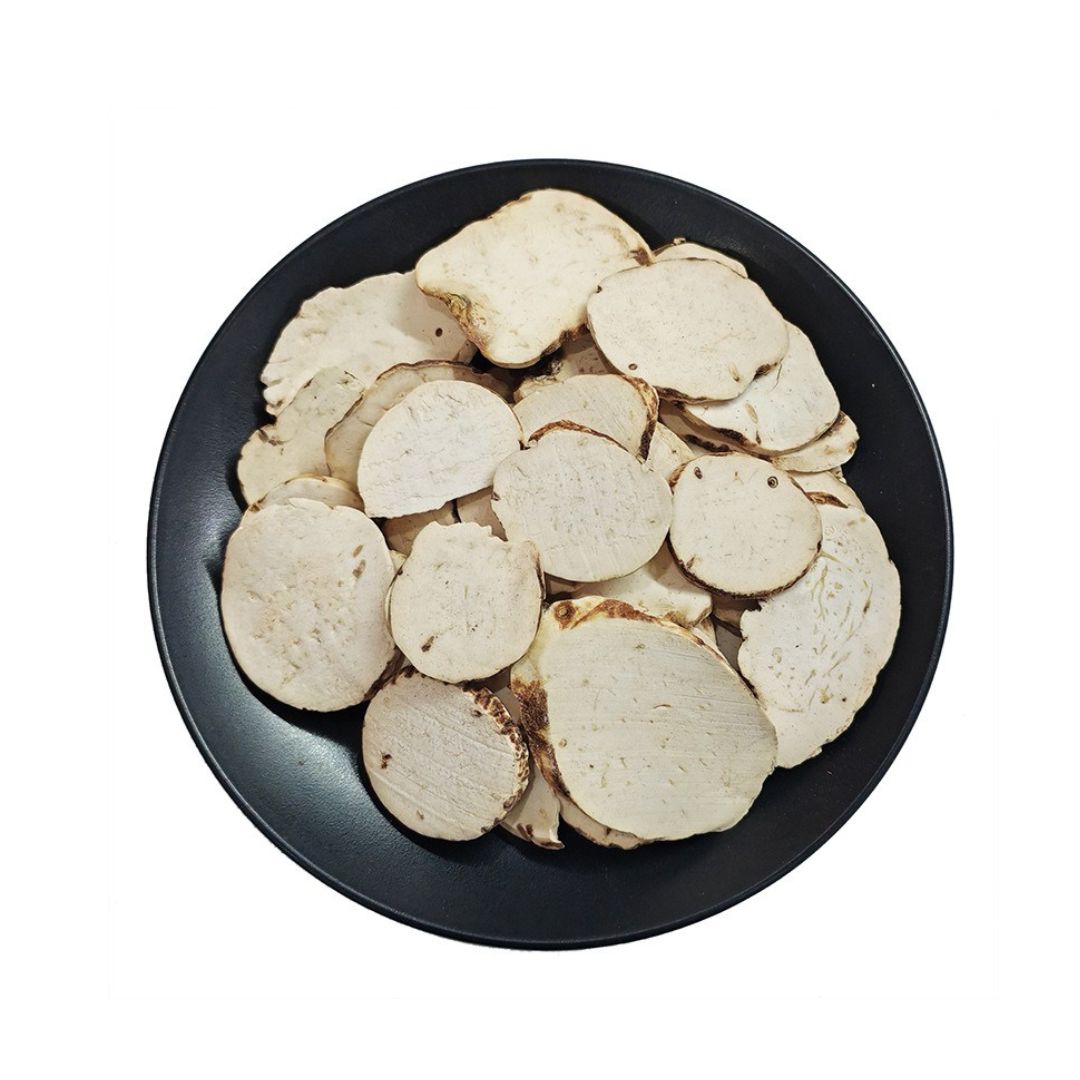
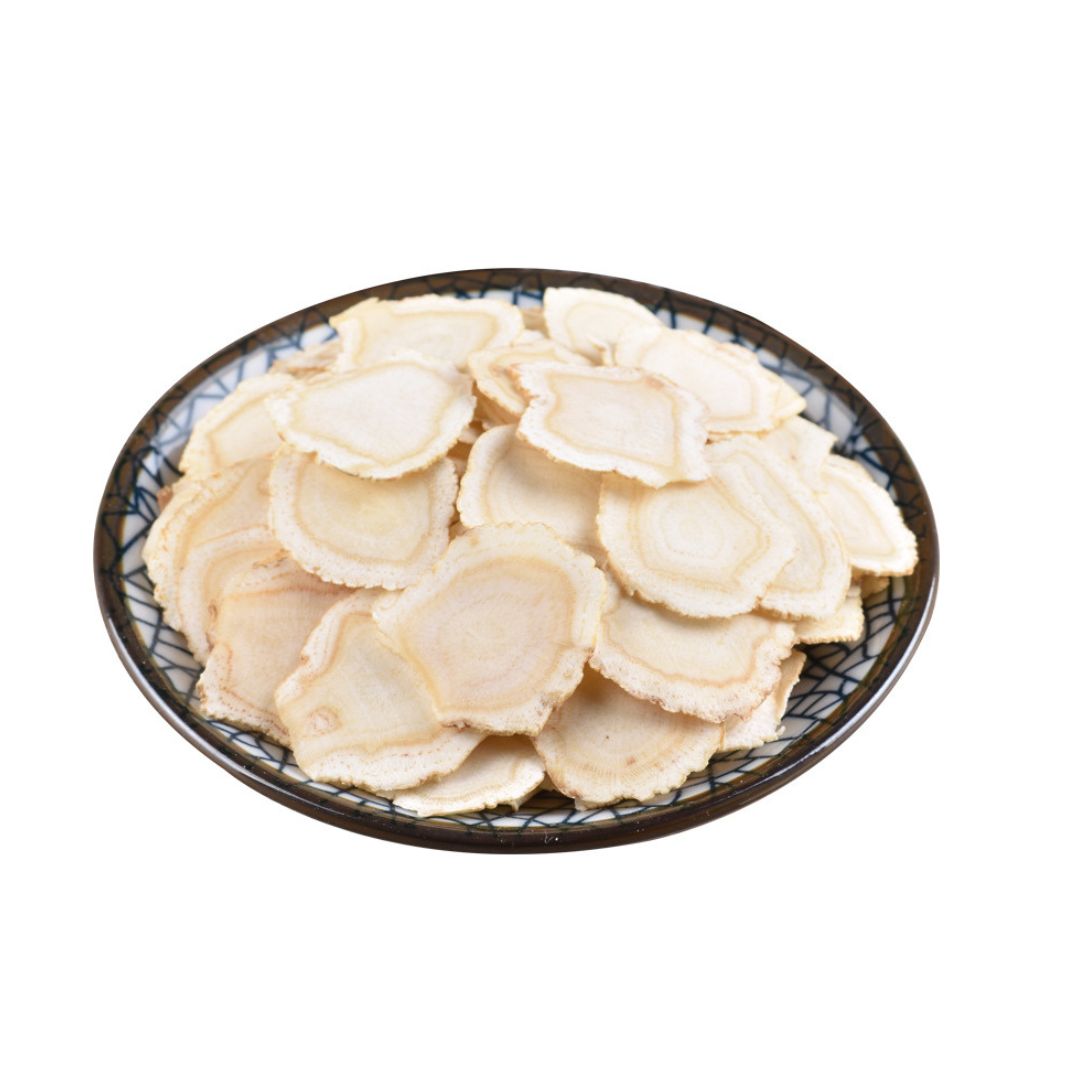
American Ginseng, Panax quinquefolius, is a perennial herb native to North America, valued for its medicinal properties. The slices are derived from the root of the plant. American Ginseng is distinct from Asian Ginseng (Panax ginseng) in its properties and effects. It is traditionally used to address conditions related to yin deficiency, heat, and fatigue.
Main Active Ingredients
The primary active ingredients in American Ginseng are ginsenosides, also known as saponins. These compounds are believed to be responsible for many of the herb's therapeutic effects. American Ginseng contains a unique profile of ginsenosides, with a higher concentration of Rb1 and Re compared to Asian Ginseng, this difference contributes to its cooling and nourishing properties. Polysaccharides are also present, which may contribute to immune-modulating effects. The herb also contains trace elements, vitamins, and other beneficial compounds that contribute to its overall health-promoting properties [1].
Product Application Scenarios, Usage, and Dosage
American Ginseng slices are versatile and can be used in various ways. They can be brewed as a tea by steeping a few slices in hot water for several minutes. The slices can also be added to soups and stews to impart their beneficial properties. Another common method is to chew the slices directly. In traditional Chinese medicine, the typical dosage is 3-6 grams daily, but this may vary depending on individual needs and the guidance of a healthcare practitioner. It is commonly used for individuals experiencing fatigue, dry cough, or those recovering from illness [2].
Introduction to the Source Plant, Distribution, and Growth Environment
Panax quinquefolius naturally grows in the deciduous forests of North America, particularly in the eastern United States and Canada. It thrives in cool, shaded environments with well-drained soil. The plant typically grows to a height of 6 to 18 inches and is characterized by its palmate leaves and red berries. Due to increasing demand and habitat loss, American Ginseng has become a protected species in many areas, and sustainable harvesting practices are essential for its conservation [3].
Harvesting, Processing, and Storage
American Ginseng roots are typically harvested in the fall, after the plants have matured for several years, usually three to four years. The roots are carefully dug up, cleaned, and then sliced. These slices are often dried to preserve them and concentrate their active compounds. Proper storage is crucial to maintain the quality and potency of the slices. They should be stored in an airtight container, in a cool, dry place away from direct sunlight and moisture. This helps to prevent degradation of the active ingredients and extend the shelf life of the product [4].
Citations:
- [1] *Shin, B. K., Kwon, S. W., Park, J. H., & Cho, J. Y. (2015). Chemical diversity of ginseng saponins and their implication for pharmacological effects. Journal of Ginseng Research, 39(4), 287–298.
- [2] Ganzera, M., Lee, J., Kleinegger, C., & Khan, I. A. (2009). Quantitative analysis of sixteen major ginsenosides in Panax quinquefolius cell cultures by reversed phase high performance liquid chromatography. Journal of Pharmaceutical and Biomedical Analysis, 49(4), 914–918.
- [3] Anderson, R. C. (1998). Germination and establishment of American Ginseng (Panax quinquefolius L.) in simulated and natural habitats. American Midland Naturalist, 139(1), 1–12.
- [4] Proctor, J. T. A., & Bailey, W. G. (1987). Ginseng: industry, botany, and culture. Horticultural Reviews, 9, 187–266.
Mia Wu

Hi, I’m Mia Wu! I love helping customers discover the best natural ingredients for their products. With a passion for herbs, spices, and fungi, I work to make sure you get only the finest raw materials. Let's grow together! 🌱✨