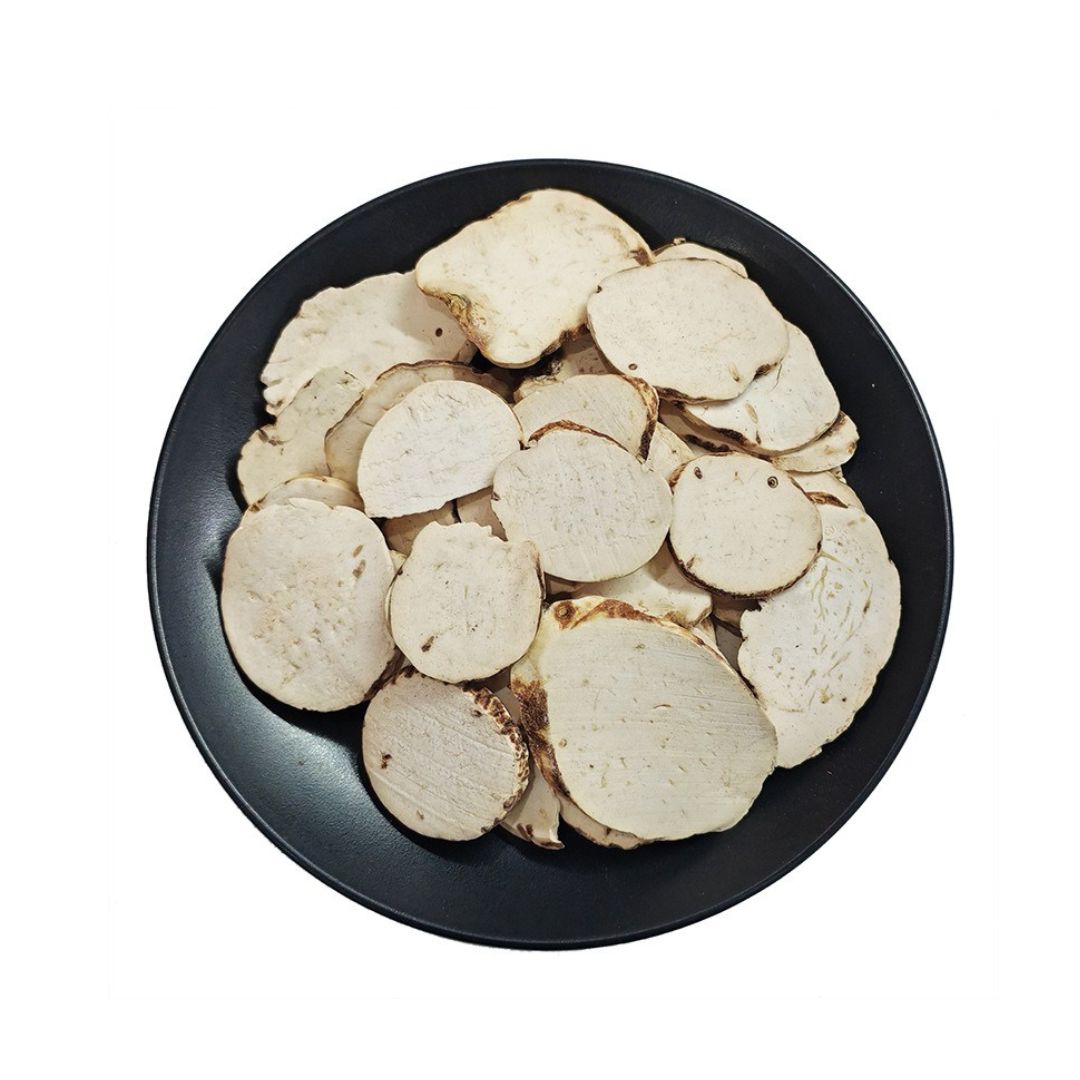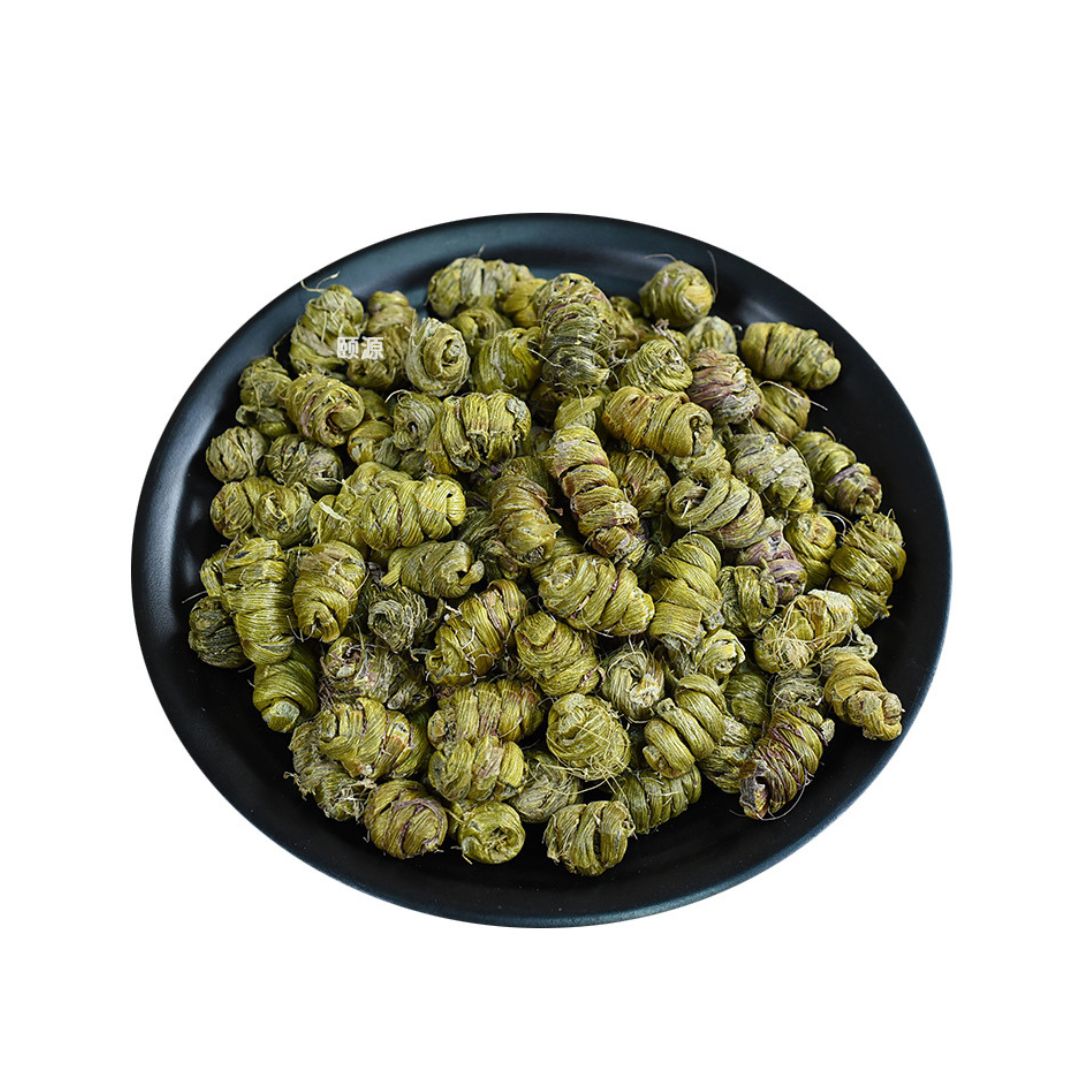


Product Introduction
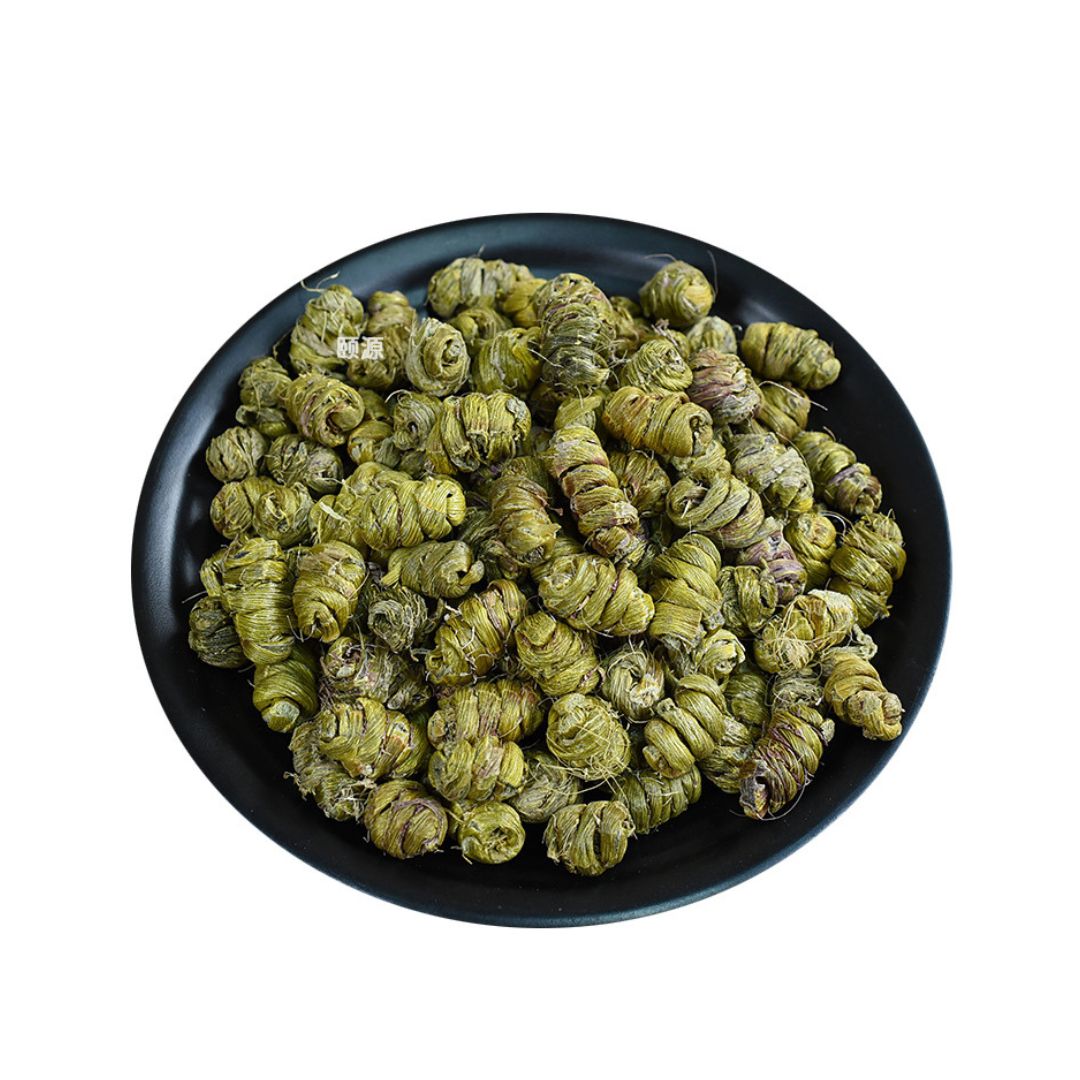
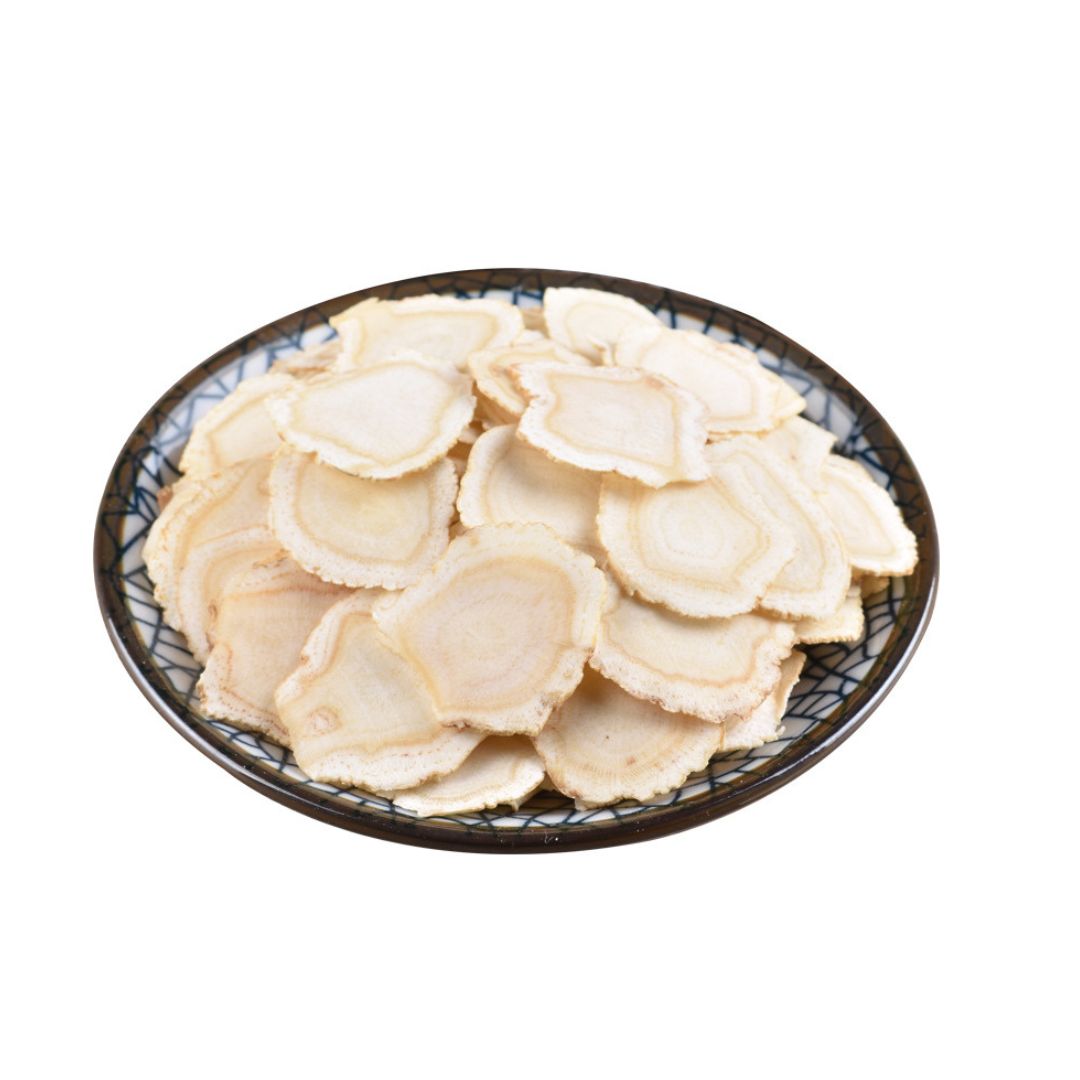
Dendrobium officinale, known as Tie Pi Shi Hu in Chinese, it has a long history of use in traditional Chinese medicine. It is derived from the stems of the Dendrobium officinale plant, which belongs to the orchid family. It is particularly valued for its medicinal properties, especially its ability to nourish the body and promote overall well-being.
Main Active Ingredients
The efficacy of Dendrobium officinale is attributed to its complex chemical composition. Polysaccharides are major components of Dendrobium officinale, known for their immune-modulating and antioxidant effects [1]. Alkaloids also contribute to its therapeutic properties. These compounds are believed to support various physiological functions and contribute to its traditional uses [2]. In addition, it contains amino acids, essential for various bodily functions.
Product Application Scenarios, Usage, and Dosage
Traditional Chinese medicine practitioners often recommend Dendrobium officinale for individuals experiencing dryness, thirst, and fatigue. It is commonly used to address conditions such as Yin deficiency, which can manifest as dry mouth, especially in individuals with chronic diseases [3].
Typical usage involves decocting it in water for oral consumption. The dosage can vary depending on the specific condition and the individual's constitution, but a common range is between 6 to 12 grams per day [4]. It can also be consumed as a tea, extract, or included in herbal formulas prescribed by practitioners.
Introduction to the Source Plant, Distribution, and Growth Environment
Dendrobium officinale is native to certain regions of China, particularly in the provinces of Yunnan, Guizhou, and Guangxi [5]. This plant thrives in specific environmental conditions, often found growing on rocks or trees in mountainous areas with high humidity and moderate sunlight. The plant's adaptability to these specific niches contributes to its unique chemical profile.
Harvesting, Processing, and Storage
The harvesting of Dendrobium officinale typically occurs in the autumn or winter months when the stems have reached maturity [6]. After harvesting, the stems are often processed by steaming or drying to preserve their medicinal properties. Proper storage is crucial to maintain its quality. It should be stored in a cool, dry environment, away from direct sunlight and moisture, to prevent degradation of its active compounds.
Citations:
[1] Zhao, Z., et al. "Structural characterization and immunomodulatory activity of a polysaccharide from Dendrobium officinale." International Journal of Biological Macromolecules 126 (2019): 1217-1225.
[2] Zhang, Q., et al. "Alkaloids from Dendrobium species: chemistry and biological activities." Journal of Asian Natural Products Research 20.1 (2018): 1-24.
[3] Lu, Y., et al. "Dendrobium officinale polysaccharides protect against experimental dry eye via modulating the gut microbiota and the TLR4/NF-κB signaling pathway." Journal of Agricultural and Food Chemistry 68.17 (2020): 4835-4846.
[4] Chinese Pharmacopoeia Commission. Pharmacopoeia of the People's Republic of China. China Medical Science Press, 2015.
[5] Li, H., et al. "Genetic diversity and population structure of Dendrobium officinale, a highly valued medicinal plant." Biochemical Systematics and Ecology 76 (2018): 24-32.
[6] Zhang, L., et al. "Effect of different drying methods on the quality of Dendrobium officinale." LWT - Food Science and Technology 101 (2019): 671-678.
Mia Wu

Hi, I’m Mia Wu! I love helping customers discover the best natural ingredients for their products. With a passion for herbs, spices, and fungi, I work to make sure you get only the finest raw materials. Let's grow together! 🌱✨