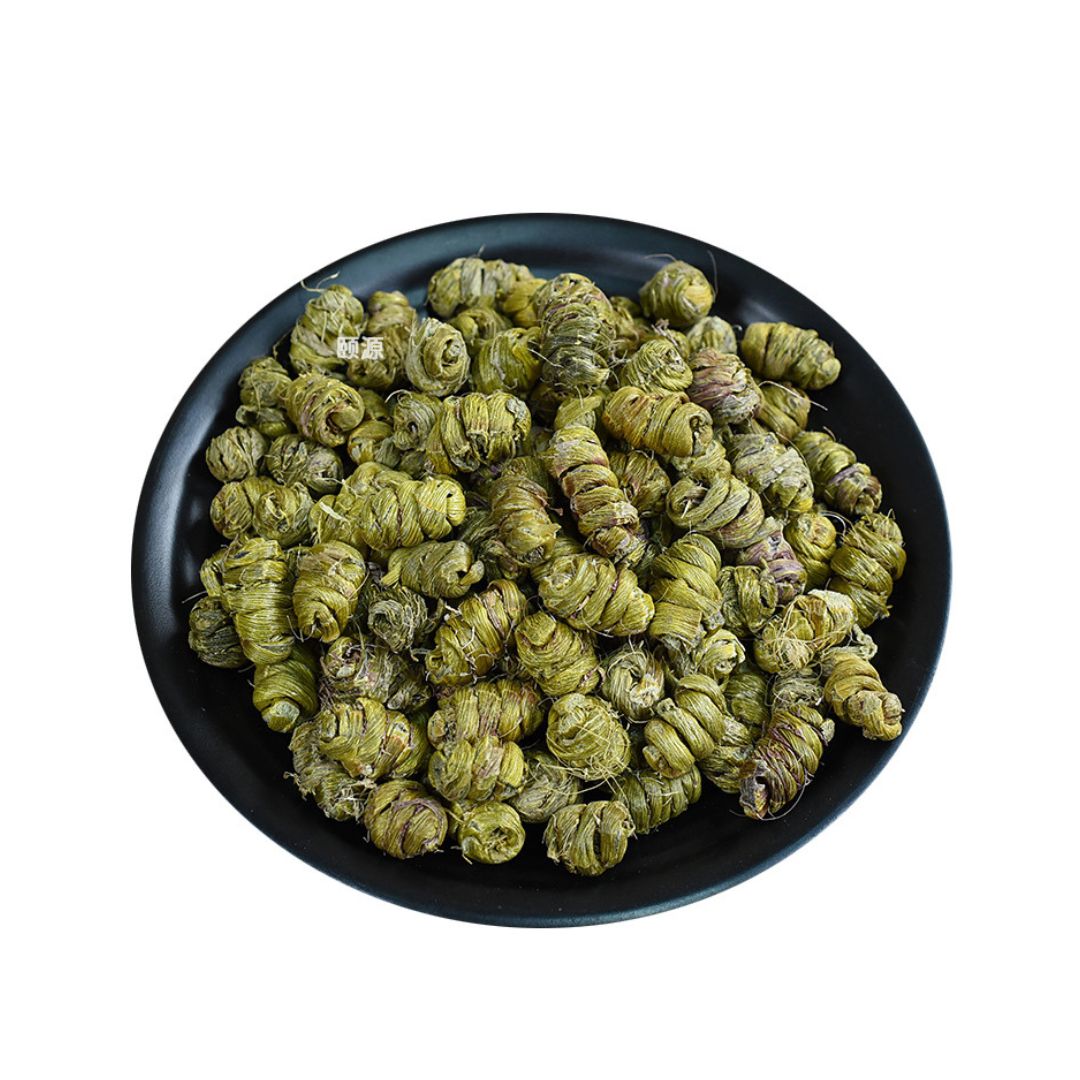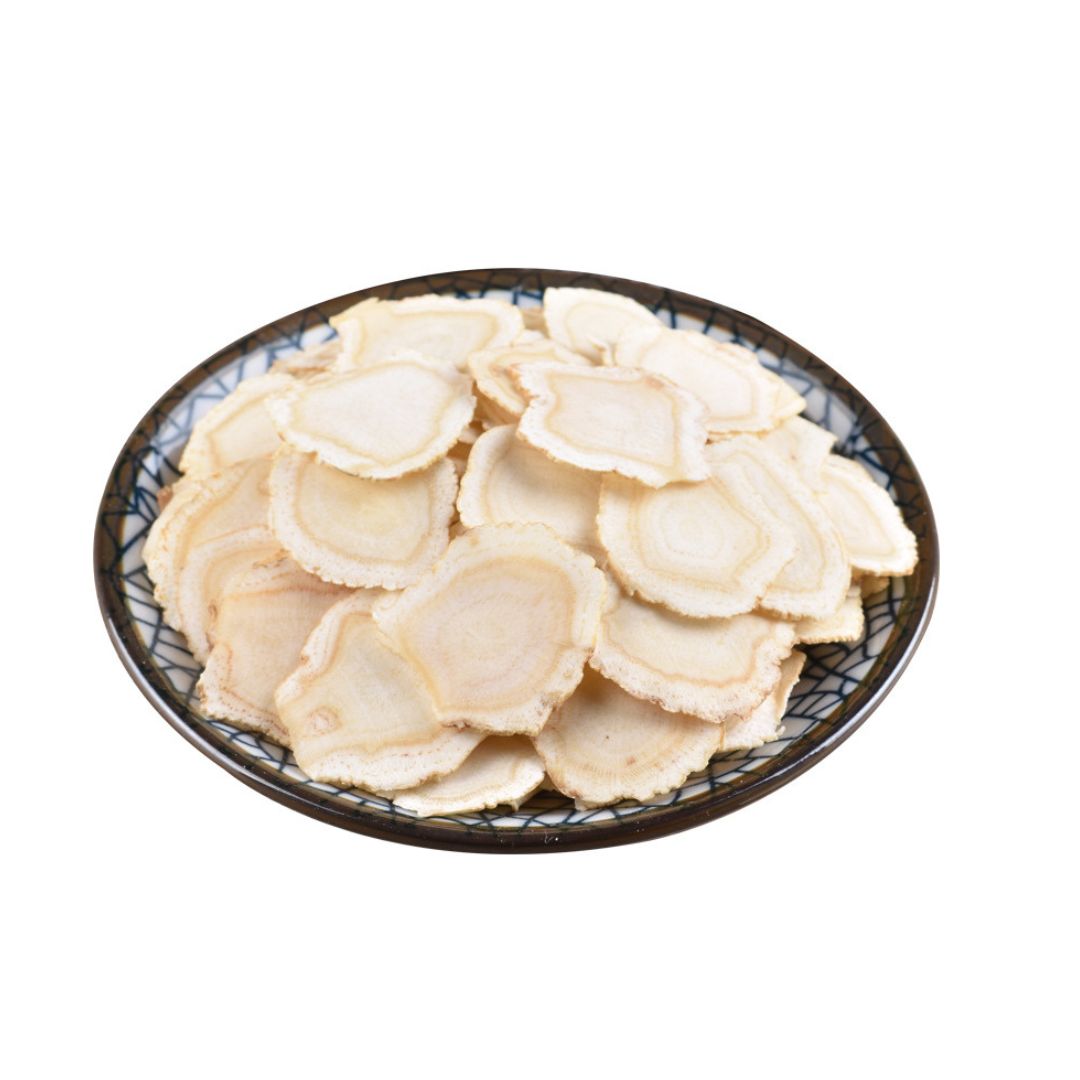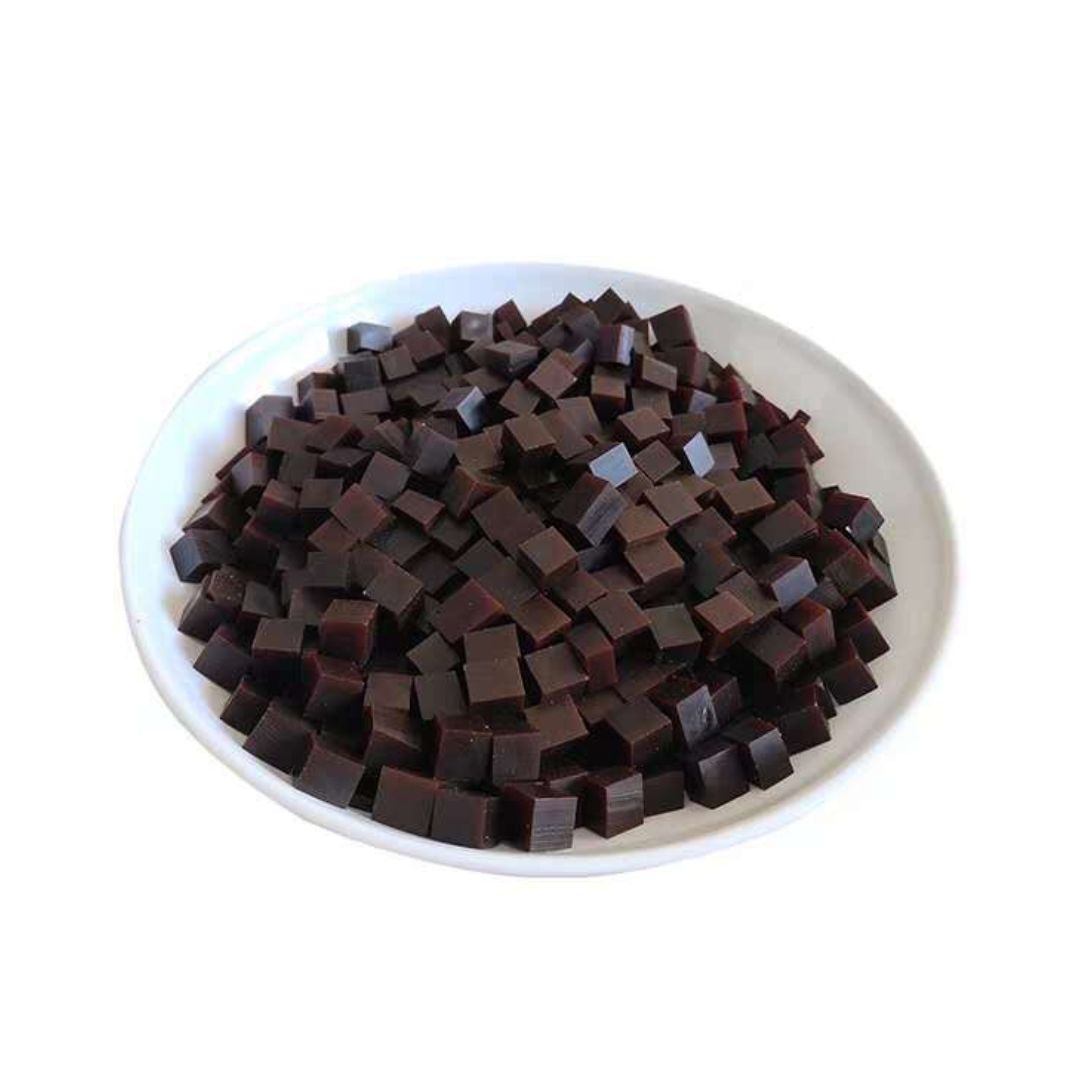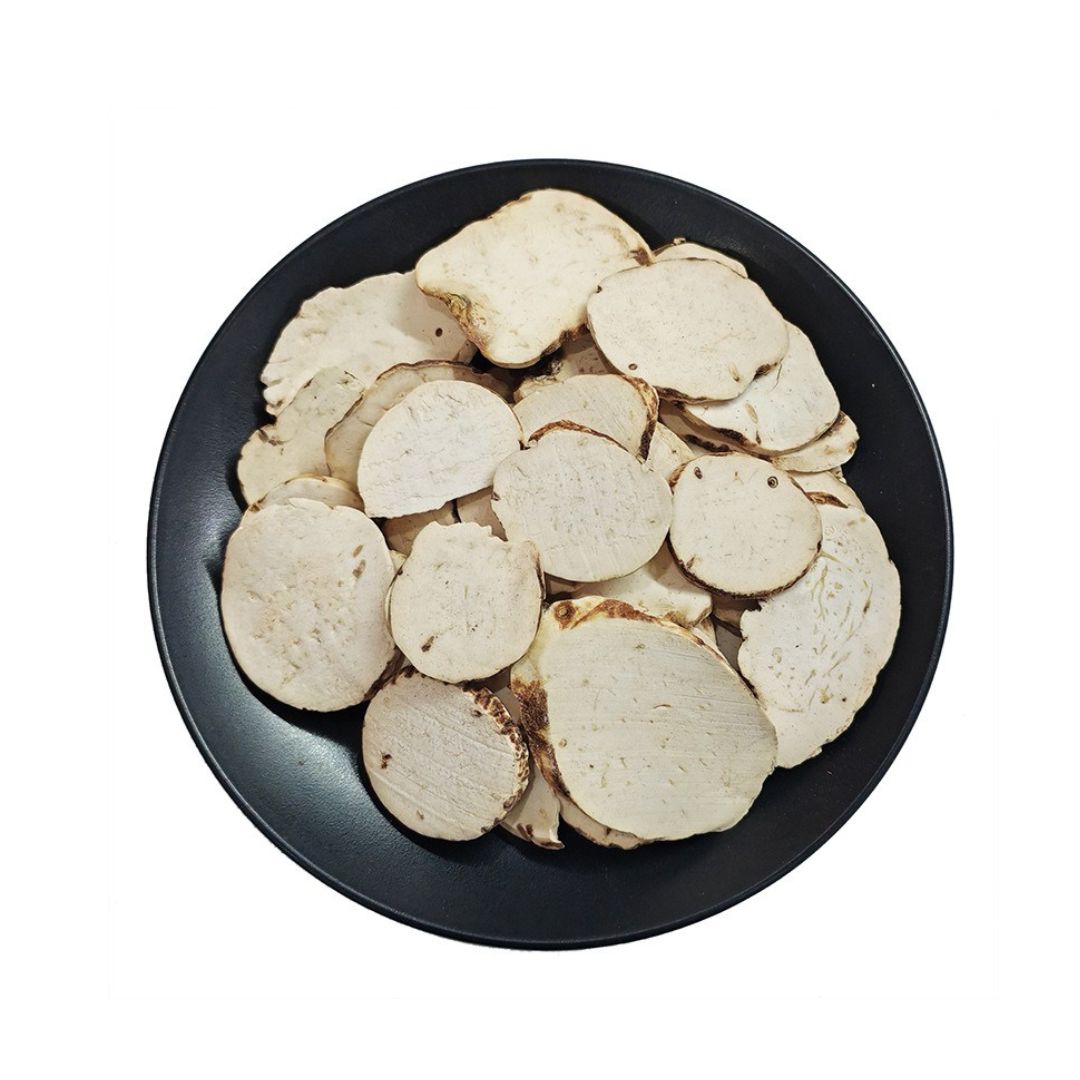


Product Introduction
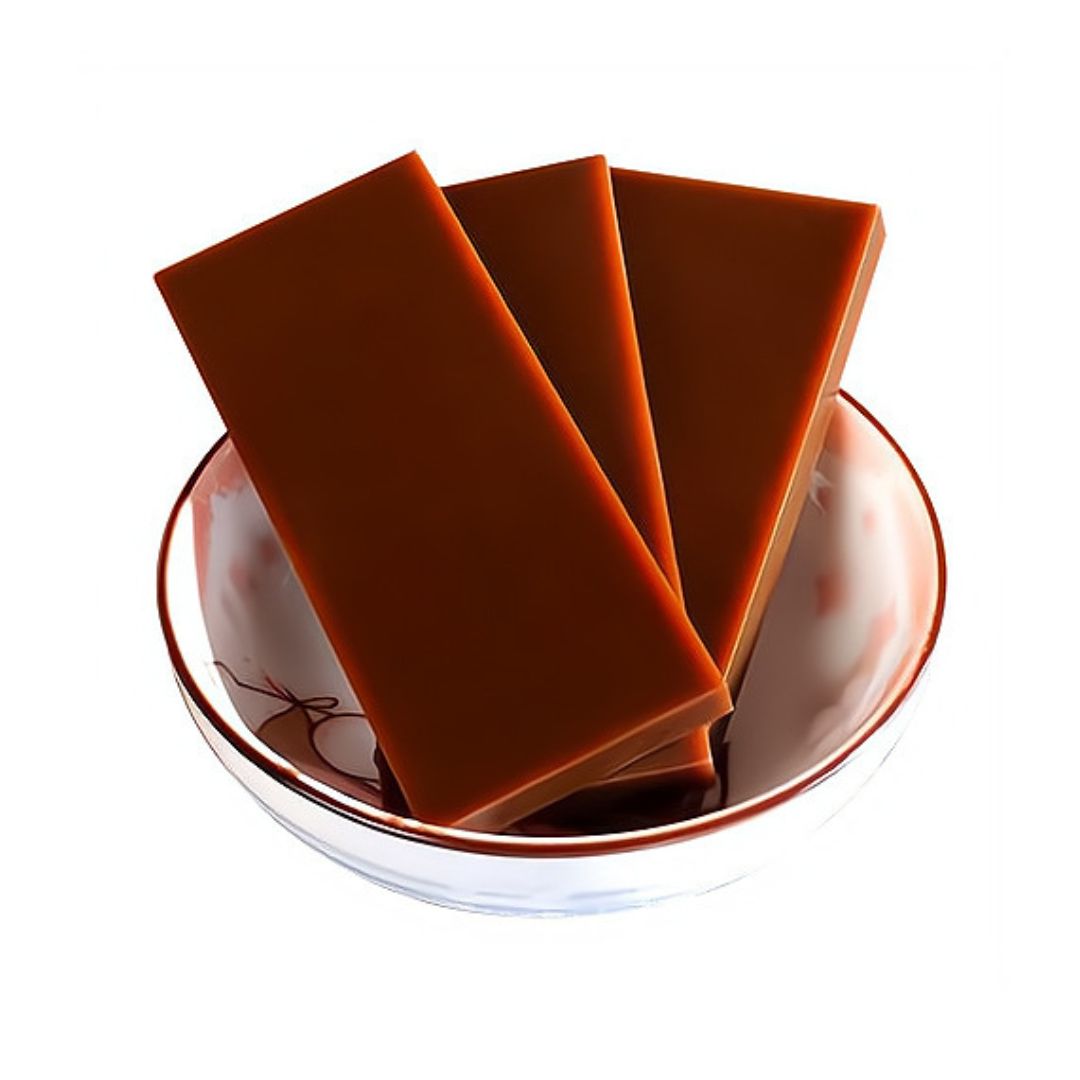
Donkey-hide gelatin block, or Ejiao, is a traditional Chinese medicine that has been used for thousands of years. This gelatin is produced by boiling donkey skin, and the resulting product is highly valued for its therapeutic properties. Its history is extensive, dating back to ancient China, where it was initially a tribute to the imperial court. Over time, it has become more widely available, though still considered a premium product due to its complex manufacturing process and perceived health benefits.
Main Active Ingredients
The primary active ingredient in donkey-hide gelatin is collagen. Collagen is a protein that provides structural support to the skin, bones, and connective tissues. The gelatin also contains various amino acids, which are the building blocks of proteins and essential for numerous bodily functions, as well as trace elements such as iron, calcium, and zinc, that contribute to its nutritional profile. These components work synergistically, contributing to the claimed health benefits of Ejiao [1].
Product Application Scenarios, Usage, and Dosage
In traditional Chinese medicine, donkey-hide gelatin is used to address a variety of health conditions. It is commonly used to nourish the blood, making it suitable for individuals with anemia or those recovering from blood loss. It is also used to stop bleeding, particularly in cases of uterine bleeding or other internal bleeding. Furthermore, donkey-hide gelatin is known for its ability to nourish yin and moisten dryness, making it beneficial for dry coughs, dry skin, and constipation.
The usage and dosage of donkey-hide gelatin vary depending on the specific condition being treated and the individual's constitution. Typically, it is taken in small doses, ranging from 3 to 9 grams per day. It can be consumed in several ways: dissolving it in hot water, mixing it with milk or other beverages, or incorporating it into food such as porridge or soups. Some practitioners also prescribe it in combination with other herbs to enhance its therapeutic effects [2].
Introduction to the Source Plant, Distribution, and Growth Environment
The source of donkey-hide gelatin is the donkey, Equus asinus. Donkeys are domesticated animals that are raised in various parts of the world, particularly in arid and semi-arid regions. In China, donkeys are primarily raised in provinces such as Shandong, Henan, and Hebei. These regions provide the necessary climate and resources for donkey farming. Donkeys are known for their resilience and ability to thrive in harsh environments, making them well-suited to these areas.
Harvesting, Processing, and Storage
The production of donkey-hide gelatin involves a meticulous process that has been refined over centuries. The process begins with the selection of high-quality donkey skins, sourced from healthy animals. The skins are then soaked, cleaned, and boiled for an extended period, often several days, to extract the collagen, after which the liquid is then filtered and concentrated. The concentrated liquid is cooled and cut into blocks, which are then dried to form the final product.
Proper storage is crucial to maintain the quality and efficacy of donkey-hide gelatin. The blocks should be stored in a cool, dry place, away from direct sunlight and moisture. This helps prevent the gelatin from deteriorating or becoming contaminated.
Citations
[1] Zhang, Y., et al. "Chemical composition and biological activities of donkey hide gelatin." Journal of Functional Foods, vol. 52, 2019, pp. 622-630.
[2] Chen, J. K., & Chen, T. T. Chinese Medical Herbology and Pharmacology. Art of Medicine Press, 2004.
Mia Wu

Hi, I’m Mia Wu! I love helping customers discover the best natural ingredients for their products. With a passion for herbs, spices, and fungi, I work to make sure you get only the finest raw materials. Let's grow together! 🌱✨