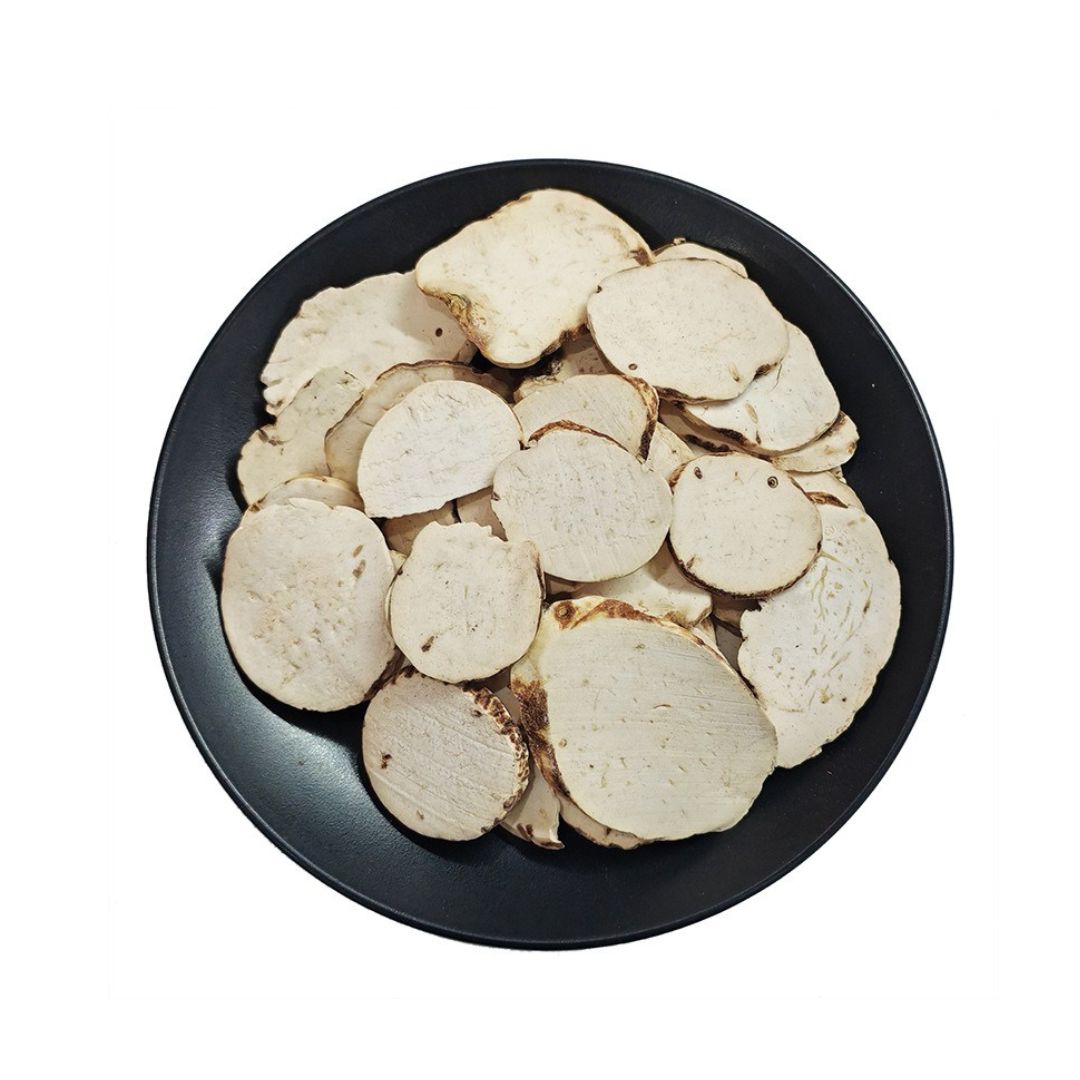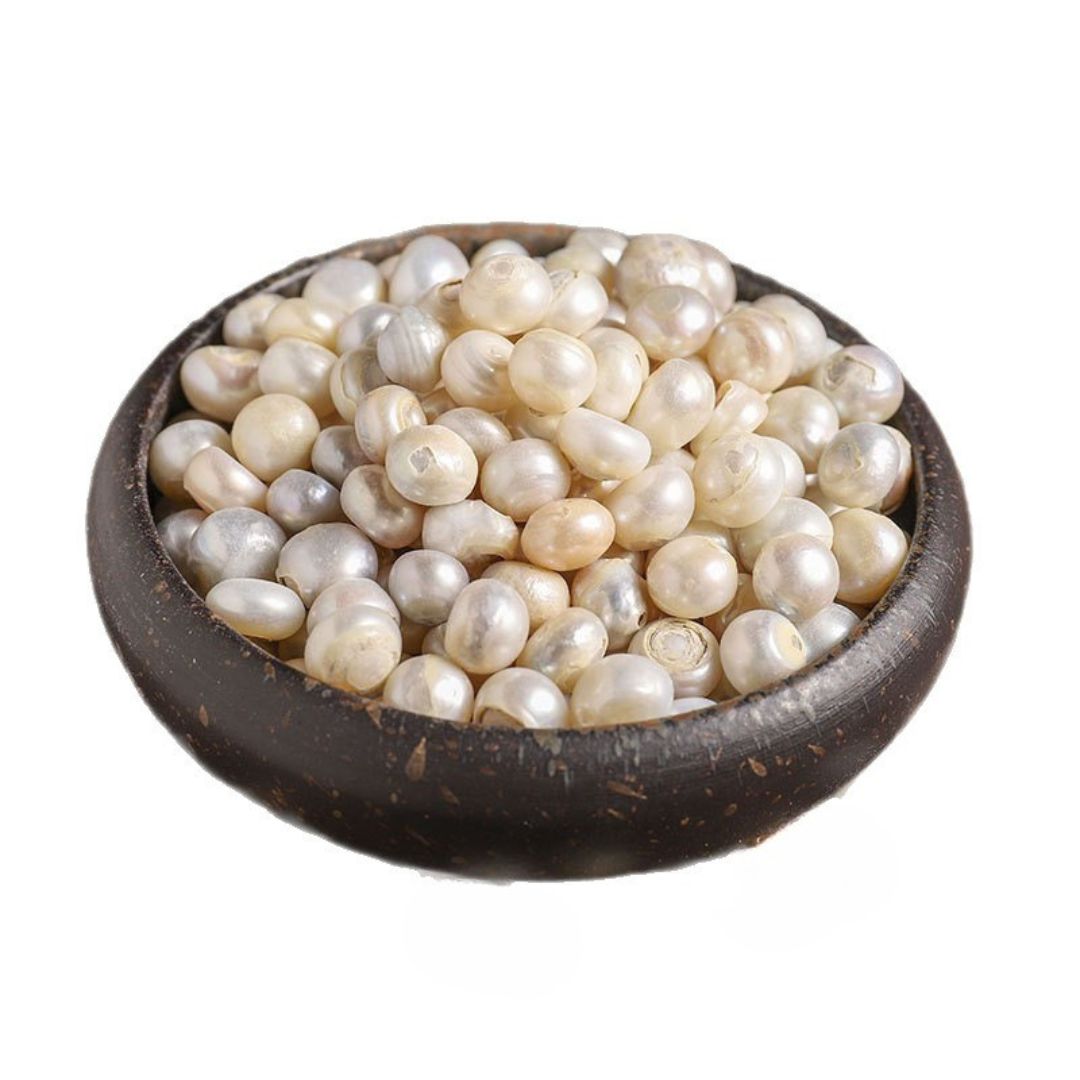


Product Introduction
Mother-of-pearl, or Zhen Zhu Mu, is a valued substance in traditional Chinese medicine, known for its calming and restorative properties; it is sourced from the inner shell layer of pearl oysters and other mollusks, providing a natural remedy used for centuries. The material's composition, primarily calcium carbonate along with conchiolin and various trace elements, contributes to its therapeutic effects. Mother-of-pearl is traditionally indicated for addressing a range of conditions, mainly related to neurological and ophthalmological health, owing to its unique ability to calm the Liver wind, improve vision, and promote tissue regeneration.
Main Active Ingredients
The therapeutic benefits of mother-of-pearl can be attributed to its complex chemical composition, with calcium carbonate being the most abundant component, providing a basis for its bone regeneration properties [1]. Conchiolin, an organic matrix protein, plays a crucial role in the structural integrity of the shell and potentially contributes to tissue repair. Trace elements like magnesium and silica further enhance the overall therapeutic effect, with magnesium known for its calming effects on the nervous system and silica for its role in connective tissue health [2]. The synergistic action of these components is believed to be responsible for the diverse range of applications in traditional Chinese medicine.
Product Application Scenarios, Usage, and Dosage
In traditional Chinese medicine, mother-of-pearl is employed in various clinical scenarios, typically to address conditions involving Liver imbalances, such as hypertension, anxiety, and insomnia. It is often prescribed in formulas designed to calm the Liver, alleviate tremors, and improve mental clarity [3]. In ophthalmology, it is utilized to treat visual disturbances like blurred vision and cataracts, attributed to its cooling and clarifying properties.
The typical dosage of mother-of-pearl ranges from 9 to 30 grams, usually administered in the form of decoctions, powders, or pills. It is often combined with other herbs to enhance its therapeutic effects, such as菊花 (Ju Hua) for improving vision and 钩藤 (Gou Teng) for calming the Liver [4].
Introduction to the Source Plant, Distribution, and Growth Environment
Mother-of-pearl is derived from several species of pearl oysters and other mollusks found in marine environments; these mollusks thrive in warm, tropical, and subtropical waters around the world. Significant sources include the South China Sea, the Persian Gulf, and the coastal regions of Australia and Japan [5]. These marine environments provide the necessary conditions for the mollusks to produce the iridescent inner shell layer, a process influenced by water quality, temperature, and nutrient availability. The health of these marine ecosystems is crucial for the sustainable harvesting of high-quality mother-of-pearl.
Harvesting, Processing, and Storage
The harvesting of mother-of-pearl involves carefully collecting the shells from pearl oysters and other mollusks, often as a byproduct of pearl cultivation. Once harvested, the shells undergo a cleaning and processing procedure to extract the mother-of-pearl layer [6]. This involves removing the outer layers and carefully separating the iridescent inner layer, ensuring that it remains intact.
The extracted mother-of-pearl is then processed into various forms, such as powders, slices, or granules, depending on its intended use; proper storage is essential to maintain its quality and efficacy. It should be stored in a cool, dry place, away from direct sunlight and moisture, to prevent degradation of its beneficial components [7]. Proper storage ensures that the mother-of-pearl retains its therapeutic properties for an extended period.
Citations:
[1] Wang, J., et al. "Chemical composition and structural characteristics of nacre." Journal of Materials Science 42.19 (2007): 8128-8136.
[2] Chen, L., et al. "The role of trace elements in the bioactivity of marine shells." Biological Trace Element Research 155.3 (2013): 399-406.
[3] Bensky, D., et al. Chinese Herbal Medicine: Materia Medica. 3rd ed. Seattle, WA: Eastland Press, 2004.
[4] Holmes, P. The Energetics of Western Herbs: Integrating Western and Oriental Herbal Medicine Traditions. Boulder, CO: Snow Lotus Press, 2007.
[5] Coen, L. D., et al. "Ecosystem services provided by oyster reefs." Marine Ecology Progress Series 341 (2007): 143-159.
[6] Strack, E. Pearls. Brunswick, Germany: Rühle-Diebener-Verlag GmbH + Co. KG, 2006.
[7] Mills, S., and K. Bone. Principles and Practice of Phytotherapy. 2nd ed. Edinburgh: Churchill Livingstone, 2013.
Mia Wu

Hi, I’m Mia Wu! I love helping customers discover the best natural ingredients for their products. With a passion for herbs, spices, and fungi, I work to make sure you get only the finest raw materials. Let's grow together! 🌱✨