

Product Introduction
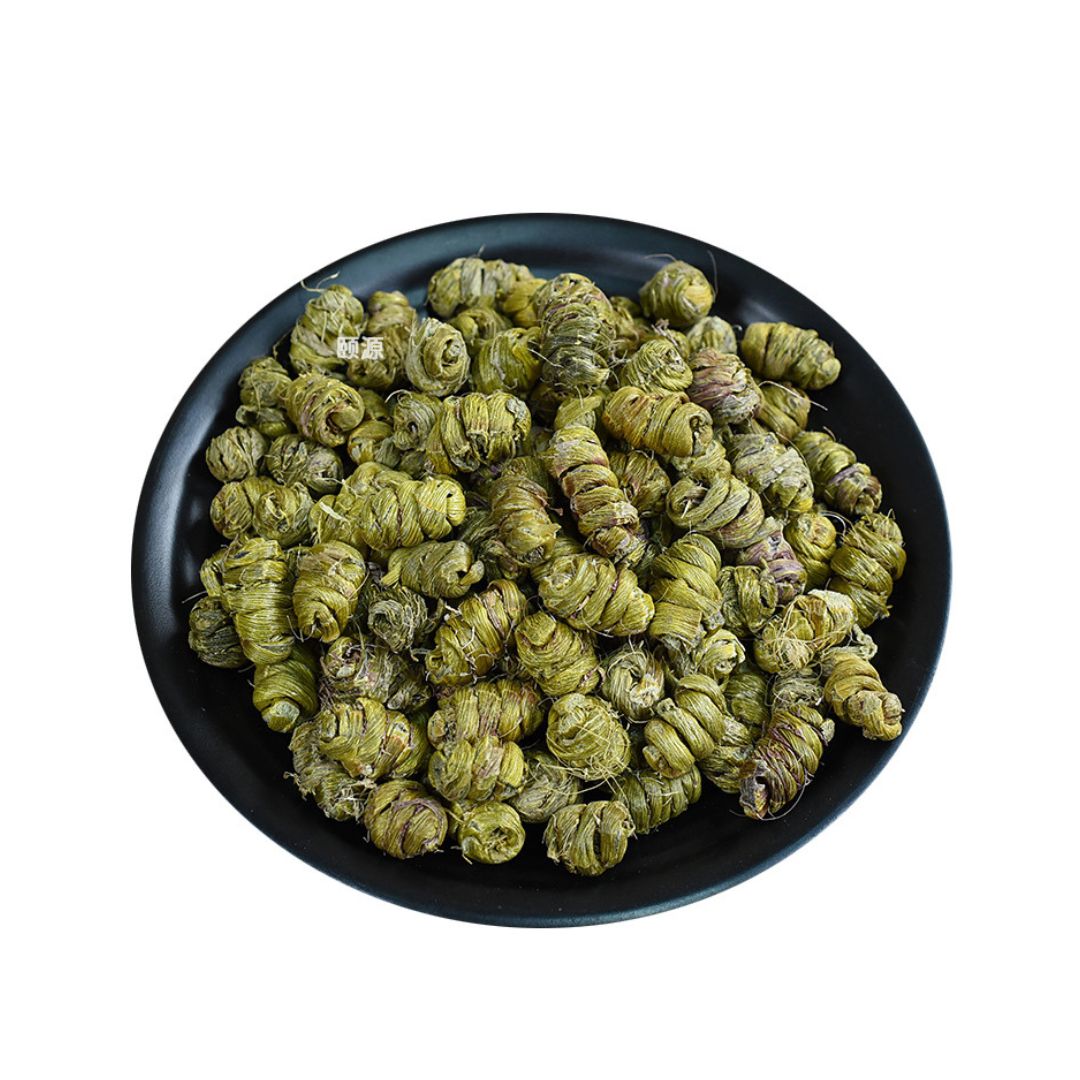
Chonglou, a significant herb in traditional Chinese medicine, is valued for its potent medicinal properties, particularly in addressing toxic conditions and inflammatory disorders. It has been used for centuries, documented in various classical texts, for its therapeutic effects. Its use stems from its notable ability to clear heat and resolve toxicity, making it a staple in treating certain types of ailments.
Main Active Ingredients
The efficacy of Chonglou is mainly attributed to its key active components, prominently including polyphyllin. Polyphyllin exhibits cytotoxic effects, making it useful in cancer treatment. [^1] Diosgenin, another crucial component, is known for its anti-inflammatory and potential anticancer properties. [^2] These steroidal saponins contribute significantly to the herb's therapeutic actions; they work synergistically to produce the observed medicinal effects.
Product Application Scenarios, Usage, and Dosage
Chonglou is commonly used in scenarios involving infections, swelling, and pain; it is often prescribed for conditions like boils, carbuncles, and snake bites. The herb is also indicated for certain types of tumors due to its cytotoxic properties. Typically, Chonglou is administered orally in decoctions or in powdered form; the usual dosage ranges from 3 to 9 grams per day. Sometimes, it is applied topically as a powder or paste to treat skin infections and injuries. It is important to note that Chonglou should be used under the guidance of a qualified TCM practitioner due to its potent nature.
Introduction to the Source Plant, Distribution, and Growth Environment
Paris polyphylla var. yunnanensis and Paris polyphylla var. chinensis, the source plants of Chonglou, are perennial herbs found in the wild. These plants are mainly distributed in the southwestern regions of China, including Yunnan, Sichuan, and Guizhou provinces. They thrive in damp, shady environments, often found in forests and along streams at elevations ranging from 1500 to 3200 meters. The plants prefer well-drained soil rich in organic matter.
Harvesting, Processing, and Storage
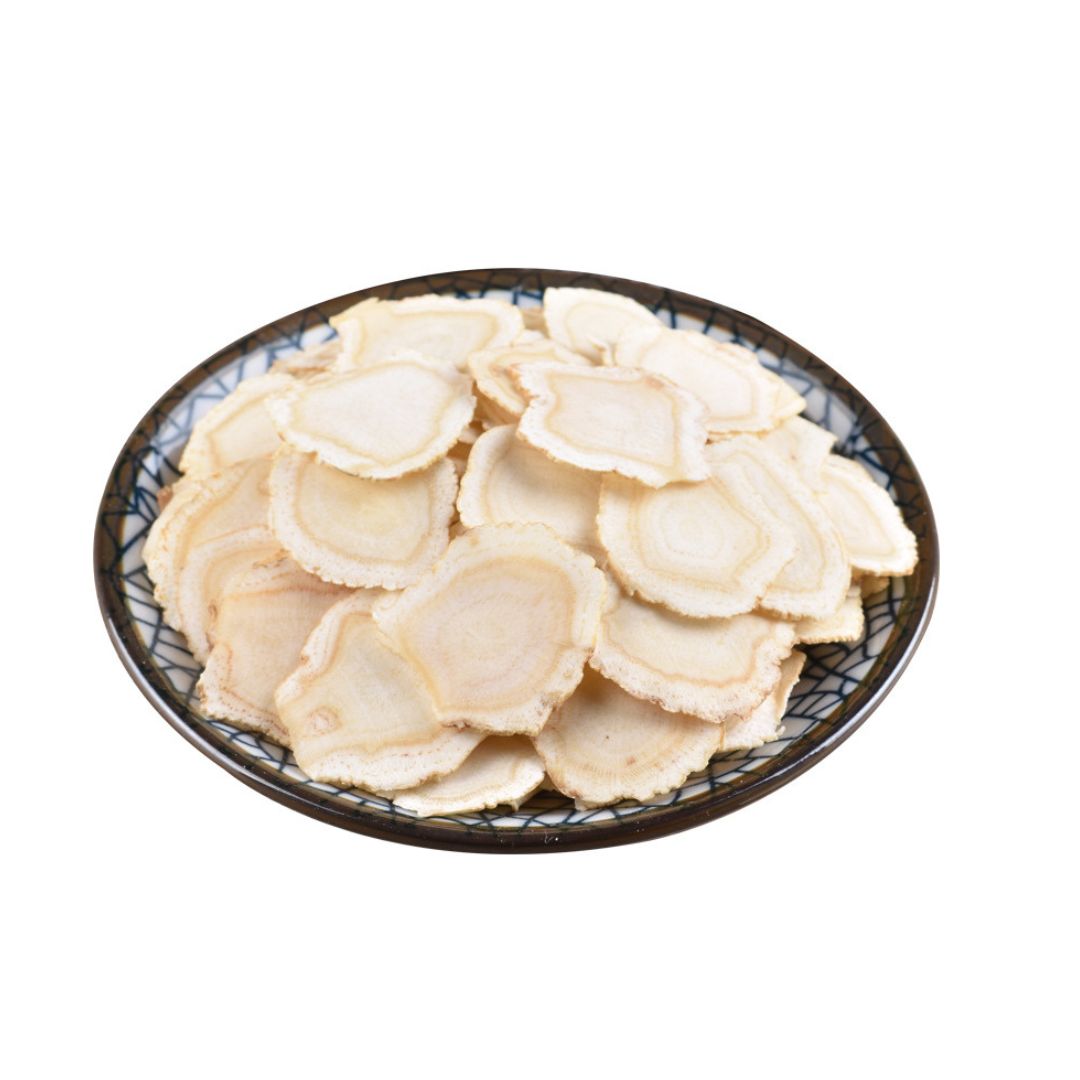
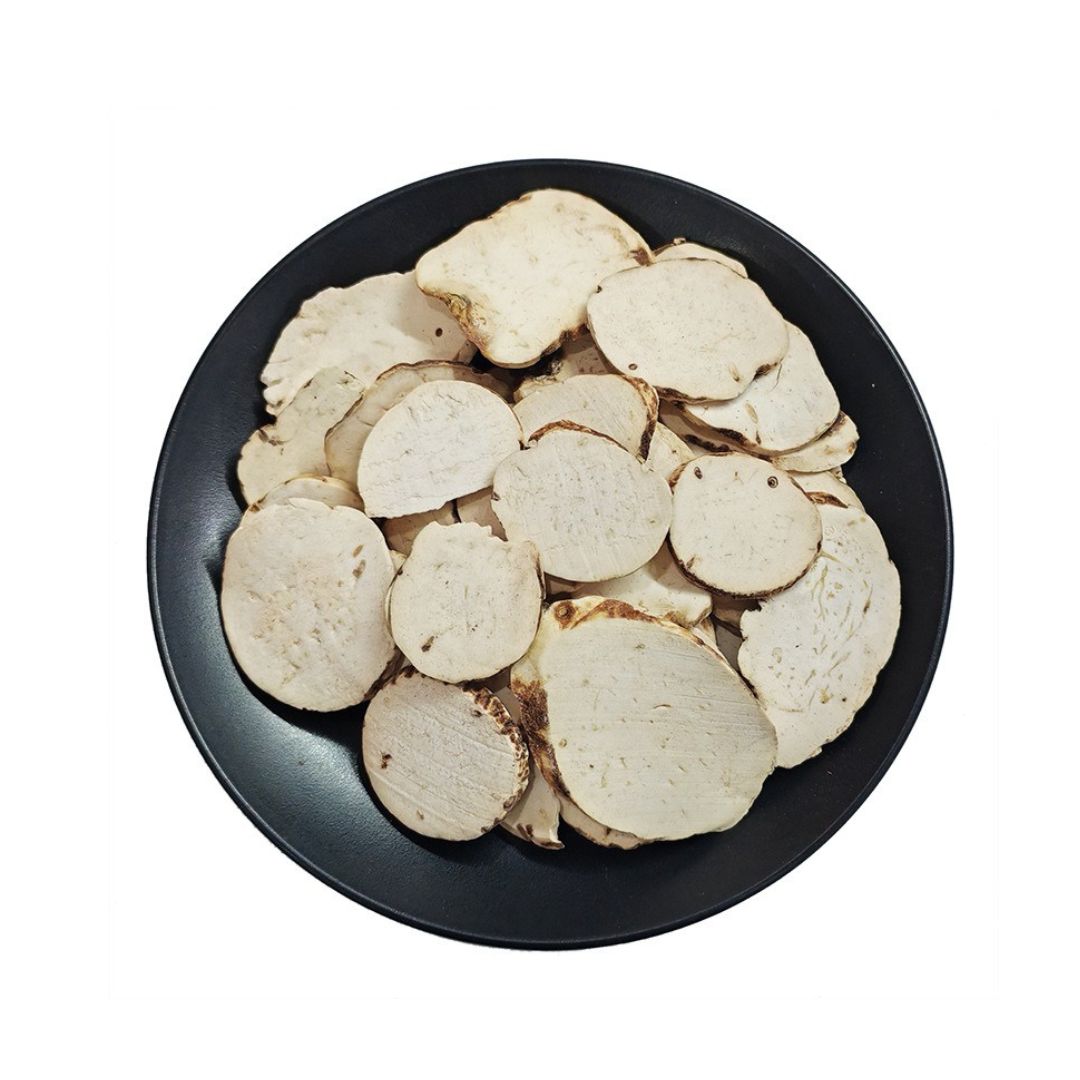
The rhizomes of Chonglou are typically harvested in the autumn or winter, they are then cleaned, and dried either in the sun or through artificial methods. After drying, the rhizomes are cut into slices or sections, depending on the intended use. Proper storage is crucial to maintain the herb's potency; it should be kept in a cool, dry place, away from direct sunlight and moisture, to prevent mold and degradation.
Mia Wu

Hi, I’m Mia Wu! I love helping customers discover the best natural ingredients for their products. With a passion for herbs, spices, and fungi, I work to make sure you get only the finest raw materials. Let's grow together! 🌱✨