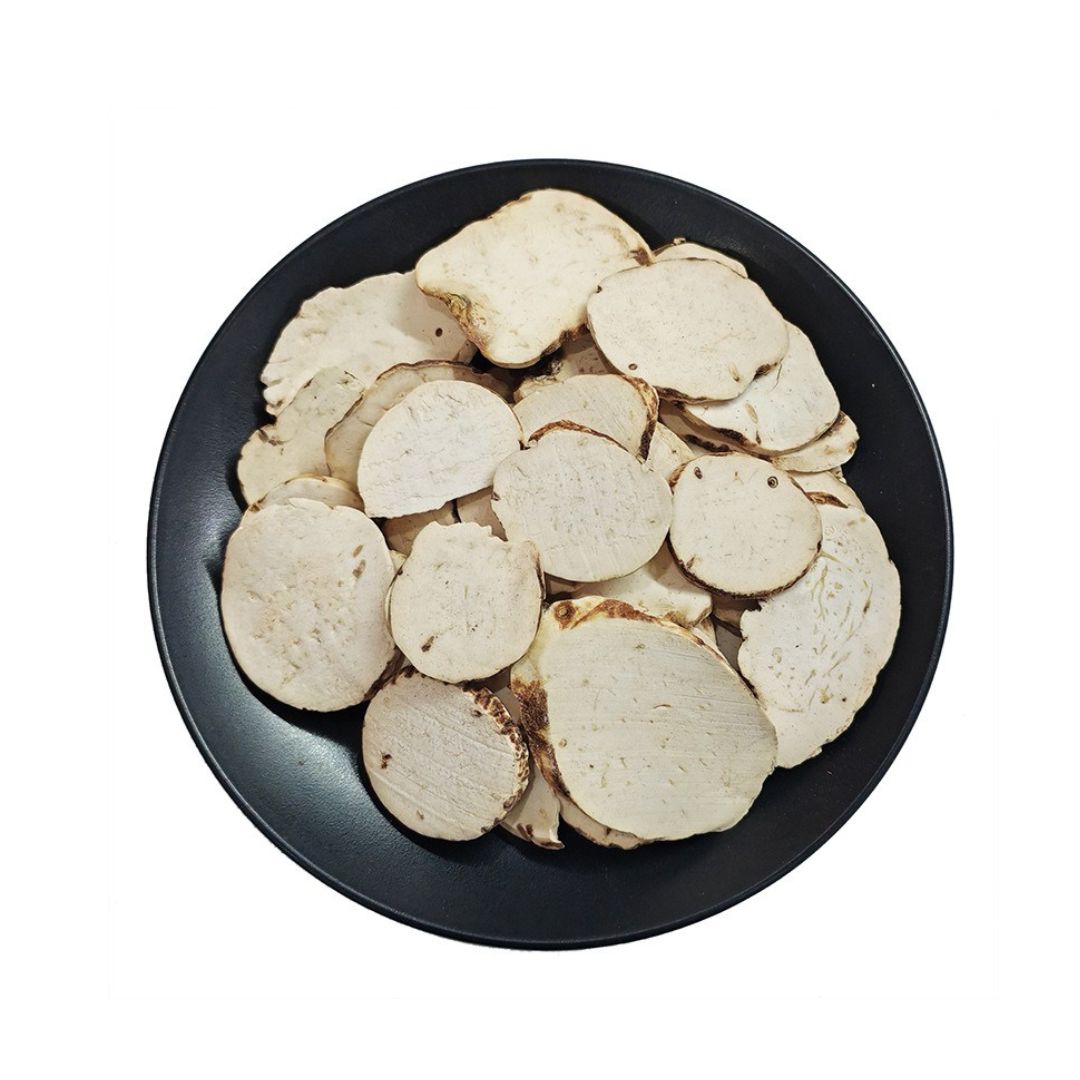


Product Introduction
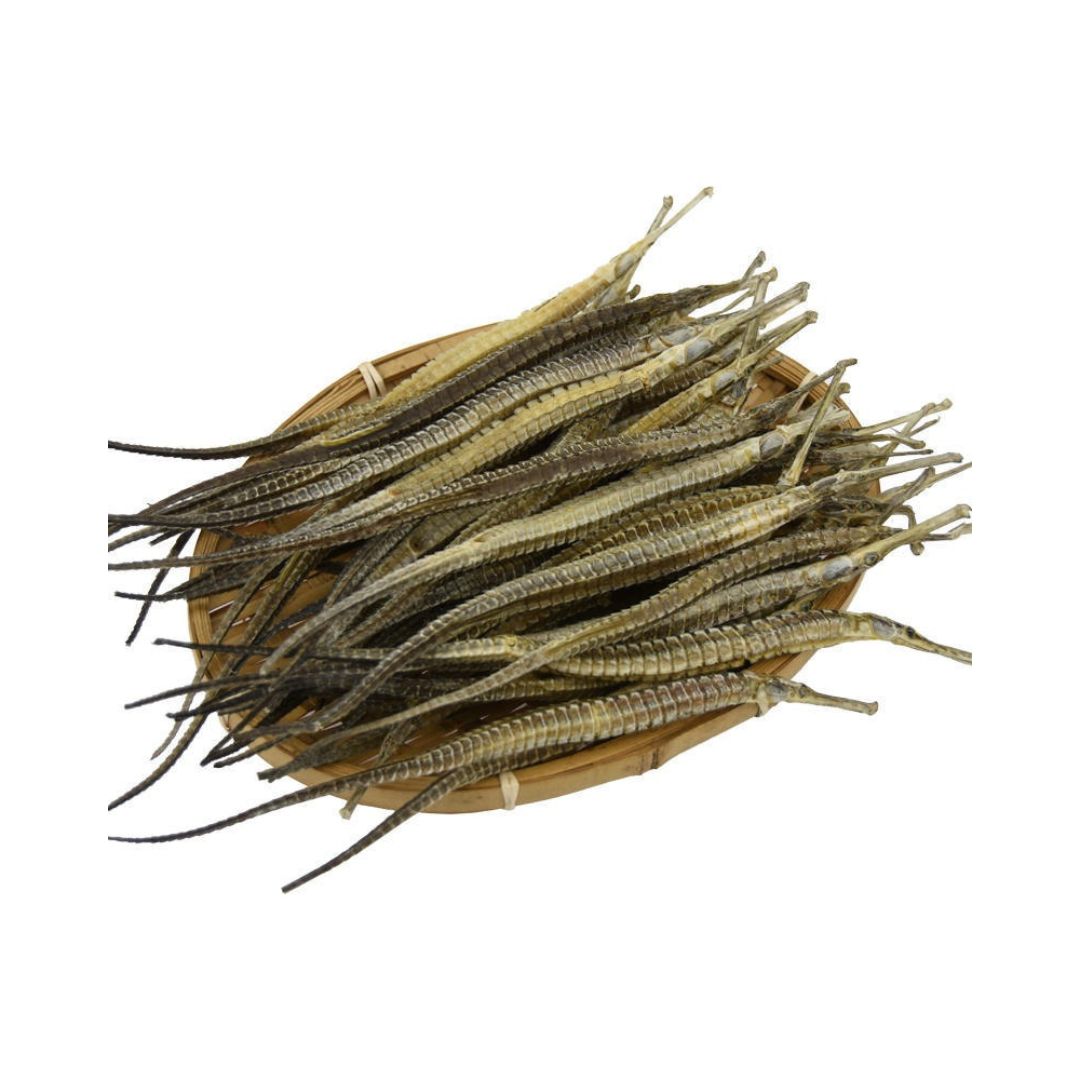
Syngnathus, also known as Sea Dragon or Sea Needle, refers to the dried body of fishes belonging to the Syngnathidae family, primarily species of Syngnathus. This marine creature, characterized by its elongated and slender form, has been utilized in traditional Chinese medicine (TCM) for centuries due to its purported therapeutic properties. In TCM, Syngnathus is believed to possess the ability to tonify kidney yang, promote essence, benefit qi, and resolve masses.
Main Active Ingredients
The chemical composition of Syngnathus includes proteins, fats, amino acids, diverse trace elements, and certain bioactive compounds that are currently under scientific investigation. These components are believed to contribute to the therapeutic effects observed in traditional applications. Further research is needed to fully elucidate the specific active ingredients and their mechanisms of action.
Product Application Scenarios, Usage, and Dosage
In traditional Chinese medicine, Syngnathus is prescribed for conditions related to kidney yang deficiency, such as impotence, infertility, and frequent urination. It is also employed to address masses and swellings.
The typical dosage of Syngnathus ranges from 3 to 9 grams, generally administered in decoction form. It can be used alone or in conjunction with other herbs to enhance its therapeutic effects. Syngnathus may also be ground into powder and encapsulated or used in tinctures. It is extremely important to note that the information provided herein serves solely as a reference, and consulting a qualified TCM practitioner is strongly advised prior to using Syngnathus or any other herbal remedy.
Introduction to the Source Plant, Distribution, and Growth Environment
Syngnathus belongs to the family Syngnathidae, which comprises various species of pipefishes and seahorses found in oceans around the globe. These fish inhabit shallow coastal waters, coral reefs, and seagrass beds. They are distinguished by their elongated bodies, small mouths, and unique reproductive behavior, where the male carries the fertilized eggs in a brood pouch. Specific species used for medicinal purposes are harvested from regions in the China seas and other parts of the Indo-Pacific area.
Harvesting, Processing, and Storage
The harvesting of Syngnathus involves collecting the fish from their natural habitats. After collection, the fish are typically dried, either under the sun or through artificial drying methods, to reduce moisture content and prevent spoilage. The drying process must be carefully managed to preserve the integrity of the active compounds.
Proper storage is crucial to maintain the quality and efficacy of Syngnathus. The dried product should be stored in a cool, dry, and well-ventilated area, away from direct sunlight, excessive heat, and moisture. It is also advisable to store it in airtight containers to protect it from pests and environmental contaminants.
Citations
- https://www.ncbi.nlm.nih.gov/
- Chinese Materia Medica. Shanghai Science and Technology Press.
- Bensky, D., et al. Chinese Herbal Medicine: Materia Medica. 3rd ed. Seattle, WA: Eastland Press, 2004.
Mia Wu

Hi, I’m Mia Wu! I love helping customers discover the best natural ingredients for their products. With a passion for herbs, spices, and fungi, I work to make sure you get only the finest raw materials. Let's grow together! 🌱✨