

Product Introduction
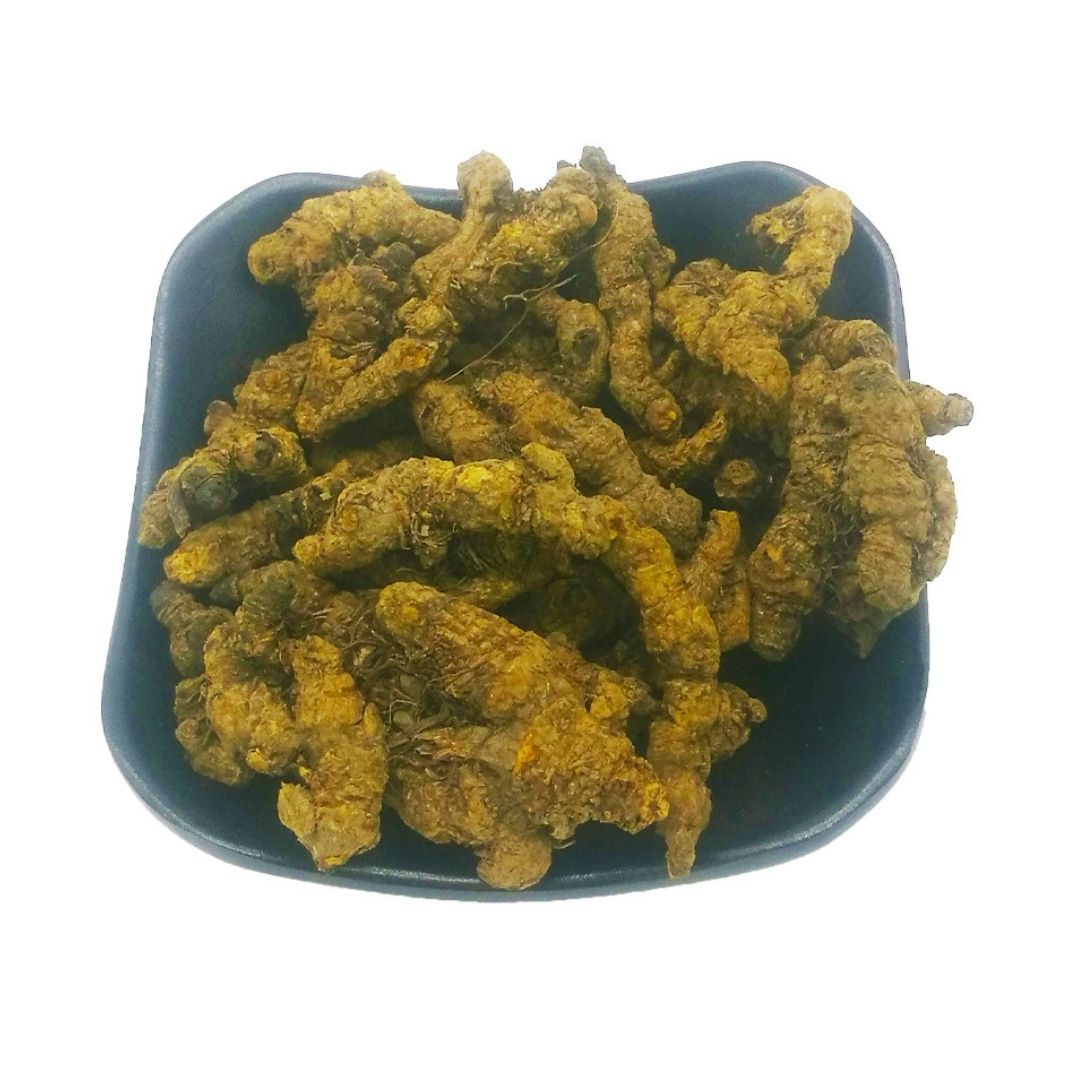
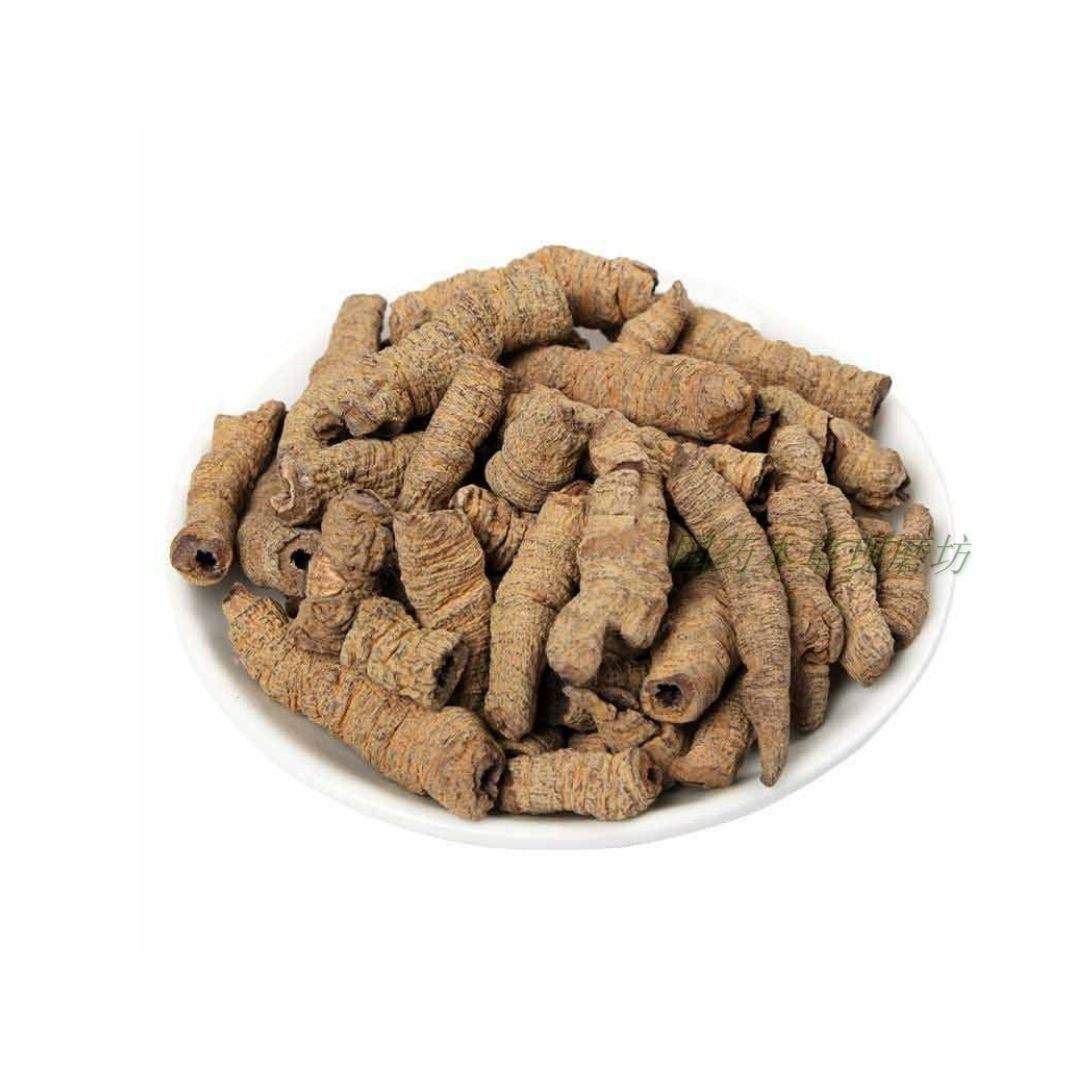
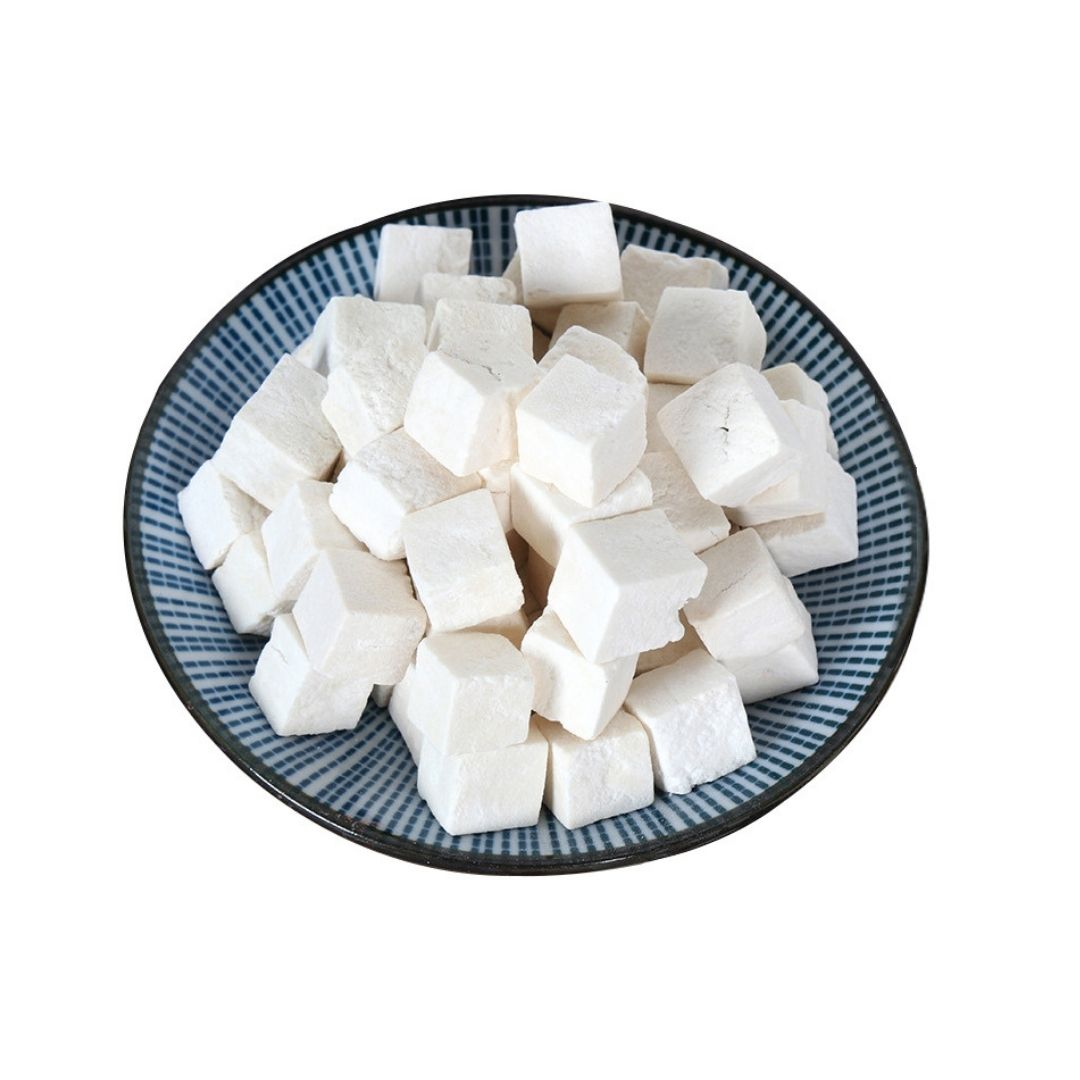
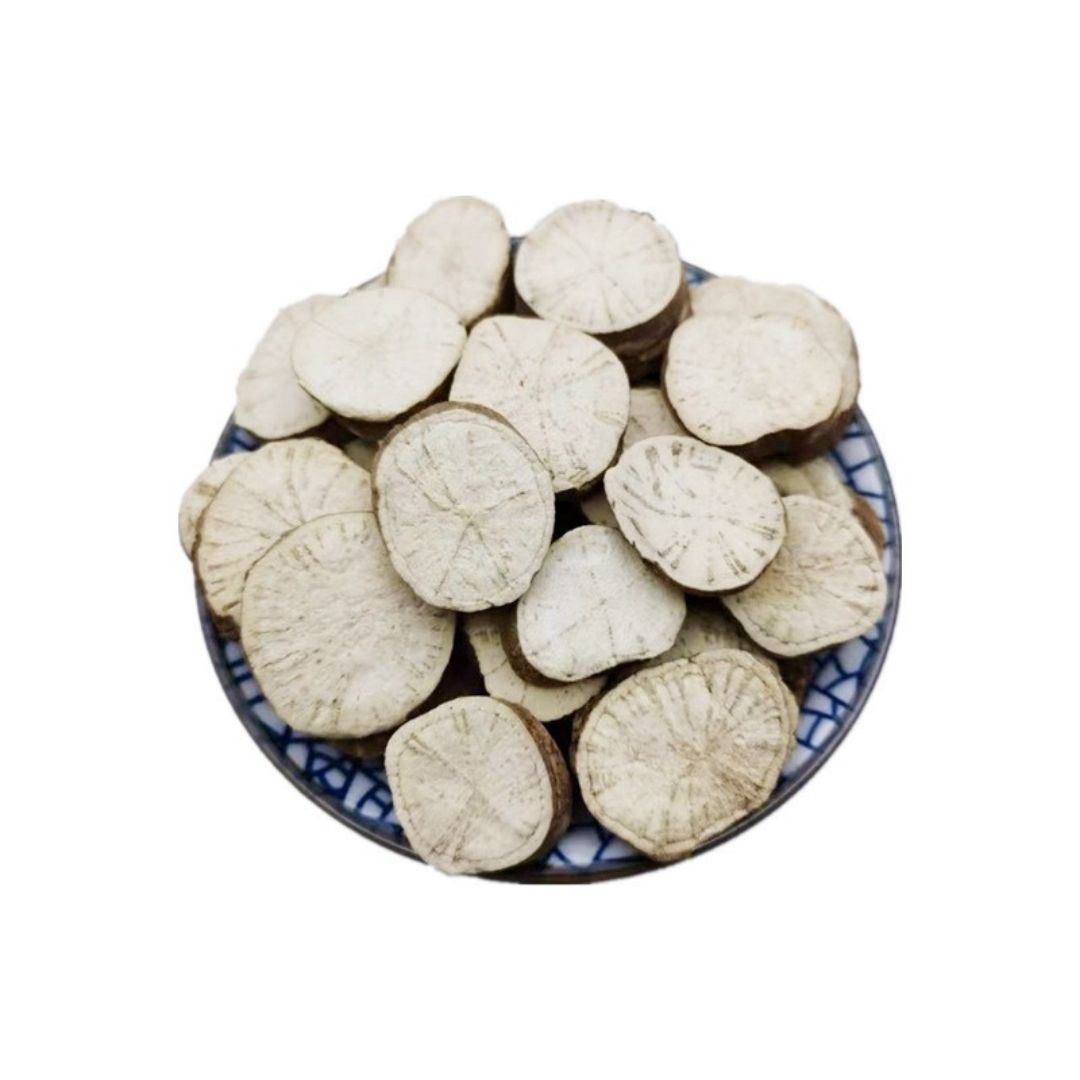
Fangji, or Stephania Root, has been utilized for centuries in traditional Chinese medicine. It is primarily valued for its diuretic and analgesic properties. The herb is often prescribed to alleviate symptoms associated with water retention and joint pain. Preparation usually involves drying the root and slicing it for decoction or inclusion in herbal formulas.
Main Active Ingredients
The therapeutic effects of Fangji are attributed to its bioactive compounds, mainly tetrandrine and fangchinoline [1]. These alkaloids exhibit anti-inflammatory, immunosuppressive, and vasorelaxant activities, contributing to the herb's efficacy in treating various conditions. Research indicates that these compounds can influence calcium channel activity and cytokine production, impacting cellular and systemic functions [2].
Product Application Scenarios, Usage, and Dosage
Fangji is frequently employed in TCM to manage edema, particularly when accompanied by lower limb swelling and difficulty in urination. It is also indicated for painful joints and rheumatic conditions resulting from dampness accumulating in the body. The typical dosage ranges from 6 to 12 grams daily, administered through decoction. It can be used alone or combined with other herbs to enhance its effects based on syndrome differentiation [3].
Introduction to the Source Plant, Distribution, and Growth Environment
Stephania tetrandra is a climbing vine native to regions of China. It thrives in well-drained soils and moderate climates. The plant is characterized by its round leaves and produces small, inconspicuous flowers. Its distribution is concentrated in southern and eastern China, where it grows in mountainous areas and along forest edges [4]. Optimal growth occurs in environments with partial shade and consistent moisture levels.
Harvesting, Processing, and Storage
The roots of Stephania tetrandra are typically harvested in autumn or early spring. After harvesting, the roots are washed, sliced, and then dried, usually under the sun or using mechanical drying methods [5]. Proper drying is essential to prevent mold growth and preserve the herb's active constituents. Dried Fangji should be stored in a dry, well-ventilated location to maintain its quality and potency.
Citations:
[1] Li, H., et al. "Tetrandrine: A review of its pharmacology, toxicology and clinical applications." Journal of Ethnopharmacology 108.1 (2006): 1-14.
[2] Lau, A. J., et al. "The anti-inflammatory mechanism of tetrandrine involves calcium-activated potassium channel activation." European Journal of Pharmacology 626.1 (2010): 144-151.
[3] Bensky, D., et al. Chinese Herbal Medicine: Materia Medica. 3rd ed., Eastland Press, 2004.
[4] Editorial Committee of Chinese Materia Medica. Zhong Hua Ben Cao (Chinese Materia Medica). Shanghai Science and Technology Press, 1999.
[5] Yeung, H. C. Handbook of Chinese Herbs and Formulas. Institute of Chinese Medicine, 1985.
Mia Wu

Hi, I’m Mia Wu! I love helping customers discover the best natural ingredients for their products. With a passion for herbs, spices, and fungi, I work to make sure you get only the finest raw materials. Let's grow together! 🌱✨