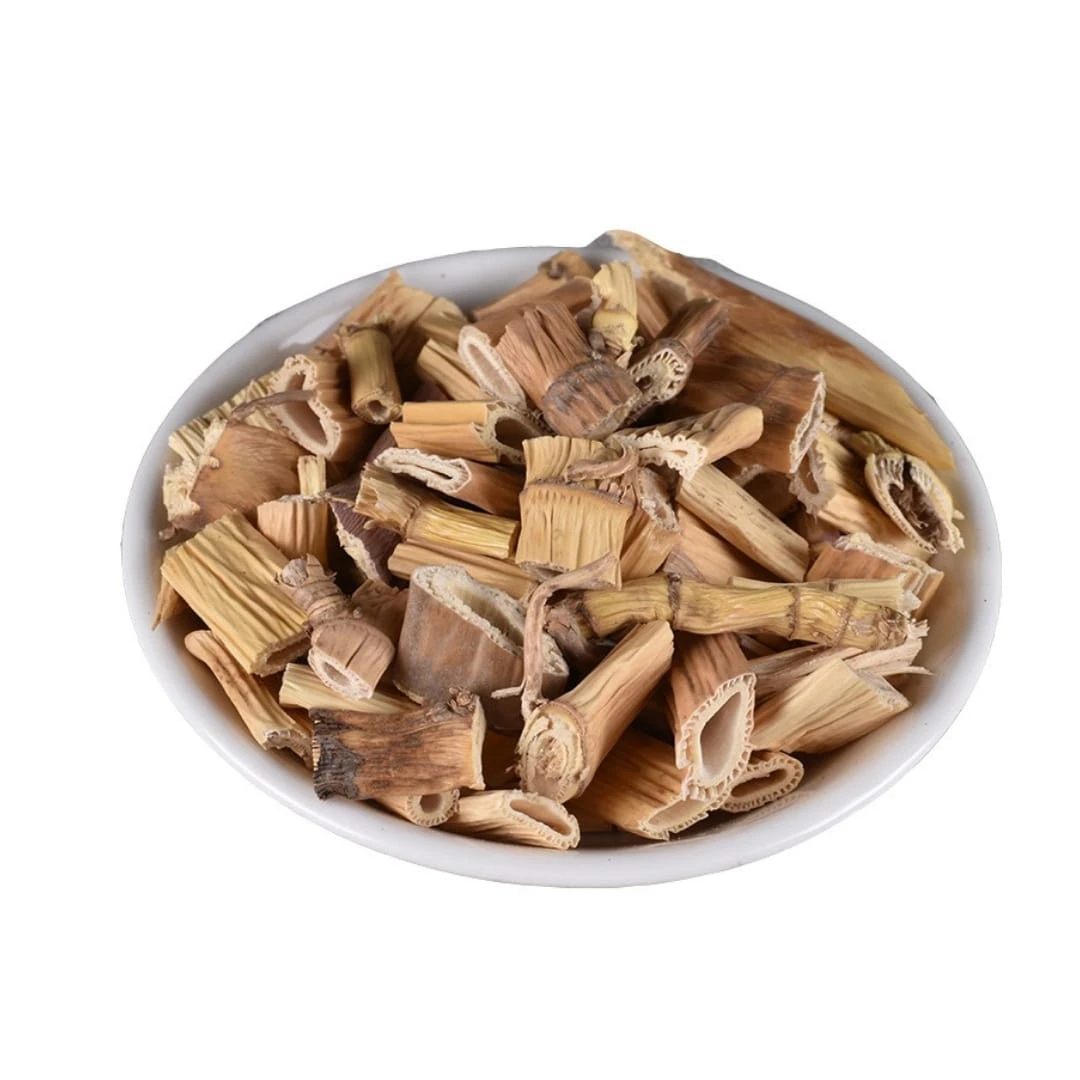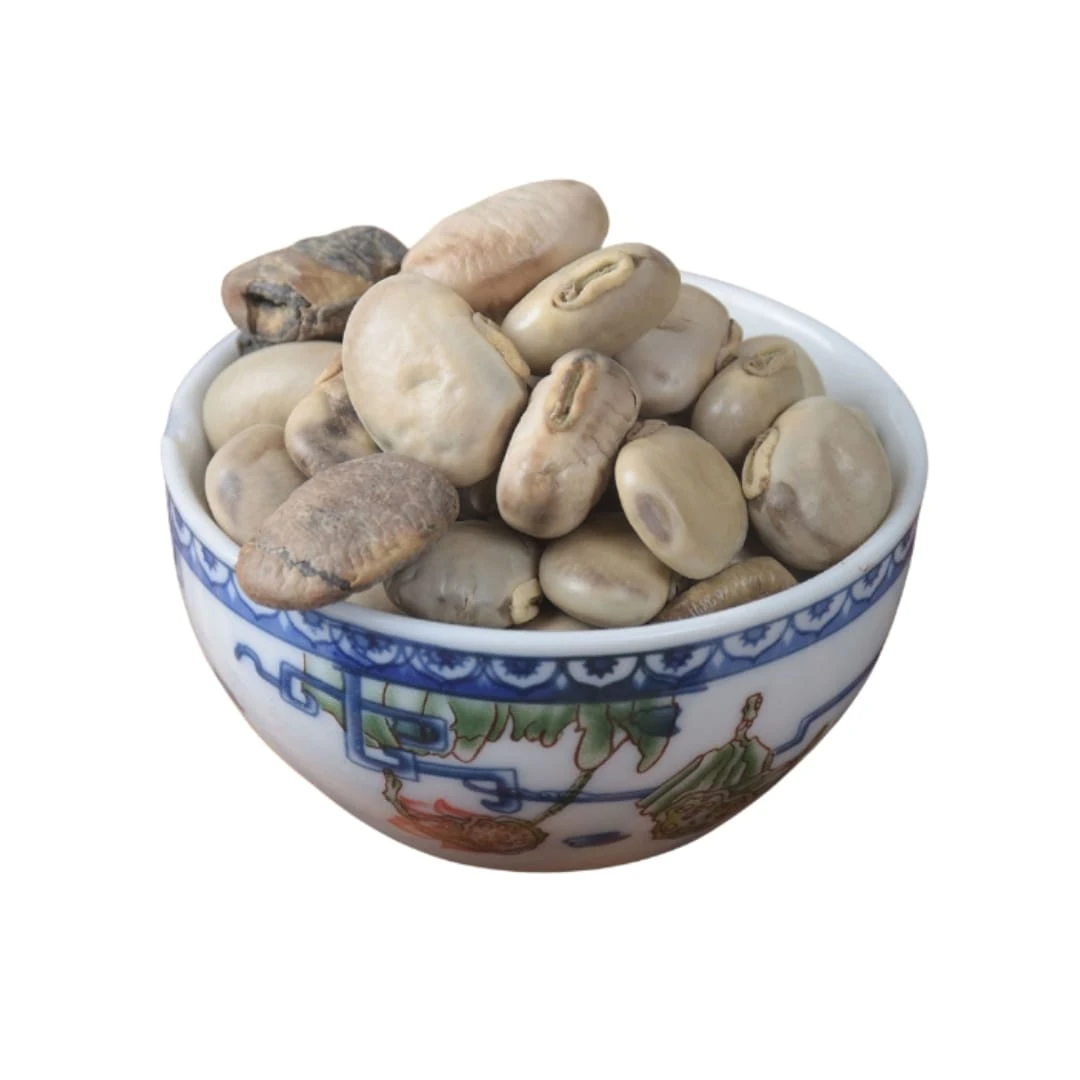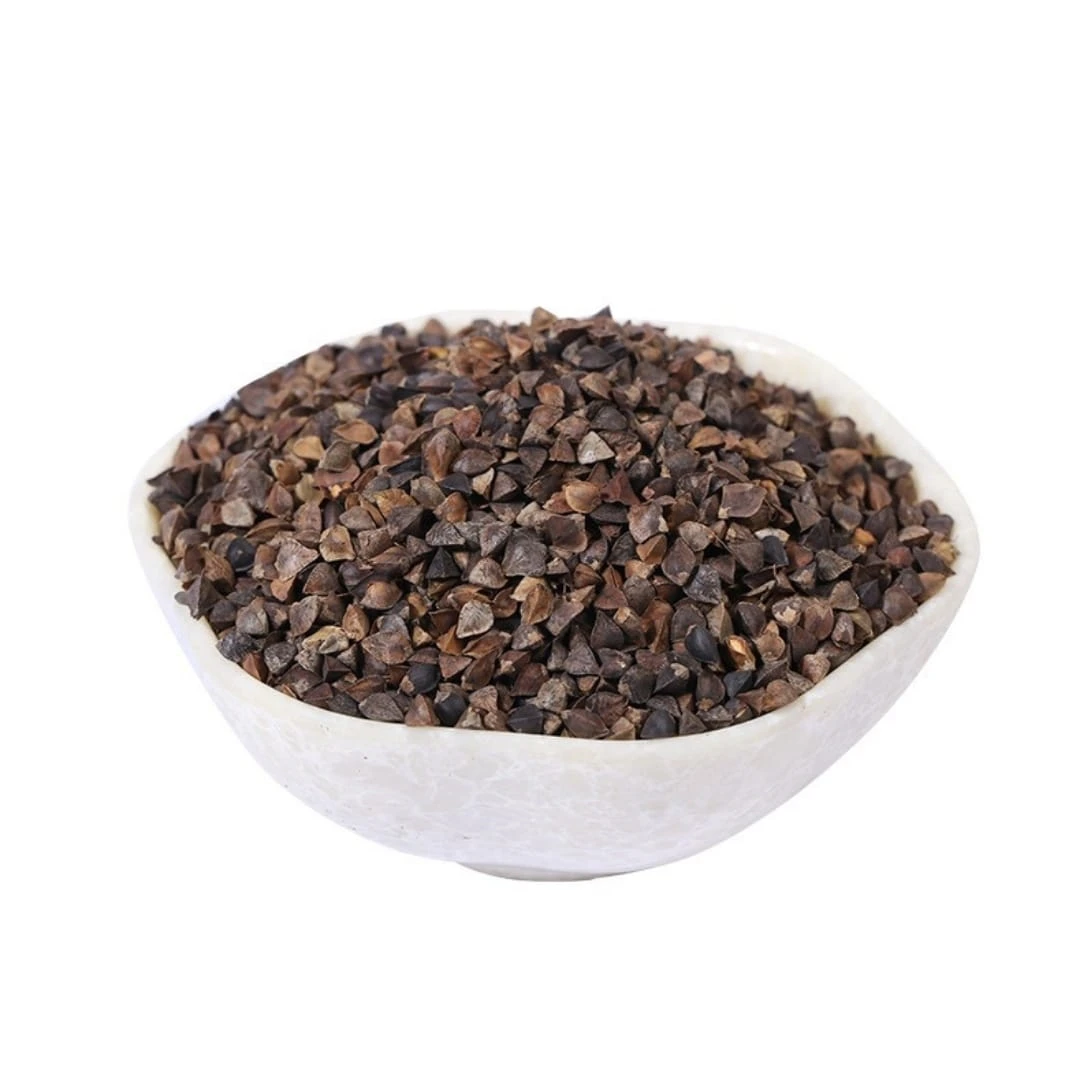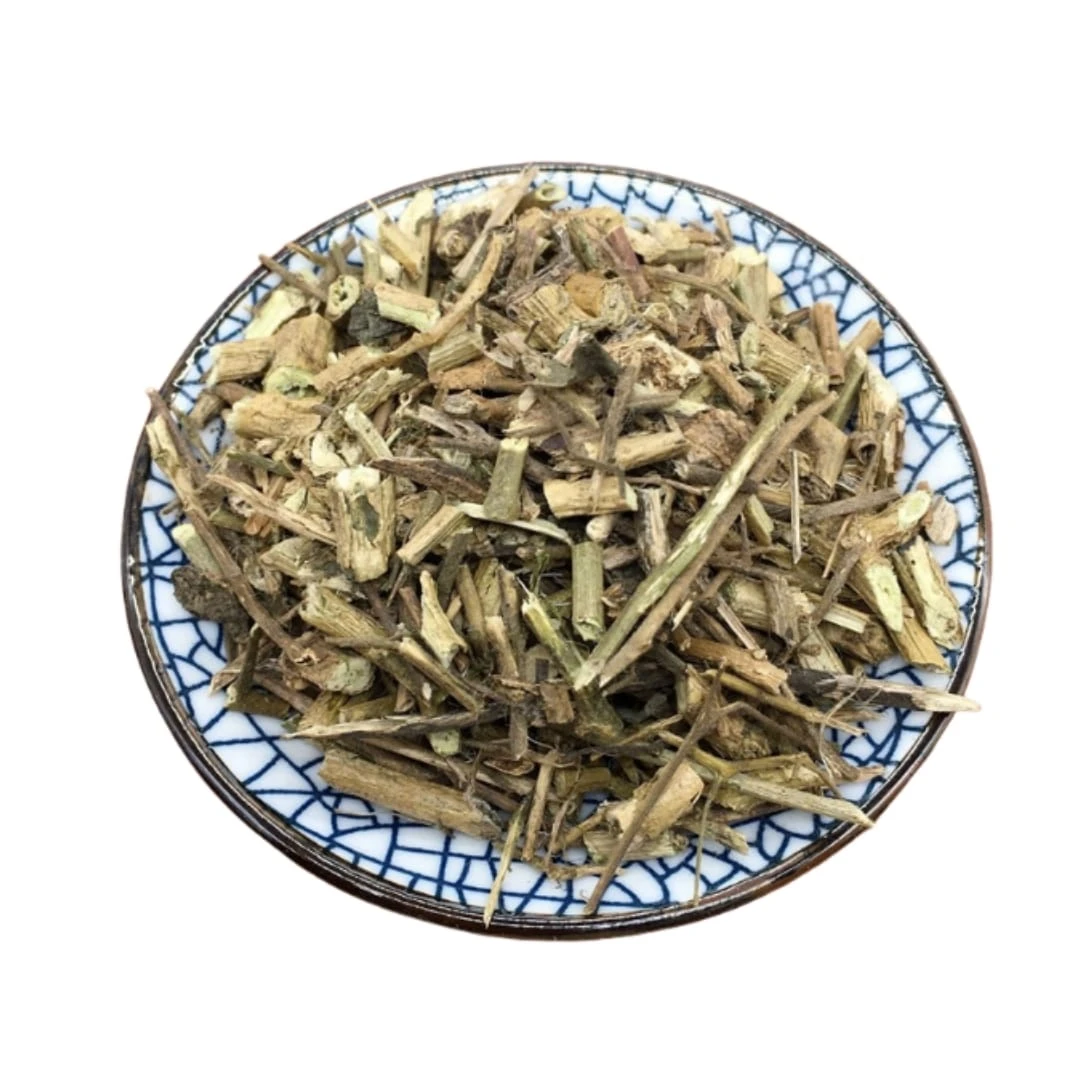


Product Introduction
Solani lyratum, commonly known as Bai Mao Teng, is a perennial climbing vine widely used in traditional Chinese medicine. The dried whole plant serves as the herbal medicine, known for its therapeutic properties. This herb has a long history of use in treating various ailments, owing to its diverse bioactive compounds.
Main Active Ingredients
The plant contains several active ingredients that contribute to its medicinal properties. Alkaloids are among the primary compounds, along with flavonoids, steroidal glycosides, and other phenolic compounds. These constituents contribute to the herb's anti-inflammatory, antioxidant, and detoxifying effects.
Product Application Scenarios, Usage, and Dosage
In traditional Chinese medicine, Solani lyratum is typically used to address conditions involving heat and toxins. It is commonly employed for treating jaundice, edema, and certain skin infections. The herb can be prepared as a decoction, with a typical dosage ranging from 15 to 30 grams per day, or as directed by a healthcare professional. It can also be used topically in some cases.
Introduction to the Source Plant, Distribution, and Growth Environment
Solanum lyratum is a climbing perennial vine belonging to the Solanaceae family. The plant is native to East Asia, including China, Japan, and Korea. It thrives in various environments, such as roadsides, thickets, and forest margins, preferring moist, well-drained soils. The plant is characterized by its slender, twining stems, ovate to lanceolate leaves, and small white to light purple flowers.
Harvesting, Processing, and Storage
The herb is typically harvested in the summer and autumn when the plant is in full bloom. The whole plant is collected, washed, and then dried in the sun or through artificial drying methods. Once dried, it is cut into sections and stored in a well-ventilated, dry place to prevent mold and maintain its medicinal properties. Proper storage is crucial to ensure the herb retains its efficacy over time.
Citations
- Traditional Chinese Medicine: https://www.ncbi.nlm.nih.gov/pmc/articles/PMC6474487/
- Solanum lyratum: https://pfaf.org/user/Plant.aspx?LatinName=Solanum+lyratum
Mia Wu

Hi, I’m Mia Wu! I love helping customers discover the best natural ingredients for their products. With a passion for herbs, spices, and fungi, I work to make sure you get only the finest raw materials. Let's grow together! 🌱✨