
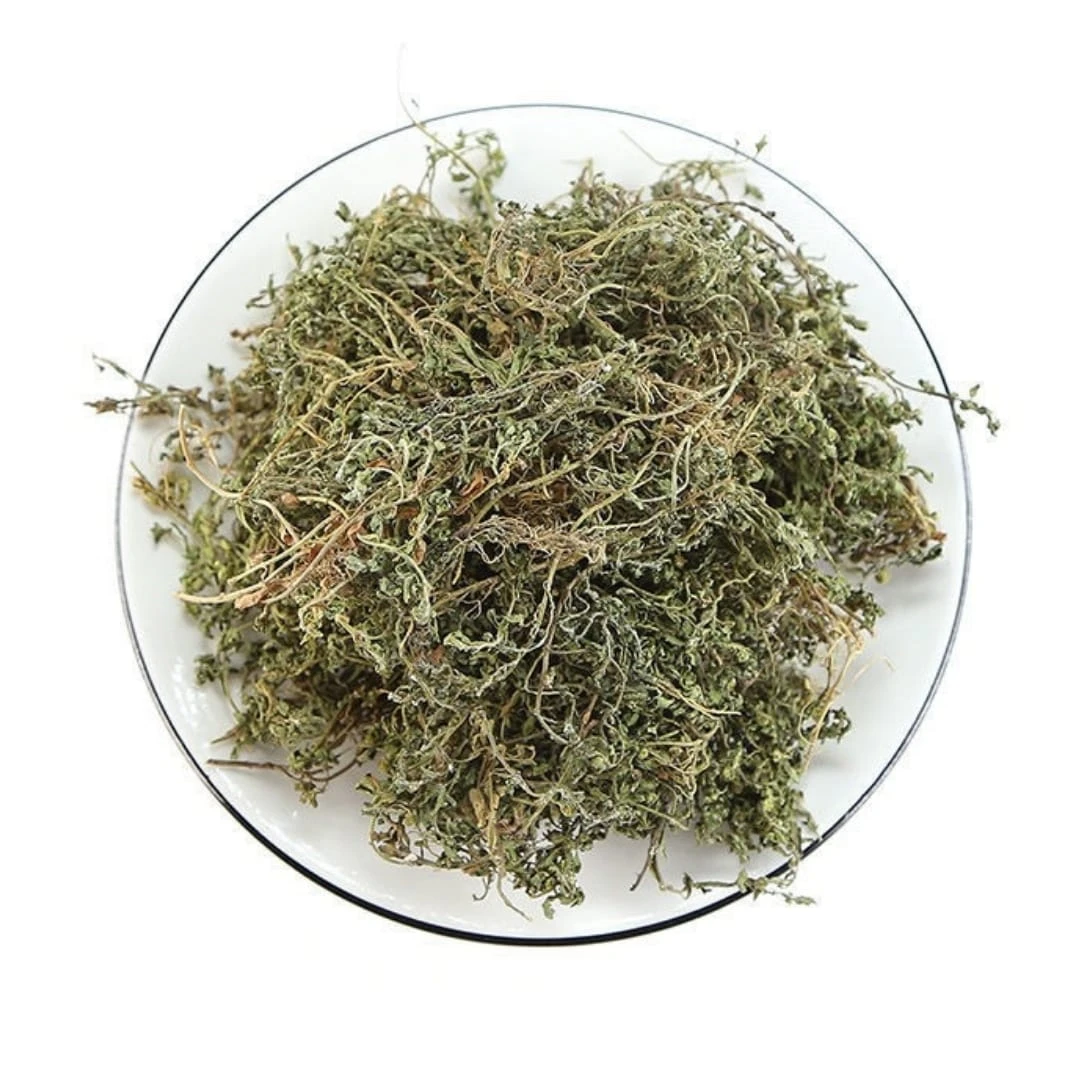


Product Introduction
Small Centipeda Herb, scientifically known as Centipeda minima, is a widely recognized herb in traditional Chinese medicine. It is primarily valued for its therapeutic applications in addressing various ailments. The herb's efficacy is attributed to its unique composition of active ingredients, which contribute to its pharmacological effects, in traditional medicine practices.
Main Active Ingredients
The primary active constituents of Small Centipeda Herb include volatile oils. These oils, along with flavonoids and other organic compounds, contribute significantly to the herb's medicinal properties. The volatile oils are particularly noted for their role in providing relief from nasal congestion and other respiratory symptoms, according to traditional uses.
Product Application Scenarios, Usage, and Dosage
Small Centipeda Herb finds application in treating a range of conditions, with a focus on addressing nasal and respiratory issues. It is commonly used to alleviate symptoms associated with colds, allergic rhinitis, and sinusitis. Traditionally, the herb is administered orally or topically. The typical dosage involves decocting 3 to 9 grams of the dried herb for oral consumption. It can also be ground into a powder for topical application, for conditions like skin infections, as per traditional practices.
Introduction to the Source Plant, Distribution, and Growth Environment
The source plant, Centipeda minima, is a small annual herb characterized by its prostrate growth habit. This plant is native to many regions across Asia, Australia, and parts of Europe. It thrives in moist environments such as wet fields, along roadsides, and in damp, open areas. Its adaptability to various soil types contributes to its widespread distribution.
Harvesting, Processing, and Storage
The harvesting of Small Centipeda Herb typically occurs during the summer and autumn seasons when the plant is in full bloom. The entire plant is collected, cleaned to remove any impurities, and then dried, either in the sun or through artificial drying methods. Proper drying is crucial to preserve the herb's active components and prevent mold growth. After drying, the herb should be stored in airtight containers in a cool, dry, and dark location to maintain its quality and efficacy over an extended period, ensuring it remains potent for its intended uses.
Citations
- "Centipeda Minima." American Botanical Council, https://www.herbalgram.org/resources/herbclip/herbclip-472/031723-centipeda-minima/
- "鹅不食草 É Bu Shi Cao HERBA CENTIPEDAE." TCM Window, https://www.tcmwindow.com/herb/e-bu-shi-cao.htm
- "Centipeda minima (L.) A.Braun & Asch." Plants of the World Online, Kew Science, http://www.plantsoftheworldonline.org/taxon/urn:lsid:ipni.org:names:196638-1
Mia Wu

Hi, I’m Mia Wu! I love helping customers discover the best natural ingredients for their products. With a passion for herbs, spices, and fungi, I work to make sure you get only the finest raw materials. Let's grow together! 🌱✨







