

Product Introduction
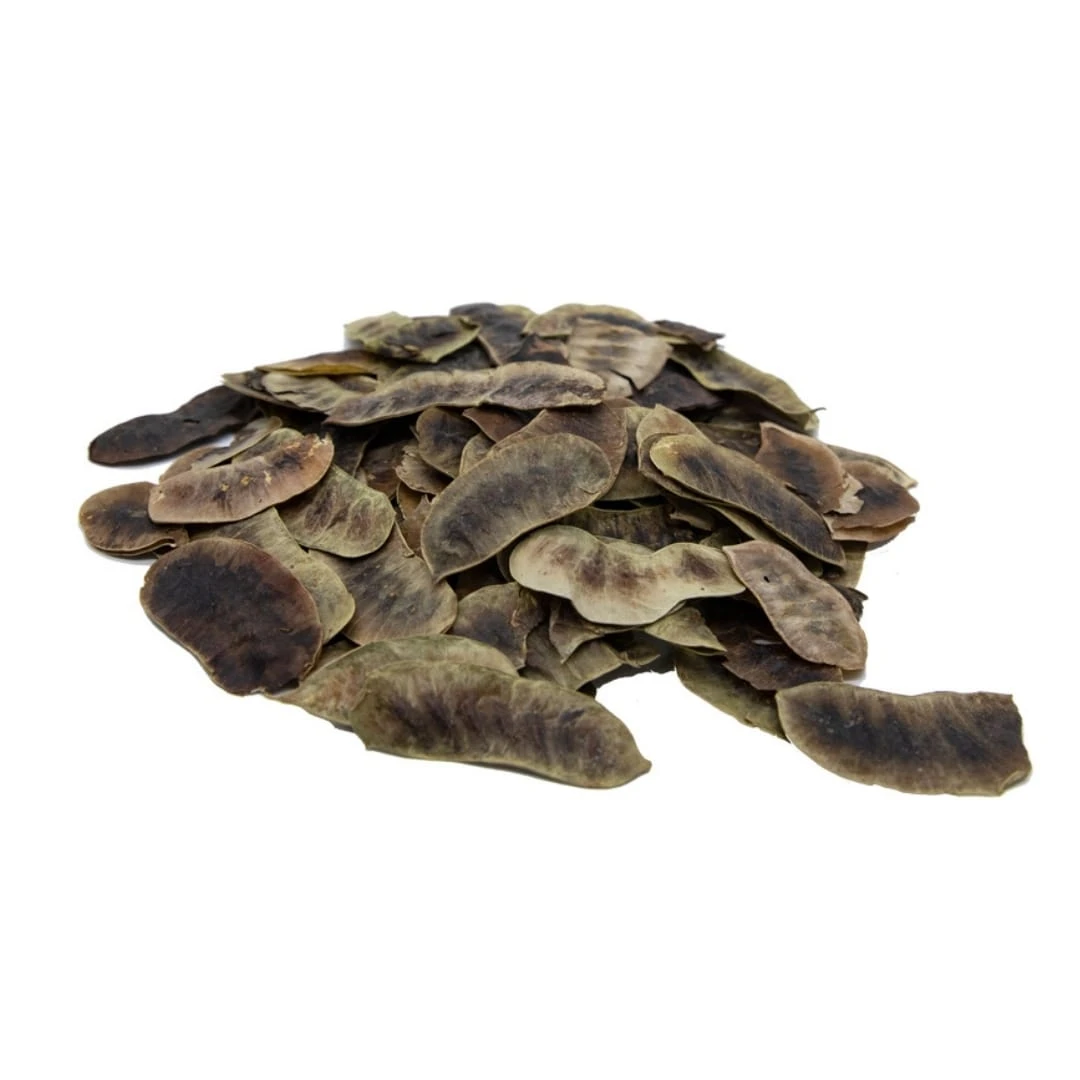
Senna pods are the dried fruit of the Senna alexandrina plant, a flowering plant in the Fabaceae family. They have been used for centuries, particularly within traditional herbal medicine, as a natural remedy for constipation. The pods contain active compounds that promote bowel movements, and they are typically consumed in the form of teas or herbal preparations. Senna pods are recognized for their effectiveness, but should be used cautiously and as directed.
Main Active Ingredients
The primary active ingredients in senna pods are sennosides, specifically sennoside A and sennoside B. These compounds are glycosides of dianthrone derivatives, which are metabolized by gut bacteria into active metabolites. These metabolites stimulate the intestinal lining, increasing intestinal motility and reducing water absorption, leading to a laxative effect. Additionally, senna pods contain flavonoids and polysaccharides, which may contribute to its overall therapeutic properties.
Product Application Scenarios, Usage, and Dosage
Senna pods are principally used to alleviate occasional constipation. Senna pods are typically administered orally, often in the form of a tea. The pods are steeped in hot water, and the resulting infusion is consumed. Dosage varies depending on individual sensitivity, but a typical dose involves using 0.5 to 2 grams of dried pods per cup of water. It is recommended to start with a lower dose to assess tolerance and avoid excessive bowel movements. Senna pods are intended for short-term use, and prolonged use is discouraged to prevent dependence and potential side effects. They are not recommended for individuals with intestinal obstruction, inflammatory bowel disease, or other serious digestive conditions.
Introduction to the Source Plant, Distribution, and Growth Environment
Senna alexandrina is a shrub native to tropical Africa, particularly Egypt and Sudan, and parts of the Middle East, like Saudi Arabia and India. The plant thrives in hot, dry climates and sandy soils. , It is an herbaceous shrub that grows to a height of about one meter, characterized by its pinnate leaves, yellow flowers and distinctive pods. The plant is also cultivated in other regions with similar climates to meet medicinal demands.
Harvesting, Processing, and Storage
Senna pods are typically harvested when they are fully mature but still green to brownish-green in color, usually in the late summer or early fall. After harvesting, the pods are dried, traditionally under the sun, to reduce their moisture content and prevent spoilage. Once dried, the pods are sorted to remove any damaged or discolored material. For storage, senna pods should be kept in airtight containers, in a cool, dry location, away from direct light and moisture, to preserve their potency and shelf life. Proper storage ensures that the pods retain their medicinal properties for an extended period.
Citations
- EMA. (2018). Assessment report Senna alexandrina Mill. and/or relevant preparations thereof. Retrieved from https://www.ema.europa.eu/en/medicines/herbal/sennae-folium
- DerMarderosian, A., & Beutler, J. A. (2011). The Review of Natural Products. Facts and Comparisons.
- Bone, K., & Mills, S. (2013). Principles and practice of phytotherapy: modern herbal medicine. Elsevier Health Sciences.
Mia Wu

Hi, I’m Mia Wu! I love helping customers discover the best natural ingredients for their products. With a passion for herbs, spices, and fungi, I work to make sure you get only the finest raw materials. Let's grow together! 🌱✨