


Product Introduction
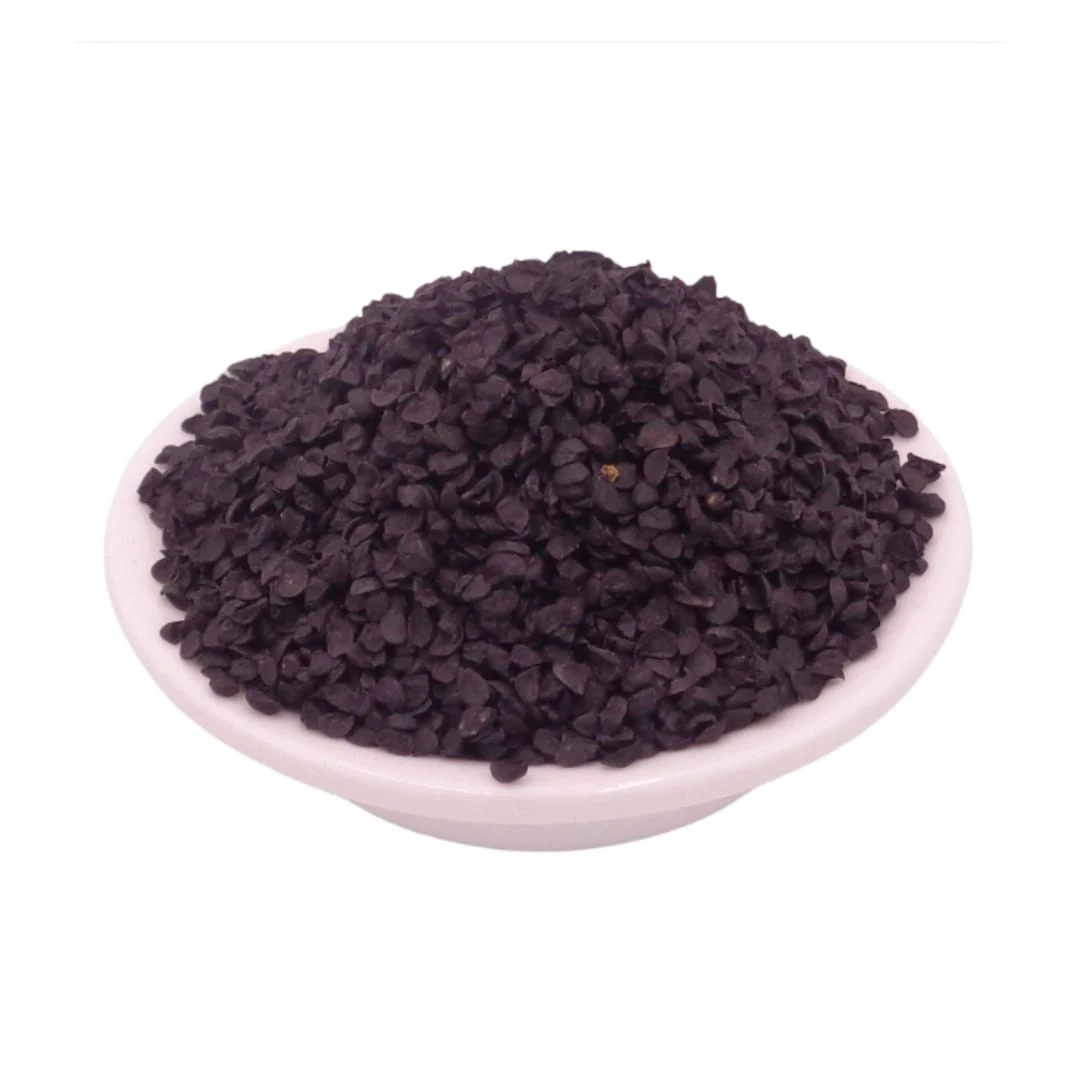
Semen Allii Fistulosi, sourced from the seeds of the scallion plant, has a history of use in traditional Chinese medicine. It is valued for its warming properties and its effects on specific organ systems, according to traditional theories. Herbal preparations use these seeds to address various health concerns.
Main Active Ingredients
The key active ingredients in Semen Allii Fistulosi include allicin, along with various sulfur-containing compounds, flavonoids, and saponins. Allicin is well-known for its antimicrobial properties, while the other components contribute to the herb's overall therapeutic effects. These constituents are believed to be responsible for the purported benefits in traditional applications.
Product Application Scenarios, Usage, and Dosage
In traditional Chinese medicine, Semen Allii Fistulosi is often used for conditions such as impotence, frequent urination, and lower back pain. It is believed to strengthen the Kidney Yang and can be used in formulas designed to address these issues. The typical dosage is 6-9 grams, usually administered in decoction form. It can be combined with other herbs to enhance its effects or to target specific symptoms.
Introduction to the Source Plant, Distribution, and Growth Environment
Allium fistulosum L., the scallion, is a perennial plant belonging to the Alliaceae family. It is native to Asia, including China, and now cultivated worldwide. It thrives in well-drained soil and full sunlight, being a relatively hardy plant that can withstand various environmental conditions.
Harvesting, Processing, and Storage
The seeds are typically harvested in the late summer or early autumn when they are fully mature. After harvesting, the seeds are dried in the sun or using mechanical methods to reduce moisture content. The dried seeds should be stored in airtight containers to prevent moisture absorption and maintain their quality. Proper storage ensures the preservation of the herb's active compounds.
Citations:
- https://www.ncbi.nlm.nih.gov/pmc/articles/PMC6354249/
- Chen, J. K., & Chen, T. T. (2004). Chinese Medical Herbology and Pharmacology. City of Industry, CA: Art of Medicine Press.
- Bensky, D., Clavey, S., & Stöger, E. (2004). Chinese Herbal Medicine: Materia Medica. 3rd ed. Seattle, WA: Eastland Press.
Mia Wu

Hi, I’m Mia Wu! I love helping customers discover the best natural ingredients for their products. With a passion for herbs, spices, and fungi, I work to make sure you get only the finest raw materials. Let's grow together! 🌱✨







