

Product Introduction
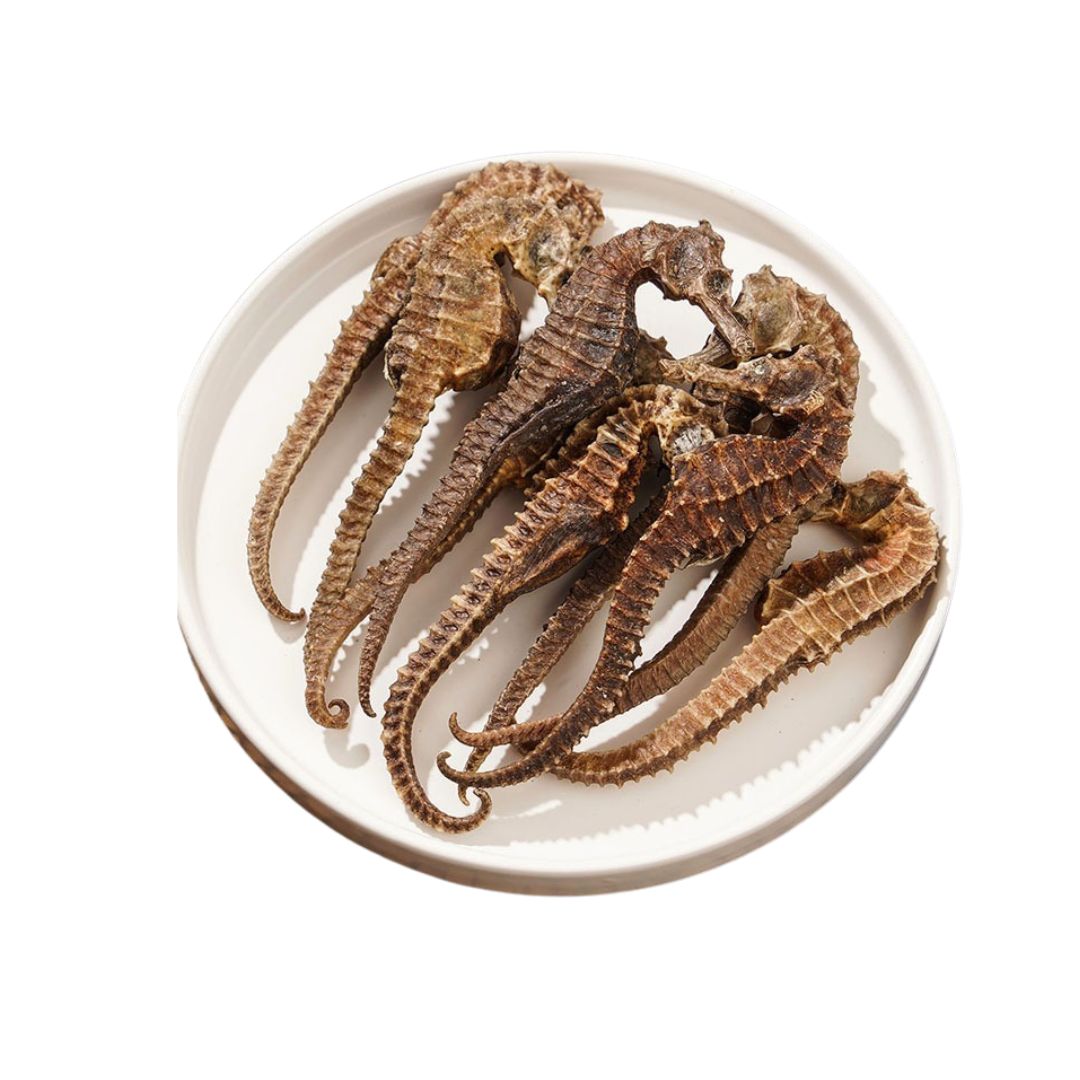
Seahorse, also known as sea dragon, is a marine animal of the syngnathid family. It is primarily used in traditional Chinese medicine, recognized for its unique appearance and medicinal properties. This product is sourced from dried seahorses and is valued for its potential health benefits.
Main Active Ingredients
The main components of seahorse include a variety of amino acids, fatty acids, and minerals. These bioactive compounds are believed to contribute to its therapeutic effects. Further research is needed to fully elucidate the specific roles of each component.
Product Application Scenarios, Usage, and Dosage
Seahorse is traditionally used to invigorate the kidney, warm yang, and promote blood circulation. It is often prescribed for conditions such as impotence, infertility, and asthma. The typical dosage ranges from 3 to 9 grams, usually taken in decoction or powder form. It can also be soaked in alcohol for medicinal purposes. Consultation with a healthcare professional is recommended for appropriate use.
Introduction to the Source Plant, Distribution, and Growth Environment
Seahorses belong to the genus Hippocampus within the Syngnathidae family. Common species used medicinally include Hippocampus kelloggi Jordan et Snyder, Hippocampus trimaculatus Leach, and Hippocampus japonicus Kaup. These species inhabit warm, shallow marine environments, such as coral reefs, mangroves, and seagrass beds. They are distributed across various regions of the world's oceans, including the Pacific and Indian Oceans.
Harvesting, Processing, and Storage
Seahorses are typically harvested from the ocean, often as bycatch. After being caught, they are cleaned, dried, and processed for medicinal use. Proper drying is crucial to prevent spoilage and maintain their quality. The dried seahorses should be stored in a cool, dry place, protected from moisture and pests, to ensure their efficacy and longevity.
Citations
- https://www.drugs.com/npp/seahorse.html
- Chen, J. K., & Chen, T. T. (2004). Chinese Medical Herbology and Pharmacology. Art of Medicine Press.
- Bensky, D., Clavey, S., & Stöger, E. (2004). Chinese Herbal Medicine: Materia Medica. 3rd ed. Seattle, WA: Eastland Press.
Mia Wu

Hi, I’m Mia Wu! I love helping customers discover the best natural ingredients for their products. With a passion for herbs, spices, and fungi, I work to make sure you get only the finest raw materials. Let's grow together! 🌱✨