
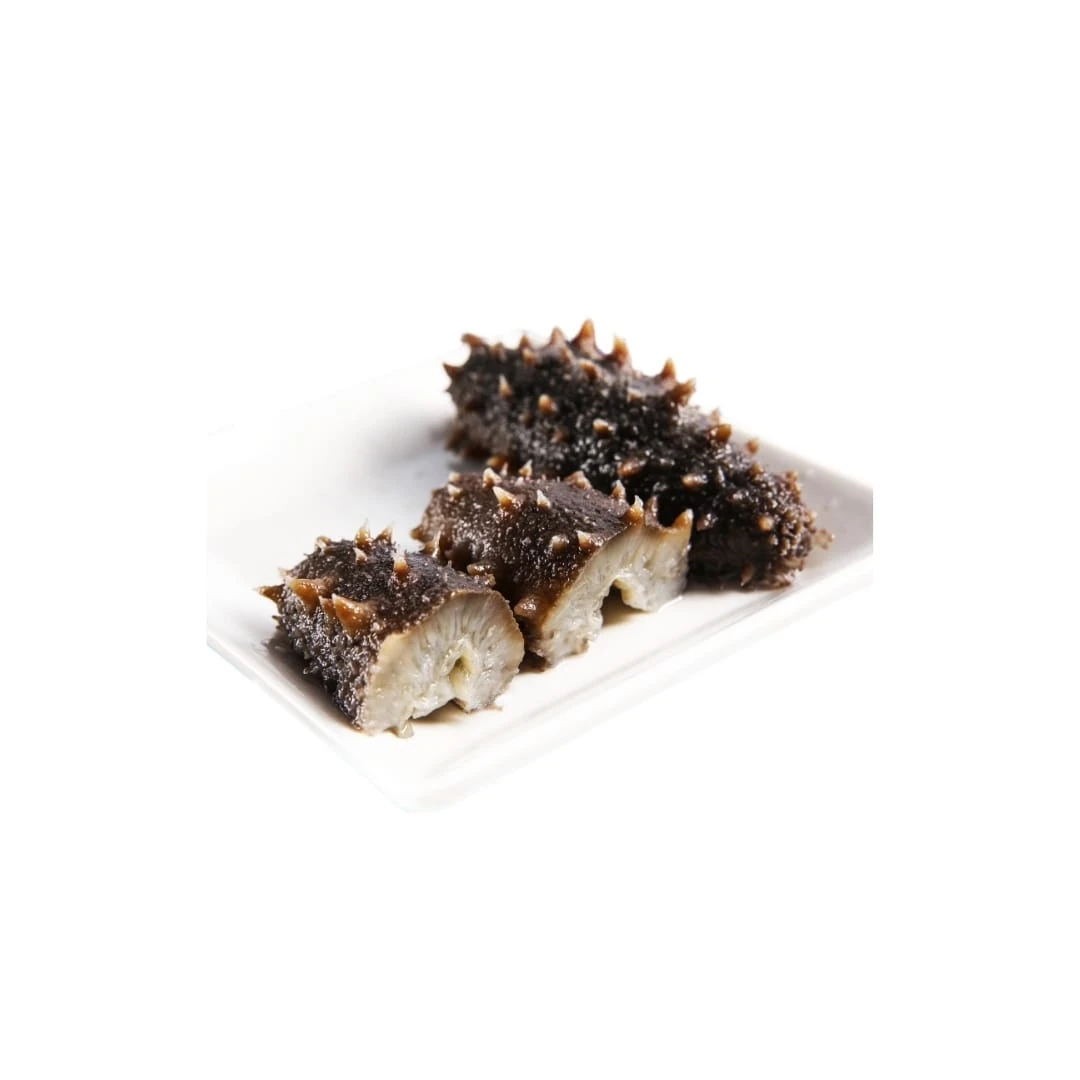


Product Introduction
Sea cucumber, belonging to the class Holothuroidea, is a marine animal found in oceans around the world. It has been used for centuries in traditional Chinese medicine (TCM) and cuisine, valued for its nutritional and therapeutic properties. The body of a sea cucumber is typically elongated and cylindrical, with a leathery skin that can vary in color. Different species exist, each with unique characteristics and compositions. In TCM, sea cucumber is considered a nourishing tonic, believed to benefit the kidneys, lungs, and overall vitality.
Main Active Ingredients
Sea cucumber contains a diverse array of bioactive compounds that contribute to its health benefits. Triterpenoids, also known as saponins, are one of the key components, exhibiting potential anti-inflammatory, and anticancer properties. Glycosaminoglycans, including chondroitin sulfate, are present and play a role in supporting joint health and connective tissue. Various amino acids, essential for protein synthesis and overall bodily functions, are also found in sea cucumber. Additionally, it contains minerals such as calcium, magnesium, and zinc, which are crucial for maintaining physiological balance.
Product Application Scenarios, Usage, and Dosage
In traditional Chinese medicine (TCM), sea cucumber is utilized in various applications, often prescribed to individuals with kidney deficiency, weakness, or those recovering from illness. It is believed to nourish the kidneys, tonify essence, and moisten dryness. Common usage involves incorporating sea cucumber into soups, stews, or stir-fries, allowing its nutrients to be absorbed through consumption. The dosage of sea cucumber can vary based on individual needs and the specific preparation. Typically, a moderate amount, ranging from 15 to 30 grams of dried sea cucumber, is used in daily formulations, however, it is crucial to consult with a qualified healthcare practitioner or TCM professional to determine the appropriate dosage and usage for specific health conditions.
Introduction to the Source Plant, Distribution, and Growth Environment
Sea cucumbers are marine animals belonging to the class Holothuroidea, found in diverse oceanic environments around the world. They inhabit shallow coastal waters, deep-sea trenches, and coral reefs, adapting to various conditions. Many species prefer warmer tropical and subtropical regions. Their distribution spans the Pacific Ocean, Indian Ocean, Atlantic Ocean, and even parts of the Arctic Ocean. The growth environment of sea cucumbers is influenced by factors such as water temperature, salinity, substrate type, and availability of food. They are typically bottom-dwellers, feeding on organic matter, algae, and small organisms found in the sediment. The health and sustainability of sea cucumber populations are closely linked to the overall health of marine ecosystems.
Harvesting, Processing, and Storage
Harvesting sea cucumbers is a process that varies depending on the species and location, often done by hand or by divers. Sustainable harvesting practices are crucial to prevent overexploitation and protect marine ecosystems. After harvesting, sea cucumbers undergo processing to preserve them for consumption and medicinal use. This typically involves cleaning, boiling, and drying the sea cucumbers to reduce moisture content and prevent spoilage. Traditional methods may include salting or smoking to further enhance preservation. Proper storage of dried sea cucumbers is essential to maintain their quality and potency; they should be stored in a cool, dry place away from direct sunlight and moisture. Properly processed and stored sea cucumbers can have a long shelf life while retaining their nutritional and therapeutic properties.
Citations
- National Center for Biotechnology Information (NCBI) https://www.ncbi.nlm.nih.gov/
- Examine.com [https://examine.com/]
Mia Wu

Hi, I’m Mia Wu! I love helping customers discover the best natural ingredients for their products. With a passion for herbs, spices, and fungi, I work to make sure you get only the finest raw materials. Let's grow together! 🌱✨







